

As the first silver strands make their appearance, many people find themselves searching for a natural, sophisticated solution that doesn’t scream “dye job.”
Light brown hair color emerges as one of the most versatile and forgiving options for concealing grey hair while maintaining an authentic, sun-kissed appearance.
This warm, neutral shade blends seamlessly with grey strands, creating a soft transition that grows out gracefully and requires less maintenance than darker or more vibrant colors.
Whether you’re dealing with scattered greys or significant coverage needs, understanding how to use Light Brown Hair Color to Hide Grey Hair can transform your approach to hair care and boost your confidence.
This comprehensive guide explores everything from choosing the perfect shade and application techniques to maintenance tips and professional insights, ensuring you achieve beautiful, natural-looking results that keep your grey hair elegantly disguised.
1. Why Light Brown Is Perfect for Covering Grey Hair
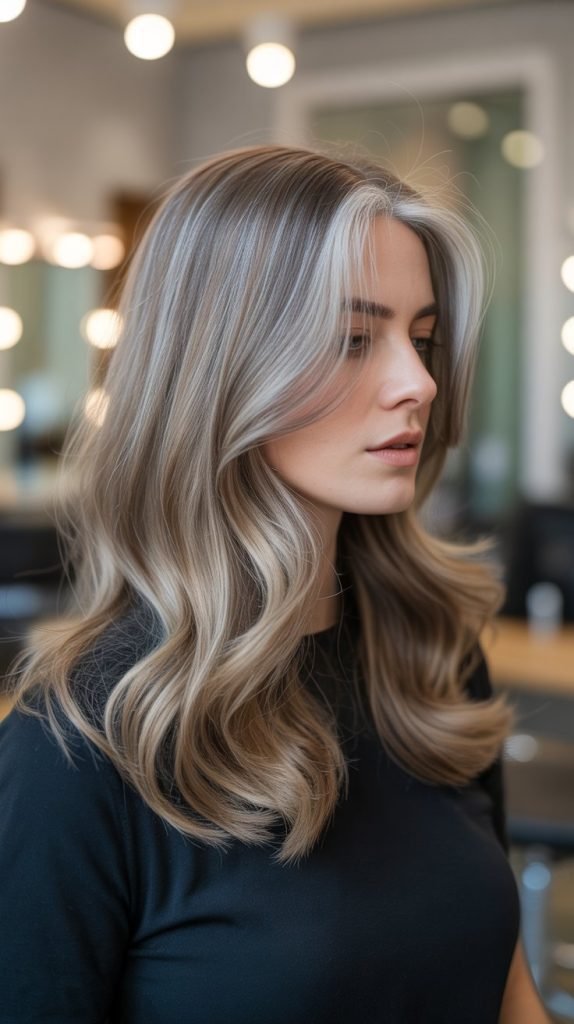
Light brown stands out as an exceptional choice for grey coverage because it offers the ideal balance between effectiveness and natural appearance.
Unlike harsh black or deep brown shades that can create stark contrasts and age the face, light brown provides gentle coverage while allowing some dimension to show through.
- Light brown shades contain warm undertones that counteract the cool, ashy appearance of grey hair, creating a more youthful and vibrant look.
- The softer pigmentation of light brown dyes means regrowth is far less noticeable compared to darker colors, extending the time between touch-ups.
- Light brown works harmoniously with various skin tones, from fair to medium complexions, making it a universally flattering option.
- This shade creates a multi-dimensional effect when applied over grey hair, as the grey strands can add natural-looking highlights throughout the hair.
- Light brown requires less dramatic color correction if you decide to change shades later, offering flexibility for future color choices.
- The color molecules in light brown dyes are gentler on hair structure, causing less damage than darker permanent colors that require stronger developers.
- Light brown shades can be customized with highlights or lowlights to create additional depth and dimension, making the coverage appear even more natural.
2. Understanding Different Light Brown Shades
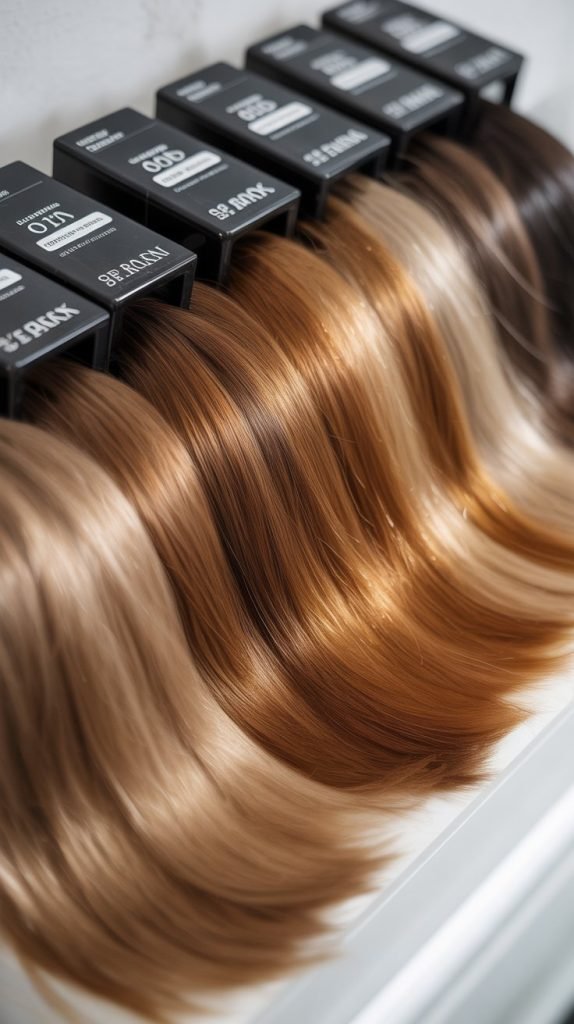
Light brown encompasses a spectrum of shades, each offering unique benefits for grey coverage. Selecting the right tone within the light brown family depends on your natural hair color, skin tone, and the percentage of grey you’re covering.
- Ash light brown contains cool, greyish undertones that work beautifully for those with cool skin tones and can neutralize any brassiness in previously colored hair.
- Natural light brown offers neutral tones without strong warm or cool undertones, making it the safest choice for first-time colorists.
- Golden light brown features warm, honey-toned highlights that add radiance to warm and olive skin tones while creating a sun-kissed appearance.
- Mushroom brown combines grey-brown tones for a trendy, sophisticated look that’s particularly effective for those with 30-50% grey coverage needs.
- Caramel brown leans toward the warmer end of light brown, incorporating amber and toffee tones that add richness and depth.
- Your natural hair’s underlying pigment affects how light brown shades will turn out, with previously dyed hair potentially requiring color correction first.
- Consulting a color wheel can help you understand which light brown undertones will best complement your skin’s natural undertones.
3. Choosing Between Permanent, Semi-Permanent, and Demi-Permanent Color
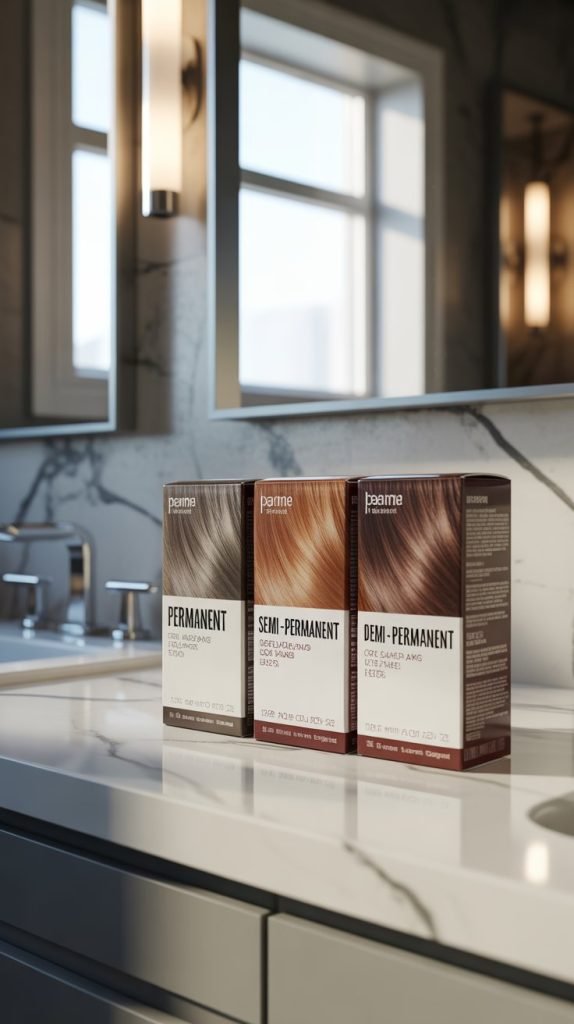
The longevity and coverage level you need will determine which type of light brown hair color formulation works best for your grey coverage goals. Each formulation offers distinct advantages and limitations worth considering.
- Permanent light brown color penetrates the hair shaft completely, providing the most reliable and long-lasting grey coverage for those with significant silver.
- Demi-permanent formulas deposit color without lifting your natural shade, making them gentler on hair while still offering substantial grey blending.
- Semi-permanent colors coat the hair surface and gradually fade, ideal for those wanting to test light brown before committing fully.
- Permanent colors require mixing with a developer (usually 20 or 30 volume), which can cause more damage but ensures complete coverage.
- Demi-permanent options work well for maintaining light brown color between permanent applications, extending your salon visits.
- Semi-permanent light brown can create a subtle tint that blends grey rather than completely covering it, offering a more natural salt-and-pepper effect.
- Consider starting with semi-permanent if you’re unsure about light brown, as it allows you to experiment without permanent commitment.
4. At-Home Application Techniques for Best Results
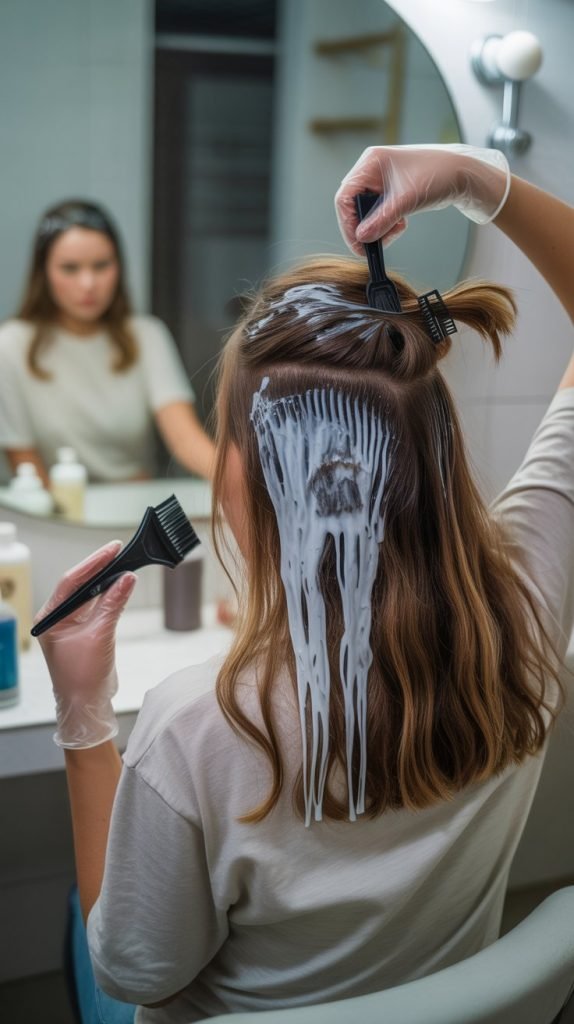
Applying light brown hair color at home requires preparation, proper technique, and attention to detail to achieve salon-quality grey coverage. Following professional methods ensures even color distribution and optimal results.
- Begin with unwashed hair (24-48 hours since last wash) as natural oils protect your scalp from irritation during the coloring process.
- Section your hair into four quadrants using clips, dividing from ear to ear and down the center for systematic application.
- Start applying color to the areas with the most grey concentration first, typically around the hairline and crown where grey tends to be most prominent.
- Use a tint brush rather than squeezing directly from the bottle for more precise application and better saturation of grey strands.
- Work in ¼-inch sections, ensuring every strand is thoroughly coated from root to tip, as under-saturation leads to patchy grey coverage.
- Apply extra color to resistant grey areas, particularly around the temples and front hairline where hair texture may be coarser.
- Set a timer according to package instructions (typically 25-45 minutes) and avoid leaving color on longer than recommended, as this won’t improve coverage and may damage hair.
- After processing, rinse with lukewarm water until it runs clear, then apply the conditioning treatment included with most boxed colors.
5. Professional Salon Techniques for Light Brown Grey Coverage
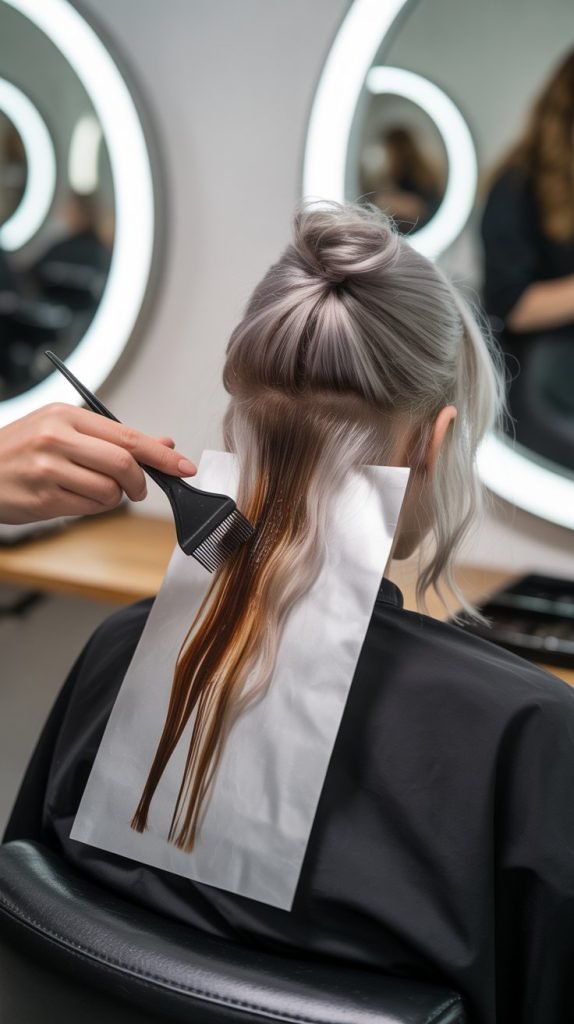
Professional colorists employ advanced techniques that create more natural-looking grey coverage with light brown shades. Understanding these methods can help you communicate your goals during salon consultations or inspire your at-home approach.
- Colorists often use a base color plus highlights technique, applying light brown to cover grey while adding lighter pieces for dimension and movement.
- The lowlight technique involves adding darker strands within light brown coverage to create depth and prevent flat, one-dimensional color.
- Balayage with grey coverage combines freehand painting of lighter tones with full grey coverage at the roots for a natural, lived-in appearance.
- Professional formulations allow colorists to customize the exact shade by mixing multiple light brown tones to match your specific needs.
- Salons use bond-building treatments during the coloring process to minimize damage and maintain hair health despite chemical processing.
- The root shadow technique applies slightly darker color at the roots, creating a gradient effect that makes regrowth less noticeable over time.
- Professional timing is precise, with colorists checking processing every 5-10 minutes to ensure optimal coverage without over-processing.
- Toning services after light brown application can neutralize unwanted warm or cool tones that sometimes emerge during grey coverage.
6. Maintaining Your Light Brown Color Between Applications
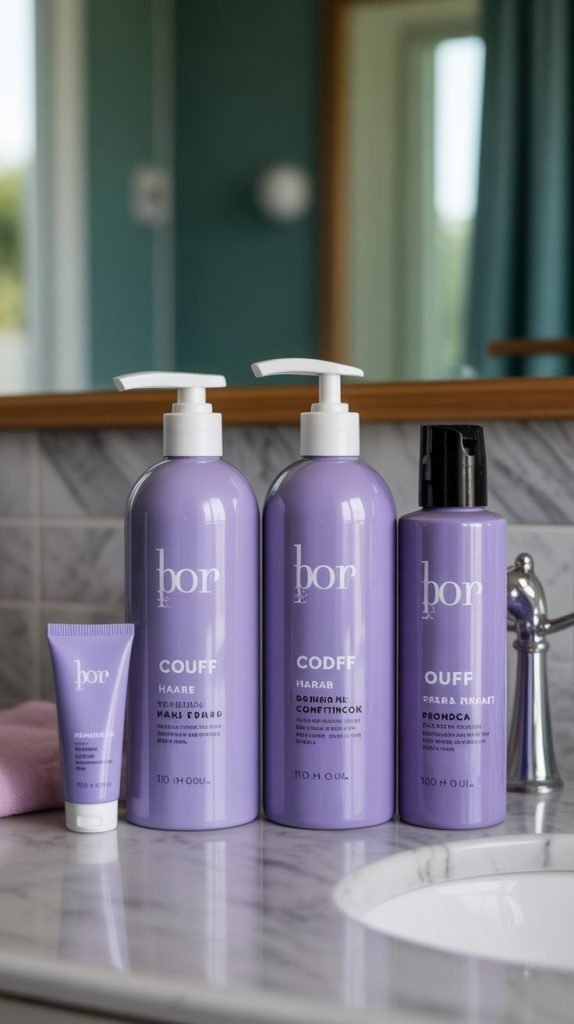
Proper maintenance extends the life of your light brown grey coverage and keeps your color looking fresh and vibrant. A targeted hair care routine prevents fading and maintains the integrity of colored hair.
- Switch to sulfate-free shampoos specifically formulated for color-treated hair, as sulfates strip color molecules and cause premature fading.
- Wash hair in cool to lukewarm water rather than hot water, which opens the hair cuticle and allows color to escape more quickly.
- Use a color-depositing conditioner in light brown or caramel tones once weekly to refresh your color between full applications.
- Apply purple or blue shampoo occasionally if your light brown develops brassy, orange tones, as these neutralize unwanted warmth.
- Deep condition weekly with masks containing keratin, argan oil, or coconut oil to replenish moisture lost during the coloring process.
- Limit heat styling and always use a heat protectant spray before blow-drying, straightening, or curling to prevent color degradation.
- Protect hair from UV damage by wearing hats in direct sunlight or using leave-in products with SPF, as sun exposure fades light brown quickly.
- Schedule touch-ups every 4-6 weeks for permanent color or 6-8 weeks for demi-permanent to maintain seamless grey coverage.
7. Common Mistakes to Avoid When Using Light Brown for Grey Coverage
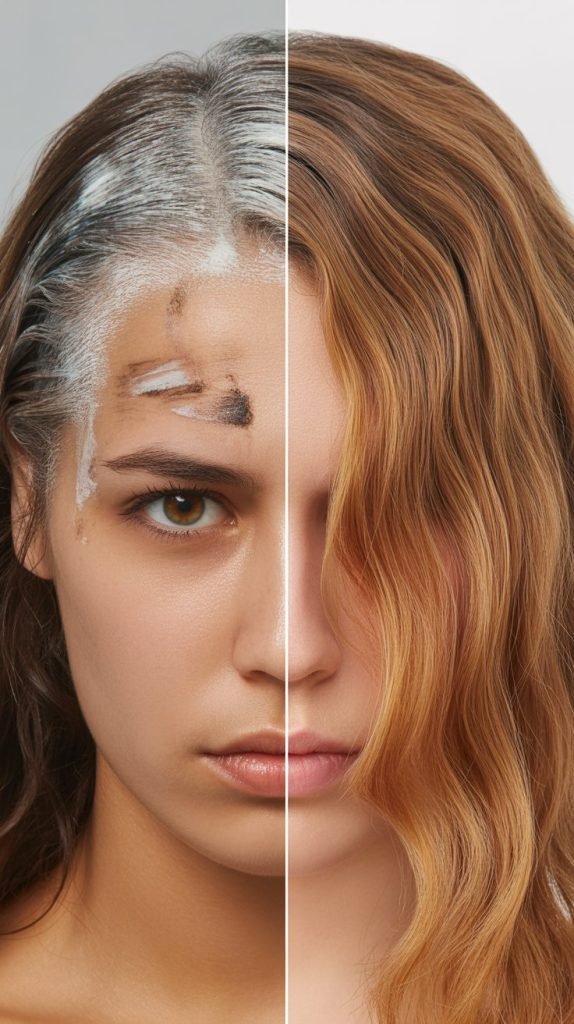
Even experienced home colorists can make errors that compromise grey coverage results. Being aware of these common pitfalls helps you achieve better outcomes with light brown hair color.
- Choosing a shade too light is the most frequent error, as light brown must be dark enough to effectively mask grey without requiring excessive processing.
- Skipping the strand test before full application can result in unexpected color outcomes, especially if you have previously colored hair or varying grey percentages.
- Over-washing colored hair in the first 72 hours strips the color before it fully sets into the hair shaft, leading to rapid fading and poor grey coverage.
- Applying color to soaking wet hair dilutes the formula and prevents proper pigment deposit, resulting in patchy grey coverage.
- Using regular shampoo and conditioner instead of color-safe products accelerates fading and can turn light brown brassy within weeks.
- Overlapping color during touch-ups creates darker bands and increases damage, while proper application focuses only on new grey regrowth.
- Ignoring underlying tones in your natural hair or previous color can cause light brown to turn out unexpectedly orange, red, or green-toned.
- Leaving color on for less than the recommended time won’t provide adequate grey coverage, while over-processing damages hair without improving results.
8. Best Light Brown Hair Products for Grey Coverage
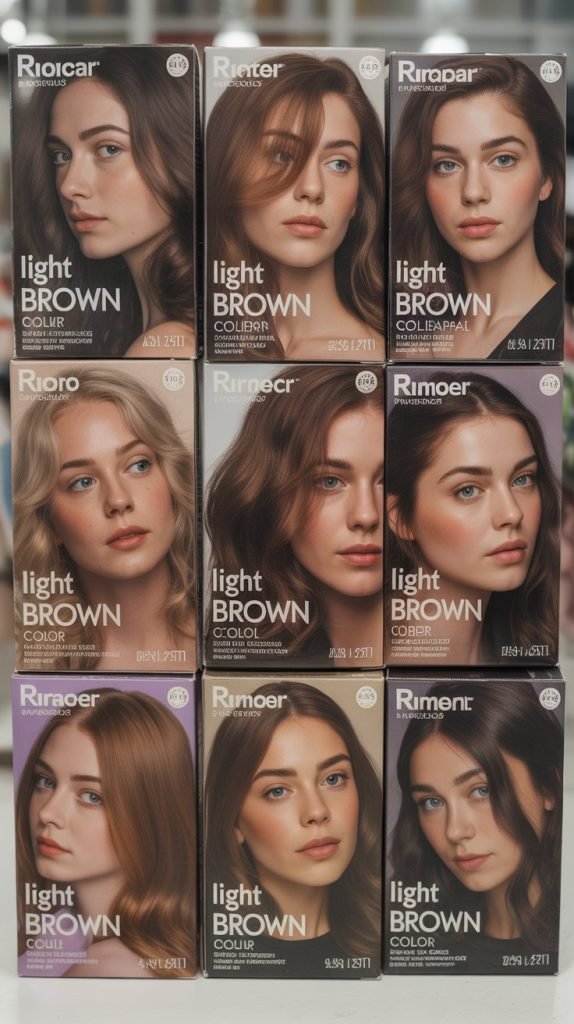
The market offers numerous light brown hair color products specifically formulated for grey coverage, ranging from budget-friendly drugstore options to premium salon-quality brands. Selecting the right product impacts your results significantly.
- L’Oréal Excellence Crème in light brown shades delivers 100% grey coverage with a protective serum that shields hair during coloring.
- Revlon ColorSilk offers budget-friendly permanent light brown coverage that many users find delivers results comparable to premium brands.
- Garnier Nutrisse includes fruit oil concentrates in their light brown formulas for grey coverage that leaves hair feeling nourished rather than damaged.
- Wella Koleston Perfect is a professional-grade option that colorists recommend for home use when seeking salon-quality light brown grey coverage.
- Aveda Full Spectrum provides plant-based permanent color in light brown tones for those seeking more natural ingredient formulations.
9. Complementary Makeup and Fashion Choices for Light Brown Hair
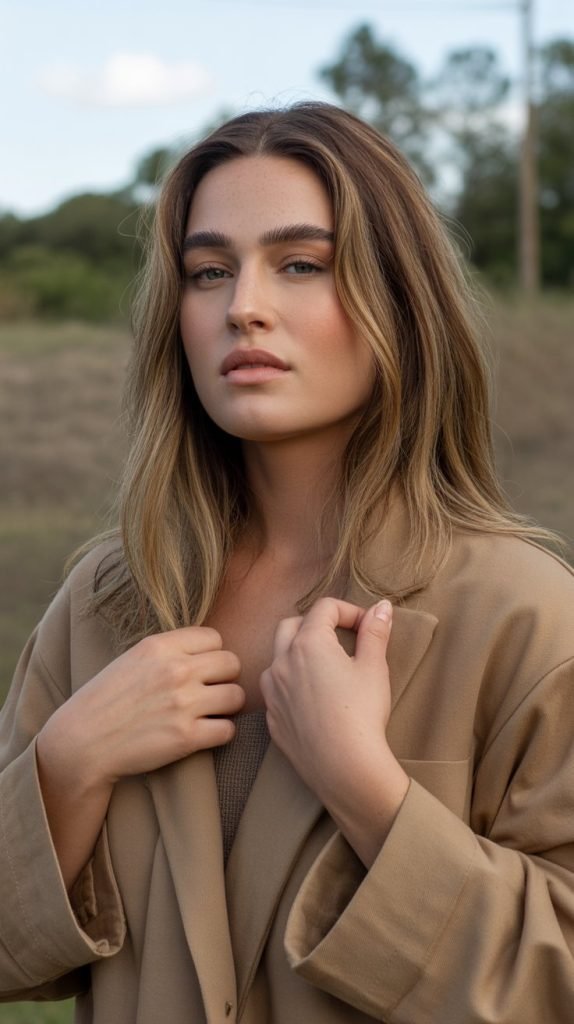
Once you’ve achieved beautiful light brown grey coverage, adjusting your makeup and wardrobe enhances your new look and creates a cohesive, polished appearance. Color theory guides these complementary choices.
- Light brown hair pairs beautifully with warm-toned makeup including peach, bronze, and copper eyeshadows that echo the hair’s golden undertones.
- For cool-toned light brown shades, choose mauve, plum, and soft pink makeup colors that complement ash undertones without clashing.
- Earth-tone clothing in olive, rust, caramel, and cream harmonizes with light brown hair while creating a sophisticated, nature-inspired palette.
- Rose gold and bronze jewelry flatters warm light brown shades, while silver and white gold complement cooler ash light brown tones.
- Lip colors in nude, terracotta, and soft rose shades provide natural definition without competing with your newly colored hair.
- Avoid wearing colors that are too close to your light brown shade near your face, as they can wash you out and make the hair appear dull.
- Jewel tones like emerald, sapphire, and ruby create striking contrast with light brown hair, making your color appear richer and more vibrant.
- Consider your undertones when selecting foundation and concealer shades after coloring, as light brown hair can slightly alter your overall coloring.
10. Transitioning to Light Brown from Darker or Lighter Hair Colors
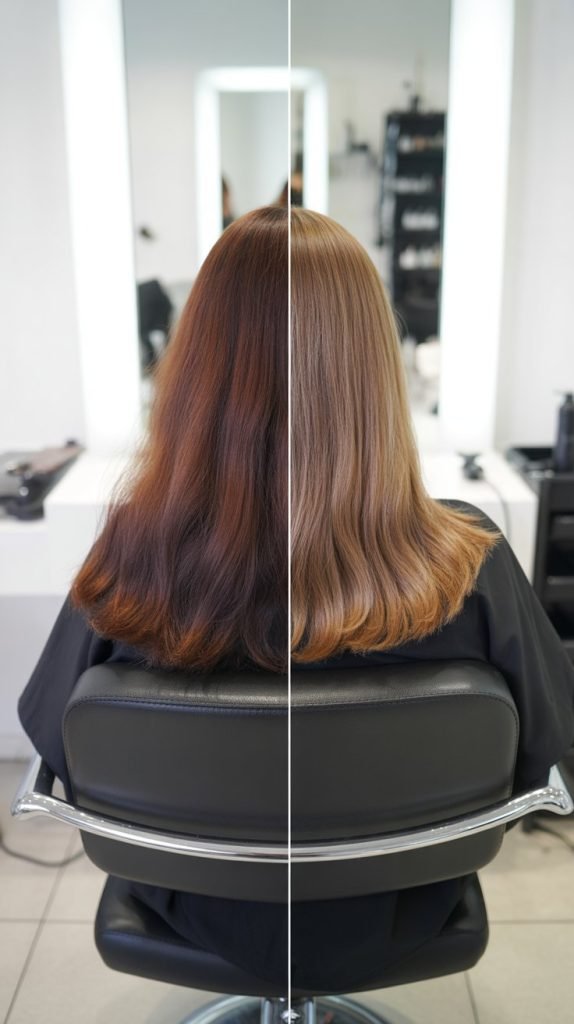
Moving to light brown from a significantly different shade requires careful planning to avoid damage and achieve even grey coverage. The transition process varies depending on your starting point.
- Lightening from dark hair to light brown requires color removal or bleaching first, which should ideally be done professionally to minimize damage.
- When transitioning from very dark colors, plan for multiple sessions spaced 4-6 weeks apart to gradually lift your color toward light brown safely.
- Darkening from blonde to light brown for grey coverage is more straightforward but requires filling to prevent the color from appearing too ashy or green.
- Use a protein filler before applying light brown to blonde or bleached hair to ensure even color deposit and prevent porous areas from grabbing too much pigment.
- Expect your first light brown application to fade faster when transitioning from lighter colors, as damaged or porous hair doesn’t hold color as effectively.
- Consider adding lowlights first if moving from very light hair, creating dimension while gradually introducing darker tones before full light brown coverage.
- Transitioning from red or burgundy shades requires color correction to remove stubborn red pigments that can make light brown appear muddy or orange.
- Deep conditioning treatments before and after transitioning help repair damage and create a healthier canvas for your new light brown grey coverage.
Conclusion
Discovering the transformative power of Light Brown Hair Color to Hide Grey Hair opens up a world of natural-looking, low-maintenance beauty solutions.
This versatile shade offers the perfect compromise between effective coverage and graceful aging, allowing you to embrace a sophisticated look that enhances your natural features rather than fighting against them.
From understanding the nuances of different light brown tones to mastering application techniques and maintaining your color between treatments, you now have the comprehensive knowledge needed to achieve professional-quality results.
Whether you choose at-home application or professional salon services, light brown remains one of the most forgiving and flattering options for grey coverage across all skin tones and hair types.
As you embark on your light brown hair journey, remember that the best hair color is one that makes you feel confident, authentic, and beautiful every time you look in the mirror.
