
Easy 37 Small Wood Projects to Sell Fast
The beauty of small wood projects lies in their accessibility—they require minimal investment in materials, can be completed in reasonable timeframes, and appeal to customers who value handmade quality over mass-produced alternatives.
Easy 37 Small Wood Projects to Sell Fast will guide you through a carefully curated collection of woodworking ideas that combine simplicity with market demand. These projects range from functional home décor to practical everyday items that people actively search for and willingly purchase.
Each project has been selected based on profitability potential, ease of construction, and current market trends. This comprehensive guide will walk you through cutting boards, wall art, kitchen accessories, organizational solutions, furniture pieces, and decorative items that consistently attract buyers.
You’ll discover which projects require basic tools, where to sell your finished products, and how to price them competitively while maintaining healthy profit margins. By the end of this article, you’ll have a complete roadmap to start your woodworking business with projects proven to sell quickly in today’s marketplace.
1. Cutting Boards and Charcuterie Boards
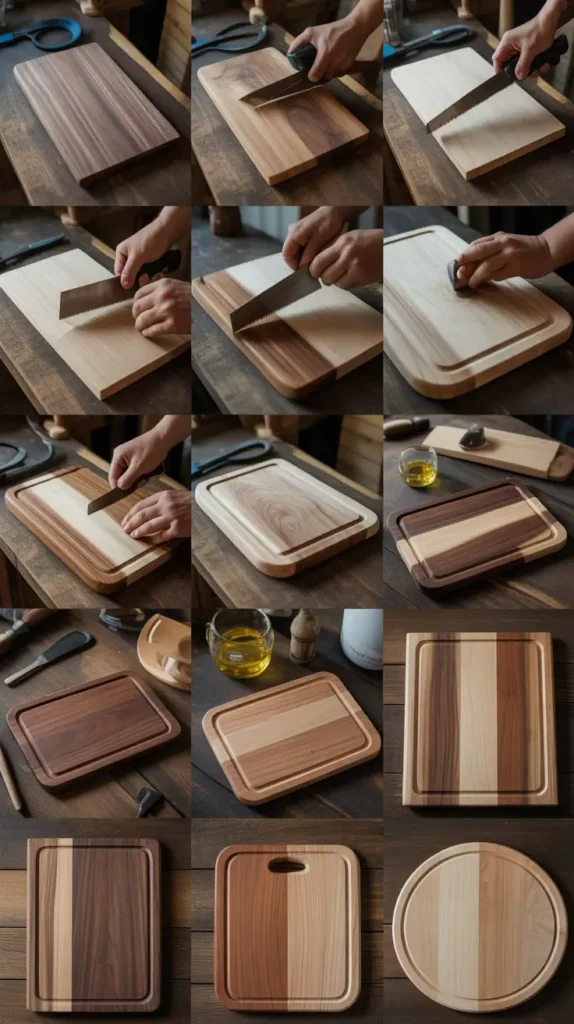
Cutting boards and charcuterie boards represent one of the most profitable entry points into woodworking for sale. These kitchen essentials combine functionality with aesthetic appeal, making them perfect gifts and popular household upgrades. The market for quality wooden cutting surfaces continues to expand as consumers move away from plastic alternatives and embrace natural materials in their kitchens.
Why They Sell Well
- Cutting boards serve both practical and decorative purposes in modern kitchens.
- Customers view them as premium gifts for weddings, housewarmings, and holidays.
- The charcuterie trend has created sustained demand for entertainment-focused boards.
- Different wood species and patterns allow for unique, one-of-a-kind creations.
- They appeal to health-conscious buyers avoiding plastic cutting surfaces.
- Price points range from affordable to luxury, accommodating various customer budgets.
Materials and Construction
- Hardwoods like maple, walnut, cherry, and oak provide durability and food safety.
- Edge grain construction offers simpler assembly for beginners.
- End grain boards command higher prices due to their knife-friendly properties and visual interest.
- Food-safe mineral oil and beeswax finish protect the wood while maintaining safety.
- Combining contrasting wood species creates striking patterns that increase value.
- Rubber feet on the bottom prevent slipping and protect countertops.
Pricing and Profit Margins
- Small cutting boards (8×10 inches) typically sell for $25-$45.
- Medium-sized boards (12×16 inches) command $50-$85 in most markets.
- Large charcuterie boards (18×24 inches) can fetch $100-$200 depending on complexity.
- Material costs usually represent 20-30% of the selling price.
- Time investment ranges from 2-4 hours per board for edge grain designs.
- End grain boards require more time but justify 40-60% higher pricing.
2. Wooden Coasters
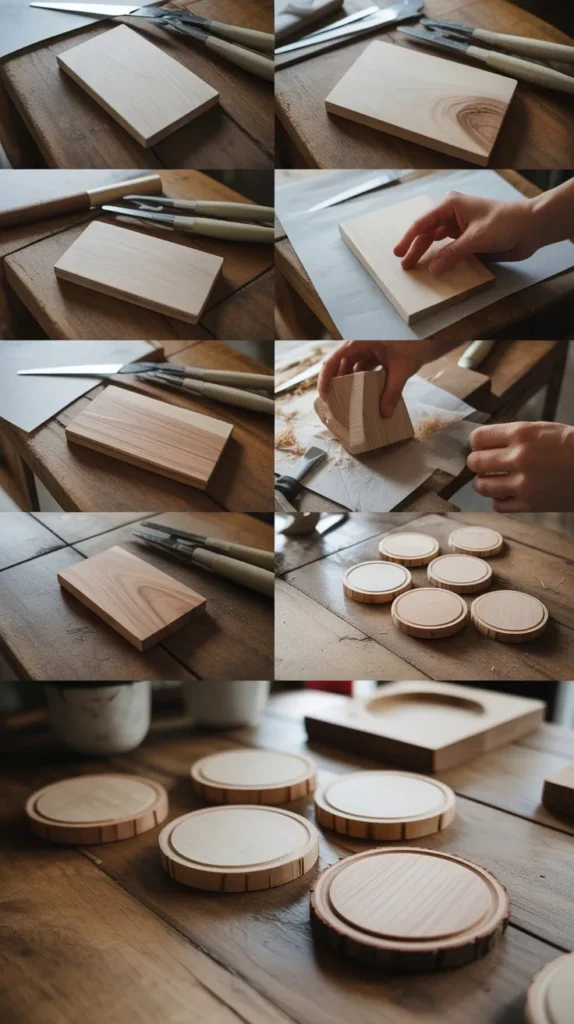
Wooden coasters represent quick-turn projects that generate consistent sales with minimal material investment.
These small items protect furniture surfaces while adding decorative touches to living spaces. Their compact size makes them ideal for craft shows, online marketplaces, and gift shops.
Design Variations
- Square coasters (4×4 inches) offer classic simplicity and easy construction.
- Round coasters provide softer aesthetics and comfortable beverage placement.
- Hexagonal shapes create modern, geometric appeal for contemporary homes.
- Personalized engraving adds custom value for gifts and special occasions.
- Mixed wood species in single coasters create visual interest through contrast.
- Resin inlay designs command premium prices and attract design-conscious buyers.
Production Efficiency
- Batch production allows creating 20-30 coasters in a single work session.
- Simple jigs ensure consistent sizing across multiple pieces.
- Cork or felt backing protects furniture and adds professional finish.
- Multiple coasters can be cut from a single board, minimizing waste.
- Finishing requires only light sanding and oil application for quick completion.
- Packaging sets of 4-6 coasters together increases perceived value and sales price.
Market Positioning
- Individual coasters sell for $5-$8 in most retail environments.
- Sets of four typically range from $20-$35 depending on complexity.
- Custom engraved versions command $30-$50 per set.
- Wedding favors and corporate gifts provide bulk order opportunities.
- Seasonal designs for holidays create repeat customer potential.
- Low material cost (under $2 per coaster) ensures healthy profit margins.
3. Picture Frames
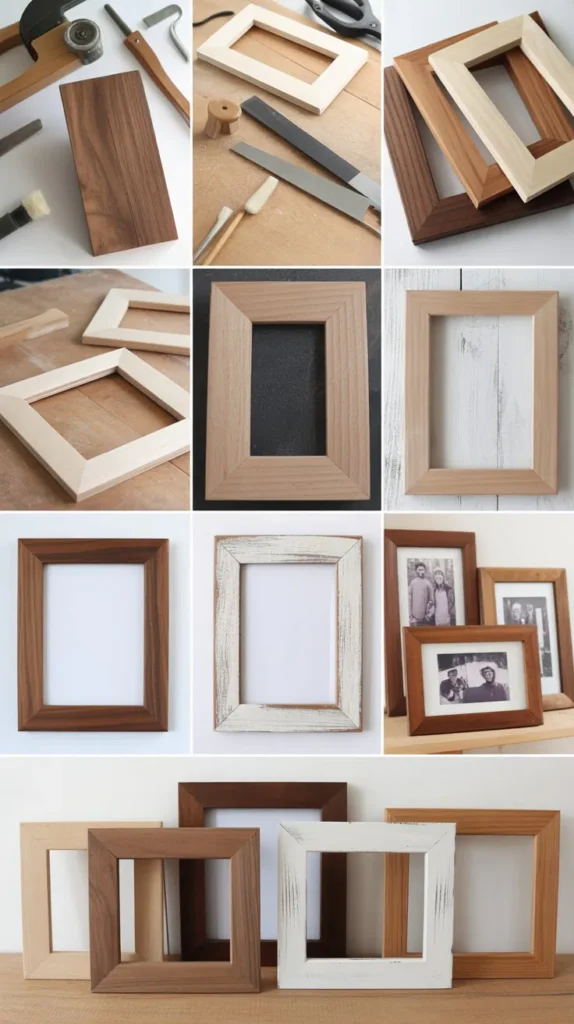
Picture frames combine simplicity in construction with universal appeal across all demographics. Every home requires frames for photographs, artwork, and mirrors, creating reliable market demand. Custom wooden frames offer personalization that mass-produced alternatives cannot match.
Construction Techniques
- Miter joints create professional corners that customers expect in quality frames.
- Simple butt joints work well for rustic or farmhouse-style frames.
- Rabbet cuts on the inside edge hold glass and backing securely.
- Various stains and finishes allow matching different décor styles.
- Adding a routed edge detail elevates perceived quality and value.
- Glass can be sourced affordably or omitted for a rustic presentation.
Size and Style Options
- Standard photo sizes (5×7, 8×10, 11×14) ensure broad customer appeal.
- Oversized frames for statement pieces command premium pricing.
- Distressed finishes appeal to farmhouse and shabby chic markets.
- Natural wood frames suit minimalist and Scandinavian design preferences.
- Painted frames in neutral tones offer versatility for various interiors.
- Custom sizing services differentiate your offerings from retail competitors.
Selling Strategy
- Basic 8×10 frames sell for $15-$30 depending on wood quality and finish.
- Larger frames (16×20 inches) typically command $40-$70.
- Custom frames with special finishes or details reach $50-$100.
- Offering frame sets (3-5 matching frames) increases average transaction value.
- Material costs represent approximately 25-35% of retail price.
- Production time of 30-45 minutes per frame allows high volume output.
4. Wooden Signs and Wall Art
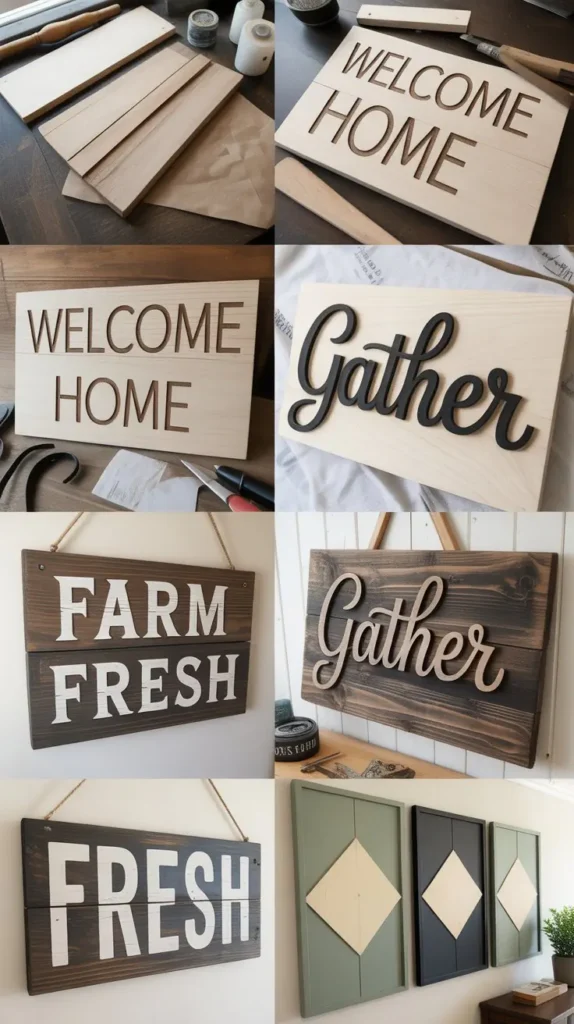
Wooden signs and wall art dominate the home décor market, particularly in farmhouse and rustic design categories.
These items allow unlimited creative expression while requiring relatively basic woodworking skills. The combination of wood with paint, stain, or burned lettering creates products that customers view as unique artistic pieces.
Design Categories
- Inspirational quotes and family-oriented sayings appeal to broad audiences.
- Seasonal signs for holidays create multiple selling opportunities throughout the year.
- Personalized family name signs work well for gifts and new homeowners.
- Directional signs (Beach, Lake, Mountains) suit vacation properties and themed rooms.
- Welcome signs for front porches and entryways remain consistently popular.
- Custom business signs open commercial customer opportunities.
Creation Methods
- Hand-painted lettering provides authentic, artisanal appearance that justifies premium pricing.
- Stencils enable consistent replication of popular designs for production efficiency.
- Wood burning (pyrography) creates permanent, rustic text that never fades.
- Vinyl lettering offers crisp, professional appearance with minimal artistic skill required.
- Layered wood designs add dimensional interest and visual complexity.
- Distressing techniques enhance rustic appeal and hide minor imperfections.
Market Performance
- Small signs (8×10 inches) typically sell for $15-$35.
- Medium wall art (12×24 inches) commands $40-$75 in most markets.
- Large statement pieces (24×36 inches or larger) reach $80-$150.
- Custom personalized signs add $10-$30 to base pricing.
- Material costs usually stay under $8-$12 per sign.
- Popular designs can be produced in batches for craft show inventory.
5. Wooden Planters and Plant Stands
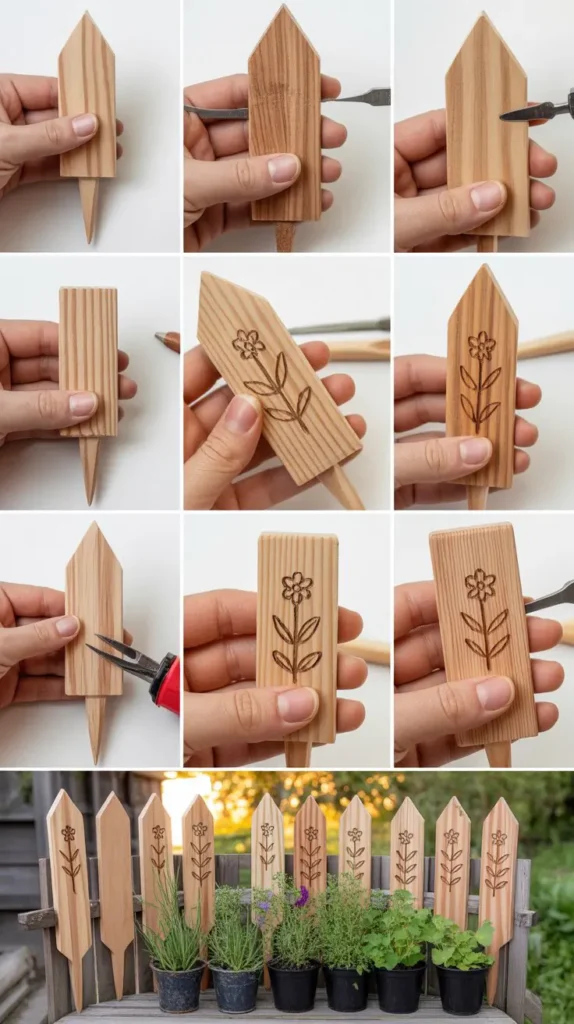
The houseplant trend has created sustained demand for attractive containers and display solutions. Wooden planters and stands combine functionality with decorative appeal, positioning them as both practical items and home décor pieces.
These projects accommodate various skill levels while offering significant profit potential.
Planter Box Designs
- Rectangular planters suit windowsills, patios, and garden beds.
- Cedar and redwood provide natural rot resistance for outdoor use.
- Interior liners or plastic inserts protect wood from moisture damage.
- Drainage holes and elevated bottoms extend planter longevity.
- Tapered sides create modern aesthetic appeal that attracts design-conscious buyers.
- Personalized engravings or burned designs add custom value.
Plant Stand Variations
- Tiered stands maximize vertical space while displaying multiple plants.
- Single-plant pedestals create focal points for statement plants.
- Corner stands utilize unused spaces in homes efficiently.
- Rolling stands with casters appeal to renters and frequent redecorators.
- Ladder-style stands provide bohemian aesthetic that trends strongly.
- Hanging wall-mounted shelves suit small spaces and apartments.
Pricing Structure
- Small planters (6-8 inches) sell for $20-$40.
- Large planter boxes (24+ inches) command $60-$120.
- Simple plant stands range from $35-$70 depending on size.
- Multi-tier stands reach $80-$150 for complex designs.
- Material costs typically represent 25-40% of selling price.
- Outdoor-rated planters justify 20-30% price premium over indoor versions.
6. Serving Trays
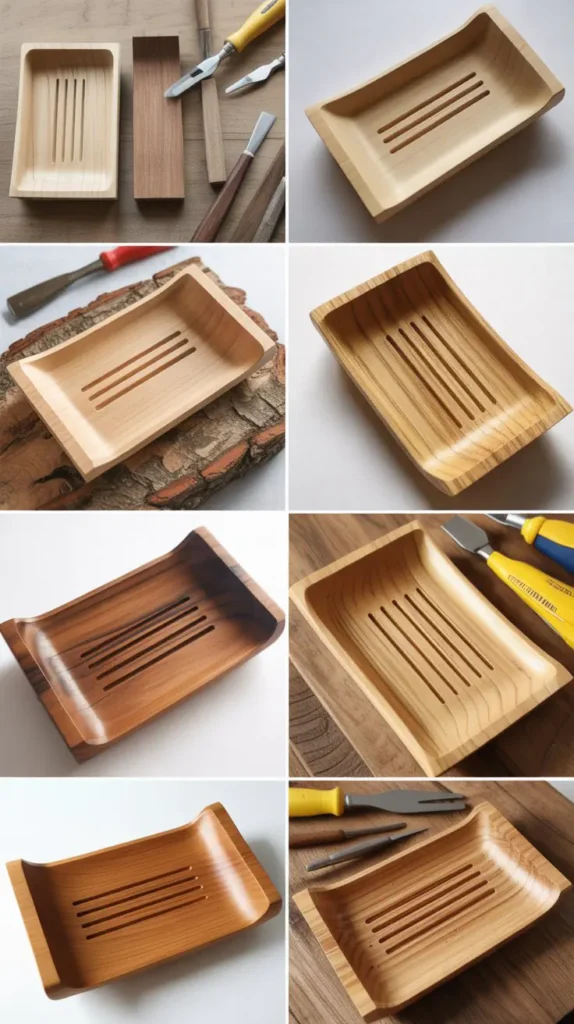
Serving trays blend practicality with decorative function, making them popular for entertaining and everyday use. These projects require moderate skill but produce high-value items that customers associate with quality craftsmanship.
The variety of design options allows woodworkers to differentiate their products in competitive markets.
Design Elements
- Handles made from rope, leather, or metal hardware enhance functionality.
- Raised edges prevent items from sliding and add structural integrity.
- Contrasting wood species create visual interest through natural color variation.
- Resin inlays or epoxy river designs command premium pricing.
- Personalized engraving makes trays popular gift choices.
- Various finishes from natural to painted accommodate different décor styles.
Construction Considerations
- Solid wood construction ensures durability for daily use.
- Finger joints or dovetails in corners demonstrate quality craftsmanship.
- Food-safe finishes are essential for trays intended for meal service.
- Ottoman trays with padded bottoms serve dual purposes in living rooms.
- Bed trays with folding legs expand functionality and market appeal.
- Reinforced bottoms prevent warping and extend product lifespan.
Market Pricing
- Basic serving trays (12×16 inches) sell for $35-$60.
- Larger ottoman trays (18×24 inches) command $65-$110.
- Custom designs with resin or specialty features reach $100-$200.
- Bed trays with legs typically sell for $70-$130.
- Material costs usually represent 20-30% of retail price.
- Production time of 2-3 hours per tray allows reasonable profit margins.
7. Wooden Utensil Holders
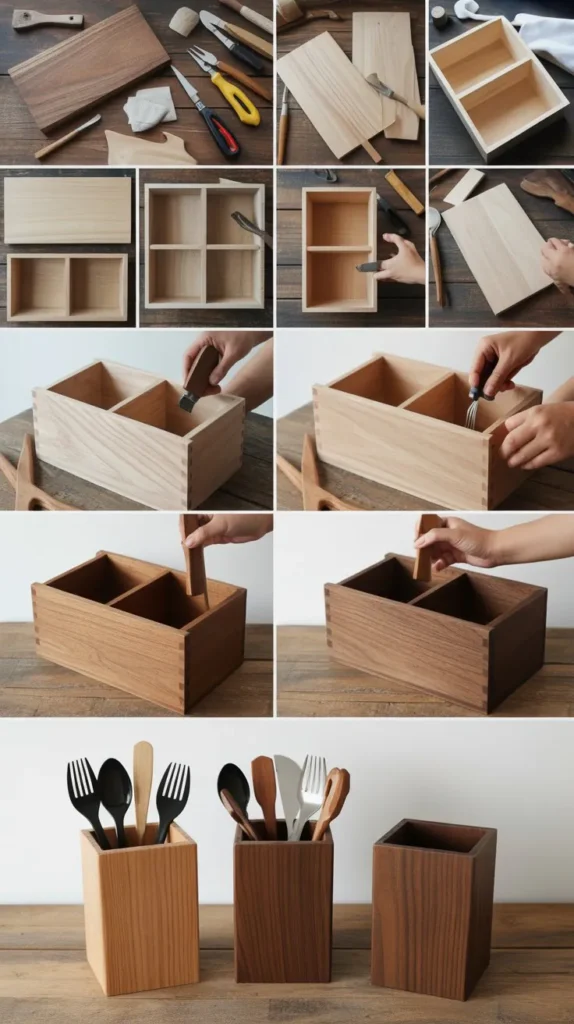
Kitchen organization products maintain consistent demand as homeowners seek to declutter countertops while keeping essentials accessible.
Wooden utensil holders provide attractive storage solutions that complement various kitchen styles. These straightforward projects require minimal materials and produce items customers actively search for.
Design Options
- Single compartment holders suit minimalist kitchens and small spaces.
- Multi-section dividers organize different utensil types efficiently.
- Rotating carousel designs add functionality and visual interest.
- Wall-mounted versions save counter space in compact kitchens.
- Personalized caddies make popular wedding and housewarming gifts.
- Handles on portable versions allow easy movement for outdoor dining.
Construction Details
- Hardwoods like oak, maple, and walnut withstand kitchen environment moisture.
- Finger joints create attractive corner details while ensuring durability.
- Drainage holes in the bottom allow water to escape from wet utensils.
- Food-safe finishes protect wood while maintaining kitchen safety standards.
- Weighted bases prevent tipping when holding heavy utensils.
- Smooth interior surfaces prevent scratching expensive utensils.
Sales Performance
- Basic utensil holders sell for $20-$40 depending on size and wood type.
- Multi-compartment designs command $35-$65.
- Rotating or specialty versions reach $50-$85.
- Personalized holders add $10-$20 to base pricing.
- Material costs typically remain under $8-$12 per holder.
- Production efficiency allows completing 3-5 holders in a work session.
8. Floating Shelves
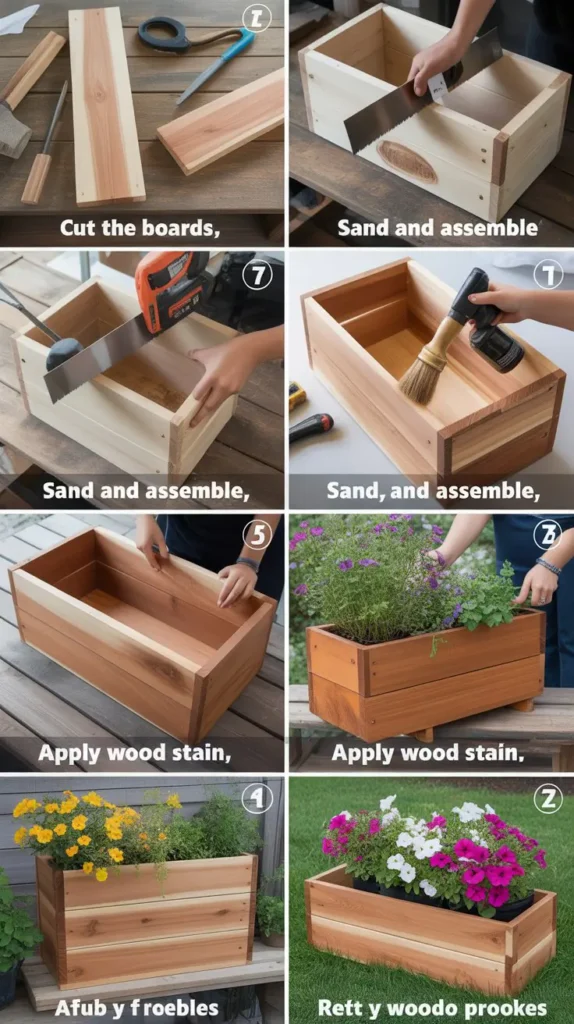
Floating shelves represent one of the most requested home improvement items, combining storage with decorative display space.
These seemingly simple projects command impressive prices due to perceived installation complexity and custom sizing capabilities. The versatility of floating shelves across room types ensures broad market appeal.
Shelf Variations
- Simple rectangular shelves suit minimalist and modern décor styles.
- Live edge shelves bring natural, organic elements to contemporary spaces.
- Corner shelves maximize unused wall areas efficiently.
- Box shelves (shadow boxes) create dimensional display opportunities.
- Pipe-mounted shelves combine wood with industrial metal elements.
- Mantel-style shelves replace traditional fireplace mantels or create faux focal points.
Construction Methods
- Hidden mounting brackets create the floating illusion customers desire.
- Solid wood construction ensures adequate weight capacity for books and décor.
- French cleats provide secure mounting for heavier shelf applications.
- Proper wood conditioning prevents warping after installation.
- Multiple finish options allow customization to match existing furniture.
- Pre-drilled mounting holes simplify customer installation process.
Pricing Guidelines
- Small shelves (18-24 inches) sell for $30-$55.
- Standard shelves (36-48 inches) command $50-$90.
- Long shelves (60+ inches) reach $80-$140.
- Live edge designs add 30-50% premium to standard pricing.
- Custom lengths and finishes justify additional charges of $15-$30.
- Material costs represent approximately 25-35% of selling price.
9. Wooden Toys
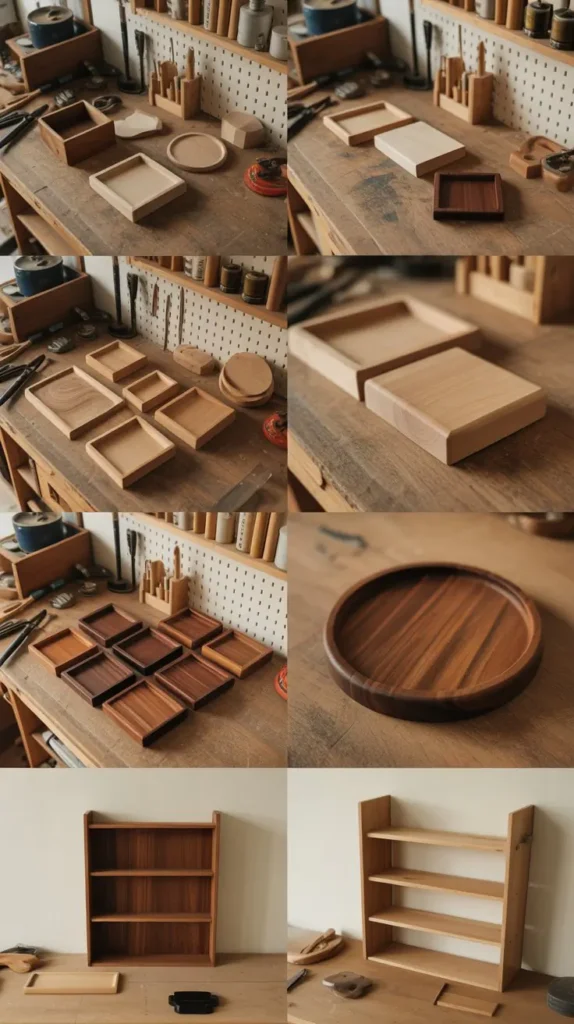
Handcrafted wooden toys appeal to parents seeking safe, non-toxic, and educational alternatives to plastic toys. These projects tap into nostalgia while addressing modern concerns about child development and environmental impact.
The market for quality wooden toys continues expanding as consumers prioritize sustainable and heirloom-quality items.
Popular Toy Types
- Simple cars and trucks appeal to toddlers and young children universally.
- Pull toys develop motor skills while providing engaging play experiences.
- Stacking toys and puzzles offer educational value parents appreciate.
- Building blocks create open-ended play opportunities that support development.
- Animal figures work well for imaginative play and decoration.
- Personalized name puzzles combine learning with gift appeal.
Safety Considerations
- Non-toxic finishes are absolutely essential for items intended for children.
- Sanding to ultra-smooth finish prevents splinters and injuries.
- Avoiding small parts prevents choking hazards for young children.
- Rounded edges and corners ensure safe handling during active play.
- Durable construction withstands rough handling and extended use.
- Following CPSC guidelines ensures legal compliance for toy sales.
Market Dynamics
- Simple toys (cars, animals) sell for $10-$25 depending on complexity.
- Complex toys (puzzles, building sets) command $25-$60.
- Personalized name puzzles reach $30-$70 based on length and details.
- Parents willingly pay premium prices for safe, quality toys.
- Material costs stay relatively low at $3-$8 per toy for most designs.
- Marketing to eco-conscious parents and grandparents expands customer base.
10. Wine Racks
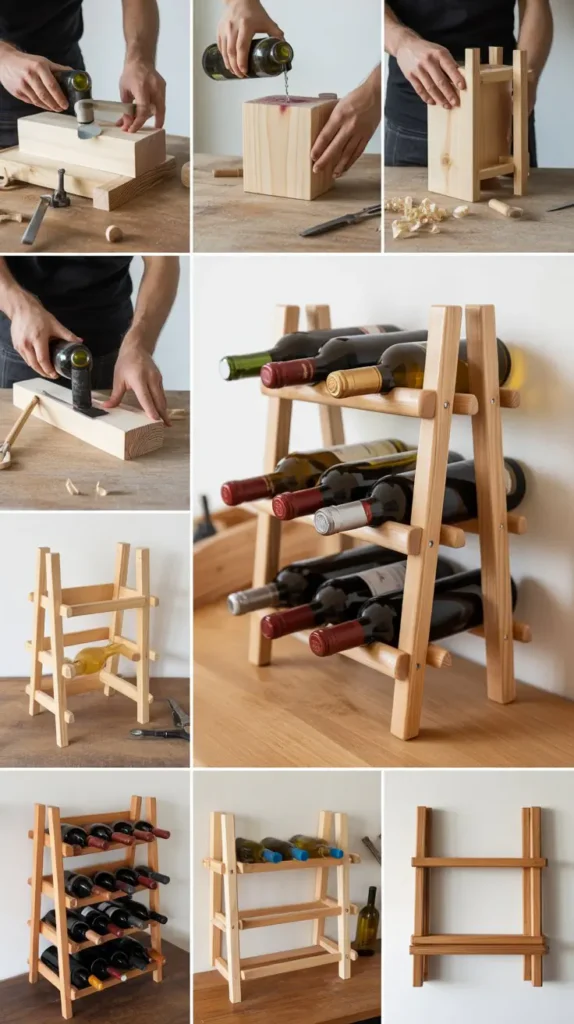
Wine storage solutions remain popular as wine collecting extends beyond enthusiasts to casual consumers. Wooden wine racks provide functional storage while serving as decorative furniture pieces.
The variety of design options from traditional to modern allows woodworkers to target specific market segments.
Design Styles
- Countertop racks hold 4-12 bottles for small collections and apartments.
- Wall-mounted racks save floor space while creating visual interest.
- Modular stacking designs allow customers to expand storage as collections grow.
- Hanging glass holder combinations provide complete wine storage solutions.
- Angled bottle positions showcase labels while ensuring proper storage.
- Barrel stave racks appeal to wine enthusiasts and rustic décor preferences.
Construction Techniques
- Precisely sized holes ensure bottles fit securely without movement.
- Angling holes slightly back prevents bottles from sliding forward.
- Hardwoods provide necessary strength for supporting wine bottle weight.
- Multiple finish options from natural to stained accommodate different interiors.
- Stabilizing feet or wall anchors ensure safety when fully loaded.
- Glass stem holders require careful spacing for various glass sizes.
Pricing Strategy
- Small countertop racks (4-6 bottles) sell for $25-$50.
- Medium racks (8-12 bottles) command $45-$80.
- Large wall-mounted versions (16+ bottles) reach $80-$150.
- Custom designs or specialty woods add 40-60% to base pricing.
- Material costs typically represent 20-30% of retail price.
- Gift market around holidays provides seasonal sales boosts.
11. Smartphone Docking Stations
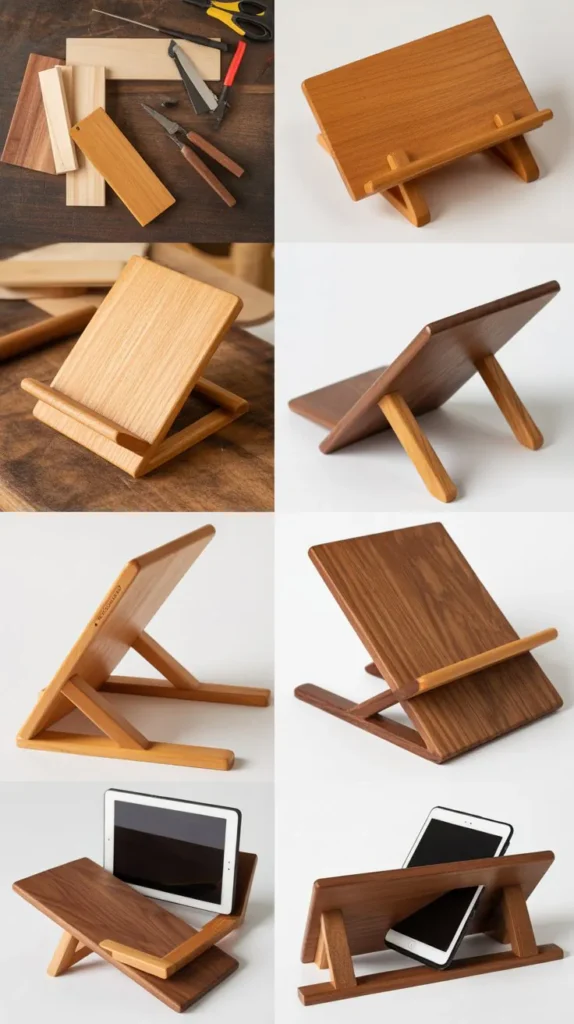
Smartphone docking stations address the universal need for organized charging spaces while reducing cable clutter.
These functional items combine utility with desk or nightstand décor, appealing to tech users across demographics. The compact size allows efficient material usage and quick production times.
Feature Integration
- Cable routing channels hide charging cords for clean appearance.
- Pen or stylus holders add functionality for desk versions.
- Watch stands integrate multiple device charging in single station.
- Key and wallet trays create complete personal item organization.
- Adjustable phone angles accommodate different viewing preferences.
- Multiple device slots serve households with several phones or tablets.
Design Considerations
- Universal sizing accommodates various phone models and cases.
- Stable base prevents tipping from cord weight or phone manipulation.
- Smooth interior surfaces prevent scratching expensive devices.
- Different wood species and finishes match various décor styles.
- Compact footprint suits crowded nightstands and desks.
- Personalized engraving makes stations popular gift items.
Market Performance
- Basic docking stations sell for $20-$40.
- Multi-function organizers command $35-$65.
- Premium hardwood versions with complex features reach $60-$90.
- Corporate logo customization opens business gift market.
- Material costs remain low at $5-$10 per station.
- Quick production time (1-2 hours) ensures healthy profit margins.
12. Jewelry Boxes
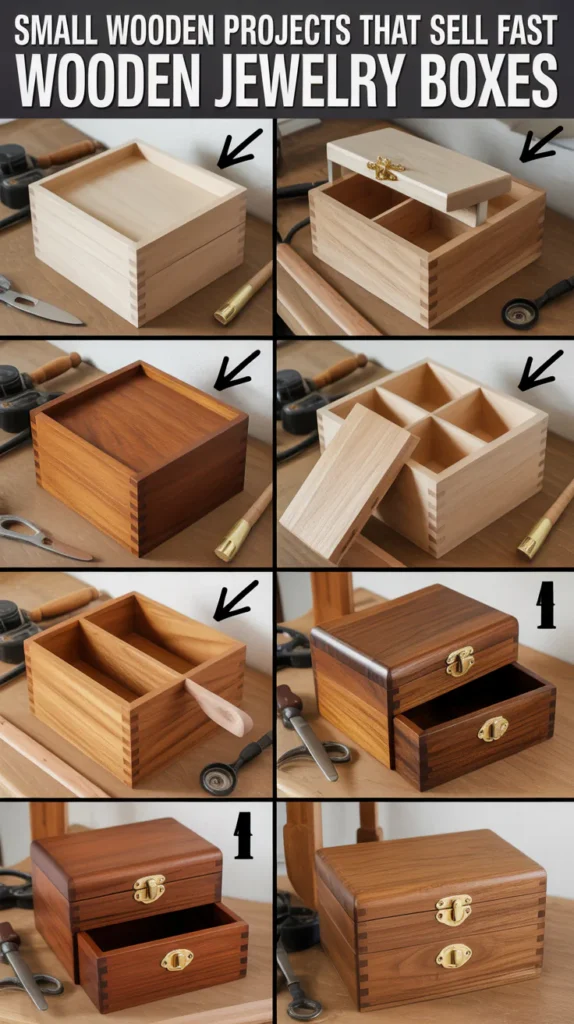
Jewelry boxes combine functional storage with sentimental value, making them popular gift items for special occasions.
The craftsmanship visible in quality wooden boxes justifies premium pricing that customers associate with the jewelry stored inside. Various complexity levels allow woodworkers to match their skill with market positioning.
Construction Features
- Compartmentalized interiors organize different jewelry types efficiently.
- Lined interiors with felt or velvet protect delicate pieces from scratching.
- Ring holders and necklace hooks maximize storage capacity.
- Hinged lids with secure closures protect valuable contents.
- Mirrored lids add functionality and perceived value.
- Locking mechanisms appeal to customers storing expensive jewelry.
Design Variations
- Simple boxes suit beginners while still commanding reasonable prices.
- Dovetail joinery demonstrates quality craftsmanship that customers notice.
- Inlay work with contrasting woods creates heirloom-quality pieces.
- Carved details add artistic elements that justify premium pricing.
- Music box mechanisms transform simple boxes into special keepsakes.
- Personalized engraving makes boxes perfect for milestone celebrations.
Pricing Structure
- Basic jewelry boxes sell for $40-$75.
- Medium complexity boxes with compartments command $60-$120.
- Intricate boxes with inlay or carving reach $100-$250.
- Music boxes add $30-$50 to base pricing.
- Material costs represent approximately 20-35% of selling price.
- Gift occasions (birthdays, graduations, weddings) drive consistent demand.
13. Bookends
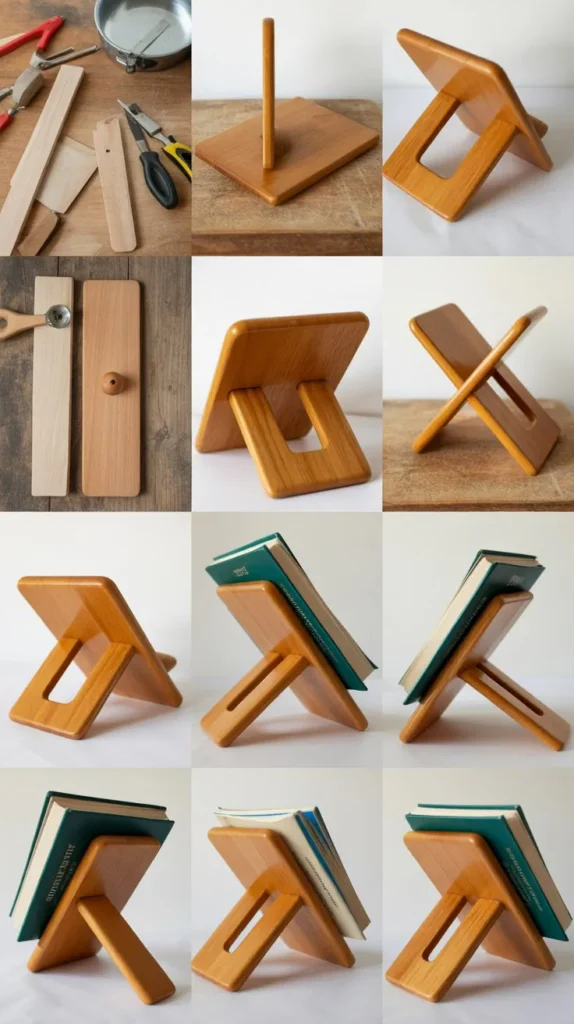
Bookends serve both functional and decorative purposes, making them popular among book lovers and interior designers.
These projects allow creative expression while requiring minimal materials and space. The pairing nature of bookends naturally doubles sales value per project completion.
Design Categories
- Geometric shapes appeal to modern and minimalist décor preferences.
- Silhouette cutouts create themed sets for children’s rooms or hobbies.
- Live edge slabs bring natural elements to contemporary spaces.
- Carved or burned designs add artistic detail that increases value.
- Weighted designs ensure stability with heavy book collections.
- Personalized initials or names make bookends popular gift options.
Construction Details
- Adequate weight prevents tipping under book pressure.
- Adding metal or sand increases stability without visible bulk.
- Felt bottoms protect furniture surfaces from scratching.
- Stable base dimensions ensure bookends don’t topple easily.
- Smooth finished surfaces prevent damage to valuable books.
- Matching pairs demonstrate attention to detail and quality.
Sales Performance
- Simple bookend pairs sell for $25-$45.
- Decorative carved sets command $40-$70.
- Live edge or specialty designs reach $60-$100.
- Custom themed bookends add premium of $15-$30.
- Material costs typically under $8-$12 per pair.
- Gift market and seasonal themes create year-round selling opportunities.
14. Key Holders and Coat Racks
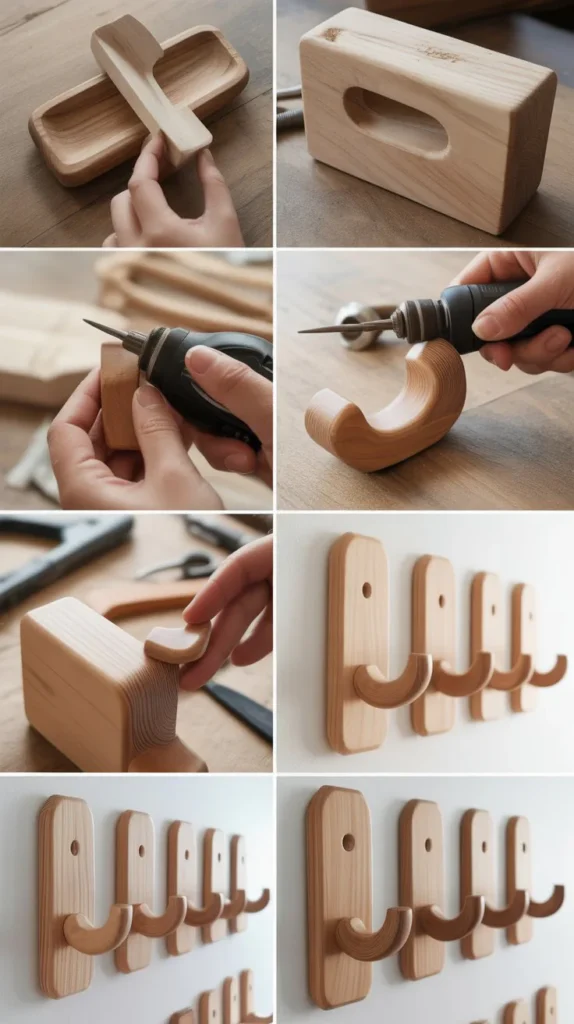
Entryway organization products address the universal need for designated spaces for everyday items. Key holders and coat racks combine functionality with decorative appeal, making them among the first items guests see when entering homes.
These projects range from simple to complex, accommodating various skill levels.
Key Holder Designs
- Wall-mounted boards with hooks provide simple, effective solutions.
- Shelf combinations add surface space for mail or small items.
- Hidden key storage compartments offer security features.
- Personalized family name additions create custom gift appeal.
- Decorative backboard shapes and cutouts enhance visual interest.
- Magnetic versions accommodate modern keyless fobs.
Coat Rack Variations
- Simple hook boards work well for small spaces and apartments.
- Shelf and hook combinations maximize vertical storage efficiently.
- Free-standing hall trees suit homes without wall mounting options.
- Branch or driftwood designs bring natural elements indoors.
- Industrial pipe combinations mix wood with metal aesthetics.
- Children’s height versions serve family-friendly functionality.
Market Pricing
- Basic key holders sell for $15-$35.
- Key holders with shelves command $30-$60.
- Simple coat racks range from $35-$70.
- Larger coat rack systems reach $80-$150.
- Material costs represent approximately 25-35% of selling price.
- Seasonal moving periods (spring, fall) increase demand significantly.
15. Candle Holders
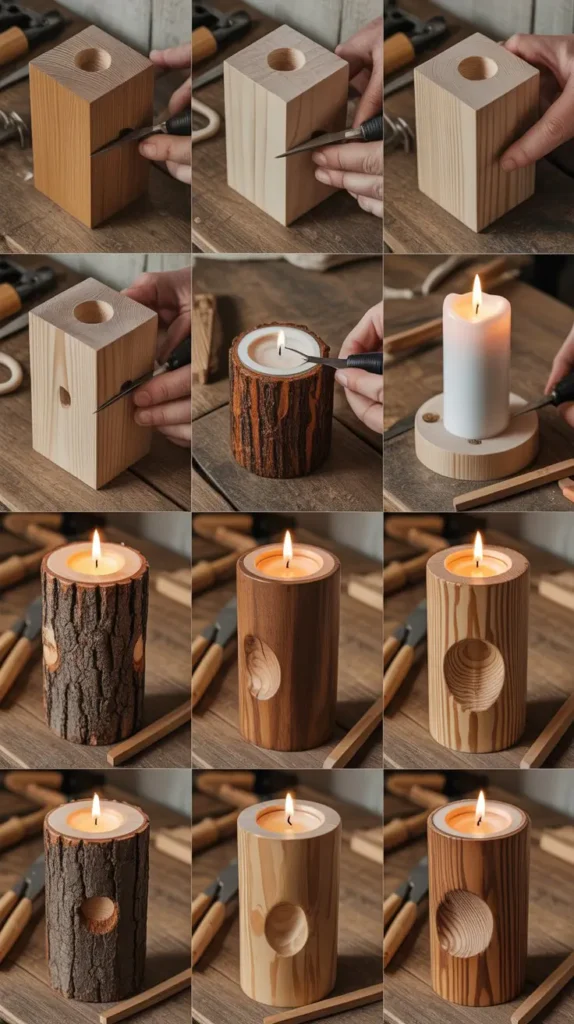
Candle holders create ambiance while serving as decorative accents throughout homes. These projects accommodate various woodworking skill levels while producing items customers view as artisanal home décor. The variety of design options allows differentiation in competitive markets.
Design Options
- Tealight holders require simple construction perfect for beginners.
- Pillar candle holders for larger candles create statement pieces.
- Multi-candle centerpieces work well for dining tables and events.
- Wall-mounted sconces save surface space while adding dimension.
- Turned holders demonstrate lathe skills that justify premium pricing.
- Seasonal designs for holidays create repeat purchase opportunities.
Safety Considerations
- Glass inserts prevent direct wood contact with flame.
- Stable bases prevent tipping and potential fire hazards.
- Adequate ventilation prevents heat buildup in enclosed designs.
- Heat-resistant finishes or unfinished areas around candles ensure safety.
- Clear instructions about appropriate candle sizes protect customers.
- Proper proportions ensure candles fit securely without wobbling.
Pricing Guidelines
- Single tealight holders sell for $8-$18.
- Pillar candle holders command $15-$35.
- Multi-candle centerpieces reach $40-$80.
- Turned or complex designs add 40-60% premium.
- Material costs remain low at $2-$6 per holder.
- Wedding and holiday markets provide seasonal sales opportunities.
16. Wooden Boxes and Storage Solutions
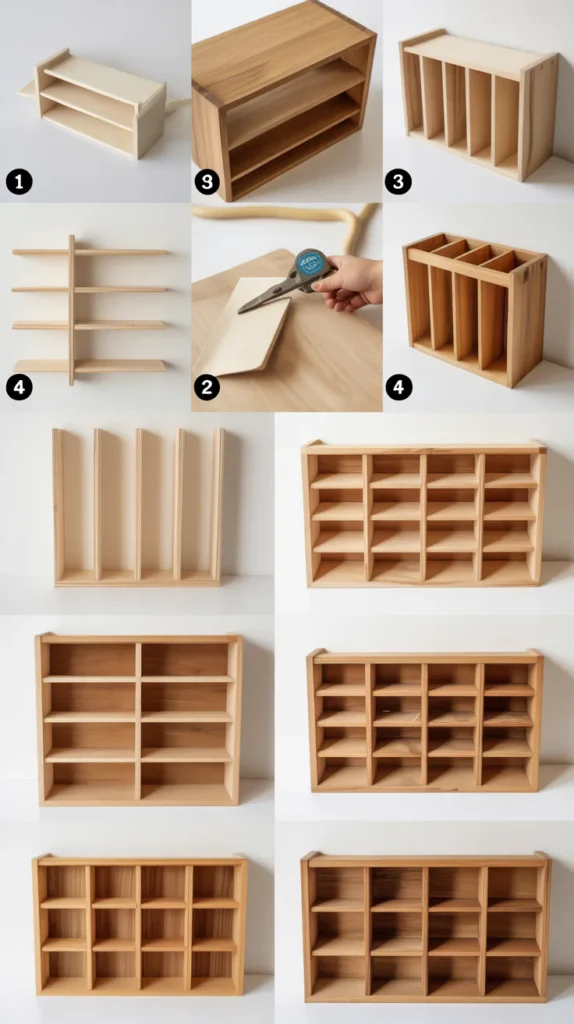
Wooden boxes serve countless organizational purposes while offering decorative value. The versatility of box projects allows woodworkers to target various markets from home organization to gift packaging.
These items showcase joinery skills while producing practical products customers actively seek.
Box Types
- Simple rectangular boxes suit general storage needs universally.
- Divided compartment boxes organize small items like craft supplies.
- Decorative boxes serve as coffee table or dresser accent pieces.
- Keepsake boxes with special finishes become treasured items.
- Stackable modular boxes allow customizable storage systems.
- Sliding lid boxes demonstrate craftsmanship that customers appreciate.
Construction Techniques
- Dovetail joints create heirloom-quality appearance and durability.
- Box joints offer simpler construction with professional appearance.
- Rabbet joints work well for larger boxes requiring quick assembly.
- Sliding or hinged lids accommodate different usage preferences.
- Interior dividers maximize organizational functionality.
- Various finishes from natural to painted match décor styles.
Market Positioning
- Small decorative boxes sell for $20-$40.
- Medium storage boxes command $30-$65.
- Large organization systems reach $70-$140.
- Specialty joinery adds 30-50% premium to pricing.
- Material costs typically represent 20-30% of retail price.
- Organization trends drive consistent year-round demand.
17. Tablet and Laptop Stands
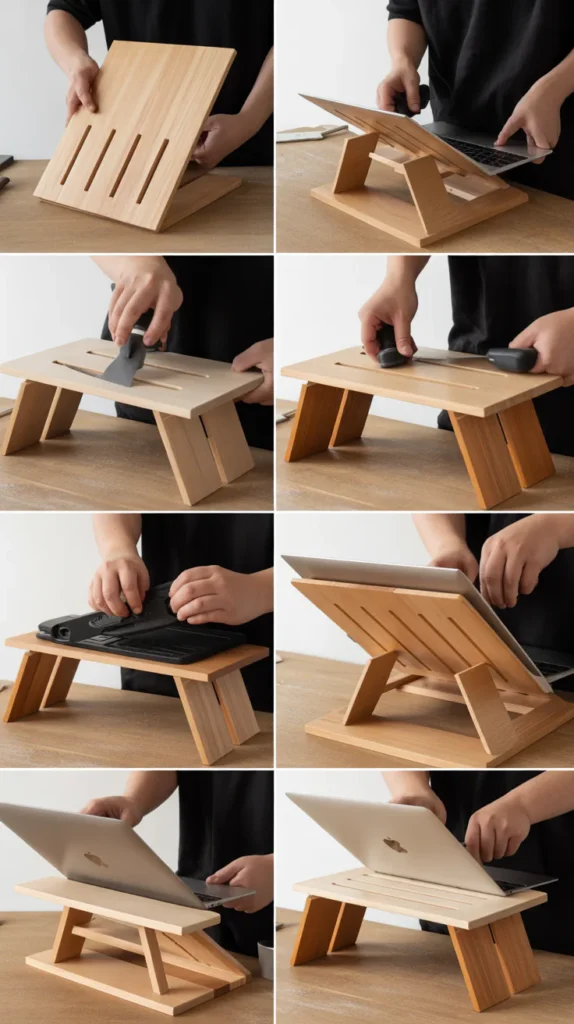
Digital device stands address ergonomic needs while organizing workspace environments. These functional items appeal to remote workers, students, and anyone using tablets or laptops regularly.
The practical nature ensures customers view stands as necessary tools rather than optional accessories.
Design Features
- Adjustable angles accommodate different viewing preferences and tasks.
- Ventilation slots prevent device overheating during extended use.
- Non-slip surfaces protect expensive electronics from sliding.
- Cable routing channels manage cords for clean desk appearance.
- Foldable designs appeal to travelers and compact storage needs.
- Phone holder integration creates complete device docking solutions.
Construction Details
- Durable hardwoods support device weight without flexing.
- Smooth finished surfaces prevent scratching device surfaces.
- Sturdy construction ensures stability during typing activities.
- Universal sizing accommodates various device models and sizes.
- Stable base prevents tipping from cable weight or device manipulation.
- Precision cutting ensures proper angle measurements for ergonomics.
Pricing Strategy
- Simple tablet stands sell for $20-$40.
- Laptop stands with adjustability command $35-$65.
- Multi-device docking stations reach $50-$90.
- Premium hardwoods or complex features add 30-50% premium.
- Material costs remain reasonable at $8-$15 per stand.
- Remote work trends maintain strong consistent demand.
18. Wooden Clocks
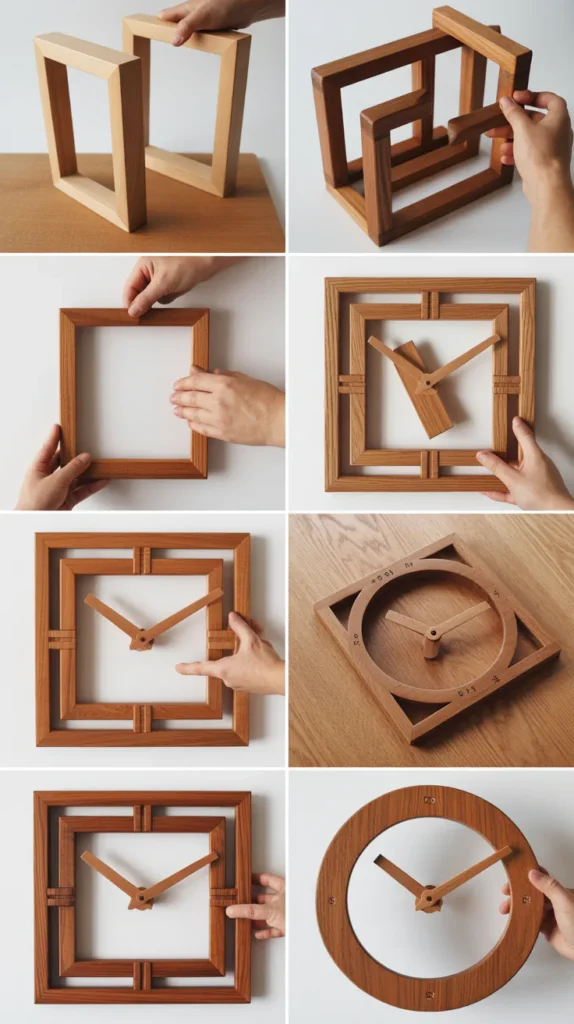
Handcrafted wooden clocks combine functionality with artistic expression, creating pieces that serve as focal points in room décor. These projects accommodate various skill levels depending on complexity, while battery-powered clock mechanisms keep construction straightforward.
The necessity of timekeeping ensures universal appeal across demographics.
Clock Styles
- Traditional round clocks suit classic and transitional interiors.
- Square or geometric shapes appeal to modern décor preferences.
- Rustic farmhouse designs remain consistently popular in home markets.
- Live edge slabs create organic, one-of-a-kind timepieces.
- Silhouette shapes (states, animals, objects) offer themed options.
- Oversized statement clocks command premium pricing.
Component Integration
- Battery-powered mechanisms eliminate complex mechanical assembly.
- Various hand styles from traditional to contemporary match clock aesthetics.
- Number markers range from traditional Roman numerals to modern minimalist dots.
- Some designs omit numbers entirely for clean, artistic appearance.
- Hanging hardware must support clock weight securely.
- Silent mechanisms appeal to bedroom and office applications.
Market Performance
- Small to medium clocks (10-14 inches) sell for $30-$60.
- Large clocks (18-24 inches) command $60-$110.
- Oversized statement pieces (30+ inches) reach $100-$200.
- Custom engraving or specialty designs add $20-$40 premium.
- Material costs including mechanism represent 25-40% of selling price.
- Gift occasions and home decoration trends drive consistent sales.
19. Wooden Magnets
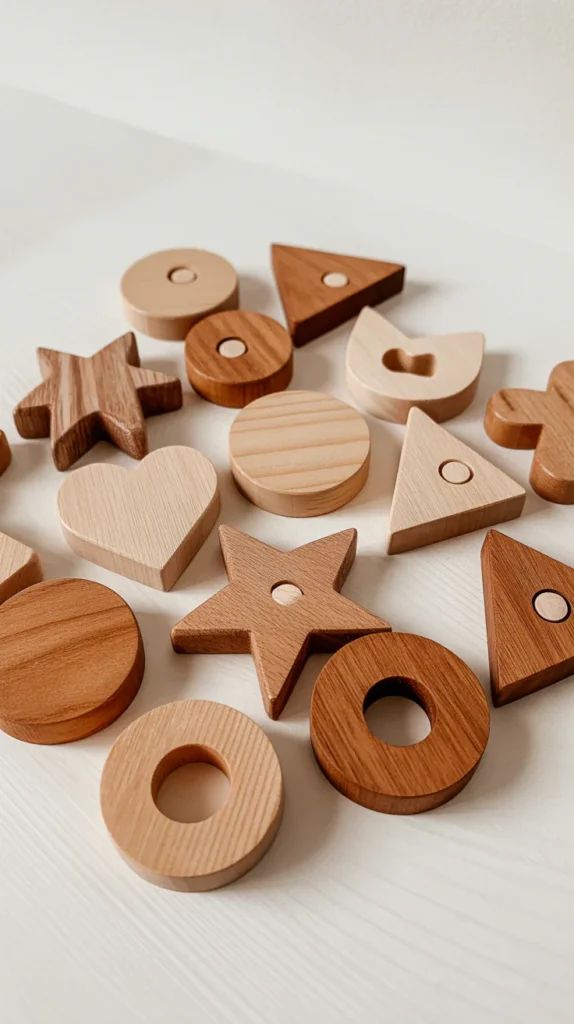
Wooden magnets represent minimal investment projects that generate quick returns through impulse purchases. These small items work well for craft shows, gift shops, and online marketplace bundles.
The variety of design options allows unlimited creativity while requiring minimal materials and time.
Design Options
- Simple geometric shapes appeal to minimalist décor preferences.
- State or country outlines serve as travel souvenirs and gifts.
- Animal and nature shapes attract children and nature enthusiasts.
- Food and kitchen themed magnets suit culinary gift markets.
- Seasonal and holiday designs create year-round selling calendar.
- Personalized initials or names add custom gift value.
Production Efficiency
- Scroll saw or laser cutting enables precise detailed shapes.
- Batch production allows creating dozens in single work sessions.
- Painting or burning adds details that increase perceived value.
- Strong rare earth magnets ensure functionality on refrigerators.
- Clear protective finish prevents paint chipping during use.
- Multiple magnets packaged as sets increase average sale value.
Pricing and Sales
- Individual magnets sell for $3-$6 depending on complexity.
- Sets of 4-6 magnets command $12-$25.
- Custom or intricate designs reach $8-$12 individually.
- Low material costs (under $1 per magnet) ensure excellent margins.
- Impulse purchase pricing encourages multiple item sales.
- Souvenir markets and tourist areas provide additional sales channels.
20. Wooden Soap Dishes
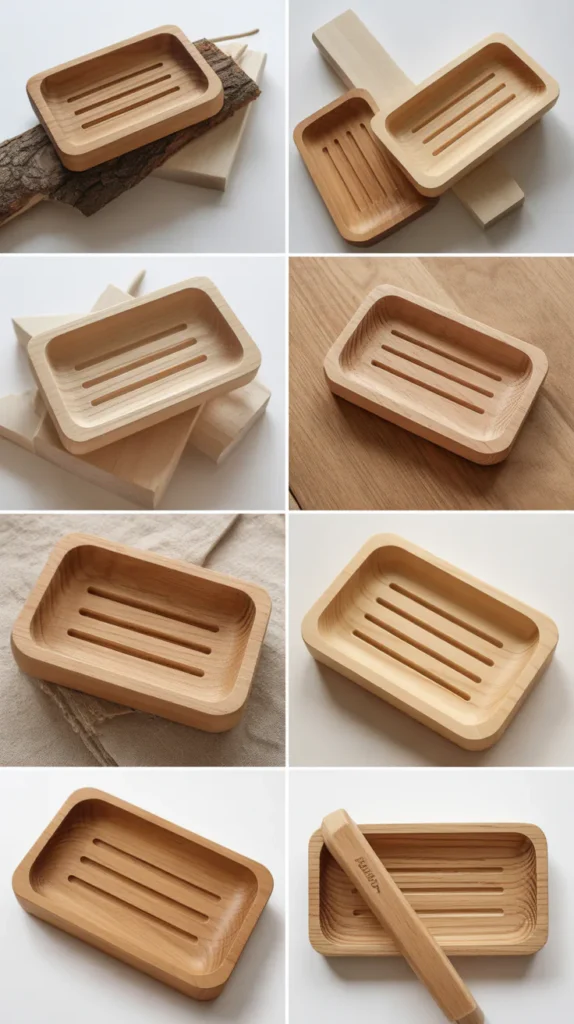
Soap dishes address the practical need for bathroom organization while elevating everyday items to decorative status.
These simple projects require minimal materials and time while producing items that appeal across demographics. The consumable nature of soap ensures customers regularly see and appreciate quality soap dishes.
Design Features
- Slotted or ridged surfaces allow water drainage extending soap life.
- Angled designs direct water away from soap efficiently.
- Raised edges contain soap while preventing counter water pooling.
- Natural water-resistant woods like teak or cedar provide durability.
- Smooth finished surfaces clean easily and resist mildew.
- Compact footprints suit small bathroom counters and sinks.
Wood Selection
- Teak naturally resists water damage and bathroom humidity.
- Cedar offers natural antimicrobial properties and pleasant aroma.
- Bamboo provides sustainable option that appeals to eco-conscious buyers.
- Proper sealing with waterproof finish extends any wood’s lifespan.
- Darker woods hide water stains better than lighter species.
- Wood species choice significantly impacts pricing and market positioning.
Market Positioning
- Basic soap dishes sell for $8-$18.
- Premium wood versions (teak, cedar) command $15-$30.
- Larger dishes or unique designs reach $20-$35.
- Sets with matching accessories increase average transaction value.
- Material costs remain low at $2-$5 per dish.
- Pairing with artisan soap creates appealing gift sets.
21. Wine Bottle Holders
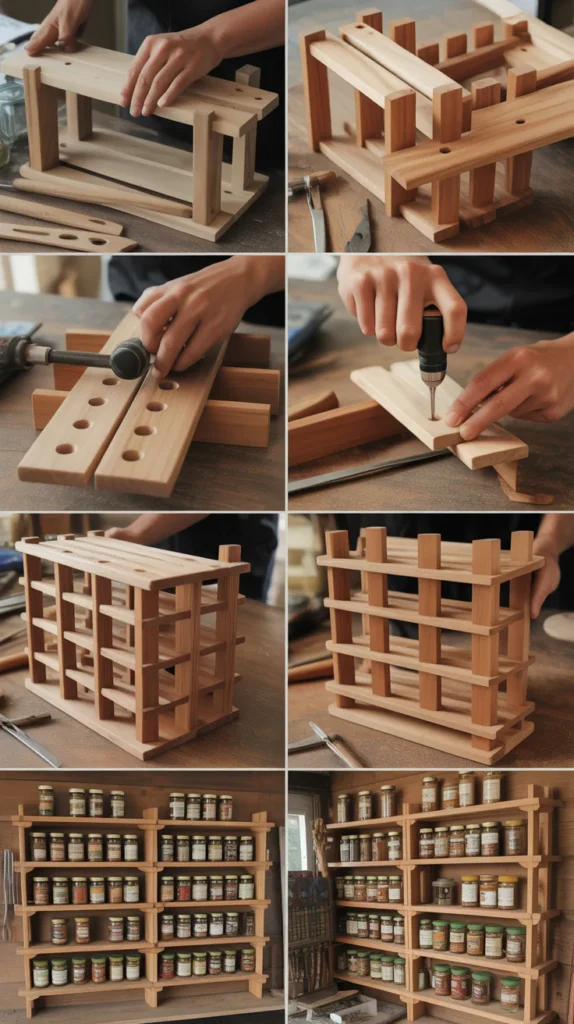
Wine bottle holders serve both functional and conversation-starter purposes in homes. These projects range from simple balancing designs to complex sculptural pieces. The novelty factor combined with wine’s social popularity creates strong gift market demand.
Design Categories
- Gravity-defying angled holders create visual interest and conversation.
- Nautical rope integrated designs appeal to coastal décor preferences.
- Sculptural figures holding bottles demonstrate artistic craftsmanship.
- Minimalist balance beam designs suit modern aesthetic preferences.
- Multi-bottle holders accommodate entertaining needs.
- Personalized engraved versions make popular wine lover gifts.
Construction Challenges
- Precise balance point calculations ensure bottles display properly.
- Adequate weight and base stability prevent tipping accidents.
- Smooth interior surfaces protect wine labels from damage.
- Durable construction supports full bottle weight safely.
- Various finishes from natural to stained match décor styles.
- Clear assembly or balance instructions help customers use products correctly.
Pricing Structure
- Simple single-bottle holders sell for $20-$40.
- Complex sculptural designs command $35-$70.
- Multi-bottle display holders reach $60-$110.
- Personalization adds $10-$20 to base pricing.
- Material costs typically represent 20-30% of selling price.
- Wine enthusiast market and gift occasions drive sales.
22. Wooden Business Card Holders
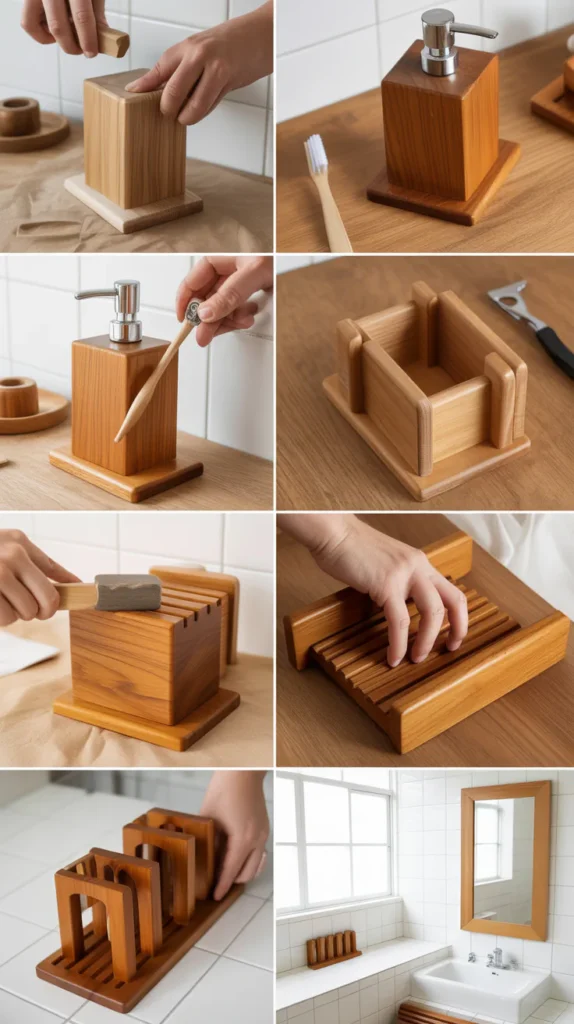
Business card holders serve professional needs while providing desk organization. These compact projects require minimal materials while producing items that professionals and businesses regularly purchase.
The corporate market offers bulk order opportunities beyond individual sales.
Design Variations
- Single slot holders suit individual professional needs.
- Multiple slot versions organize different card types or contacts.
- Desktop display stands keep cards visible and accessible.
- Pocket or wallet-sized portable holders serve networking events.
- Engraved company logos open corporate gift market.
- Combination holders with pen storage add functionality.
Professional Appeal
- Quality wooden holders project professionalism and attention to detail.
- Natural wood aesthetics complement executive office environments.
- Durable construction ensures longevity in professional settings.
- Various wood species allow matching existing desk furniture.
- Stable base prevents tipping during card removal.
- Smooth surfaces protect cards from damage or dirt.
Market Strategy
- Basic holders sell for $12-$25.
- Multi-function organizers command $20-$45.
- Custom engraved corporate versions reach $30-$60.
- Bulk corporate orders provide volume sales opportunities.
- Material costs remain minimal at $2-$5 per holder.
- Professional networking events and business expos offer direct sales channels.
23. Wooden Napkin Holders
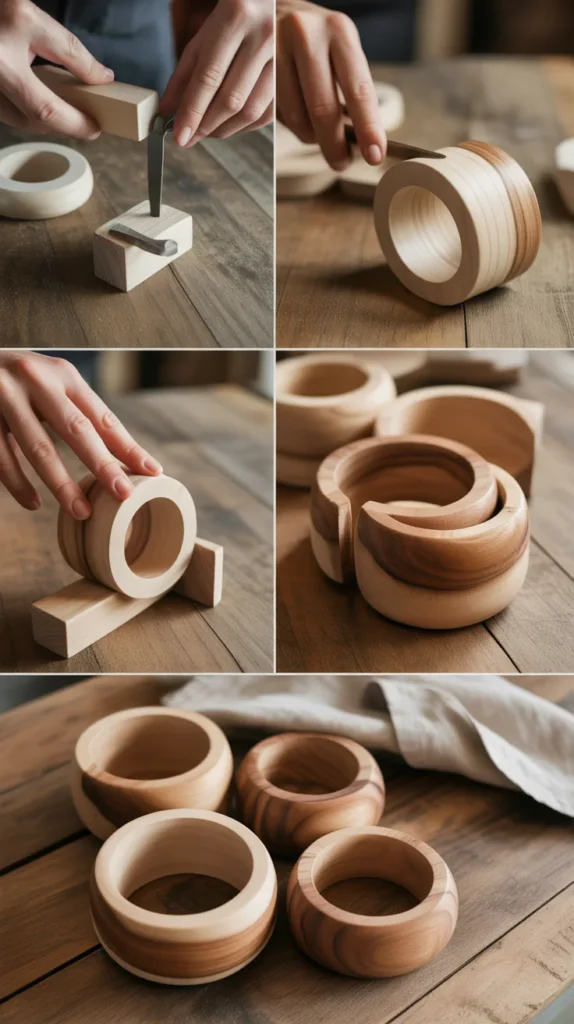
Napkin holders combine everyday functionality with dining table decoration. These projects suit beginners while producing items that customers regularly use and display. The universal need for table organization ensures consistent market demand across demographics.
Design Options
- Vertical standing holders keep napkins upright and accessible.
- Horizontal weighted designs prevent napkin scatter on outdoor tables.
- Decorative cutout patterns add visual interest to simple forms.
- Personalized family name holders create custom gift appeal.
- Seasonal designs for holidays provide year-round selling opportunities.
- Restaurant-style dispensers appeal to commercial customers.
Construction Details
- Adequate weight prevents tipping or movement during napkin removal.
- Smooth interior surfaces prevent snagging delicate napkins.
- Proper sizing accommodates both cloth and paper napkin dimensions.
- Stable base design ensures functionality on various table surfaces.
- Durable finishes withstand frequent handling and cleaning.
- Different wood species and stains match dining room décor.
Pricing Guidelines
- Simple napkin holders sell for $15-$28.
- Decorative carved versions command $25-$45.
- Personalized or specialty designs reach $30-$55.
- Material costs typically under $5-$8 per holder.
- Quick production time allows batch creation efficiency.
- Wedding registries and housewarming gifts drive consistent sales.
24. Wooden Spice Racks
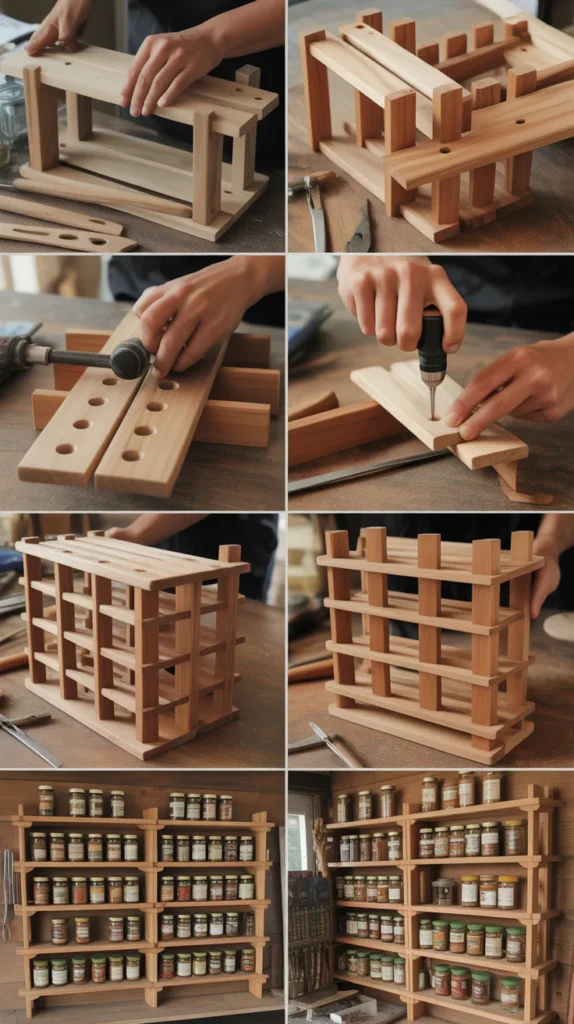
Spice racks address kitchen organization while keeping cooking essentials accessible. These functional items range from simple shelf designs to complex tiered systems.
The universal need for spice storage ensures broad market appeal across cooking enthusiasts and home cooks.
Design Configurations
- Wall-mounted racks save valuable counter space.
- Countertop versions suit renters and temporary placements.
- Tiered designs maximize vertical storage efficiently.
- Pull-down racks utilize cabinet door interior space.
- Drawer insert organizers keep spices hidden but organized.
- Rotating carousel designs provide easy access to all bottles.
Size and Capacity
- Small racks hold 12-18 standard spice bottles.
- Medium systems accommodate 24-36 bottles for serious cooks.
- Large professional-style racks manage 40+ bottles.
- Custom sizing serves specific kitchen dimensions and needs.
- Adjustable shelves accommodate various bottle heights.
- Label viewing angles ensure easy spice identification.
Market Performance
- Small spice racks sell for $25-$45.
- Medium capacity systems command $40-$75.
- Large custom racks reach $70-$130.
- Pull-down or specialty designs add 30-40% premium.
- Material costs represent approximately 25-35% of selling price.
- Kitchen renovation trends and organization movements drive demand.
25. Wooden Jewelry Displays
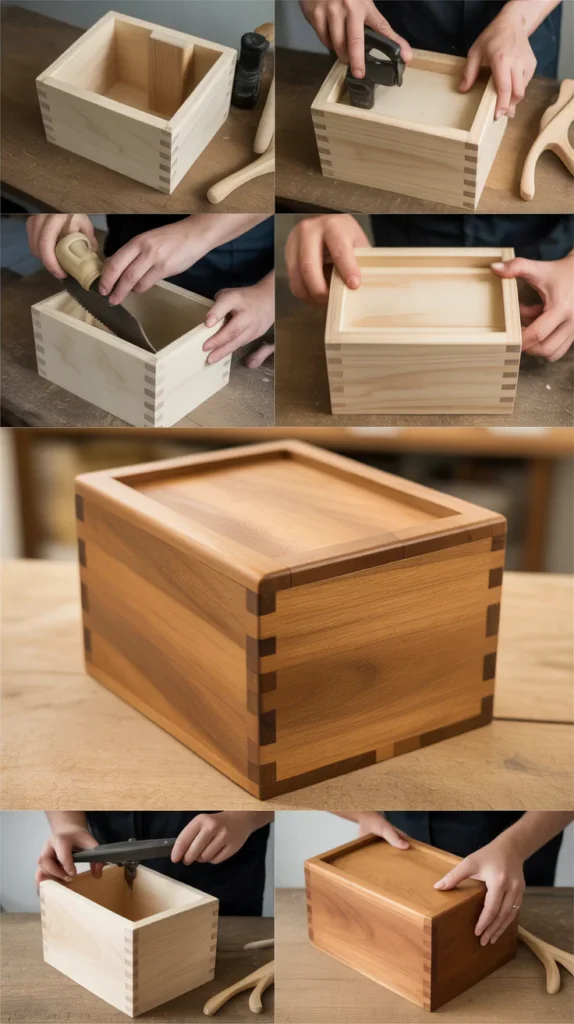
Jewelry displays serve retail shops, craft fair vendors, and home organization needs. These functional pieces showcase jewelry attractively while protecting items from damage. The dual market of personal use and small business creates diverse selling opportunities.
Display Types
- Necklace stands with vertical posts prevent tangling.
- Bracelet displays with graduated sizing showcase multiple pieces.
- Earring holders with holes or mesh accommodate various styles.
- Ring displays with slots or cones present collections attractively.
- Multi-tier stands combine various jewelry type displays.
- Portable folding displays suit craft fair vendors and markets.
Construction Features
- Velvet or felt covering protects jewelry from scratching.
- Stable weighted bases prevent tipping during browsing.
- Appropriate heights ensure jewelry displays prominently.
- Modular systems allow vendors to customize configurations.
- Compact designs facilitate transportation to selling events.
- Attractive finishes enhance jewelry presentation quality.
Pricing Strategy
- Single-purpose displays sell for $15-$35.
- Multi-function combination stands command $30-$65.
- Large vendor display systems reach $60-$120.
- Custom sizes or specialty features add premium pricing.
- Material costs typically represent 25-35% of selling price.
- Craft fair vendors and small boutiques provide bulk purchase opportunities.
26. Wooden Bottle Openers
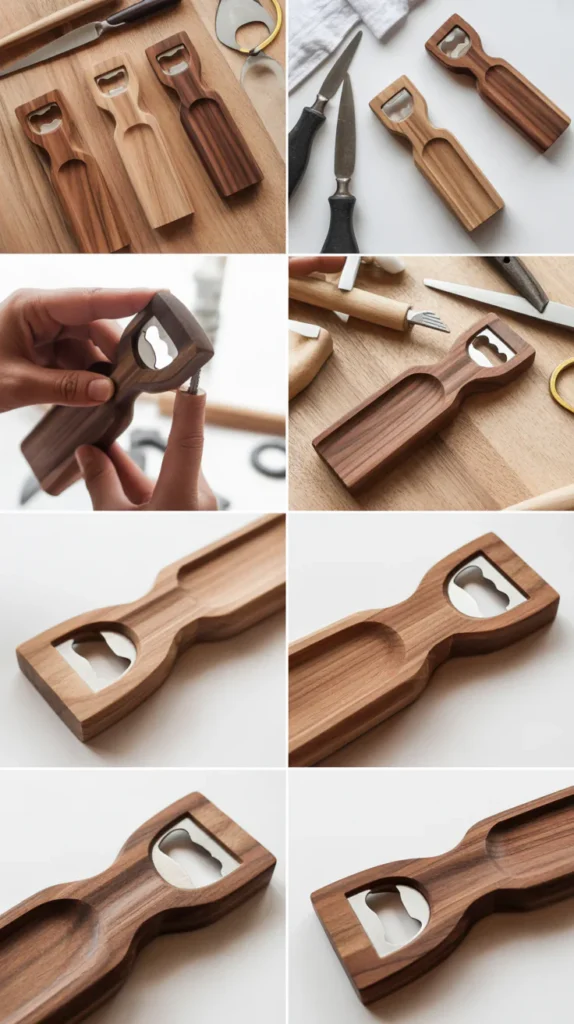
Bottle openers combine practicality with novelty, making them popular impulse purchases and gift items. These projects require minimal materials and time while producing items that appeal to beer enthusiasts and entertainers. The compact size facilitates production efficiency and versatile sales channels.
Design Options
- Wall-mounted versions with cap catchers suit home bars and patios.
- Handheld designs offer portability for picnics and tailgating.
- Novelty shapes appeal to specific interests and hobbies.
- Personalized engraving makes openers popular groomsmen gifts.
- Magnetic backs allow refrigerator mounting for convenience.
- State or regional shapes serve tourist and local pride markets.
Component Integration
- Quality metal opener hardware ensures functionality and durability.
- Recessed hardware flush with wood creates smooth handling.
- Secure hardware attachment prevents loosening with repeated use.
- Bottle cap catching containers on wall versions add convenience.
- Comfortable grip shapes prevent hand discomfort during use.
- Various finishes from natural to stained match different aesthetics.
Sales Performance
- Handheld openers sell for $8-$18.
- Wall-mounted versions command $15-$35.
- Custom engraved or specialty designs reach $20-$40.
- Wedding party sets provide bulk order opportunities.
- Material costs remain minimal at $2-$5 per opener.
- Beer festivals, sports events, and gift shops offer sales venues.
27. Wooden Pen Holders
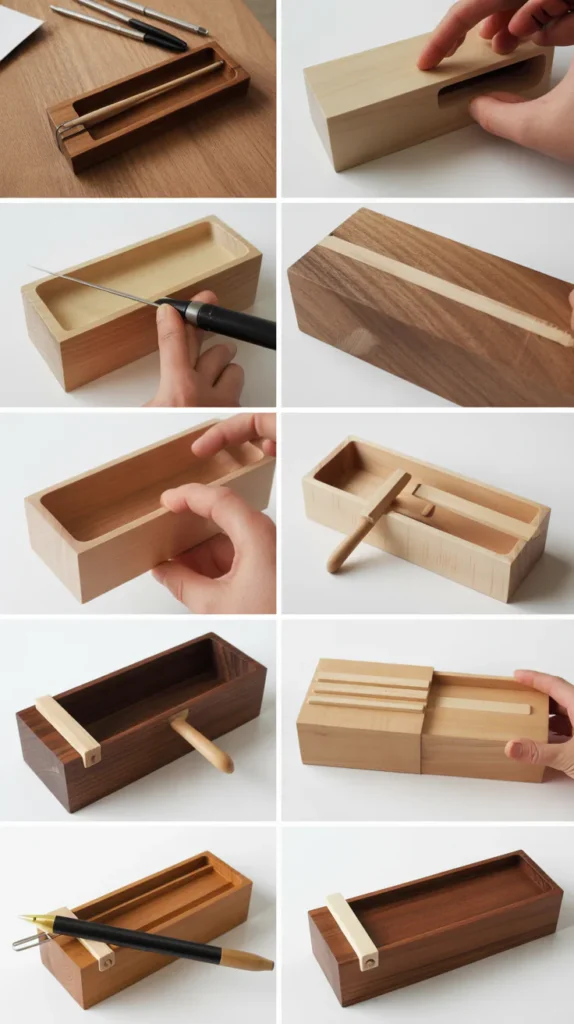
Pen holders organize desk accessories while adding decorative elements to workspaces. These straightforward projects suit beginners while producing items professionals actively purchase. The professional and student markets ensure year-round demand.
Design Features
- Multiple compartments separate different writing instrument types.
- Business card slots add functionality beyond pen storage.
- Phone stands integrate complete desk organization.
- Personalized engraving makes holders popular professional gifts.
- Weighted bases prevent tipping when removing pens.
- Various wood species match existing office furniture.
Size Variations
- Compact single-compartment holders suit minimalist desks.
- Multi-section organizers accommodate diverse office supplies.
- Executive versions with premium woods project professional status.
- Student-friendly designs balance function with affordability.
- Desktop sets combining multiple organizational pieces increase value.
- Portable versions serve students and mobile professionals.
Pricing Guidelines
- Basic pen holders sell for $12-$25.
- Multi-function organizers command $20-$45.
- Executive premium wood versions reach $35-$70.
- Personalization adds $8-$15 to base pricing.
- Material costs typically under $5-$10 per holder.
- Back-to-school season and corporate gifts drive sales peaks.
28. Wooden Trivets
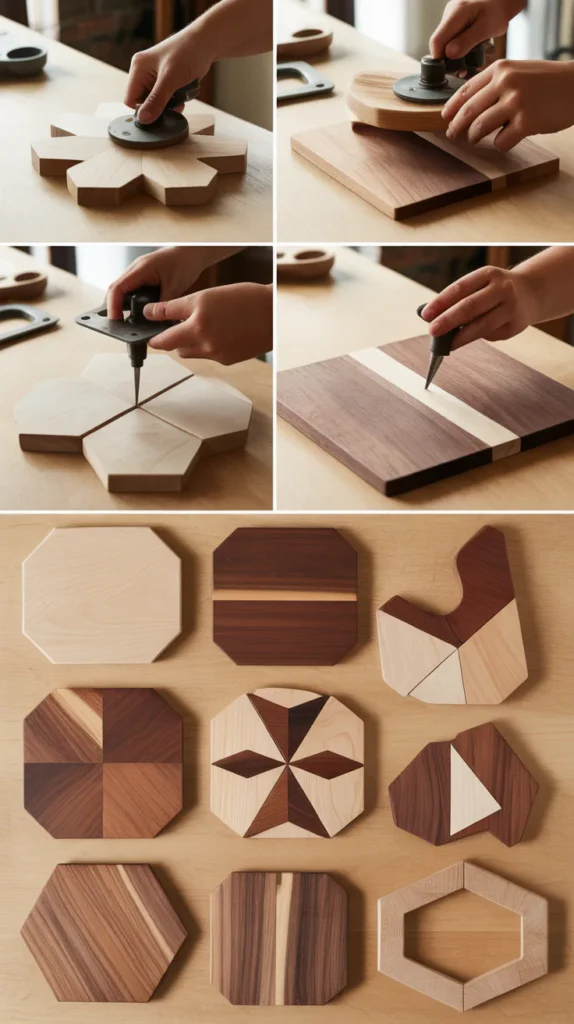
Trivets protect surfaces from hot cookware while adding decorative elements to kitchens and dining areas. These functional pieces showcase woodworking skills through various design approaches. The practical necessity ensures customers view trivets as essential rather than optional kitchen items.
Design Approaches
- Geometric patterns create visual interest through positive and negative space.
- Honeycomb or hexagonal designs provide modern aesthetic appeal.
- Tile inlay combinations mix wood with ceramic elements.
- Live edge pieces bring organic elements to contemporary kitchens.
- Expandable designs adjust to accommodate different pot sizes.
- Personalized engraving makes trivets popular housewarming gifts.
Construction Considerations
- Heat-resistant woods like oak and maple withstand high temperatures.
- Adequate thickness prevents heat transfer to protected surfaces.
- Raised feet or spacing allows air circulation preventing heat damage.
- Smooth bottom surfaces protect furniture finishes from scratching.
- Durable finishes withstand repeated heat exposure and cleaning.
- Proper sizing accommodates standard cookware dimensions.
Market Positioning
- Simple trivets sell for $15-$28.
- Decorative complex designs command $25-$45.
- Large or specialty trivets reach $35-$60.
- Sets of coordinating trivets increase average sale value.
- Material costs represent approximately 20-30% of selling price.
- Kitchen and cooking enthusiasts provide consistent customer base.
29. Wooden Photo Holders
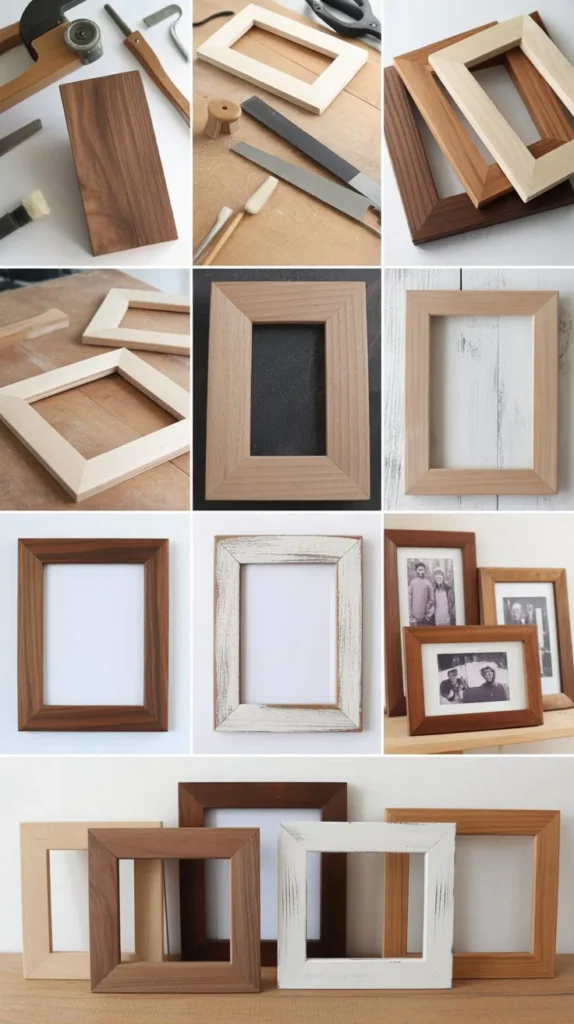
Photo holders display cherished memories while serving as desk and shelf décor. These projects range from simple single-photo stands to complex multi-photo displays. The sentimental value of photographs ensures customers view quality holders as worthy investments.
Holder Styles
- Single photo stands with base and clip suit desks and nightstands.
- Multi-photo displays showcase family collections attractively.
- Easel-style holders work for various photo sizes and orientations.
- Wall-mounted holders save surface space in small areas.
- Collage frames combine multiple photos in single piece.
- Personalized engraving enhances sentimental gift value.
Construction Details
- Stable bases prevent tipping and protect displayed photos.
- Wire or clip mechanisms hold photos securely without damage.
- Various wood species and finishes match different décor styles.
- Appropriate proportions ensure photos display as focal points.
- Smooth surfaces prevent scratching photo prints or frames.
- Versatile designs accommodate various photo sizes.
Pricing Strategy
- Single photo holders sell for $10-$22.
- Multi-photo displays command $25-$50.
- Large collage pieces reach $45-$85.
- Personalization adds $8-$15 premium to base pricing.
- Material costs typically under $5-$8 per holder.
- Gift occasions and family milestones drive consistent sales.
30. Wooden Recipe Book Stands
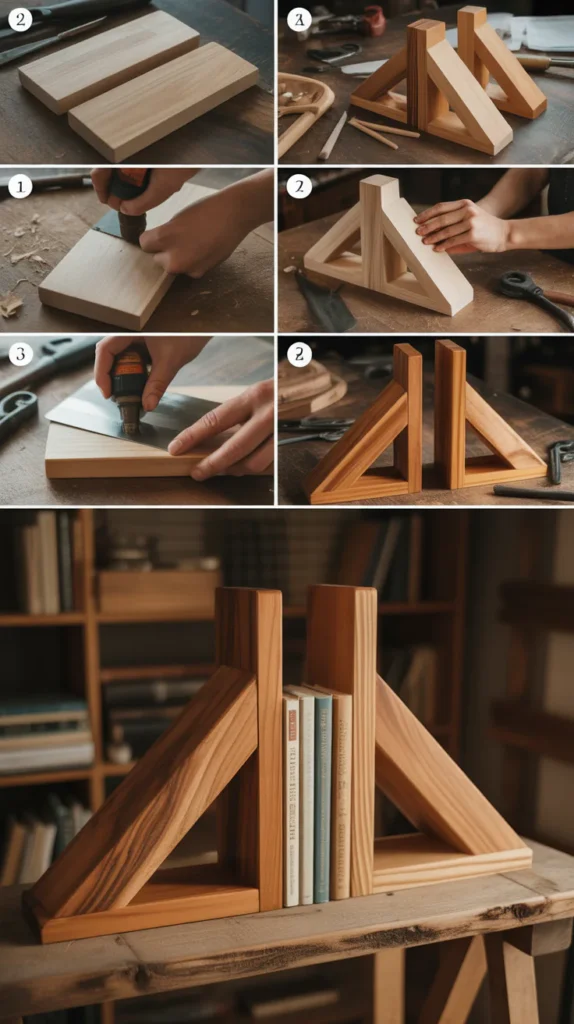
Recipe book stands keep cookbooks accessible and protected during meal preparation. These functional kitchen accessories appeal to home cooks and cooking enthusiasts. The practical design addresses real cooking challenges while adding decorative elements to kitchens.
Design Features
- Adjustable angles accommodate comfortable reading positions.
- Page holders prevent books from closing during cooking.
- Splash guards protect books from cooking splatters.
- Tablet compatibility expands functionality for digital recipes.
- Drawer or storage area holds recipe cards or cooking notes.
- Stable base prevents tipping under cookbook weight.
Functionality Considerations
- Adequate size accommodates standard cookbook dimensions.
- Easy angle adjustment allows single-hand operation while cooking.
- Smooth mechanisms prevent pinched fingers during adjustment.
- Easy-clean surfaces withstand kitchen environment exposure.
- Non-slip base prevents movement during page turning.
- Foldable designs facilitate storage when not in use.
Market Performance
- Basic recipe stands sell for $25-$45.
- Adjustable feature versions command $35-$65.
- Large multi-function stands reach $55-$95.
- Tablet-compatible designs add premium of 20-30%.
- Material costs represent approximately 25-35% of selling price.
- Cooking enthusiasts and gift buyers provide steady demand.
31. Wooden Garden Markers
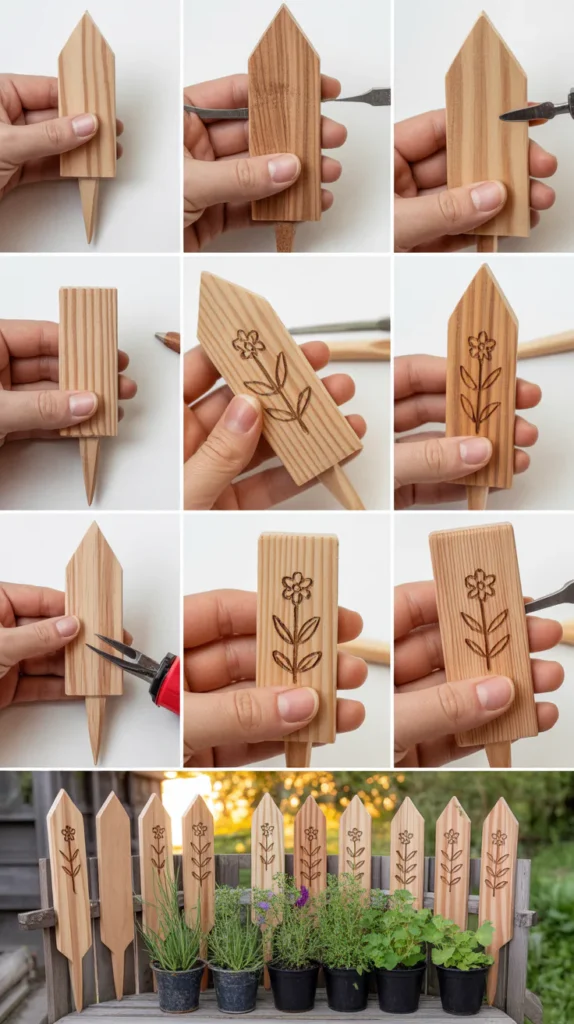
Garden markers help organize vegetable gardens and label plant varieties. These simple projects serve functional outdoor needs while allowing creative expression.
The gardening market’s seasonal nature creates predictable selling cycles with strong spring demand.
Design Options
- Simple stake markers with writing surface suit vegetable gardens.
- Decorative shapes (vegetables, herbs) add visual garden interest.
- Weatherproof engraved versions provide permanent identification.
- Chalkboard paint surfaces allow seasonal rewriting.
- Herb garden sets target kitchen gardening enthusiasts.
- Personalized family garden signs create custom gift appeal.
Weather Resistance
- Cedar and redwood provide natural rot resistance outdoors.
- Waterproof finishes protect markers from rain and irrigation.
- Buried portions benefit from additional sealer applications.
- Engraving or burning creates permanent text that won’t fade.
- Adequate thickness prevents breaking when inserting in soil.
- Annual resealing extends marker lifespan significantly.
Pricing Structure
- Individual markers sell for $3-$8 depending on complexity.
- Vegetable garden sets (10-15 markers) command $30-$60.
- Herb garden sets typically sell for $20-$40.
- Custom engraved versions add premium of $2-$5 per marker.
- Material costs remain low at under $1-$2 per marker.
- Spring planting season drives majority of annual sales.
32. Wooden Baby Name Signs
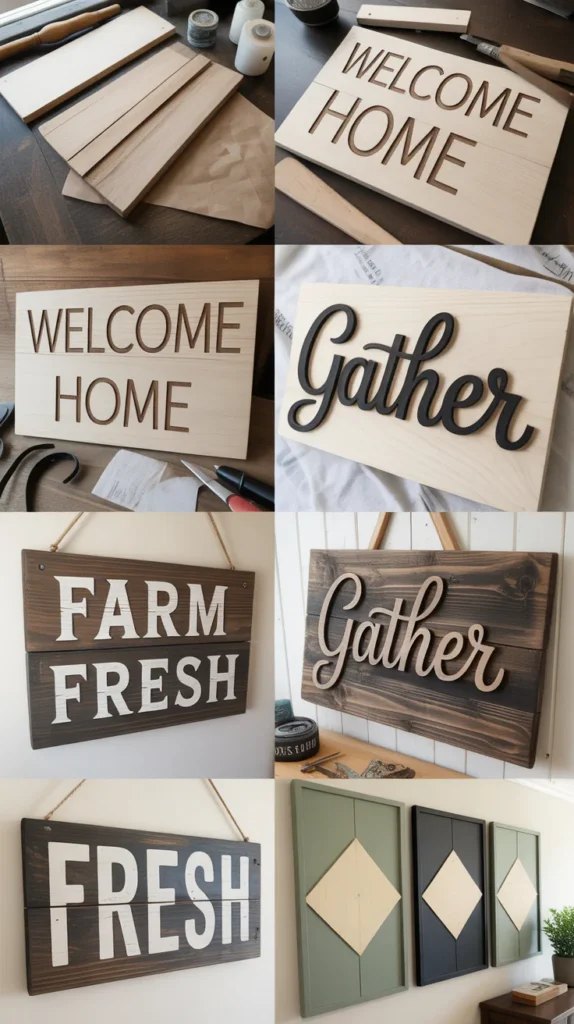
Baby name signs commemorate births and nursery décor while serving as cherished keepsakes. These personalized items command premium pricing due to customization and sentimental value. The gift market around births ensures consistent year-round demand.
Design Elements
- Hand-painted lettering creates unique, artisanal appearance.
- Laser or scroll-cut names provide precise, professional finish.
- Decorative elements (stars, animals, hearts) enhance visual appeal.
- Birth date and statistics integration creates comprehensive keepsake.
- Various color schemes match different nursery themes.
- Size options accommodate above-crib placement or door mounting.
Customization Features
- Multiple font choices allow matching parents’ aesthetic preferences.
- Color customization coordinates with nursery décor schemes.
- Themed designs (woodland, nautical, celestial) target specific styles.
- Sibling name sets create cohesive children’s room décor.
- Textured or dimensional letters add premium appeal.
- Protective finish ensures longevity as treasured keepsake.
Market Positioning
- Small name signs (12-18 inches) sell for $30-$55.
- Medium signs with details (20-30 inches) command $50-$90.
- Large statement pieces with statistics reach $80-$140.
- Additional decorative elements add $15-$30 to base pricing.
- Material costs typically represent 20-30% of selling price.
- Baby shower and birth announcements drive predictable sales cycles.
33. Wooden Monitor Stands
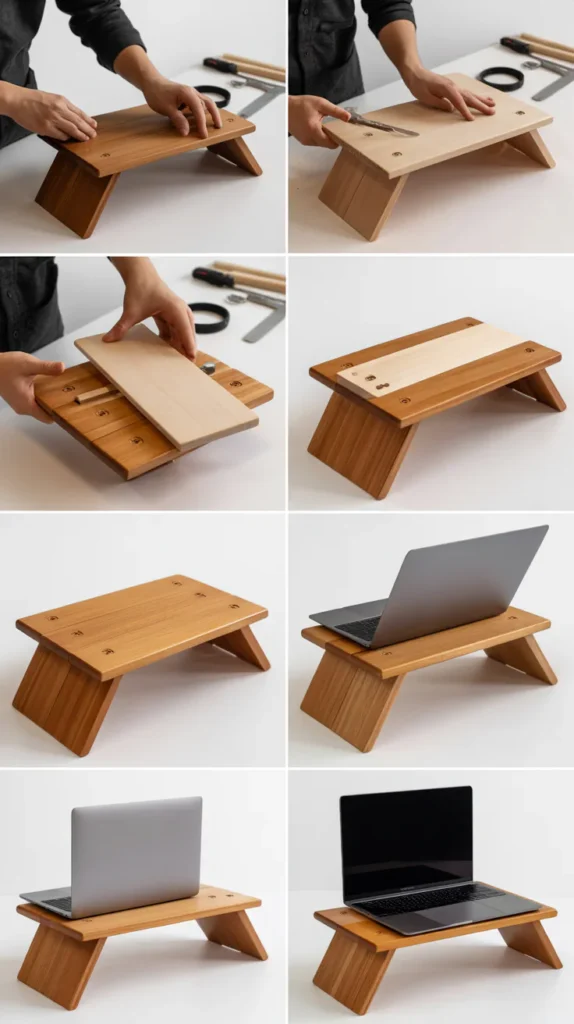
Monitor stands improve workspace ergonomics while organizing desk space beneath screens. These functional pieces appeal to remote workers and office professionals seeking better work environments. The health and productivity benefits justify premium pricing to customers.
Ergonomic Features
- Appropriate height elevation positions monitors at optimal eye level.
- Multiple height options accommodate different user body dimensions.
- Wide platforms support various monitor sizes and weights.
- Cable management features organize cords for clean appearance.
- Storage space beneath maximizes limited desk real estate.
- Stable construction prevents wobbling during typing activities.
Design Variations
- Simple platform stands offer minimalist aesthetic appeal.
- Drawer integrated versions add storage functionality.
- Multi-tier stands accommodate monitor plus accessories.
- Corner versions maximize space efficiency in small offices.
- Adjustable height models serve multiple users or positions.
- Desk organizer combinations create complete workspace solutions.
Pricing Guidelines
- Basic monitor stands sell for $35-$65.
- Storage-integrated versions command $55-$95.
- Large or multi-function stands reach $80-$140.
- Premium hardwoods add 30-40% to base pricing.
- Material costs represent approximately 25-35% of selling price.
- Remote work trends maintain strong consistent demand.
34. Wooden Succulent Planters
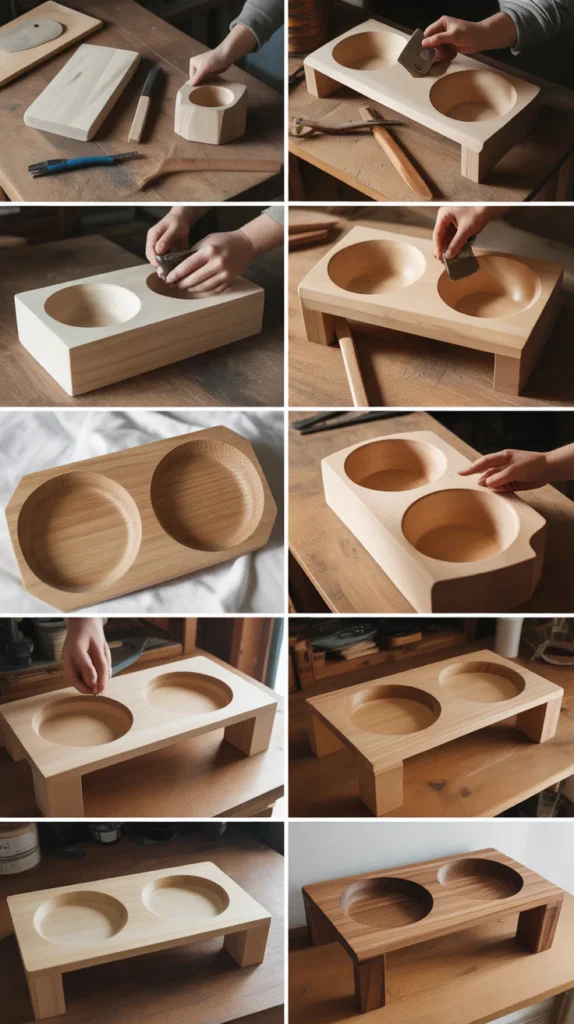
Succulent planters capitalize on the indoor plant trend while offering compact decorative items. These small planters suit various display locations from desks to shelves. The low-maintenance nature of succulents combined with attractive wooden containers creates appealing product combinations.
Design Options
- Small individual planters suit desk and shelf displays.
- Geometric shapes appeal to modern and minimalist aesthetics.
- Rustic boxes work well for farmhouse décor preferences.
- Long rectangular planters accommodate multiple succulent arrangements.
- Tiered displays create vertical garden interest.
- Personalized engraving makes planters popular gifts.
Construction Details
- Drainage holes or gravel layers prevent water accumulation.
- Waterproof liners protect wood from moisture damage.
- Adequate depth accommodates succulent root systems.
- Stable bases prevent tipping on shelves and surfaces.
- Various finishes from natural to painted match décor styles.
- Smooth interior surfaces facilitate planting and maintenance.
Market Strategy
- Small single planters sell for $12-$25.
- Medium sized boxes command $20-$40.
- Large or multi-plant displays reach $35-$70.
- Including succulents increases value and convenience for customers.
- Material costs typically under $5-$10 per planter.
- Plant enthusiast and gift markets drive consistent sales.
35. Wooden Wall Hooks
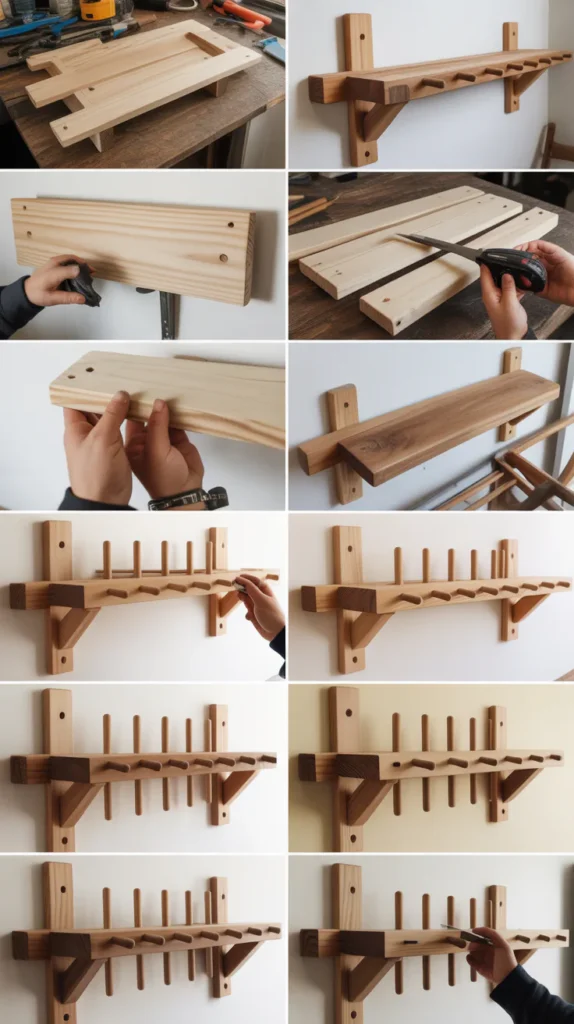
Wall hooks provide functional storage while serving as decorative elements in entryways and rooms. These simple projects require minimal materials while producing items with universal appeal. The variety of design options allows creativity while maintaining straightforward construction.
Hook Styles
- Individual decorative hooks suit scattered wall placement.
- Multi-hook boards provide organized storage solutions.
- Branch or driftwood hooks bring natural elements indoors.
- Geometric modern hooks appeal to contemporary design preferences.
- Animal or novelty shapes work well for children’s rooms.
- Industrial combinations mix wood with metal pipe elements.
Hardware and Installation
- Heavy-duty hooks support coat and bag weight safely.
- Secure wall mounting prevents pulling away under load.
- Various metal finishes (brass, black, bronze) match aesthetics.
- Pre-drilled mounting holes simplify customer installation.
- Anchors or mounting instructions ensure proper secure attachment.
- Smooth wood finish prevents snagging delicate fabrics.
Pricing Structure
- Individual decorative hooks sell for $8-$18.
- Multi-hook boards command $25-$50.
- Specialty designs or large pieces reach $40-$80.
- Material costs including hardware represent 25-35% of selling price.
- Quick production time allows batch creation efficiency.
- Moving seasons and home organization trends drive sales peaks.
36. Wooden Bath Caddies
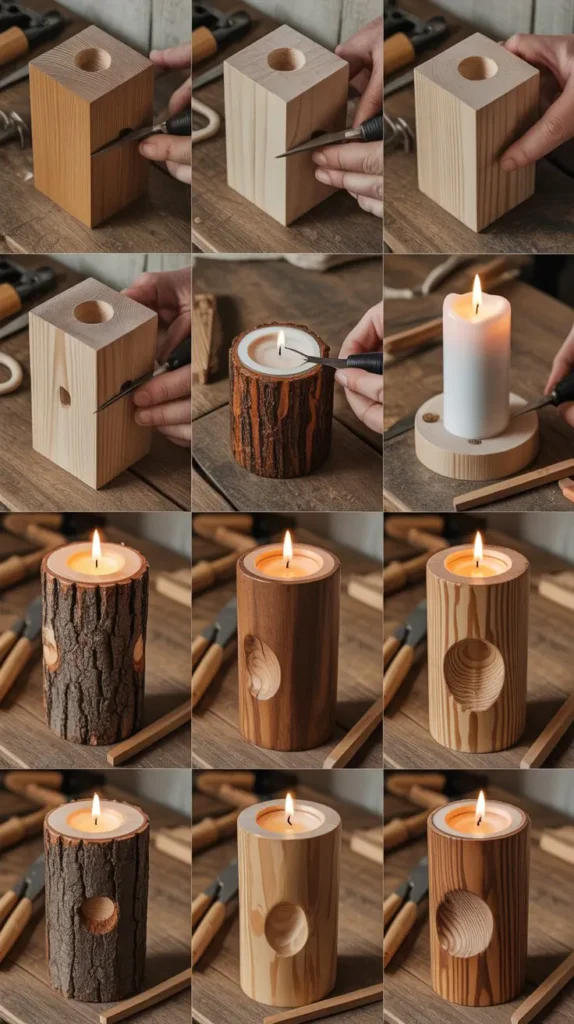
Bath caddies transform bathtubs into spa-like experiences while organizing bathing essentials. These functional items appeal to self-care enthusiasts and gift buyers seeking luxury items. The home spa trend ensures consistent demand for quality bath accessories.
Design Features
- Adjustable width accommodates various bathtub dimensions.
- Book or tablet holders keep reading materials dry and accessible.
- Wine glass or cup slots prevent beverage spills.
- Candle spaces create ambient relaxation atmosphere.
- Soap and product storage keeps essentials within reach.
- Non-slip grip pads prevent shifting during bath use.
Wood Selection
- Water-resistant species like teak withstand humid bathroom environments.
- Bamboo offers sustainable option with natural water resistance.
- Proper sealing protects wood from constant moisture exposure.
- Darker woods hide water stains better than lighter species.
- Durable construction supports weight of multiple items safely.
- Smooth finished surfaces clean easily and resist mildew.
Market Performance
- Basic bath caddies sell for $35-$65.
- Feature-rich versions command $55-$95.
- Premium wood luxury caddies reach $80-$150.
- Material costs represent approximately 30-40% of selling price.
- Self-care and relaxation trends drive consistent demand.
- Mother’s Day and Valentine’s Day create seasonal sales peaks.
37. Wooden Desk Organizers
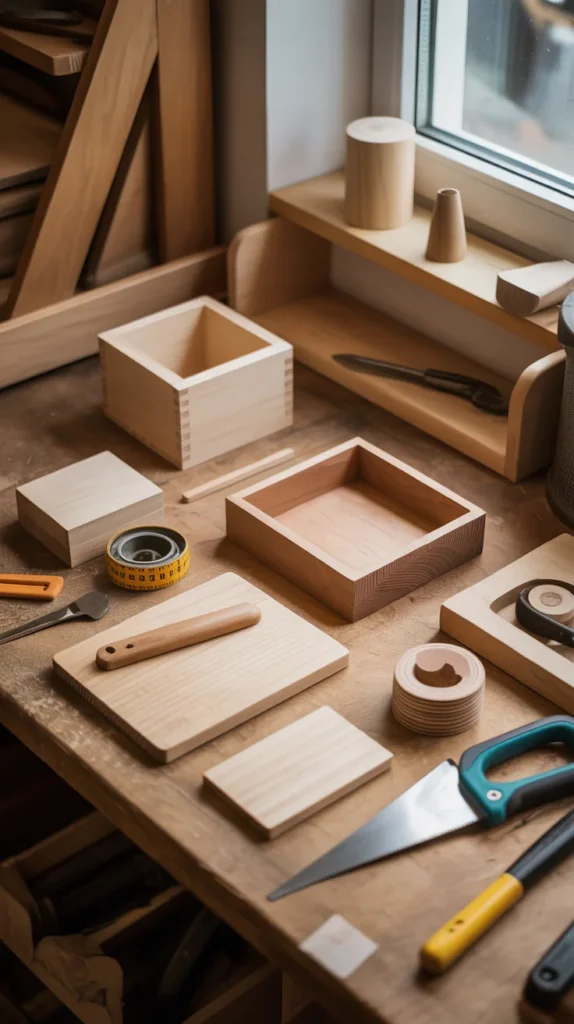
Desk organizers tame workspace clutter while adding decorative elements to home offices. These functional pieces combine multiple organizational features in single units. The remote work explosion has created sustained demand for quality office organization products.
Compartment Configurations
- Pen and pencil holders provide designated spaces for writing instruments.
- Paper trays organize documents and mail vertically.
- Small drawers store paper clips, stamps, and miscellaneous items.
- Phone stands integrate device charging with organization.
- Business card slots keep networking materials accessible.
- Sticky note dispensers add convenient functionality.
Design Considerations
- Compact footprints maximize organization without consuming desk space.
- Multiple compartment sizes accommodate various office supplies.
- Stable construction prevents tipping when removing items.
- Smooth interiors protect items from damage or snagging.
- Various wood species and finishes match office furniture.
- Modular designs allow customization to specific needs.
Pricing Guidelines
- Simple organizers sell for $25-$45.
- Multi-compartment versions command $40-$75.
- Large comprehensive systems reach $70-$130.
- Premium woods or complex features add 30-50% pricing premium.
- Material costs typically represent 25-35% of selling price.
- Professional and student markets provide year-round demand.
Conclusion
Easy 37 Small Wood Projects to Sell Fast provides you with a comprehensive roadmap to transform your woodworking hobby into a profitable business venture
. Each of these carefully selected projects balances market demand with construction feasibility, ensuring that woodworkers at various skill levels can find suitable options to begin generating income.
The diversity of projects—from simple coasters requiring minimal investment to more complex furniture pieces commanding premium prices—allows you to match your current capabilities while progressively building skills and inventory.
Success in selling woodcrafts depends not only on craftsmanship quality but also on understanding your target market, pricing competitively while maintaining healthy margins, and choosing appropriate sales channels whether online marketplaces, craft shows, or local boutiques.
The beauty of these projects lies in their proven market appeal and the reality that customers actively search for handcrafted wooden items that offer quality and uniqueness impossible to find in mass-produced alternatives.
By starting with projects that align with your skill level and gradually expanding your offerings, you can build a sustainable woodworking business that generates consistent income while allowing creative expression.
Remember that consistent quality, excellent customer service, and strategic marketing will differentiate your products in competitive markets, helping you establish a reputation that generates repeat customers and referrals.
The woodworking market continues growing as consumers increasingly value handmade goods, sustainable materials, and supporting small makers, positioning you perfectly to capitalize on these favorable trends with the projects outlined in this guide.
