

Colored hair transforms your look but demands special attention to maintain its vibrancy and health.
Whether you’ve recently dyed your hair or are planning a color change, understanding proper care techniques is crucial for long-lasting, beautiful results.
This comprehensive guide covers essential strategies from pre-coloring preparation to daily maintenance routines.
You’ll discover professional secrets for preserving color intensity, preventing damage, and keeping your hair healthy throughout your color journey.
From choosing the right products to timing your washes perfectly, these ten must-know tips will help you maintain salon-quality colored hair at home while avoiding common mistakes that lead to fading and damage.
1. Pre-Color Hair Preparation
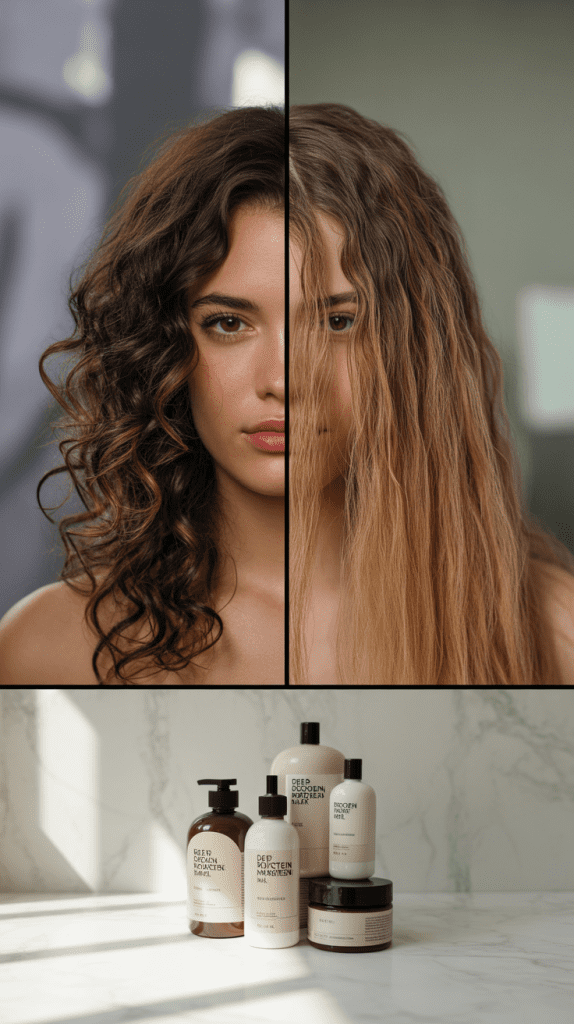
Proper preparation before coloring sets the foundation for better color results and healthier hair throughout the process.
Your hair’s condition before coloring directly impacts how well it accepts and retains the new color.
Taking time to prepare your hair can prevent damage and ensure more vibrant, longer-lasting results.
- Stop washing your hair 24-48 hours before coloring to allow natural oils to protect your scalp
- Apply a deep conditioning treatment one week before your color appointment to strengthen hair strands
- Avoid using clarifying shampoos or harsh treatments that strip natural oils from your hair
- Trim split ends before coloring to prevent further damage during the chemical process
- Conduct a strand test to check how your hair reacts to the chosen color formula
- Ensure your hair is free from heavy product buildup that could interfere with color absorption
- Consider your hair’s porosity level as it affects how color penetrates and holds
2. Choosing Color-Safe Shampoo and Conditioner
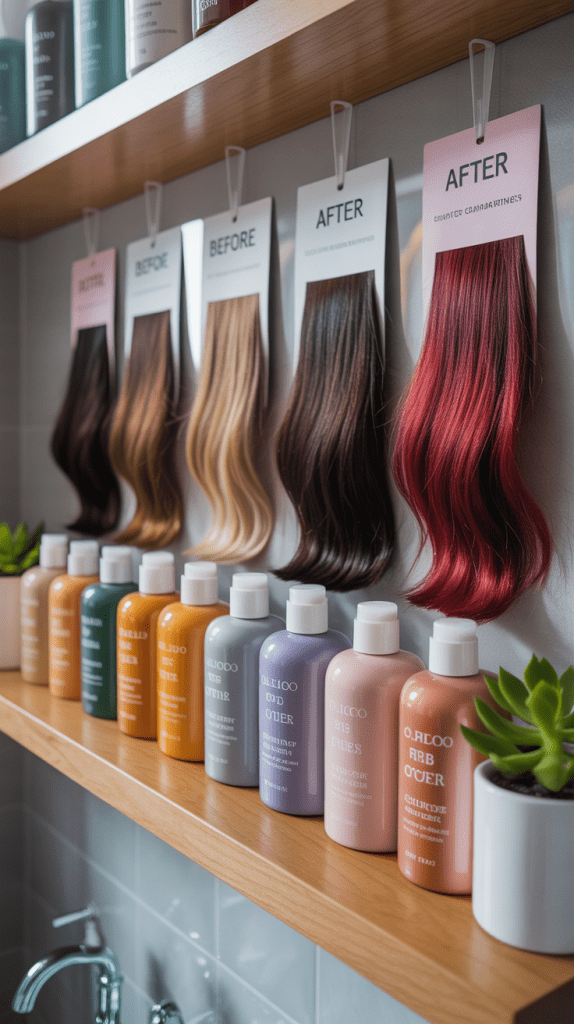
The foundation of colored hair care lies in selecting products specifically formulated to preserve and protect your color investment.
Color-safe formulations contain gentler cleansing agents that won’t strip away color molecules from your hair shaft.
These specialized products also include ingredients that help seal the hair cuticle and lock in color pigments.
- Look for sulfate-free formulas that cleanse without stripping color molecules from hair
- Choose products with UV protection to shield your hair from sun-induced color fading
- Select pH-balanced formulas that help seal hair cuticles and lock in color pigments
- Avoid shampoos containing sodium lauryl sulfate or sodium laureth sulfate which are harsh detergents
- Read ingredient lists for color-protecting components like antioxidants and amino acids
- Consider your specific color type when selecting products as different shades have different needs
- Invest in salon-quality products that offer superior color protection compared to drugstore alternatives
- Replace your products every 6-8 weeks as formulations can lose effectiveness over time
3. Water Temperature and Washing Frequency
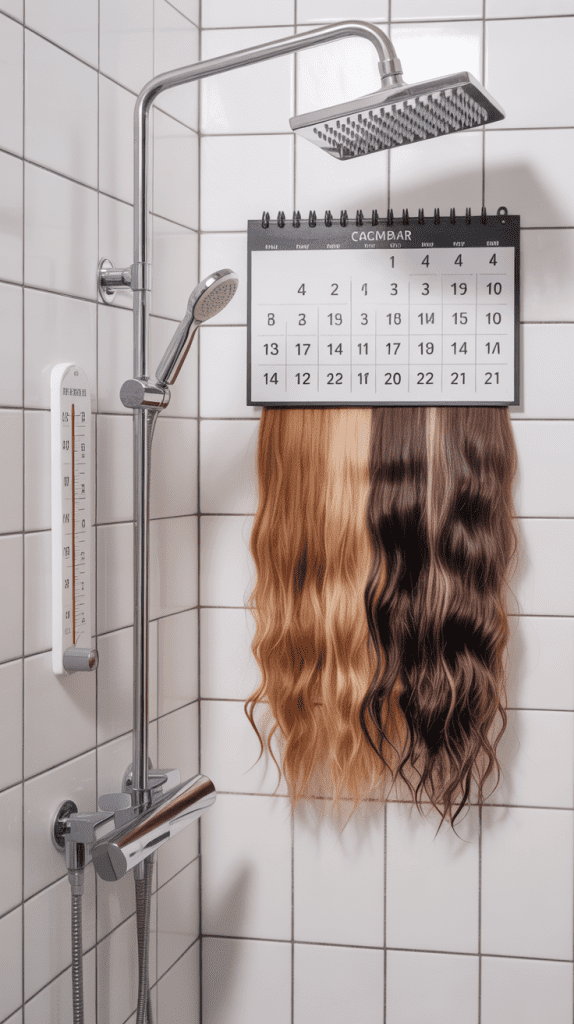
Water temperature and how often you wash colored hair significantly impact color retention and overall hair health.
Hot water opens the hair cuticle, allowing color molecules to escape more easily.
Understanding the relationship between washing habits and color longevity helps you develop an effective maintenance routine.
- Wash your hair with lukewarm or cool water to keep hair cuticles closed and color locked in
- Limit washing to 2-3 times per week to prevent unnecessary color fade from frequent cleansing
- Use dry shampoo between washes to absorb oil and extend the time between washing sessions
- Rinse with the coolest water temperature you can comfortably tolerate for maximum color protection
- Apply a leave-in conditioner after washing to provide additional color protection and moisture
- Consider your lifestyle and hair type when determining optimal washing frequency for your needs
- Use a microfiber towel or cotton t-shirt to gently squeeze out excess water without rough rubbing
4. Deep Conditioning Treatments
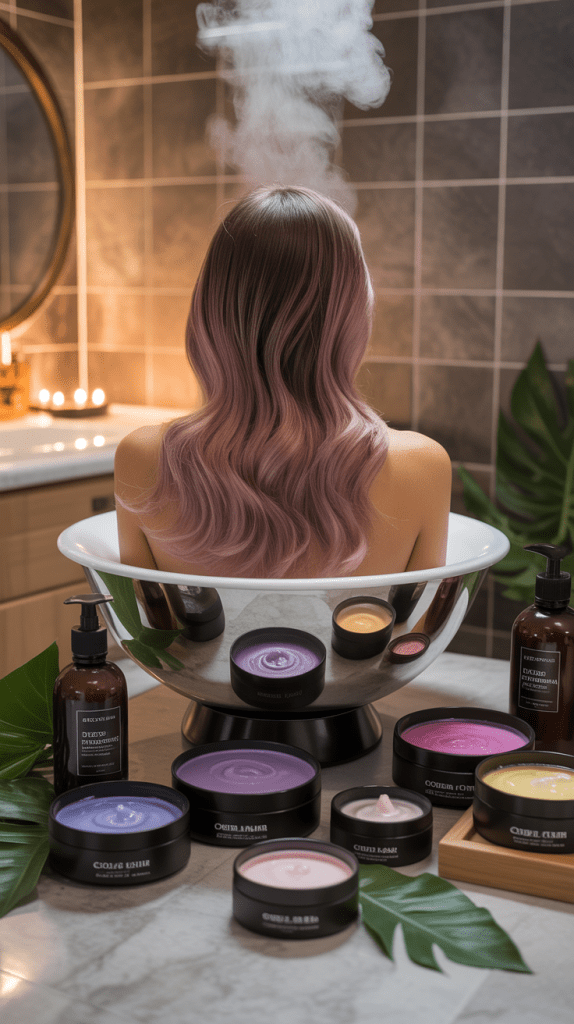
Regular deep conditioning treatments are essential for maintaining the health and vibrancy of colored hair.
Chemical processing from hair dye can compromise your hair’s natural moisture barrier, making it more porous and prone to damage.
Intensive conditioning helps restore strength, elasticity, and shine while creating a protective barrier around each hair strand.
- Apply a deep conditioning mask once or twice weekly to restore moisture and protein balance
- Look for treatments containing keratin, argan oil, or coconut oil for intensive hair repair
- Leave conditioning treatments on for the recommended time to allow maximum penetration
- Focus application on mid-lengths and ends where hair is typically most damaged and porous
- Use protein treatments monthly if your hair feels weak or stretchy when wet
- Choose treatments specifically designed for color-treated hair to avoid ingredient conflicts
- Consider overnight treatments for severely damaged or over-processed colored hair
- Heat can enhance treatment effectiveness so use a shower cap or warm towel during application
5. Heat Protection and Styling Safety
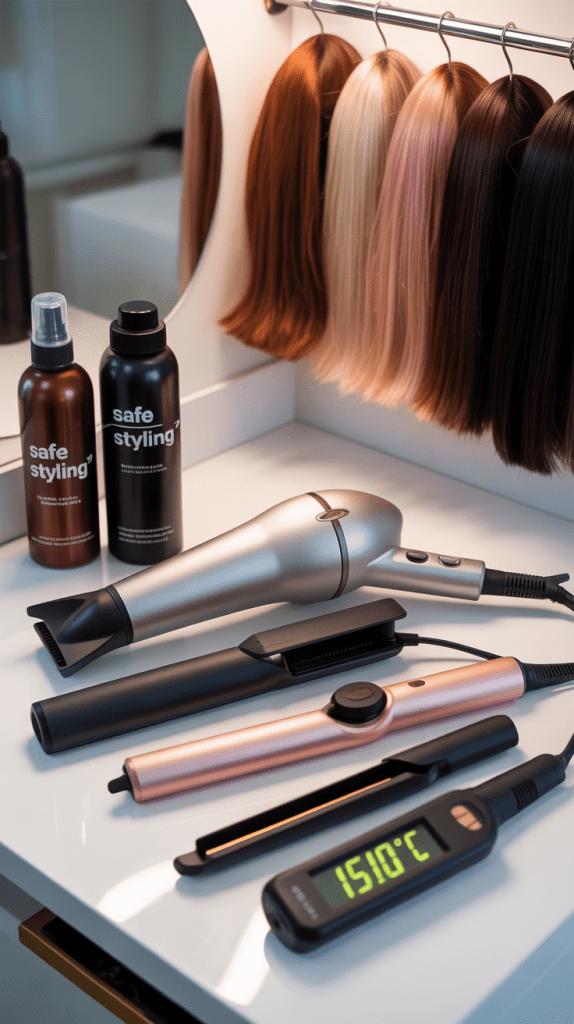
Heat styling tools can significantly accelerate color fading and cause additional damage to already-processed hair.
Protecting your colored hair from excessive heat while maintaining your desired style requires strategic product use and modified styling techniques.
Understanding how heat affects colored hair helps you make informed decisions about your styling routine.
- Always apply a heat protectant product before using any heated styling tools on your hair
- Lower the temperature settings on your styling tools to prevent excessive heat damage
- Use ionic or ceramic tools that distribute heat more evenly and cause less damage
- Allow hair to air dry partially before using heat styling tools to reduce exposure time
- Invest in professional-grade tools with adjustable temperature controls for better heat management
- Take breaks between heat styling sessions to allow your hair time to recover
- Consider heat-free styling methods like braiding, twisting, or using foam rollers for curl creation
- Replace old styling tools that may have hot spots or uneven heat distribution
6. UV Protection for Colored Hair

Sun exposure is one of the leading causes of premature color fading and hair damage.
UV rays break down color molecules in your hair, causing vibrant shades to become dull and brassy over time.
Protecting your colored hair from sun damage requires consistent use of UV-blocking products and strategic coverage methods.
- Apply UV protection hair products before going outside, especially during peak sun hours
- Wear wide-brimmed hats or scarves to physically shield your hair from direct sunlight
- Look for leave-in treatments and styling products that contain SPF specifically for hair
- Limit direct sun exposure during the strongest UV hours between 10 AM and 4 PM
- Rinse your hair with fresh water immediately after swimming in chlorinated pools or saltwater
- Consider protective hairstyles like braids or buns when spending extended time outdoors
- Reapply UV protection products throughout the day, especially if you’re swimming or sweating
- Use color-depositing treatments to refresh faded color caused by sun exposure
7. Color-Depositing Products and Maintenance
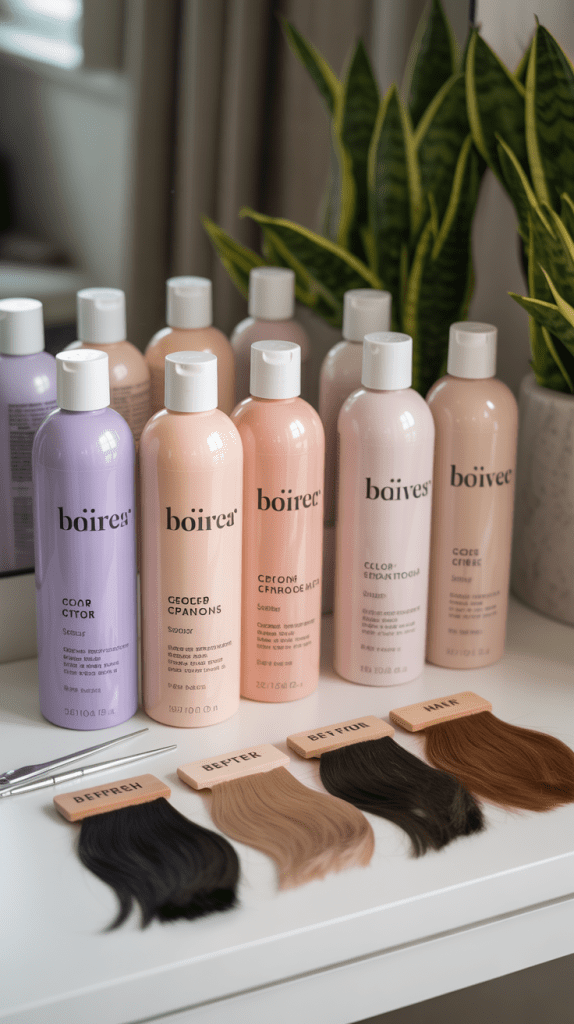
Color-depositing products help maintain and refresh your hair color between salon visits.
These products contain small amounts of pigment that gradually build up on your hair shaft, helping to counteract fading and maintain color vibrancy.
Understanding how to use these products effectively can significantly extend the life of your professional color service.
- Use color-depositing shampoos and conditioners 1-2 times per week to refresh fading color
- Choose products that match your current hair color or desired tone to avoid unwanted color shifts
- Apply color-depositing treatments to clean, damp hair for best absorption and even distribution
- Leave products on for the recommended time to allow pigments to penetrate effectively
- Start with less frequent use and gradually increase if needed to avoid color buildup
- Wear gloves when applying color-depositing products to prevent staining your hands
- Test new products on a small, hidden section first to ensure desired color results
- Combine different color-depositing products to create custom shades that match your hair perfectly
8. Professional Maintenance Schedule
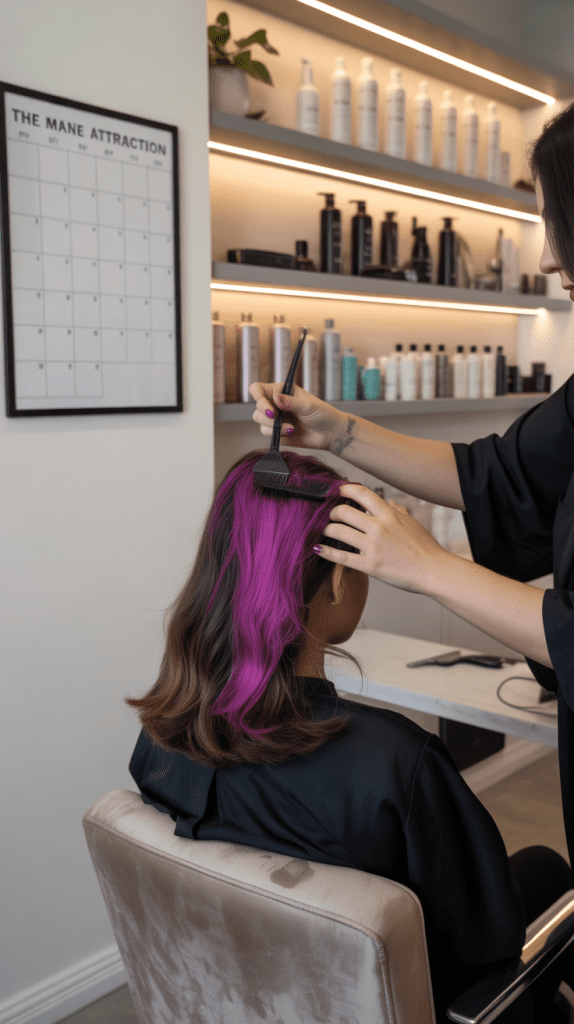
Establishing a regular professional maintenance schedule ensures your colored hair stays healthy and vibrant long-term.
Professional colorists can assess your hair’s condition, refresh your color, and provide treatments that aren’t available for at-home use.
Regular salon visits prevent minor issues from becoming major problems.
- Schedule touch-up appointments every 6-8 weeks for root maintenance and overall color refresh
- Book glossing treatments every 4-6 weeks to add shine and enhance color vibrancy
- Plan for full color services every 12-16 weeks depending on your hair growth and color type
- Discuss your hair goals and concerns with your colorist during each visit for personalized care
- Ask about professional treatments like Olaplex or similar bond-building services for hair health
- Keep a hair diary to track which products and treatments work best for your colored hair
- Schedule appointments in advance to maintain consistency in your hair care routine
- Consider seasonal color adjustments to keep your look fresh and current with trends
9. Nighttime Hair Care Routine
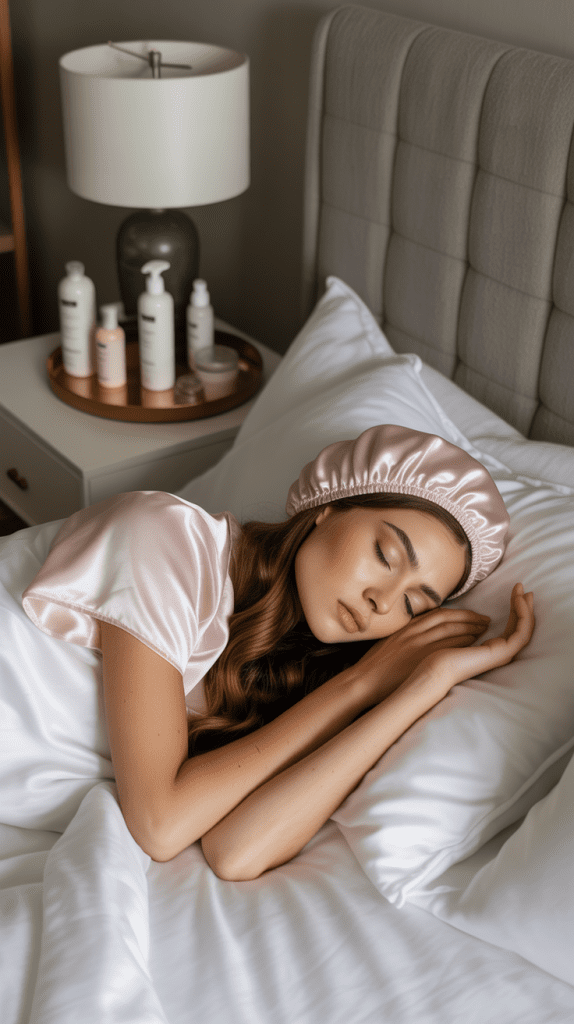
Your nighttime routine plays a crucial role in maintaining colored hair health and preventing damage while you sleep.
Friction from pillowcases and tossing and turning can cause color fading and hair breakage.
Developing protective nighttime habits helps preserve your color investment and keeps your hair looking salon-fresh longer.
- Sleep on silk or satin pillowcases to reduce friction and prevent color-stripping while you rest
- Braid your hair loosely or put it in a silk scrunchie to minimize tangling and breakage
- Apply a small amount of hair oil to the ends before bed for overnight moisture and protection
- Use a silk or satin sleep bonnet or scarf to completely protect your hair from friction
- Avoid going to bed with wet hair as it’s more fragile and prone to damage when wet
- Keep your hair off your face with a loose top knot if you use skincare products at night
- Replace cotton pillowcases regularly as they can absorb moisture and create friction
- Consider using a humidifier in your bedroom to prevent hair from becoming too dry overnight
10. Common Mistakes to Avoid
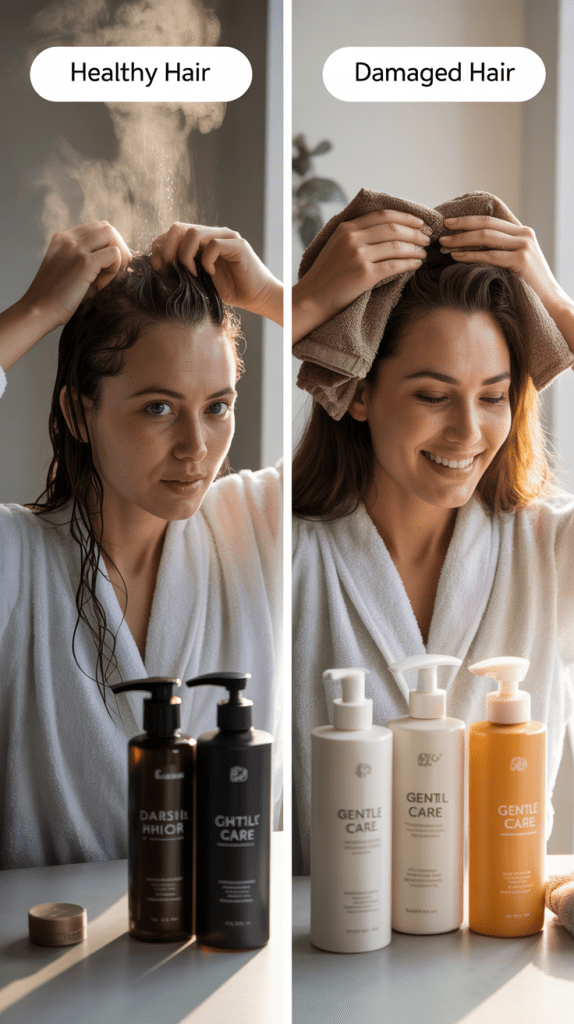
Understanding and avoiding common colored hair care mistakes can save you from unnecessary damage, color fading, and costly salon corrections.
Many people unknowingly sabotage their color results through seemingly harmless habits or product choices.
Learning to recognize these pitfalls helps you maintain beautiful, healthy colored hair for longer periods.
- Never wash your hair immediately after coloring as it needs time to fully set and lock in
- Avoid using regular household products like dish soap or baking soda which can strip color
- Don’t brush wet colored hair aggressively as it’s more fragile and prone to breakage when wet
- Resist the urge to wash your hair daily even if it feels oily or dirty between styling sessions
- Never apply heat to freshly colored hair without proper protection products in place
- Avoid swimming in chlorinated water without pre-wetting hair and applying protective products first
- Don’t ignore the first signs of color fading thinking it will improve on its own
- Never attempt major color corrections at home as this often leads to more damage and expense
- Avoid using multiple new products at once as this makes it difficult to identify what works
- Don’t skip regular trims as split ends can travel up the hair shaft and worsen over time
Conclusion
Maintaining beautiful, vibrant colored hair requires dedication, the right products, and consistent care routines that protect your investment.
These ten must-know tips for colored hair care provide you with professional-level strategies that you can implement at home to keep your color looking salon-fresh for longer periods.
From proper preparation and product selection to protective styling and professional maintenance, each element plays a crucial role in preserving your hair’s health and color integrity.
Remember that colored hair needs extra attention and gentler treatment than natural hair, but the stunning results are worth the additional effort.
By following these guidelines consistently and avoiding common mistakes, you’ll enjoy vibrant, healthy colored hair that turns heads and boosts your confidence every day.
