
60 Eye-Catching Shoulder-Length Layered Styles for Wavy Thick Hair
If you’ve been blessed with wavy thick hair that falls perfectly at shoulder length, you’re sitting on a goldmine of styling possibilities that many can only dream about.
The magic happens when you introduce layers into this magnificent texture, creating movement, dimension, and a style that turns heads everywhere you go.
This comprehensive guide on 60 Eye-Catching Shoulder-Length Layered Styles for Wavy Thick Hair will walk you through the most stunning cuts, styling techniques, and maintenance tips that will transform your thick waves from overwhelming to absolutely breathtaking.
Whether you’re looking to add bounce, reduce bulk, or simply refresh your current look, you’ll discover practical solutions that work specifically for your hair type.
We’ll explore everything from face-framing layers to blunt cuts with internal layering, color techniques that enhance your natural texture, and professional styling secrets that you can recreate at home.
Get ready to bookmark your favorite styles and finally achieve the hair of your dreams.
1. Understanding Wavy Thick Hair Characteristics
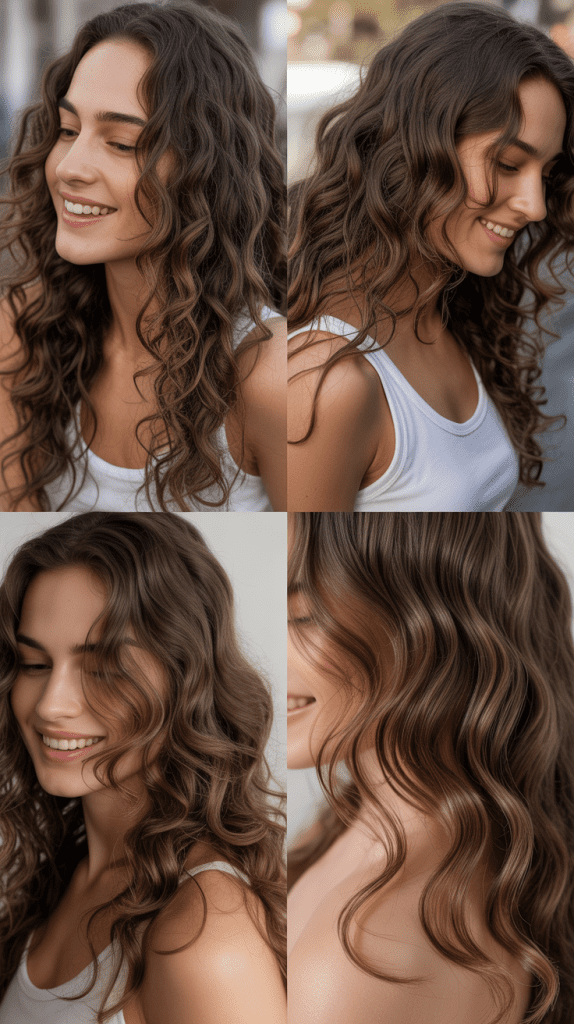
Wavy thick hair possesses unique qualities that set it apart from other hair types, making it both a blessing and a challenge to manage.
Before diving into specific styles, understanding your hair’s natural behavior will help you choose cuts that work with your texture rather than against it.
- Thick hair contains a higher density of individual hair strands per square inch of scalp, which creates substantial volume and body that thinner hair types cannot achieve naturally.
- The wavy pattern typically forms an S-shape that falls somewhere between straight and curly hair, classified as Type 2 hair in the hair typing system with subcategories 2A, 2B, and 2C.
- This hair type tends to hold styles exceptionally well once properly set, making it ideal for both sleek looks and textured styles that last throughout the day.
- Moisture balance becomes crucial as thick wavy hair can swing between frizz-prone dryness at the ends and oiliness at the roots due to the scalp’s natural oil distribution challenges.
- The weight of thick hair can sometimes pull waves straighter at the roots while maintaining more pronounced waves at the mid-lengths and ends.
- Managing volume requires strategic cutting techniques because without proper layering, thick wavy hair can create a triangular or pyramid shape that adds unwanted width.
- Heat styling responds differently on thick hair, requiring more time and higher temperatures, but also providing longer-lasting results when done correctly.
2. Why Shoulder Length Is Perfect for Thick Wavy Hair
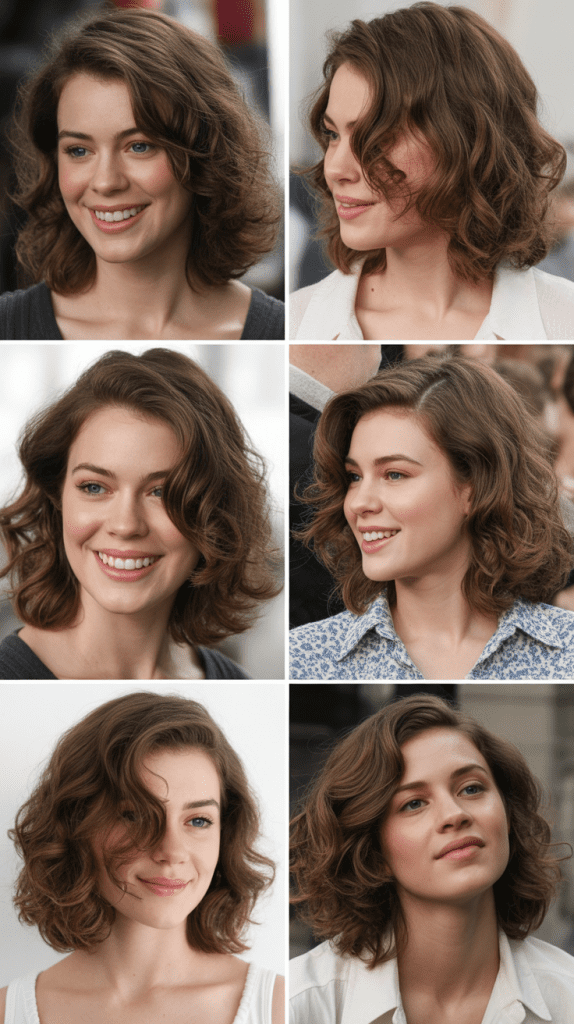
Shoulder length hits the sweet spot for thick wavy hair, offering the perfect balance between manageability and styling versatility.
This length works harmoniously with your hair’s natural texture to create flattering proportions.
- The shoulder-length cut prevents excessive weight accumulation that occurs with longer hair, which can drag down your natural wave pattern and create an unflattering heavy appearance.
- This length allows your hair to move freely and bounce naturally, showcasing the beautiful texture of your waves without the maintenance demands of very long thick hair.
- Styling time decreases significantly compared to longer lengths because you’re working with less hair, making your morning routine faster and more manageable.
- The cut naturally frames your face, shoulders, and collarbone area, creating a feminine silhouette that flatters most face shapes and body types.
- Shoulder-length hair remains long enough to pull back into ponytails, buns, and braids when needed, while being short enough to wear down comfortably without overheating.
- This length minimizes the weight-related issues that cause breakage and split ends in very long thick hair, promoting overall hair health and easier maintenance.
- Professional settings appreciate shoulder-length hair as it appears polished and put-together while still allowing for creative expression through styling variations.
- The length provides an excellent canvas for highlighting and color techniques that enhance dimension without requiring excessive product or long processing times.
3. Face-Framing Layers for Enhanced Definition
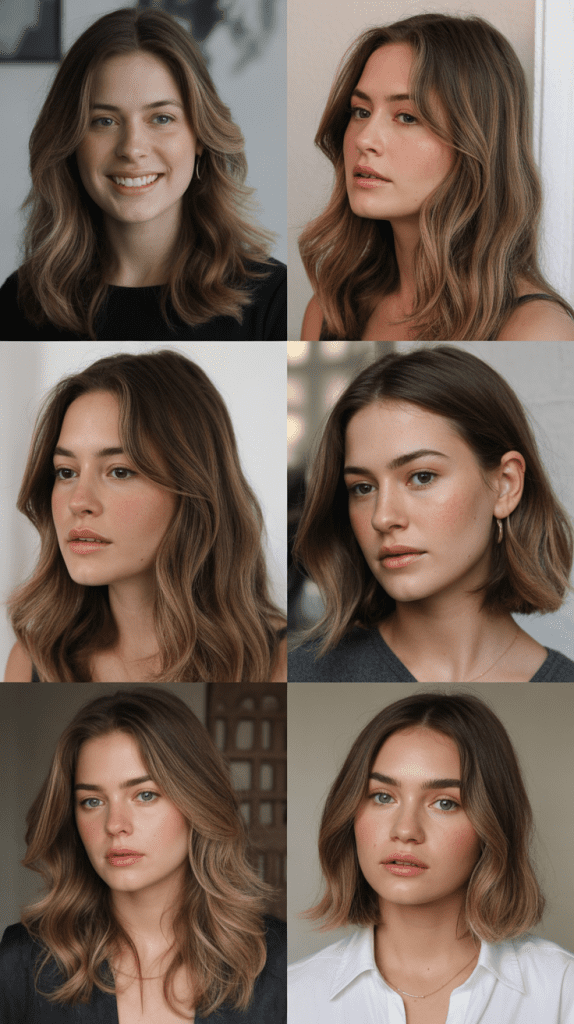
Face-framing layers create a stunning focal point that draws attention to your best features while adding movement around your face.
This technique works exceptionally well with thick wavy hair by reducing bulk where it matters most.
- These strategic layers begin anywhere from cheekbone to chin level and gradually blend into the rest of your hair, creating a soft, flattering frame that enhances your facial structure.
- The technique reduces the heavy appearance that thick hair can create around your face, opening up your features and creating a more balanced, proportionate look.
- Face-framing layers naturally catch and reflect light differently than the rest of your hair, adding dimension and visual interest that makes your whole style appear more dynamic.
- When styled with your natural wave pattern, these layers create beautiful movement that sways with your head movements, adding a romantic, feminine quality to your overall appearance.
- The layers can be customized to complement your specific face shape—longer layers for round faces, shorter layers for elongated faces, and angled layers for square or heart-shaped faces.
- This cutting technique allows your stylist to remove weight from the most visible sections of your hair without drastically altering your overall length or fullness.
- Face-framing layers work beautifully with highlights or balayage, as the dimensional color placement follows the natural movement created by the layered cuts.
- Maintenance becomes simpler as these layers naturally fall into place when you style your hair, requiring minimal effort to achieve a polished, intentional look.
4. Long Layers for Maximum Movement
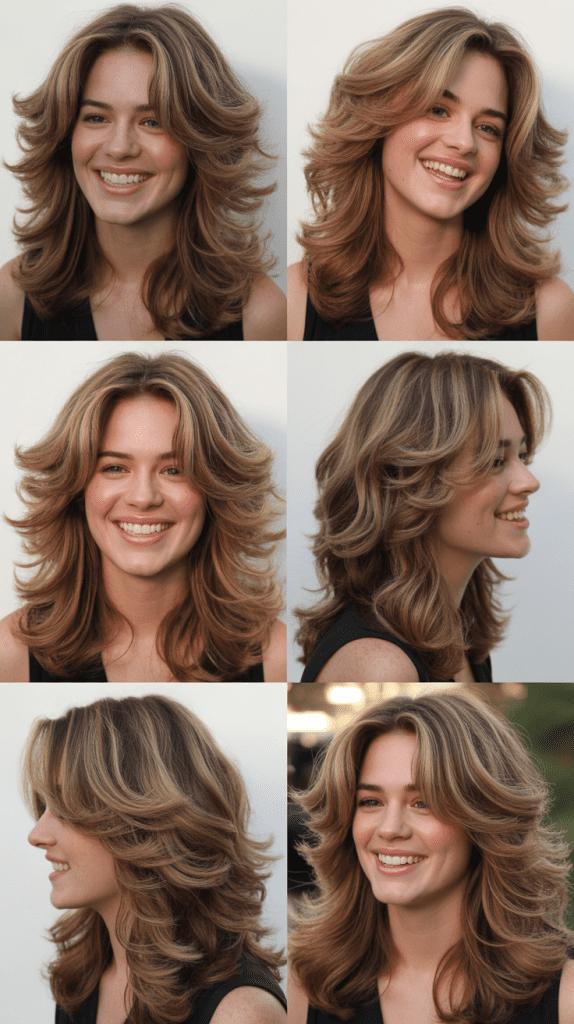
Long layers throughout shoulder-length thick wavy hair create cascading movement that prevents the heavy, blocky appearance while maintaining substantial length.
This approach distributes weight evenly for a balanced, flowing silhouette.
- Long layers typically start below the chin and gradually increase in length toward the ends, creating subtle elevation that doesn’t drastically change your hair’s overall shape.
- This technique removes internal weight from thick hair without creating obvious shorter pieces, maintaining a cohesive, unified appearance that looks natural and effortless.
- The layering allows each wave pattern to form independently rather than being weighed down by the hair above it, resulting in more pronounced, bouncy waves throughout your entire head.
- Air-drying becomes more successful with long layers as the reduced weight allows your natural texture to develop fully without pulling straight under its own heaviness.
- Styling products penetrate and distribute more evenly through layered hair, meaning you’ll use less product while achieving better results and longer-lasting hold.
- The movement created by long layers prevents your hair from appearing flat or lifeless, even on days when you skip styling and embrace your natural texture.
- This cutting approach works exceptionally well for those transitioning from very long hair who want to maintain as much length as possible while improving manageability.
- Long layers create an ideal foundation for various styling techniques including loose waves, beachy texture, sleek straight styles, and voluminous curls.
5. Choppy Layers for Edgy Texture
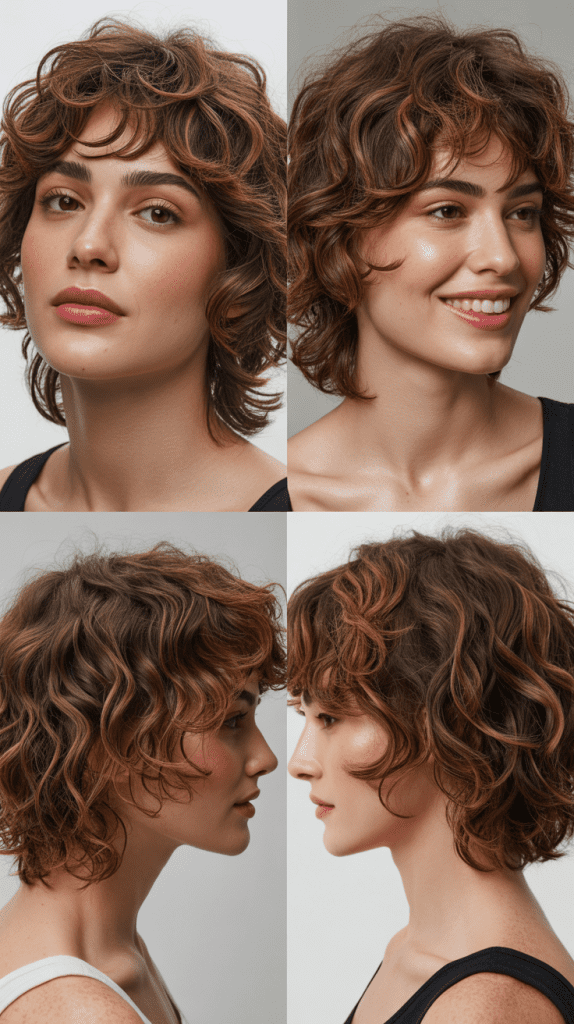
Choppy layers introduce an edgier, more contemporary aesthetic to thick wavy hair by creating deliberate, visible texture throughout the cut.
This modern approach celebrates imperfection and adds personality to your style.
- The cutting technique involves point-cutting or razor-cutting to create intentionally uneven, textured ends that produce a lived-in, effortlessly cool appearance.
- Choppy layers remove significant bulk from thick hair while adding visual interest through varying lengths that create depth and dimension throughout your style.
- This approach works particularly well for those with naturally tousled waves who want to embrace a more casual, undone aesthetic rather than polished perfection.
- The varied lengths prevent your hair from forming a solid, heavy line and instead create separation that allows individual waves to form distinct, separated pieces.
- Styling becomes incredibly low-maintenance as choppy layers are designed to look slightly messy and imperfect, making them ideal for busy lifestyles or wash-and-go routines.
- The technique pairs beautifully with modern coloring methods like babylights or lived-in color, where the textured layers showcase the dimensional color placement.
- These layers add a youthful, fashion-forward element to your look that works across all age groups while feeling fresh and current with today’s hair trends.
- The choppy texture creates natural movement and prevents your thick hair from lying too flat against your head, adding volume and body where you want it most.
6. Blunt Cut with Internal Layering
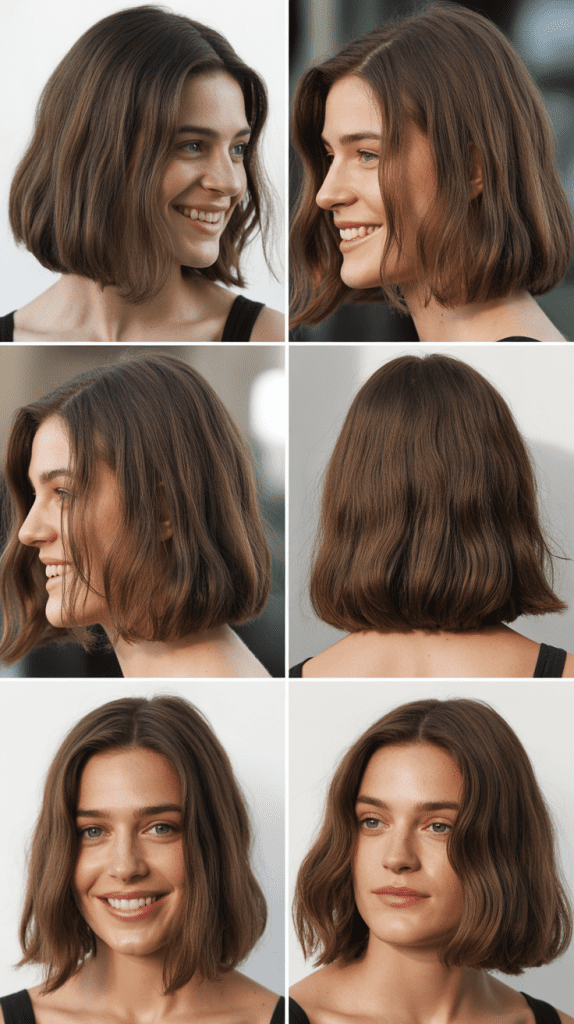
A blunt cut with internal layering provides the illusion of thick, full ends while strategically removing weight from the interior of your hair.
This technique offers the best of both worlds for thick wavy hair.
- The exterior perimeter of your hair remains blunt and uniform in length, creating a strong, deliberate line that appears intentionally styled rather than accidentally grown out.
- Interior layers are cut throughout the underneath sections of your hair, removing excess weight and bulk that you can’t see but can certainly feel.
- This approach prevents the dreaded triangle shape that thick hair often creates while maintaining the appearance of density and fullness at your ends.
- The blunt perimeter protects your ends from environmental damage and reduces the appearance of split ends, as all the hair tips align evenly.
- Internal layering allows your natural wave pattern to form more easily because the reduced weight doesn’t pull your waves straight, especially in the underlayers of your hair.
- Styling becomes more manageable as you’re working with less overall density, yet your hair still appears thick and luxurious from the outside.
- This technique proves ideal for those who want to keep length and fullness but struggle with excessive volume or mushrooming at the sides.
- The blunt cut with internal layers creates a modern, sophisticated look that translates well in both professional and casual settings without appearing too edgy or extreme.
7. V-Shaped Layers for Back Interest
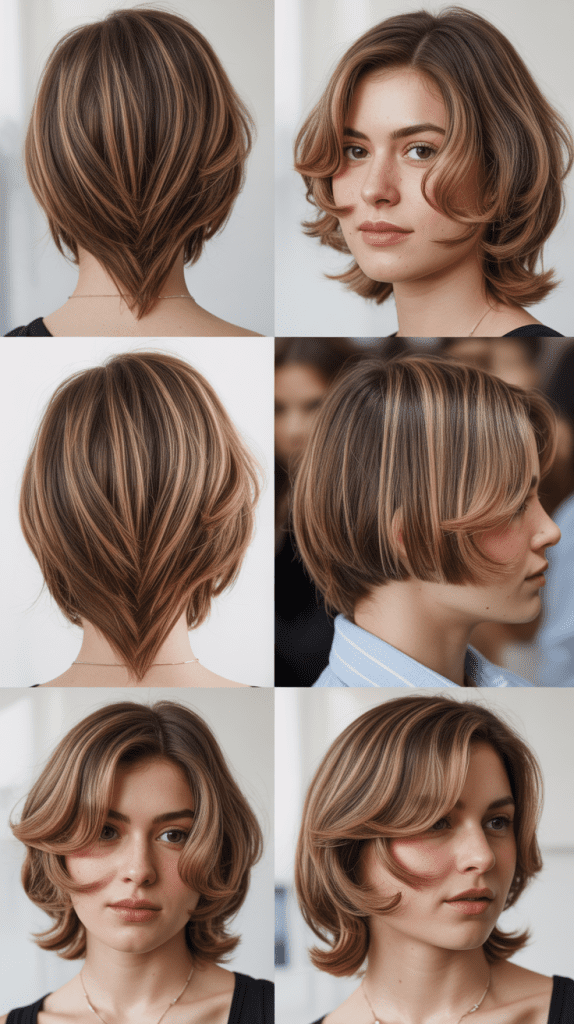
V-shaped layering creates a stunning focal point when viewing your hair from behind, with the shortest layers at the crown gradually lengthening to create a distinctive V-shape at the ends.
This technique adds drama and visual interest to thick wavy hair.
- The graduated layering starts shorter at the top and systematically increases in length toward the bottom, creating a V or U-shaped hemline that draws the eye downward.
- This cutting style removes substantial weight from the upper portions of your hair while maintaining maximum length at the center back, preventing bulk at the crown and sides.
- The V-shape naturally follows your body’s contours and creates a slimming effect that elongates your neck and torso when wearing your hair down.
- For thick wavy hair, this technique allows the top layers to develop more pronounced waves while the longer bottom layers showcase looser, more relaxed waves.
- The varied lengths throughout create incredible movement and prevent your hair from appearing as one solid mass, especially when walking or turning your head.
- This layering approach works exceptionally well for those who prefer wearing their hair down and want a style that looks intentional and interesting from every angle.
- Highlighting or balayage techniques complement V-shaped layers beautifully, as the dimensional color follows the natural graduation of the cut and enhances the shape.
- Maintenance remains straightforward as the V-shape grows out gracefully without creating awkward in-between stages that require frequent trimming.
8. Curtain Bangs with Shoulder-Length Layers
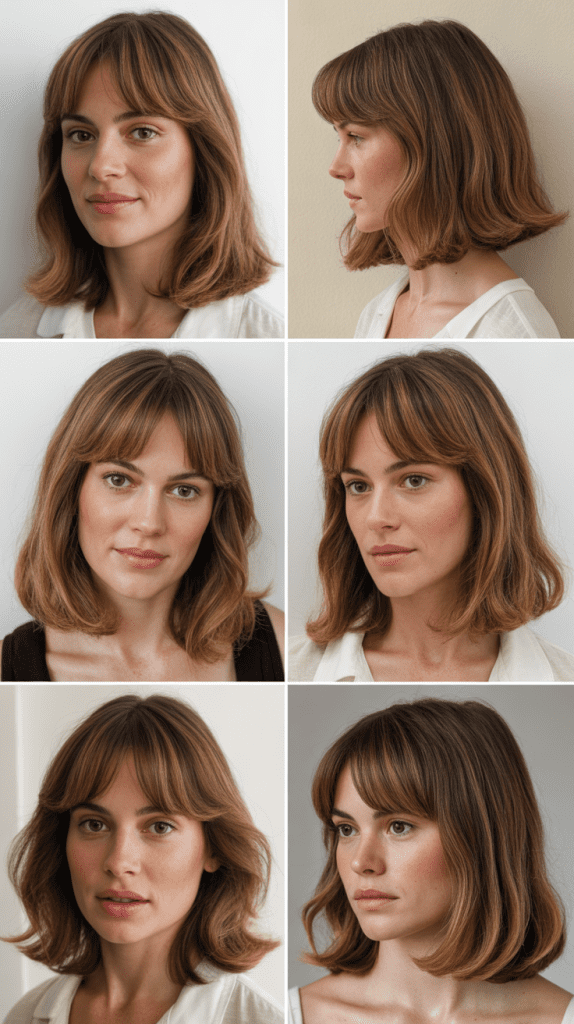
Curtain bangs have made a massive comeback and pair exceptionally well with shoulder-length layered thick wavy hair.
This face-framing style creates a soft, romantic look that works across all face shapes.
- Curtain bangs are characterized by their center part and longer length that frames the face on either side, typically falling between the cheekbones and jawline.
- The style works harmoniously with thick wavy hair because the weight and texture of your hair naturally encourages the bangs to fall and curve away from your face.
- These bangs require less precision and maintenance than traditional straight-across bangs, making them more forgiving as they grow and more versatile in styling options.
- The length of curtain bangs allows you to tuck them behind your ears when desired, providing styling flexibility that shorter bangs cannot offer.
- Face-framing continues beyond the bangs through layered cuts that seamlessly blend the front sections into your overall shoulder-length style.
- This combination of curtain bangs and layers creates a soft, effortless look that appears naturally grown rather than dramatically cut, perfect for those seeking low-maintenance style.
- Styling curtain bangs involves simply directing them away from your face with a round brush or your fingers while blow-drying, requiring minimal skill or time.
- The style softens strong features, draws attention to your eyes and cheekbones, and adds a youthful, contemporary element to any outfit or occasion.
9. Shaggy Layers for Bohemian Vibes
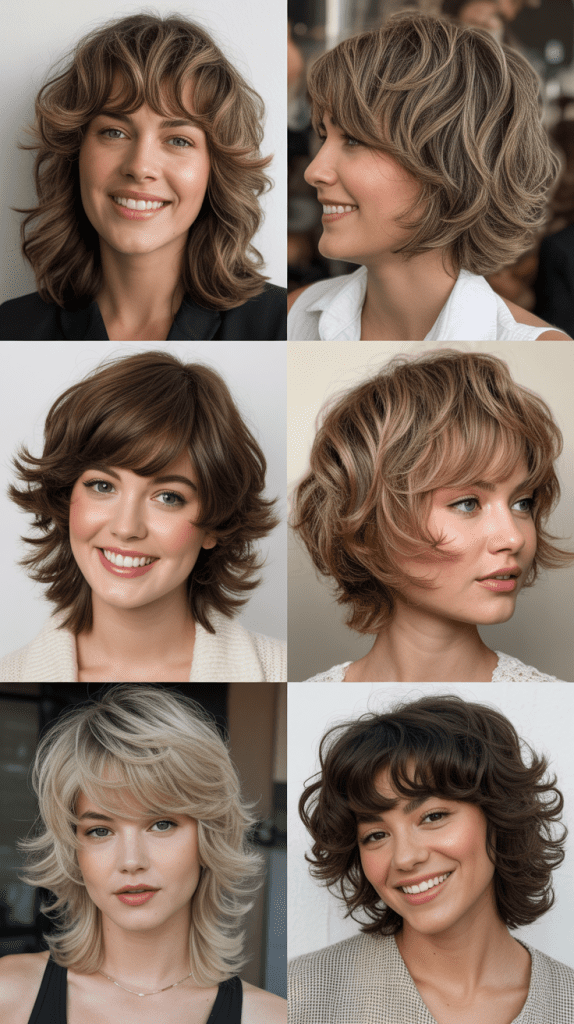
The shag haircut has evolved from its 1970s origins into a modern, highly requested style that works exceptionally well with thick wavy shoulder-length hair.
This layered approach creates an intentionally messy, carefree aesthetic.
- The shag incorporates layers throughout the entire head—top, sides, and back—creating maximum texture and movement from roots to ends.
- Thick wavy hair provides the perfect foundation for shags because the density prevents the cut from appearing too thin or wispy, maintaining body and presence.
- The heavily layered approach removes significant weight from thick hair, making it feel lighter and more manageable while looking intentionally styled and fashion-forward.
- Shags naturally encourage wave formation because the varied lengths throughout prevent hair from clumping together into heavy sections that pull straight.
- Styling a shag can be as simple as air-drying with texturizing spray or as polished as blow-drying with volumizing products for different occasions and preferences.
- The cut works across all age groups, from teenagers seeking an edgy look to mature women wanting to refresh their style with something current and vibrant.
- Maintenance involves regular trims every 6-8 weeks to maintain the shag’s distinctive shape and prevent the layers from growing out into a standard layered cut.
- The bohemian aesthetic created by shaggy layers pairs beautifully with relaxed, natural makeup and effortless fashion choices for a cohesive, put-together appearance.
10. Graduated Bob Layers for Sleek Sophistication
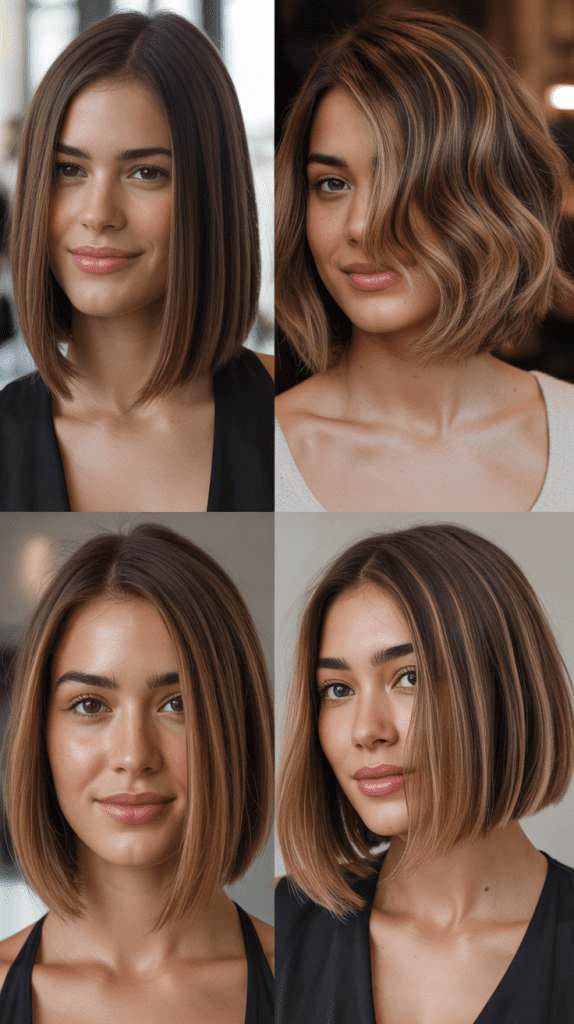
A graduated bob with layers offers a polished, sophisticated approach to shoulder-length thick wavy hair that works beautifully in professional settings.
This structured cut provides elegance while managing volume effectively.
- The graduated bob features shorter layers at the back that progressively lengthen toward the front, creating an angled silhouette that adds polish and intentionality to your overall look.
- This cutting technique naturally removes bulk from the back and sides where thick hair tends to accumulate excessive volume, creating a more balanced shape.
- The longer front pieces frame your face beautifully while maintaining enough length to tuck behind your ears or pull into a small ponytail when needed.
- Thick wavy hair holds the bob’s shape exceptionally well throughout the day without falling flat, maintaining the structure your stylist created during the cut.
- Styling can range from embracing your natural waves for a softer appearance to blow-drying smooth for a sleek, corporate-appropriate finish.
- The graduated angle creates the illusion of length while actually being shorter than a traditional one-length bob, offering easier maintenance with impressive visual impact.
- This cut proves timeless rather than trendy, ensuring your investment in a quality haircut remains stylish and relevant for months or years to come.
- The sophisticated silhouette complements tailored clothing and professional attire while also working beautifully with casual weekend wear, providing remarkable versatility.
11. Razored Layers for Softness and Dimension
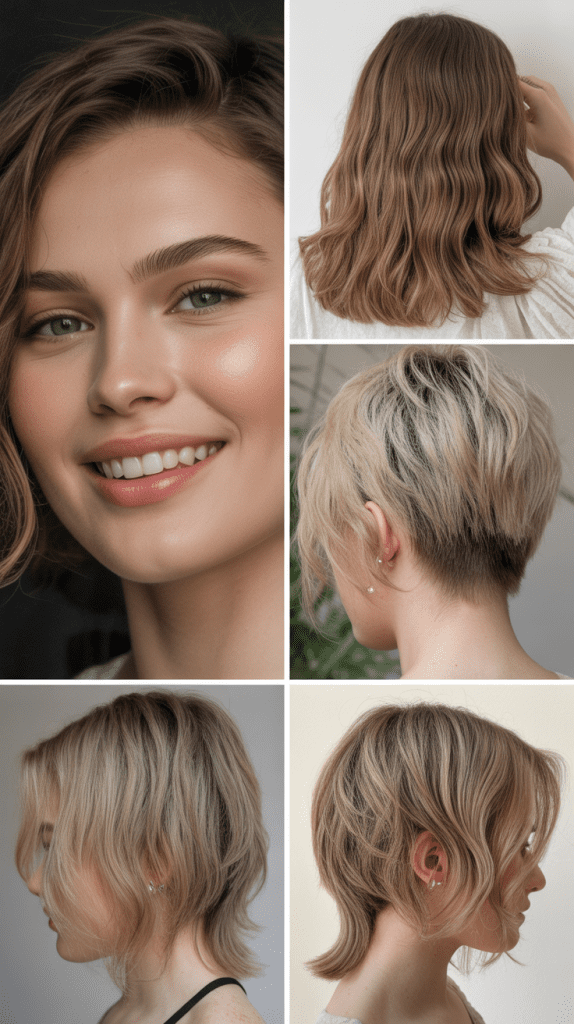
Razor-cutting creates incredibly soft, feathered layers that add dimension and movement to thick wavy hair.
This technique produces a distinctly different result than traditional scissor-cutting, with more textured, blended layers.
- The razor removes less hair per stroke than scissors, creating softer, more graduated layers that blend seamlessly into each other without harsh lines or obvious demarcations.
- This method works exceptionally well on thick hair because it removes bulk while creating natural-looking texture that appears effortlessly styled rather than deliberately cut.
- Razored edges catch and reflect light differently than blunt-cut edges, adding dimension and visual interest that makes your hair appear multifaceted and dynamic.
- The technique creates slight variations in strand length within each section, producing natural separation and preventing your waves from clumping into heavy, uniform pieces.
- Thick wavy hair responds beautifully to razor-cutting because the existing texture is enhanced rather than compromised, with waves appearing more defined and separated.
- Styling becomes intuitive as razored layers naturally fall into place and move fluidly, requiring minimal manipulation or product to achieve a polished appearance.
- The softness created by razor-cutting produces a romantic, feminine aesthetic that complements both casual and dressy styling approaches.
- Maintenance differs slightly from scissor cuts as razored hair may develop split ends faster, requiring regular trims every 6-8 weeks to maintain optimal health and appearance.
12. Asymmetrical Layers for Bold Statement
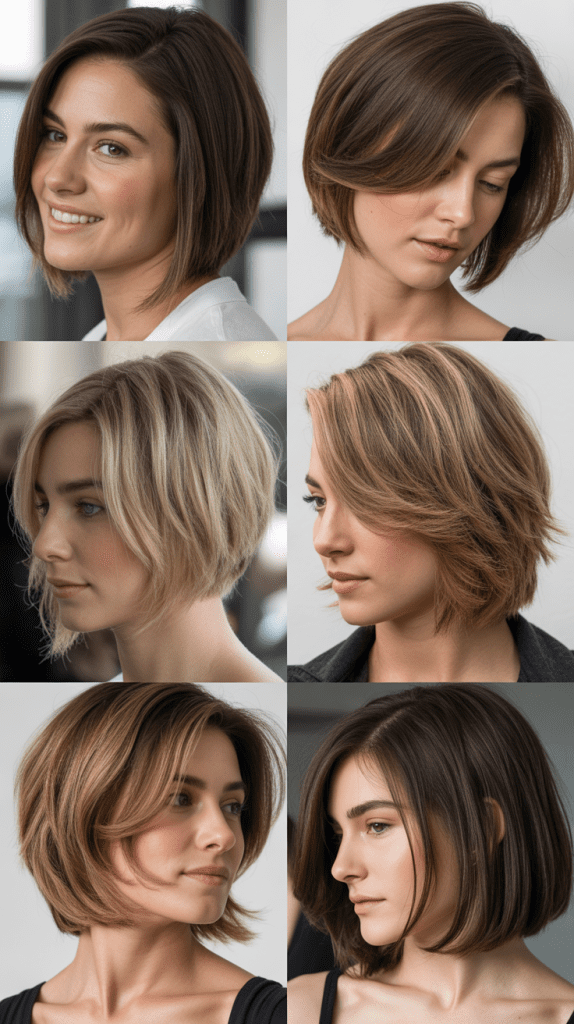
Asymmetrical cutting creates intentional imbalance that makes a bold, fashion-forward statement perfect for those wanting their thick wavy hair to stand out.
This approach challenges traditional symmetry for striking visual impact.
- Asymmetrical cuts feature deliberate length differences between the two sides of your hair, creating visual interest and a modern, edgy aesthetic that commands attention.
- One side might graze your collarbone while the other sits higher at mid-neck or jaw level, with the difference ranging from subtle to dramatically pronounced.
- This cutting approach works particularly well for thick hair because the density ensures both sides maintain body and presence despite the length variation.
- Styling options multiply with asymmetry as you can emphasize the difference by tucking the shorter side behind your ear or minimize it by styling both sides with similar wave patterns.
- The technique naturally draws attention to your face and creates interesting angles that complement strong features and bold personal style choices.
- Thick wavy hair prevents asymmetrical cuts from appearing too thin or wispy on either side, maintaining visual weight and impact throughout the style.
- This cutting approach suits those with creative careers, artistic personalities, or anyone wanting to make a memorable impression through their appearance.
- Maintenance requires commitment as growing out asymmetry creates an awkward transitional period, making this choice best for those certain about embracing the bold look.
13. Feathered Layers for Movement and Flow
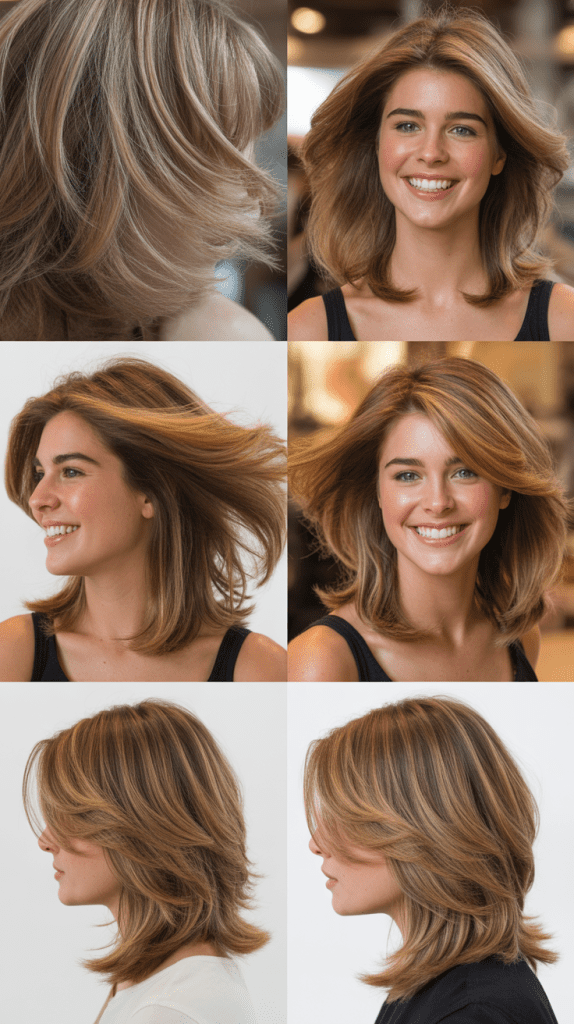
Feathered layers create wispy, lightweight ends that add incredible movement to thick wavy shoulder-length hair.
This technique produces a soft, airy quality that prevents heavy, blunt appearances.
- Feathering involves cutting the ends at an angle to create tapered, lighter tips that move independently and create a sense of airiness throughout your style.
- This technique specifically addresses the weight issue in thick hair by removing density at the ends where hair tends to accumulate the most bulk.
- The feathered ends separate easily, allowing individual waves to form distinct patterns rather than clumping together into heavy, uniform sections.
- Air movement—from walking, turning your head, or environmental wind—creates beautiful flowing motion in feathered layers that catches attention and adds dynamism.
- The technique works well for those wanting to maintain substantial length while achieving lighter, more manageable hair that doesn’t feel heavy on their head or neck.
- Styling products distribute more evenly through feathered ends, providing better hold and definition with less product than blunt-cut ends require.
- The soft, feminine quality of feathered layers complements romantic styling approaches including loose waves, soft curls, and naturally tousled looks.
- Maintenance involves regular trims to prevent the feathered ends from becoming too wispy or developing split ends that compromise the style’s soft appearance.
14. Angled Layers for Face Shape Enhancement
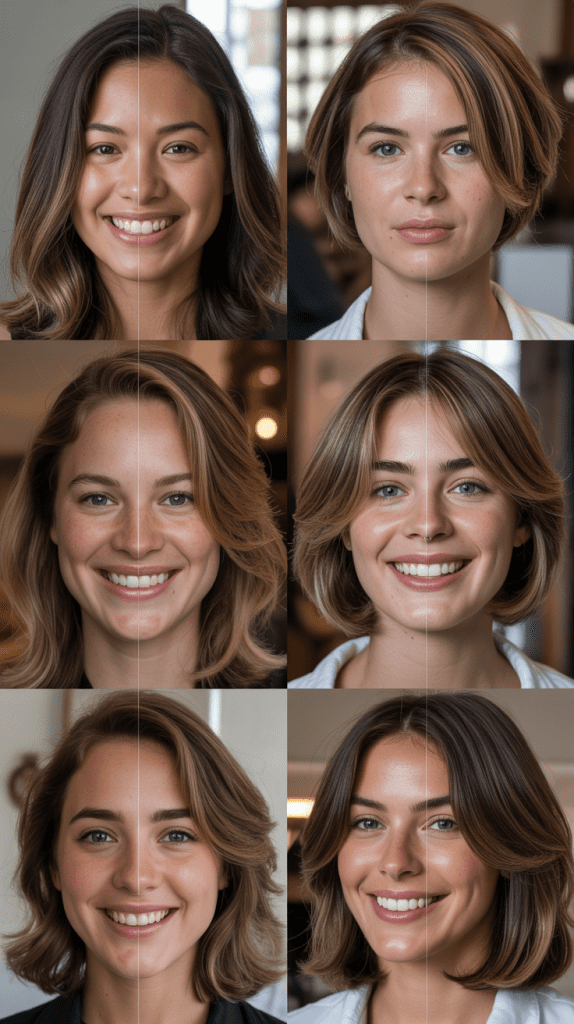
Strategic angled layering customizes your cut to complement your specific face shape, using length and placement to create optical illusions that enhance your best features.
This personalized approach ensures your thick wavy hair flatters you specifically.
- Angled layers for round faces begin lower on the face and angle downward, creating vertical lines that elongate and slim the appearance of fuller cheeks.
- Square face shapes benefit from soft, curved angled layers that begin at the jawline and sweep forward, softening strong angles and creating a more feminine contour.
- Heart-shaped faces require layers that add width at the jawline while minimizing volume at the temples, balancing the wider forehead with the narrower chin.
- Oval faces enjoy the most versatility in angled layering as their balanced proportions work well with almost any angle or placement choice.
- Long or rectangular faces need layers that create width rather than length, with angles that move horizontally across the face to add fullness at the sides.
- Professional stylists assess your face shape, hair texture, and personal preferences to determine the most flattering angle and placement for your individual needs.
- Understanding your face shape and ideal layer angles empowers you to communicate effectively with stylists and maintain your cut appropriately between appointments.
15. Balayage with Layers for Enhanced Dimension
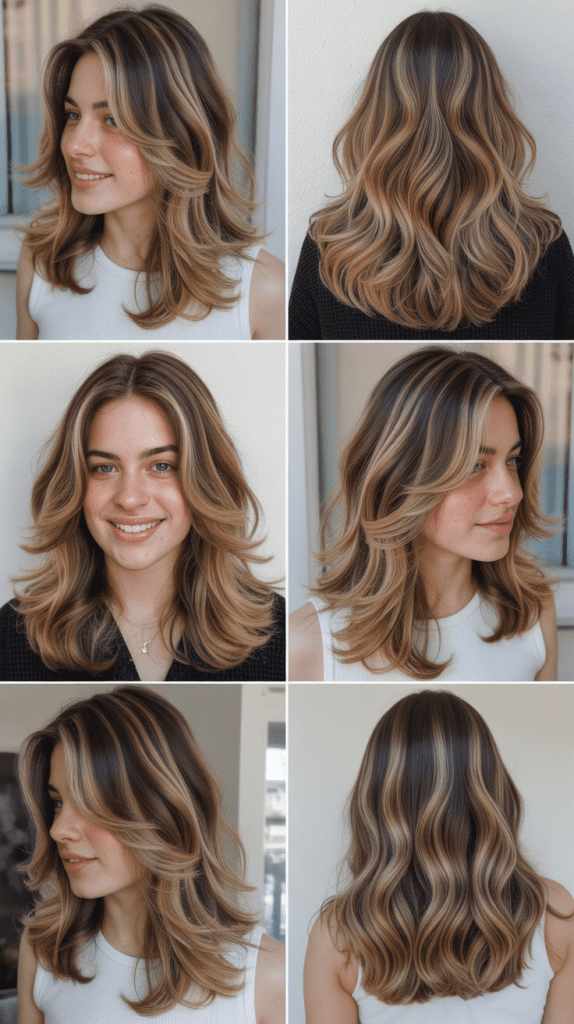
Combining balayage coloring with strategic layering creates unparalleled dimension in thick wavy shoulder-length hair.
The interaction between cut and color produces depth that neither technique achieves alone.
- Balayage involves hand-painting highlights onto your hair in a sweeping motion that creates natural-looking, sun-kissed dimension without harsh lines or obvious regrowth patterns.
- Layered cuts provide the perfect canvas for balayage because the varied lengths allow color to be placed at different depths, creating multidimensional effects as layers overlap.
- The lighter pieces strategically placed on face-framing layers draw attention to your features while adding brightness that illuminates your complexion.
- Thick wavy hair showcases balayage beautifully because the texture and movement constantly shift, revealing different colored sections as you move and creating ever-changing visual interest.
- The technique requires less maintenance than traditional highlights because the hand-painted application creates a gradual blend that grows out gracefully without harsh demarcation lines.
- Layering prevents colored sections from appearing flat or one-dimensional by creating separation that allows individual tones to stand independently and catch light uniquely.
- Various balayage approaches exist, from subtle caramel and honey tones for warm undertones to cool ash and platinum shades for those seeking dramatic transformation.
- Professional application proves crucial for balayage on thick hair as the technique requires expertise to ensure even saturation through dense hair without creating splotchy or uneven results.
16. Side-Swept Layers for Romantic Styling
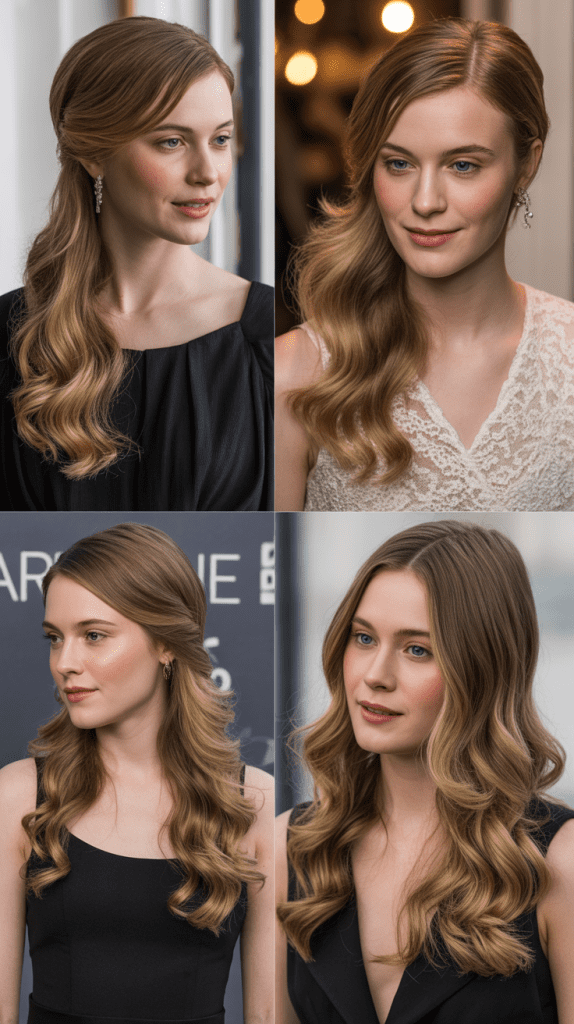
Side-swept layers create a romantic, feminine aesthetic that works exceptionally well for special occasions and everyday elegance.
This styling approach takes advantage of shoulder-length layered thick wavy hair’s natural movement.
- Side-swept styling involves creating a deep side part and sweeping your hair dramatically to one side, creating volume on one side while exposing the opposite ear and jawline.
- Layers specifically cut for side-swept styling are slightly longer on the side you’ll sweep toward, ensuring adequate length for the style while preventing awkward short pieces.
- The technique naturally showcases your layers as the swept hair cascades downward, revealing the varied lengths and creating beautiful dimensional movement.
- Thick wavy hair holds side-swept styles remarkably well because the texture and density provide grip that prevents hair from sliding back to center throughout the day or evening.
- Styling products like volumizing mousse at the roots and flexible-hold hairspray throughout help maintain the dramatic side sweep without appearing stiff or unnatural.
- This approach works beautifully for formal events, creating an elegant, red-carpet-worthy look that photographs beautifully from all angles.
- The exposed side highlights your earrings, necklaces, and shoulder details on clothing while the voluminous swept side creates romantic, feminine appeal.
- Variations include pinning the swept side with decorative bobby pins or leaving it completely loose for different aesthetic effects and security levels.
17. Textured Waves with Layered Ends
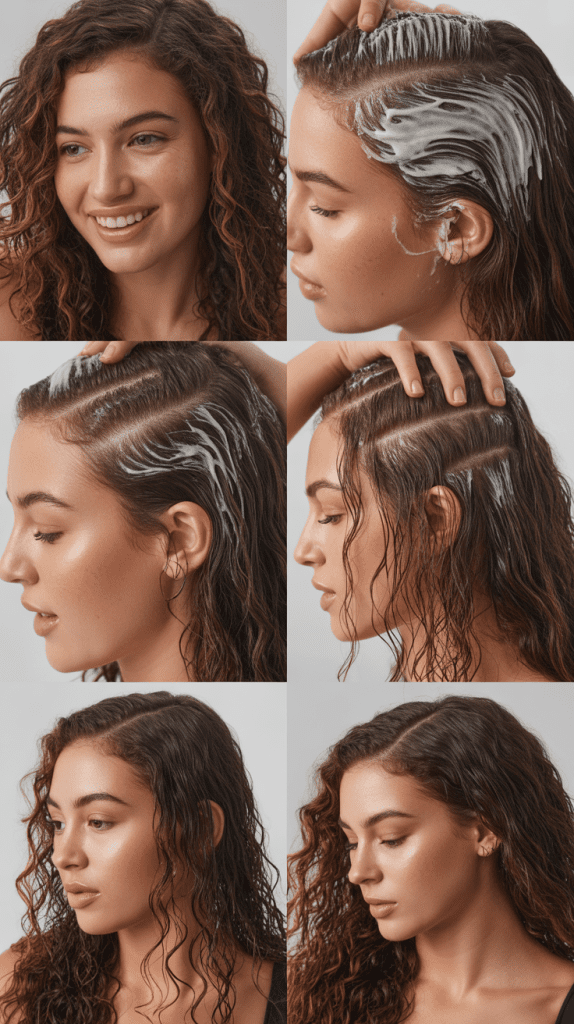
Creating textured waves specifically on layered ends produces a beachy, effortless aesthetic that celebrates your thick hair’s natural movement.
This styling technique requires minimal effort for maximum visual impact.
- Textured waves differ from uniform curls by incorporating varied wave patterns and sizes throughout your hair, creating an intentionally imperfect, naturally tousled appearance.
- Layered ends wave more easily than unlayered hair because the reduced weight allows each section to form its own distinct wave pattern without being pulled straight.
- Sea salt spray, texturizing spray, or wave-enhancing creams applied to damp hair before air-drying encourage your natural wave pattern to develop fully and maintain definition.
- Heat-free methods including braiding damp hair, twisting sections, or using foam rollers overnight create beautiful textured waves without heat damage to your thick hair.
- If using heat tools, a large-barrel curling iron or wand wrapped loosely and alternating directions creates the varied, natural-looking wave patterns characteristic of textured styling.
- The beachy, textured aesthetic works across all seasons and occasions, from summer casual wear to winter holiday gatherings, providing year-round styling relevance.
- Maintenance throughout the day involves scrunching hair occasionally and possibly applying additional texturizing spray to refresh waves and combat humidity-induced frizz.
- Second-day hair often looks even better than freshly styled hair as the waves settle and texture develops further, making this an ideal choice for busy lifestyles.
18. Voluminous Crown Layers for Lift
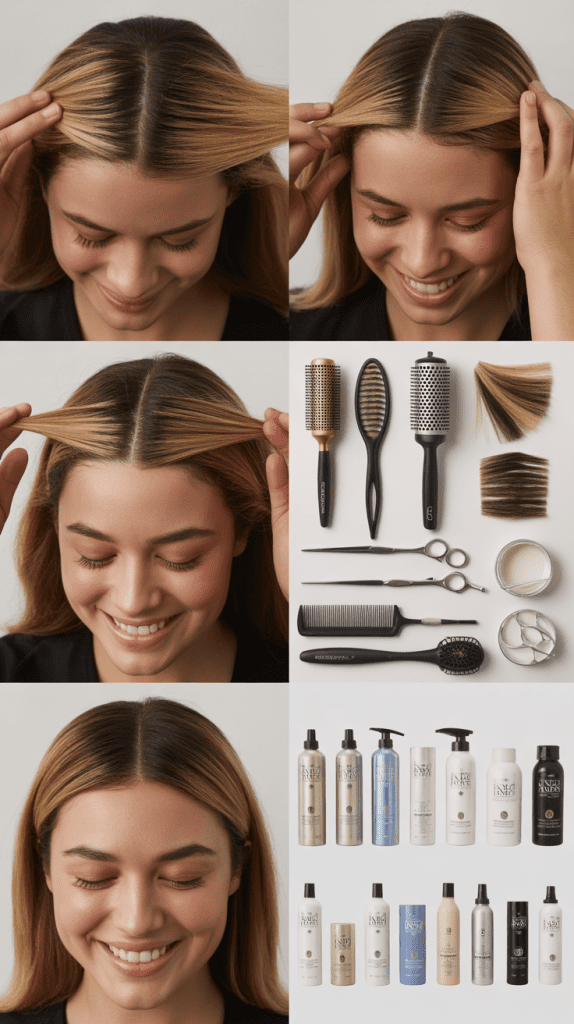
Strategic layering at the crown creates impressive lift and volume that prevents thick hair from lying flat against your head.
This technique addresses one of the most common complaints about thick, heavy hair.
- Crown layers are cut shorter at the top of your head, typically starting 2-4 inches from your part and graduating into the longer lengths below.
- These shorter layers sit above the bulk of your hair, creating natural lift as they dry and settle, pushing up against the longer lengths beneath them.
- The technique proves especially beneficial for those whose thick hair’s weight causes flatness at the roots despite overall volume throughout the rest of their hair.
- Styling crown layers involves directing them upward and away from your scalp while blow-drying, using a round brush or your fingers to create lasting lift at the roots.
- Volumizing products including root-lifting sprays, volumizing mousses, and powder texturizers applied specifically at the crown enhance and extend the lift created by the cut itself.
- The added height at the crown creates more balanced proportions, preventing your hair from appearing bottom-heavy or pyramid-shaped as thick hair often does without strategic cutting.
- Crown layers frame your face from above, adding dimension that draws the eye upward and creates a youthful, lifted appearance that complements your overall style.
- This layering approach works for all hair colors and textures within the thick wavy category, providing universal benefits regardless of your specific hair characteristics.
19. Beachy Waves on Shoulder-Length Layers
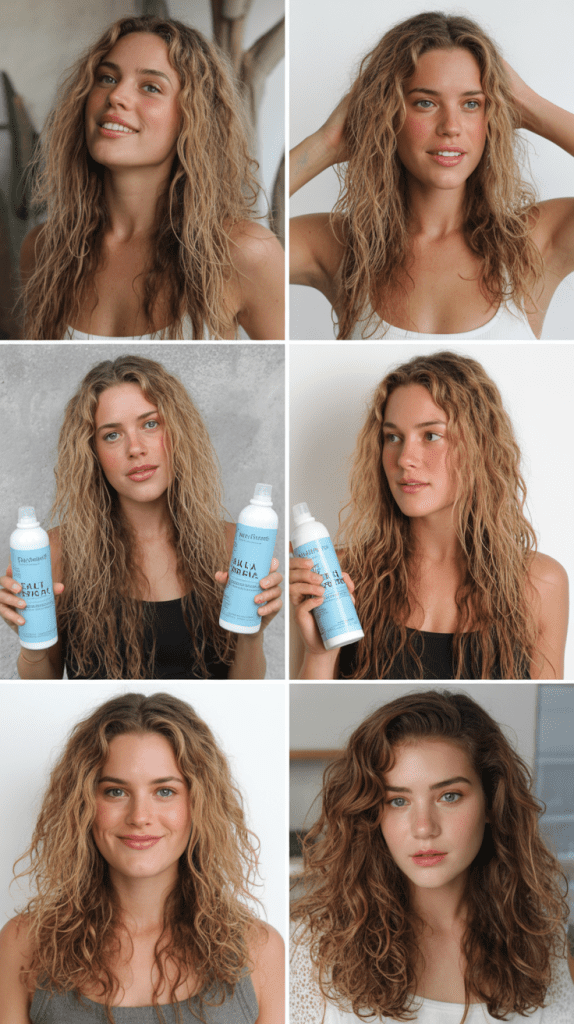
Beachy waves represent one of the most universally flattering and requested styles for thick wavy shoulder-length hair.
This effortless look works for virtually any occasion while requiring surprisingly little maintenance.
- Beachy waves are characterized by loose, undone texture that appears naturally created by ocean water and air-drying rather than deliberately styled with tools.
- The look celebrates imperfection and varied wave patterns, with some sections wavier than others and the overall effect appearing effortlessly tousled rather than perfectly uniform.
- Layered thick hair creates beachy waves more successfully than unlayered hair because the varied lengths prevent uniformity and allow each section to wave independently.
- Achieving the style requires enhancing rather than fighting your natural texture, using products that encourage wave formation while providing hold and frizz control.
- Sea salt spray remains the signature product for beachy waves, though formulas now include moisturizing ingredients that prevent the dryness traditional salt spray caused.
- Application techniques include spraying on damp hair before air-drying, or on dry hair after loosely curling with a large-barrel curling iron for more defined waves.
- The aesthetic pairs beautifully with natural, minimal makeup and casual, relaxed fashion choices for a cohesive, effortlessly chic overall appearance.
- Maintenance involves minimal daily effort as the style is designed to look slightly messy, making it ideal for those who prefer low-maintenance hair routines.
20. Sleek Straight Styling with Hidden Texture
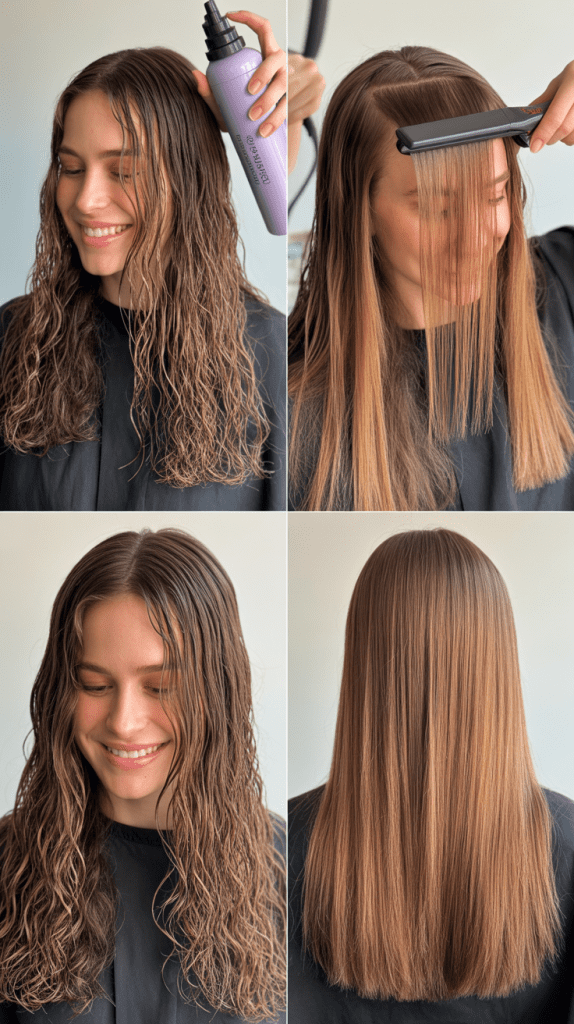
Straightening thick wavy layered hair creates a sleek, polished look while the hidden texture from your natural waves adds body and movement that naturally straight hair cannot achieve.
This styling option offers versatility and sophistication.
- Straightening thick wavy hair requires proper heat protection, sectioning, and technique to achieve smooth results without causing damage to your hair’s integrity.
- The natural texture beneath your straightened surface creates body and movement that prevents the flat, lifeless appearance thin straight hair sometimes exhibits.
- Layered cuts appear even more dimensional when straightened as the varied lengths create visual interest and prevent the style from looking too severe or one-dimensional.
- Quality flat irons with adjustable temperature settings prove essential for thick hair, with temperatures between 350-400°F typically necessary to smooth thick, coarse waves effectively.
- The straightened look typically lasts 2-4 days on thick hair depending on humidity levels and your hair’s natural texture strength, providing extended styling value.
- This versatile styling option works beautifully for professional settings, formal events, or anytime you want a polished, put-together appearance that differs from your usual wavy style.
- Keratin treatments or Brazilian blowouts offer semi-permanent straightening options that reduce styling time while maintaining some natural body and movement.
- Alternating between straight and wavy styling prevents heat damage by limiting flat iron use while showcasing your thick hair’s incredible versatility and styling range.
21. Styling Products for Thick Wavy Layered Hair
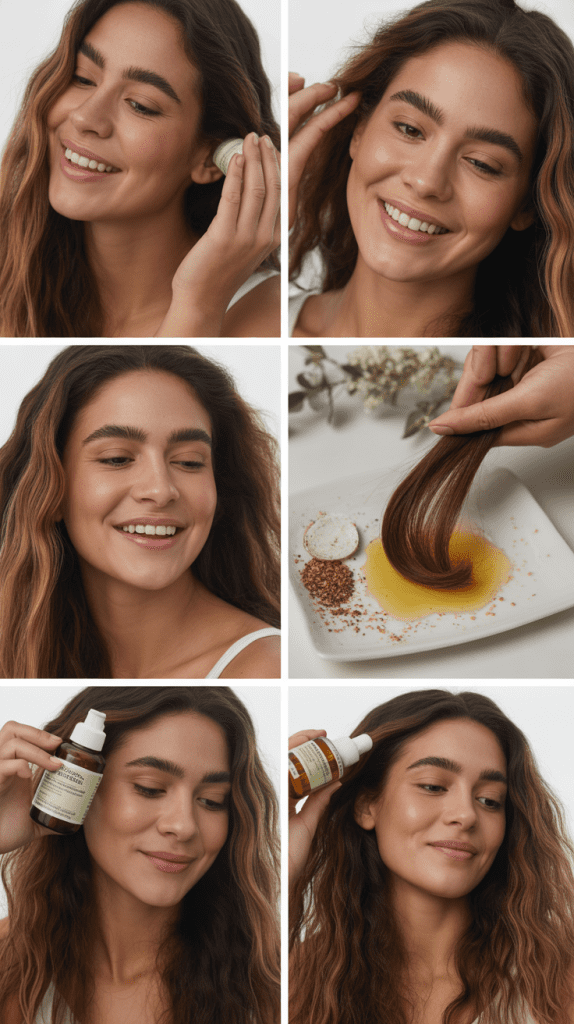
Selecting appropriate products makes the difference between frustrating styling sessions and effortless, beautiful results with thick wavy shoulder-length layered hair.
Understanding product categories and application techniques optimizes your hair’s appearance.
- Leave-in conditioners provide ongoing moisture and protection for thick wavy hair, which tends toward dryness especially at the ends where hair is oldest.
- Lightweight oils including argan, jojoba, or grapeseed penetrate thick hair better than heavy oils, providing shine and smoothness without weighing down your layers.
- Gel products have evolved significantly and now offer flexible hold without the crunchy, stiff results of older formulations, making them viable for natural wave enhancement.
- Avoid products containing heavy silicones, sulfates, or drying alcohols that can build up on thick hair or strip natural oils, leading to dryness and increased frizz.
- Application techniques matter as much as product selection—less is more initially, with the option to add more if needed rather than over-applying and creating greasy, weighed-down results.
- Seasonal adjustments prove necessary as humidity levels change, with lighter products for summer humidity and richer formulas for dry winter conditions.
- Professional recommendations from your stylist who understands your specific hair characteristics can save significant time and money over trial-and-error product shopping.
22. Blow-Drying Techniques for Volume and Definition
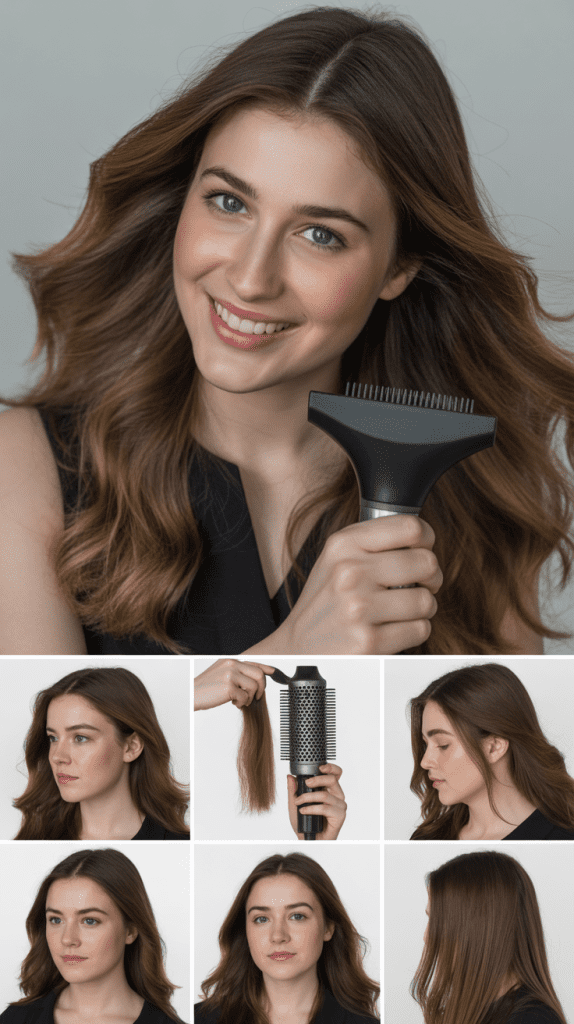
Proper blow-drying techniques transform thick wavy layered hair from potentially frizzy and undefined to smooth, voluminous, and beautifully shaped.
Mastering these methods provides salon-quality results at home.
- Sectioning thick hair proves essential for effective blow-drying, dividing your hair into 4-6 manageable sections that allow you to focus on each area thoroughly without rushing.
- The concentration nozzle attachment on your dryer directs airflow precisely along the hair shaft, smoothing the cuticle and preventing the scattered airflow that causes frizz.
- Round brushes in medium to large barrels create volume at roots and smoothness through lengths, with larger barrels for loose waves and smaller brushes for more defined movement.
- Directing airflow downward from roots to ends smooths the cuticle layer and creates shine, while upward airflow lifts and fluffs but can create unwanted frizz.
- Tension created by pulling hair taut with your brush while drying straightens and smooths thick waves, controlling volume while maintaining body and movement.
- The cool shot button on your dryer sets your style by cooling the hair cuticle after heat styling, extending your style’s longevity and adding additional shine.
- Time investment varies but typically requires 15-20 minutes for shoulder-length thick hair when using proper technique and adequate heat settings for your hair type.
- Practice improves results dramatically, with most people achieving significantly better outcomes after 3-5 blow-dry sessions as muscle memory and technique understanding develop.
23. Diffusing for Natural Wave Enhancement
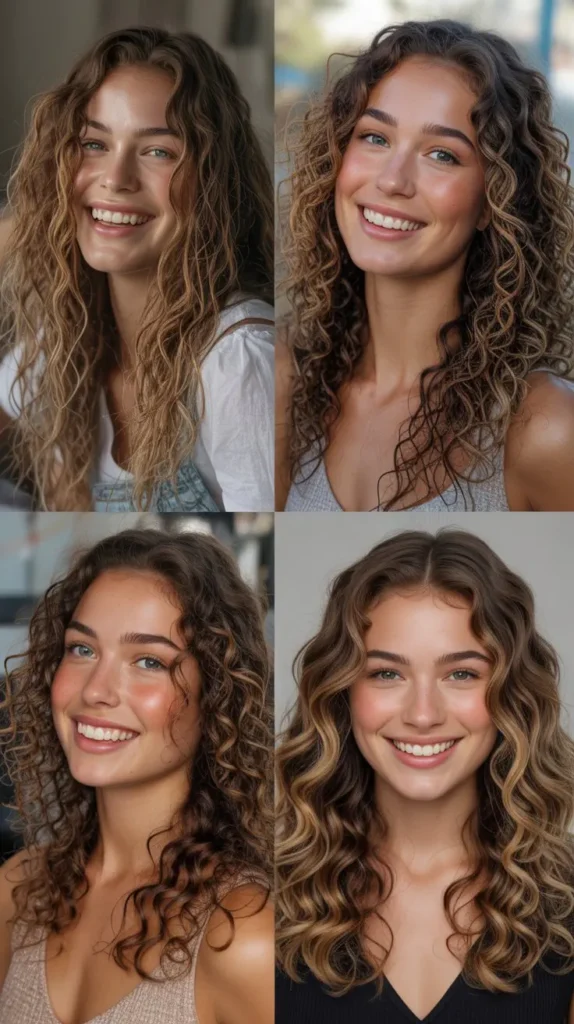
Diffuser attachments revolutionize styling for thick wavy hair by enhancing natural texture while reducing frizz and maintaining definition.
This technique celebrates your hair’s natural movement rather than fighting it.
- The diffuser attachment features prongs or fingers that disperse airflow over a wider area, preventing the concentrated heat that disrupts wave patterns and causes frizz.
- Proper diffusing involves holding the diffuser at your ends and bringing it up toward your scalp, allowing your hair to rest in the diffuser bowl rather than blowing air directly onto it.
- Low heat and low speed settings work best for diffusing thick wavy hair, as high heat and strong airflow disrupt forming wave patterns and create frizz.
- Scrunching hair gently upward into the diffuser encourages wave formation and volume, working with your natural texture rather than pulling it straight or disrupting patterns.
- The technique works exceptionally well on layered cuts because each layer can form its distinct wave pattern, creating dimensional, textured results throughout your head.
- Diffusing reduces drying time compared to complete air-drying while providing more defined results than air-drying alone, offering the best of both approaches.
- Product application before diffusing proves crucial—wave-enhancing creams, mousses, or gels applied to soaking wet hair provide hold and definition that last throughout the day.
- Patience remains essential as rushing the process with high heat creates frizz, while allowing each section to dry 80-90% in the diffuser produces beautiful, lasting results.
24. Night Routine for Morning-Ready Hair
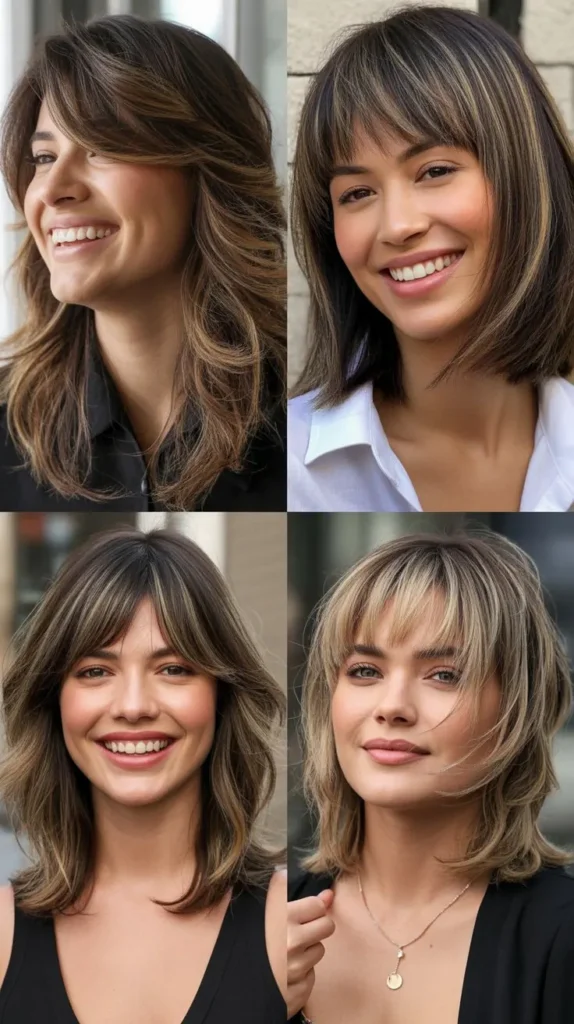
Establishing an effective nighttime routine preserves your thick wavy layered hair’s style overnight, reducing morning styling time while maintaining your hair’s health and appearance.
These techniques prevent damage and deformation.
- Silk or satin pillowcases reduce friction against your hair while sleeping, preventing the frizz, tangles, and deformation that cotton pillowcases cause through their rougher texture.
- Loose braids or twists preserve wave pattern while preventing tangles, with the braid size determining the resulting wave size—larger braids for looser waves, smaller for tighter texture.
- The pineapple method involves gathering hair loosely at the top of your head with a silk scrunchie, preserving root volume and wave definition throughout the night.
- Sleeping with hair completely down works for some, especially with silk pillowcases, though most people achieve better morning results with some protective styling.
- Dry shampoo applied at night rather than morning allows it to absorb overnight oil production, resulting in fresher hair that doesn’t appear powdery or dull.
- Refreshing sprays or leave-in conditioners applied before bed provide overnight moisture that combats morning dryness and makes hair more manageable when styling.
- Morning refresh involves spritzing hair with water or refresh spray, scrunching to reactivate products from the previous day, and optionally diffusing for 2-3 minutes for additional volume.
- These protective techniques extend your initial style from 1-2 days to 3-4 days or more, significantly reducing styling frequency and associated heat damage.
25. Bangs Variations for Layered Shoulder-Length Hair
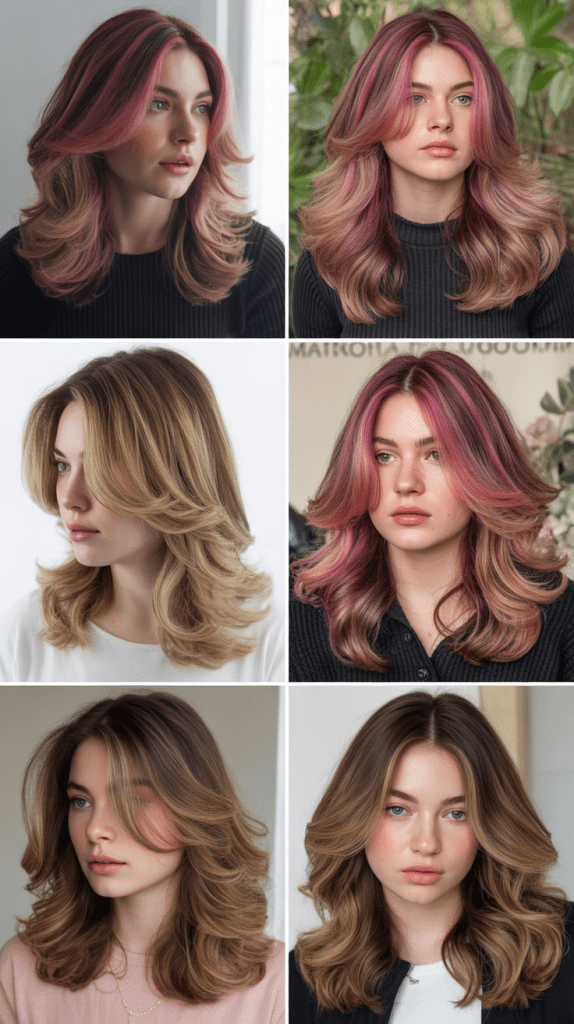
Adding bangs to thick wavy shoulder-length layered hair transforms your entire look instantly.
Various bang styles complement different face shapes and personal aesthetics while working harmoniously with your existing layers.
- Blunt bangs cut straight across create a bold, statement-making look that works best on those with naturally straighter texture or commitment to daily straightening of thick wavy bangs.
- Side-swept bangs offer versatility and lower maintenance, blending seamlessly into your face-framing layers while working with rather than against your natural wave pattern.
- Wispy bangs with texturized, separated pieces prevent the heavy appearance thick hair can create when cut into solid bangs, offering a softer, more romantic aesthetic.
- Curtain bangs remain the most popular choice for thick wavy shoulder-length hair because they enhance natural texture, suit all face shapes, and require minimal styling effort.
- Baby bangs (micro bangs) create an edgy, fashion-forward look but require significant commitment and maintenance, working best for those with creative personal style.
- Bang length significantly impacts maintenance requirements—longer bangs require less frequent trims and offer more styling versatility than shorter, more precise bang cuts.
- Thick wavy hair holds bang shapes well throughout the day but may require morning touch-ups with a round brush or flat iron depending on the bang style chosen.
- Growing out bangs proves easier with wavy hair as the texture helps blend growing sections into your overall length, though strategic trims during the process maintain a polished appearance.
26. Color Techniques That Enhance Layers
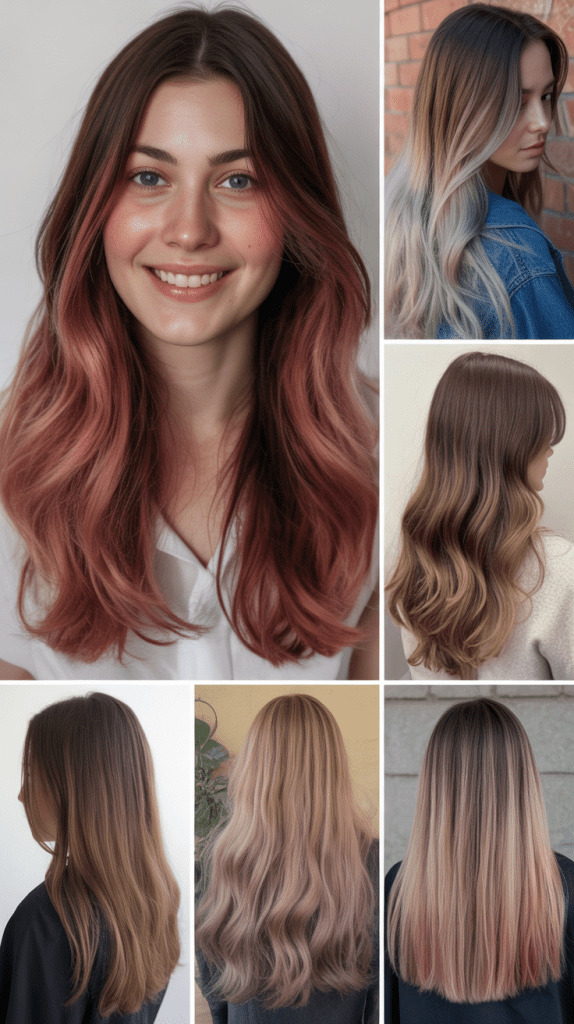
Strategic color placement amplifies the dimension created by layering in thick wavy shoulder-length hair.
These techniques use color to emphasize movement, create depth, and personalize your style.
- Highlights placed specifically on the top layers create brightness that draws attention to the movement and dimension your cut creates, emphasizing rather than distracting from your layers.
- Lowlights added to underneath sections create depth and shadow that makes top layers appear lighter and more vibrant by contrast, amplifying dimensional effects.
- Ombré techniques featuring darker roots that gradually lighten toward ends follow the natural direction of your layers, creating a cohesive look that emphasizes length and movement.
- Face-framing highlights positioned around your face-framing layers brighten your complexion and draw attention to these flattering sections of your cut.
- Babylights—extremely fine, delicate highlights throughout—create natural-looking dimension that mimics how sun naturally lightens hair, particularly effective on thick hair that can handle numerous fine sections.
- Root smudging blends regrowth seamlessly and reduces maintenance frequency, particularly beneficial for thick hair where roots become heavy and noticeable quickly as color grows out.
- Color melting techniques create seamless transitions between multiple tones, preventing harsh lines that look especially obvious on layered hair where different lengths sit at different angles.
- Maintenance considerations include using color-safe shampoos, limiting heat styling, and scheduling regular toning treatments to prevent brassiness in lightened sections.
27. Maintaining Your Layered Cut Between Salon Visits
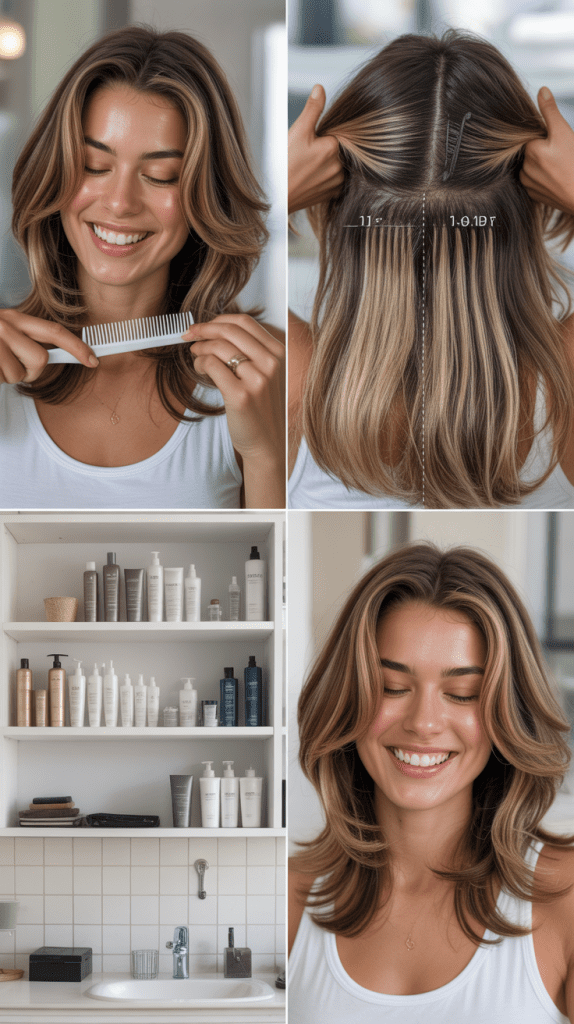
Proper maintenance between salon appointments extends your cut’s integrity, preserves your style’s shape, and protects your investment in professional hairstyling. These practices keep thick wavy layered hair looking its best.
- Regular trims every 6-10 weeks prevent split ends from traveling up the hair shaft and maintain your cut’s shape, though growing out layers may extend this timeline slightly.
- Dusting—removing only 1/8 to 1/4 inch—preserves length while eliminating damage, ideal for those maintaining their current length while keeping their cut fresh.
- Deep conditioning treatments weekly or bi-weekly combat the dryness that thick hair experiences, particularly at the ends where older hair shows more damage.
- Protein treatments every 4-6 weeks strengthen thick wavy hair and repair damage from heat styling, environmental exposure, and general wear that accumulates over time.
- Clarifying shampoo used monthly removes product buildup that weighs down layers and prevents your hair from moving freely and maintaining its intended shape.
- Heat protectant application before every heat styling session prevents cumulative damage that degrades your hair’s quality and makes your layers appear frizzy and unkempt.
- Preserving your cut’s integrity requires communicating clearly with stylists about your desired maintenance level, styling preferences, and any adjustments needed since your previous appointment.
- Documenting your cut with photos from multiple angles immediately after salon visits provides reference points for your next appointment and helps you communicate desired maintenance.
28. Humidity Management for Thick Wavy Hair
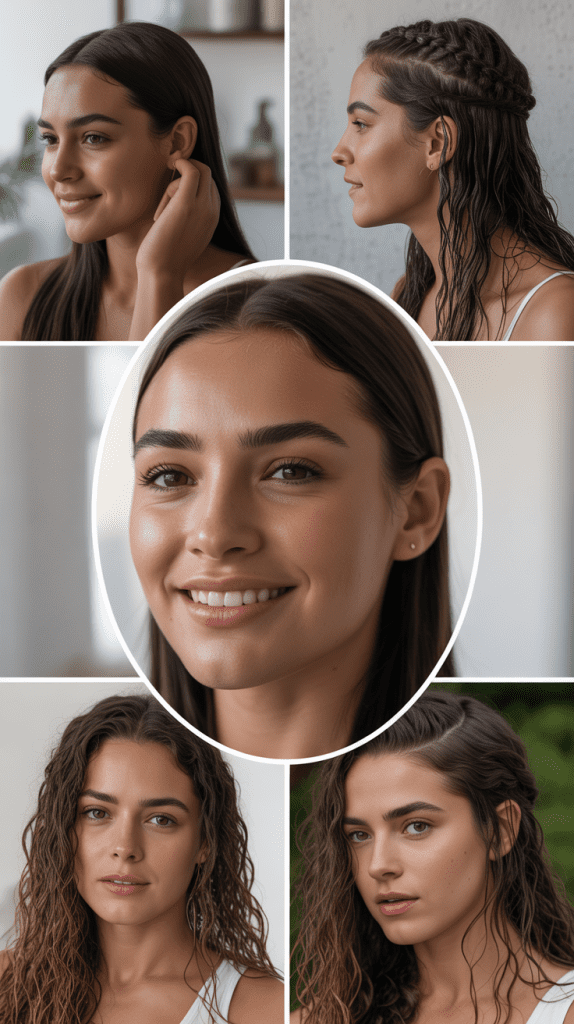
Humidity presents unique challenges for thick wavy layered hair, causing frizz, loss of definition, and style collapse.
Understanding humidity’s effects and implementing protective strategies maintains your style regardless of weather conditions.
- Humidity causes the hair cuticle to swell as moisture penetrates the hair shaft, disrupting your style and creating the frizzy, undefined appearance thick wavy hair particularly suffers from in humid conditions.
- Anti-humidity products containing polymers create a protective barrier around each hair strand, preventing external moisture from penetrating and disrupting your style’s integrity.
- Silicone-based serums provide humidity protection but must be used sparingly on thick hair to prevent buildup that weighs down layers and creates a greasy appearance.
- Oil-based products including argan and coconut oil seal the cuticle naturally, providing humidity protection while adding shine and managing frizz without synthetic ingredients.
- Styling techniques including smooth blow-drying or setting styles with pins create more humidity-resistant results than air-drying, which leaves cuticles more vulnerable to moisture penetration.
- Strategic product layering—applying leave-in conditioner, then styling product, then finishing serum—creates multiple protective barriers against humidity while providing hold and definition.
- Refreshing sprays formulated for humidity reactivate your original products throughout the day, providing renewed protection as initial applications break down with time and exposure.
- Accepting some texture changes in extreme humidity allows you to work with rather than against your hair, perhaps embracing a more textured, tousled look on particularly humid days.
29. Seasonal Styling Adjustments
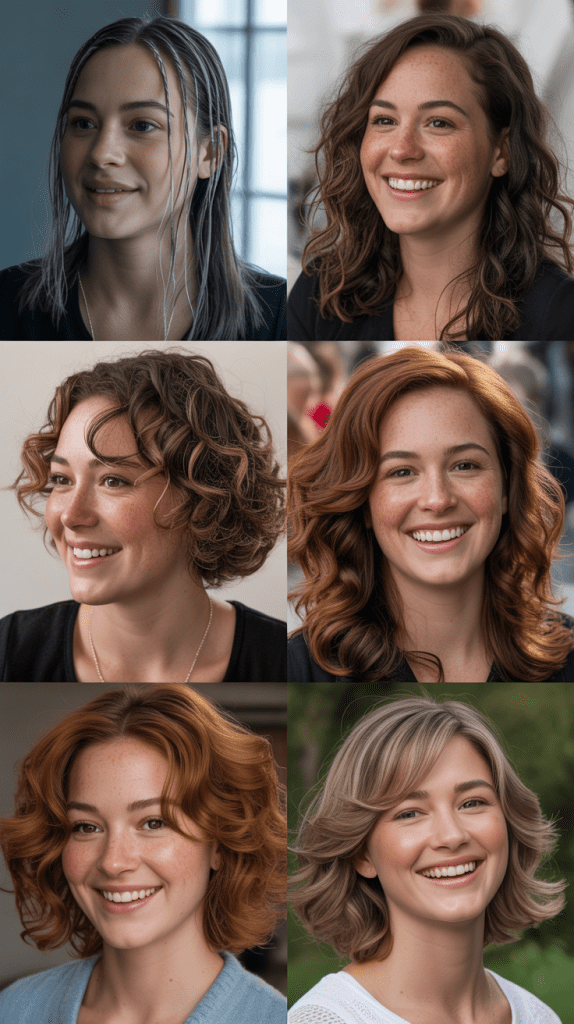
Each season presents unique challenges and opportunities for styling thick wavy shoulder-length layered hair.
Adapting your approach seasonally maintains optimal hair health and appearance year-round.
- Winter’s dry, cold air and indoor heating create static electricity and moisture loss that makes thick wavy hair appear dull, frizzy, and unmanageable without proper intervention.
- Spring’s unpredictable weather demands versatile styling that transitions between damp, humid days and dry, comfortable conditions without requiring complete restyling.
- Summer humidity and sun exposure present dual challenges of frizz from moisture and damage from UV rays, requiring protective products that address both concerns simultaneously.
- Fall’s transitional weather offers ideal conditions for trying new styles and colors as moderate temperatures and humidity levels make hair easier to manage and style.
- Seasonal product rotation prevents buildup and ensures your hair receives appropriate care for current environmental conditions rather than one-size-fits-all year-round treatment.
- Color considerations shift seasonally, with richer, deeper tones popular for fall and winter, while brighter highlights and sun-kissed effects dominate spring and summer requests.
- Styling time adjustments account for seasonal variations—quick, heat-free styles for hot summers versus blow-dried, polished looks more comfortable in cooler months.
30. Professional Styling Secrets for Home Use
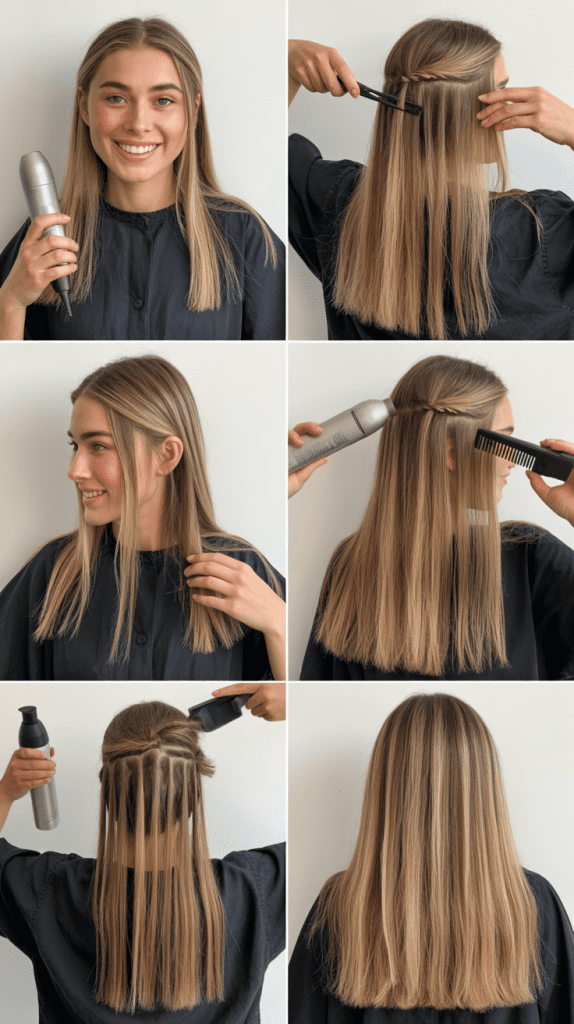
Professional stylists employ specific techniques and knowledge that create superior results compared to typical home styling.
Learning these insider methods elevates your thick wavy layered hair from adequate to exceptional.
- Proper sectioning divides hair into manageable portions that receive equal attention and styling, preventing the uneven results that occur when trying to style too much hair at once.
- Tension control while blow-drying—pulling hair taut enough to smooth without yanking or causing breakage—separates professional results from amateur attempts.
- Product application to soaking wet hair rather than damp hair ensures even distribution and better absorption, particularly important for thick hair where product struggles to penetrate throughout.
- Tool angle matters significantly, with proper positioning of flat irons, curling irons, and blow dryers affecting both results quality and time required to achieve desired styling.
- Layering techniques involve styling underneath sections first, building up through your layers rather than starting at the top and expecting bottom sections to cooperate.
- Temperature selection based on specific hair characteristics rather than using maximum heat prevents damage while achieving desired results, with thick coarse hair tolerating higher heat than thin fine hair.
- Finishing techniques including cool shots, final product application, and strategic smoothing determine whether styles last two hours or two days, representing professional polish.
- Practice and patience remain the most important “secrets,” as developing muscle memory and technique familiarity naturally improves results with each styling session.
31. Troubleshooting Common Thick Wavy Hair Issues
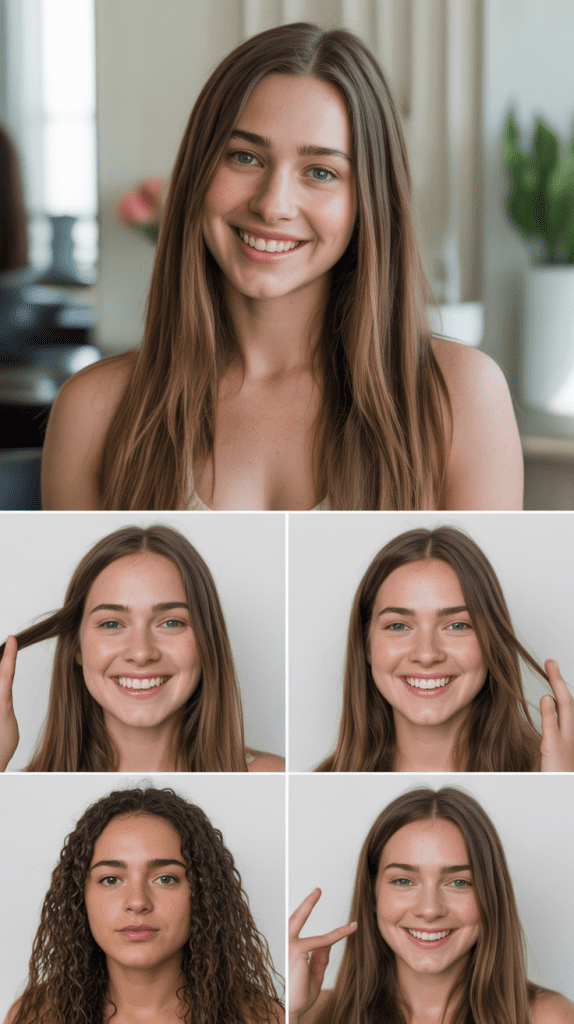
Even with proper cutting and styling, thick wavy shoulder-length layered hair presents occasional challenges.
Understanding common problems and their solutions prevents frustration and maintains your hair’s beauty.
- Frizz along the hair shaft indicates moisture imbalance or cuticle damage, addressed through deep conditioning treatments, proper product selection, and heat styling reduction.
- Flat roots despite overall volume suggest products are weighing down your hair or your cut needs adjustment at the crown with additional layering for lift.
- Undefined waves that fall flat quickly indicate insufficient product, improper application, or styling techniques that smooth away your natural texture rather than enhancing it.
- Triangle-shaped silhouettes where hair appears wider at the sides than top or bottom suggest inadequate layering through the mid-sections and sides requiring professional adjustment.
- Greasy appearance despite recent washing indicates product buildup, use of overly heavy products, or application of styling products too close to roots.
- Tangles and knots forming quickly throughout the day suggest dryness, damage, or improper product use that creates texture without proper slip for manageability.
- Color appearing brassy or dull indicates need for toning treatments, purple shampoo use, or professional color correction to neutralize unwanted tones.
- Lack of style longevity with your look falling by afternoon suggests inadequate product hold, incorrect styling techniques, or the need for hairspray or setting spray application.
32. Budget-Friendly Styling Tools and Products
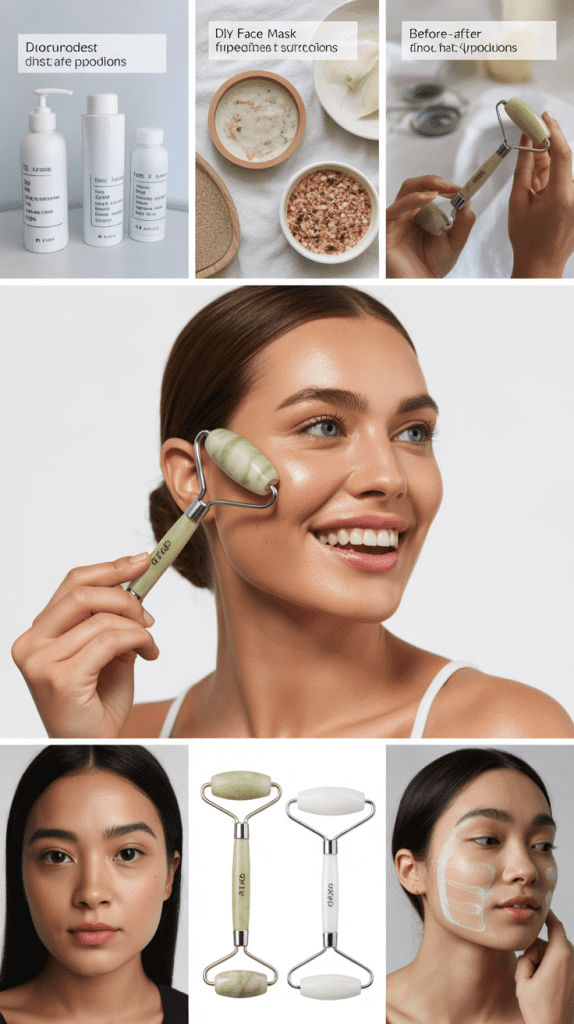
Achieving beautiful thick wavy shoulder-length layered hair doesn’t require expensive professional-grade tools and luxury products.
Strategic selections provide excellent results without breaking your budget.
- Drugstore brands have evolved significantly and now offer formulations comparable to expensive salon lines, with many developed by the same parent companies using similar technologies.
- Multi-purpose tools including blow dryer and styling brush combinations reduce initial investment while providing adequate functionality for home styling needs.
- DIY deep conditioning treatments using kitchen ingredients like coconut oil, honey, avocado, and eggs provide intensive moisture and protein without professional product prices.
- Generic or store-brand versions of popular styling products often contain similar active ingredients to name-brand options at significantly lower price points.
- Tool longevity matters more than initial cost—a mid-priced dryer lasting five years provides better value than a cheap option requiring replacement annually.
- Sample sizes and travel versions allow you to test expensive products before committing to full-size purchases, preventing wasted money on products that don’t work for your hair.
- Subscription boxes focusing on hair care offer opportunities to discover new products at reduced costs compared to purchasing full sizes of everything individually.
- Investing strategically in one or two key items—perhaps a quality blow dryer or flat iron—while economizing on products and accessories provides the best balance of results and budget consciousness.
33. Protective Styling for Thick Wavy Hair
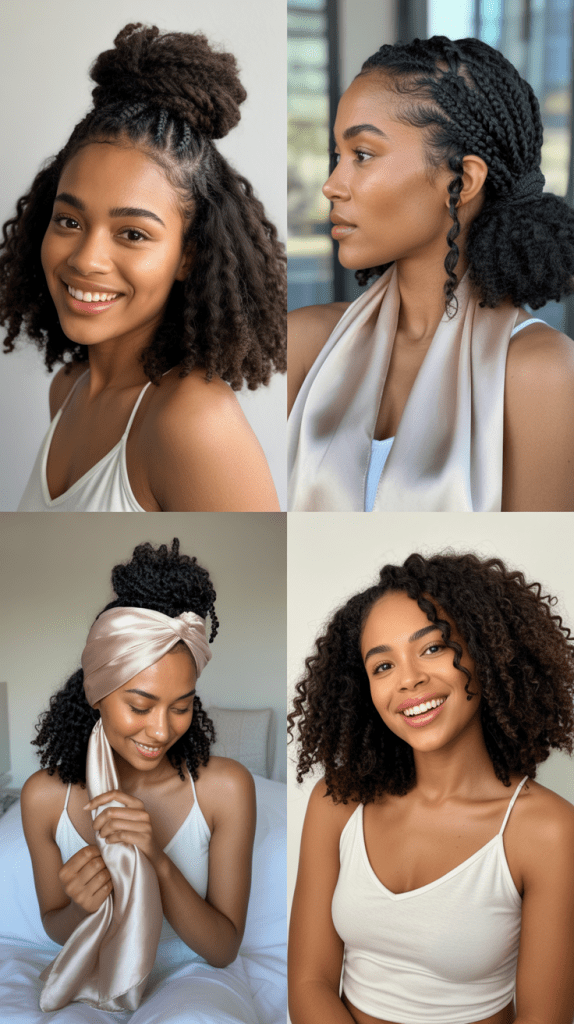
Protective styling reduces manipulation, environmental exposure, and heat damage while maintaining your thick wavy layered hair’s health.
These styles work for shoulder-length hair and preserve your cut’s integrity.
- Loose braids protect hair during sleep, exercise, or windy weather without creating excessive tension that damages roots or causes breakage at the hairline.
- Low buns positioned at the nape of your neck keep hair secure and protected while remaining comfortable and preventing the headaches high ponytails can cause in thick, heavy hair.
- Twisted styles including simple two-strand twists protect hair while creating beautiful wave patterns when released, serving both protective and styling functions.
- Silk or satin scrunchies prevent the creasing, breakage, and tension that traditional elastic bands create, particularly important for thick hair requiring more securing power.
- Half-up styles protect the top sections of your hair from environmental damage while allowing bottom sections to display your beautiful waves and layers.
- Headbands and hair accessories add style while controlling face-framing sections that might otherwise require heat styling or constant adjustment throughout the day.
- Protective styling doesn’t mean sacrificing appearance—many protected styles appear polished and intentional while serving their protective function effectively.
- Duration matters as leaving protective styles in too long without washing or treating hair creates its own problems including buildup, tangles, and potential dreadlock formation at roots.
34. Air-Drying Techniques for Natural Texture
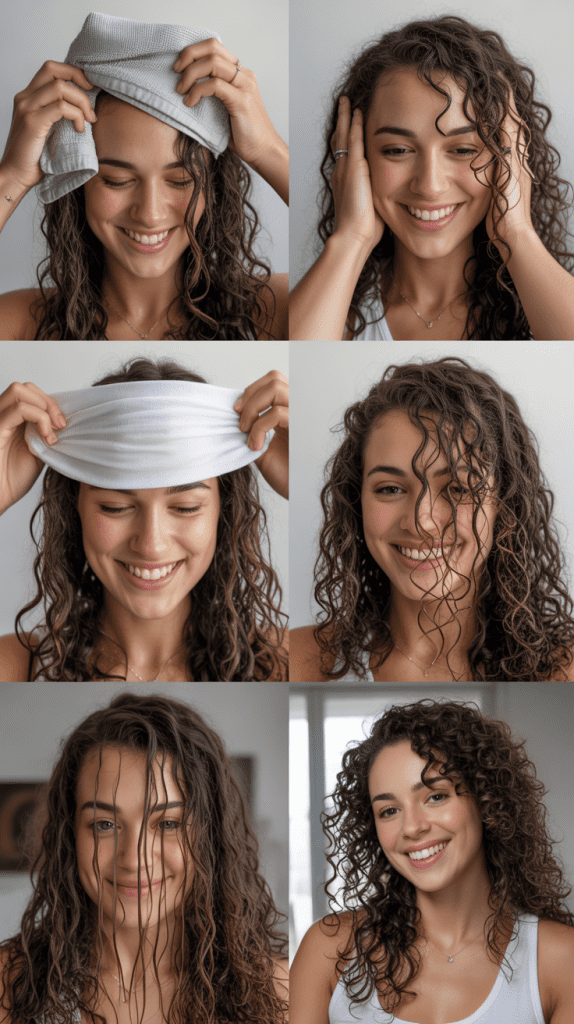
Air-drying thick wavy layered hair produces beautiful natural texture while avoiding heat damage.
Proper techniques ensure defined waves rather than frizzy, undefined results that sometimes occur with simple air-drying.
- Microplopping involves using a microfiber towel or t-shirt to scrunch excess water from hair immediately after washing, encouraging wave formation while removing weight that pulls waves straight.
- The plopping method wraps wet, product-applied hair in a t-shirt or microfiber towel for 20-30 minutes, allowing products to set and waves to form in their natural pattern.
- Product selection proves crucial for air-dry success, with wave-enhancing mousses, gels, or creams providing hold and definition that prevent frizz as hair dries naturally.
- Scrunching product into soaking wet hair rather than smoothing it through encourages wave formation and prevents the smoothed, undefined appearance that results from wrong application techniques.
- Avoiding touching hair while it dries prevents disruption of forming wave patterns and reduces frizz from friction and manipulation during the drying process.
- Strategic positioning of clips at the roots during air-drying creates volume and prevents the flat roots that gravity can cause in wet, heavy thick hair.
- Complete drying takes 3-6 hours for thick shoulder-length hair depending on climate and hair density, requiring patience or overnight drying for those unable to wait during the day.
- SOTC (scrunching out the crunch) after hair fully dries breaks the gel cast for soft, touchable waves rather than crunchy, stiff-feeling results that initial drying creates with gel products.
35. Wedding and Special Event Styling
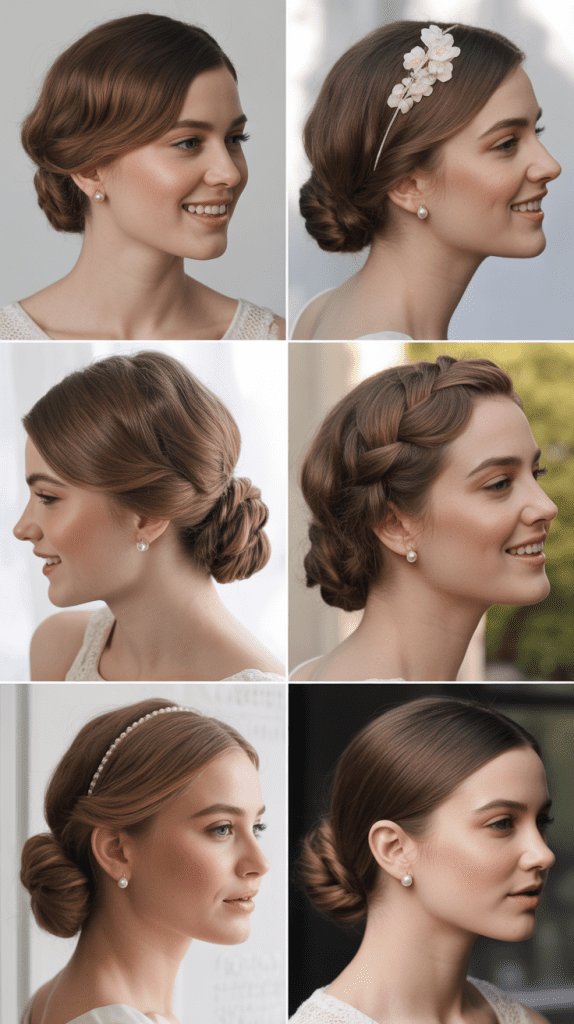
Special occasions demand styles that photograph beautifully, last throughout long events, and complement formal attire while showcasing your thick wavy shoulder-length layered hair’s beauty.
- Half-up half-down styles offer the perfect balance for shoulder-length hair, providing elegance and security while displaying your hair’s length and beautiful waves.
- Vintage waves created with pin curls or setting rollers provide Old Hollywood glamour that photographs beautifully and withstands hours of celebration without falling.
- Braided elements including crown braids, side braids, or intricate braided details add interest and romance while helping secure styles that might otherwise slip in thick, heavy hair.
- Hair accessories including jeweled pins, decorative combs, flowers, or ribbons add personalization and coordinate with formal attire while serving functional purposes of securing styled sections.
- Strategic teasing (backcombing) at roots creates volume and staying power that keeps styles elevated throughout long events without appearing flat or fallen.
- Professional styling for major events proves worthwhile as stylists understand techniques for creating long-lasting styles and can adjust as needed for dress changes or ceremony-to-reception transitions.
- Trial runs before events allow you to test styles, timing, product needs, and make adjustments, preventing day-of surprises or disappointments with your appearance.
- Setting spray applied in multiple light layers throughout the styling process rather than one heavy application at the end provides stronger hold without stiffness or visible residue.
36. Transitioning from Long to Shoulder-Length Hair
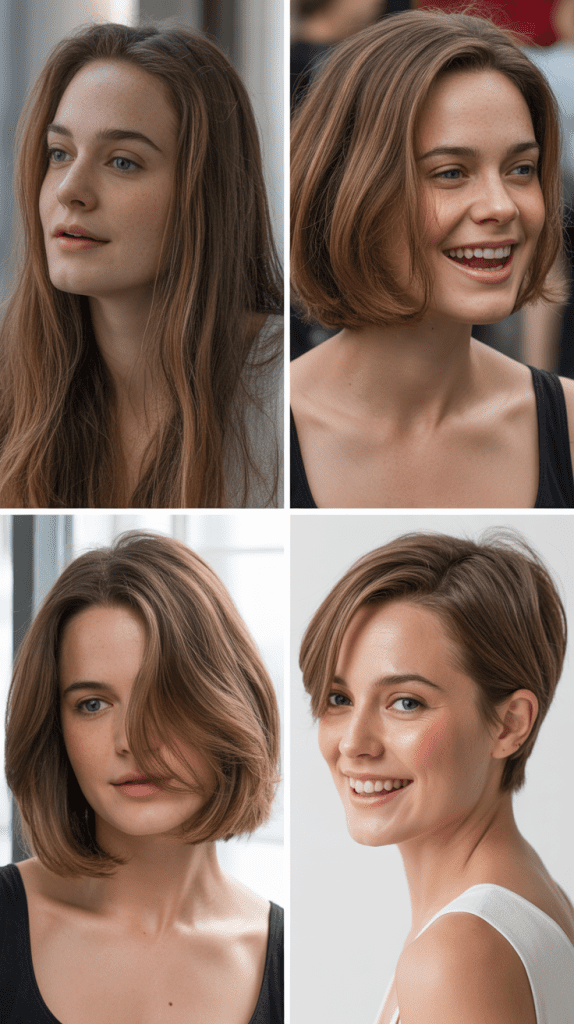
Making the decision to cut long hair to shoulder length requires preparation, planning, and understanding what to expect during the transition.
This change affects styling routines and maintenance approaches.
- The psychological adjustment to significant length removal surprises many, even those excited about the change, as hair often connects to identity and self-image more deeply than expected.
- Gradual cutting in stages—removing a few inches at a time over several appointments—allows adjustment and prevents the shock of dramatic single-appointment transformations.
- Styling time decreases significantly with shoulder-length hair compared to very long hair, creating extra time in daily routines that some find liberating and others must adjust to filling differently.
- Product quantities reduce with less hair requiring coverage, potentially saving money over time despite the fact that thick shoulder-length hair still uses more product than thin hair.
- New styling possibilities open up with shoulder length that weren’t practical with long hair’s weight, including voluminous styles, defined waves, and cuts like shags that require less length.
- Donation programs accept hair 8+ inches long, allowing your cut hair to serve a meaningful purpose if your previous length qualifies for donation programs.
- Growing out decisions may haunt those who regret their cut, as returning to previous length takes 1-2 years, making absolute certainty about cutting important before committing.
- Maintenance frequency may increase initially as you establish your new cut’s shape, though overall time investment in hair care typically decreases with reduced length.
37. Men with Shoulder-Length Thick Wavy Hair
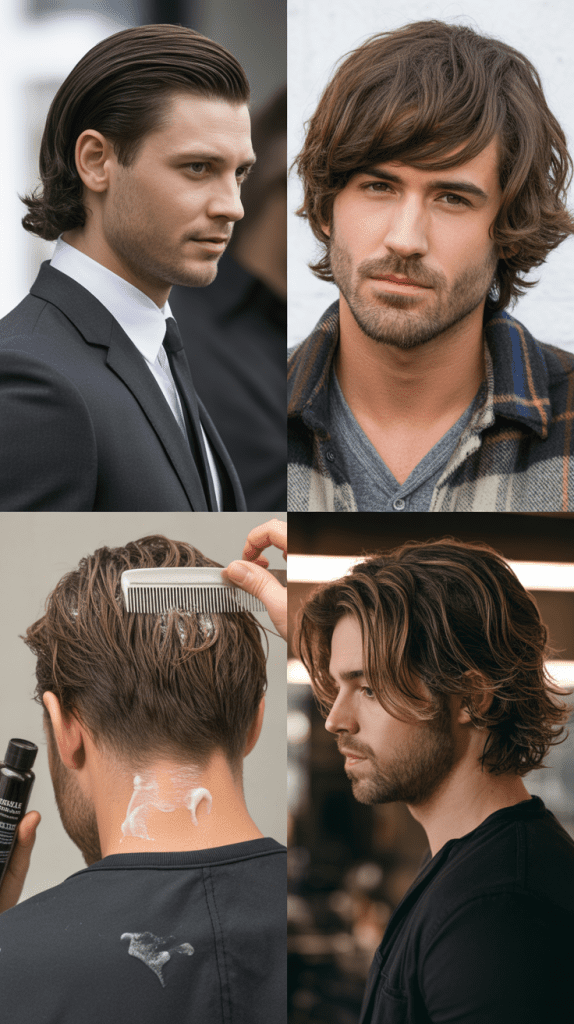
While this guide focuses primarily on women’s styles, men with shoulder-length thick wavy hair face similar challenges and can benefit from many of the same layering and styling techniques.
- Layering proves equally important for men’s thick wavy hair to prevent bulk accumulation, triangle shapes, and the unkempt appearance that unlayered thick hair can create.
- Men’s styling typically embraces more natural texture and less product-heavy approaches, focusing on health and movement rather than elaborate styling techniques.
- Professional settings may present additional challenges for men with longer hair, requiring styles that appear neat and intentional rather than messy or neglected.
- Product selection for men often emphasizes lighter holds and matte finishes rather than high-shine products that can appear overly styled or unnatural.
- Beard compatibility becomes a consideration as facial hair combined with shoulder-length hair creates specific aesthetic balances requiring intentional grooming coordination.
- Cultural and professional contexts affect men’s hair choices more significantly than women’s in many environments, requiring awareness of workplace norms and social expectations.
- The man bun, half-up styles, and pulled-back looks provide practical solutions for managing shoulder-length hair during physical activity or work requirements.
- Maintenance routines may differ slightly as men’s hair care often focuses on efficiency and minimalism rather than extensive product routines, though healthy hair requires proper care regardless of gender.
38. Teen and Young Adult Styling Trends
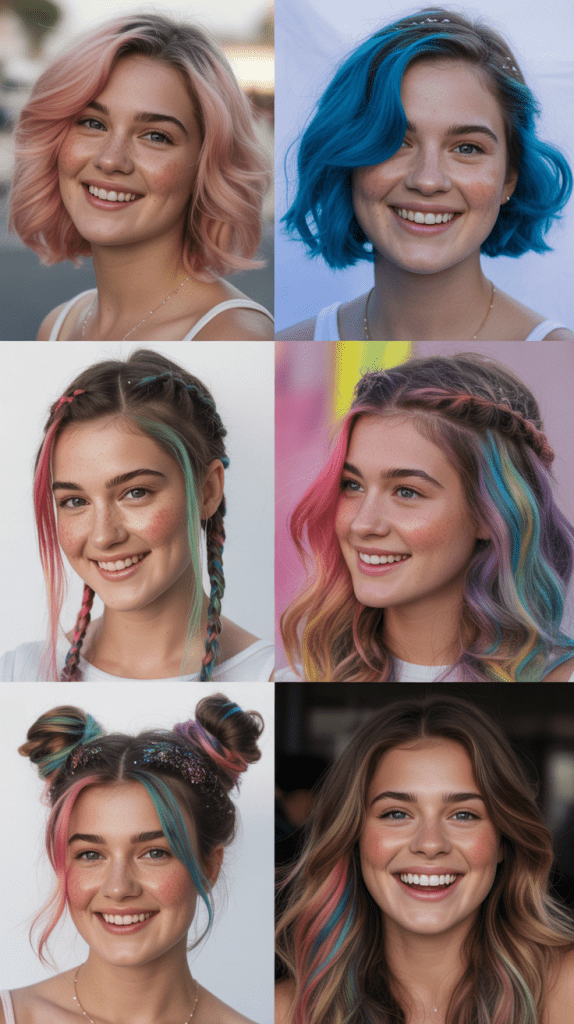
Younger demographics embrace different trends and priorities with shoulder-length thick wavy layered hair, often favoring edgier, more experimental approaches than mature adults.
- Social media platforms including TikTok and Instagram heavily influence youth hair trends, with viral styles and tutorials creating sudden demand for specific cuts and colors.
- Bold color choices including vivid fashion colors, two-toned looks, and unconventional color placements appear more frequently in younger demographics willing to experiment.
- Budget constraints affect teen styling choices, creating demand for affordable products, DIY techniques, and styles that don’t require expensive salon maintenance.
- School and parental restrictions may limit color and styling choices for some teens, requiring compromise between desired self-expression and institutional or family rules.
- Peer influence affects hair decisions significantly during teen and young adult years, with friend groups often sharing similar styles or experimenting together.
- Quick, low-maintenance styles appeal to young people balancing school, activities, work, and social lives without extensive time for elaborate daily hair routines.
- Trend cycling moves faster in youth markets, with styles remaining popular for months rather than years, creating pressure to frequently update looks.
- Self-expression through hair becomes particularly important during identity formation years, making hair choices more emotionally significant than purely aesthetic decisions.
39. Mature Women and Age-Appropriate Layering
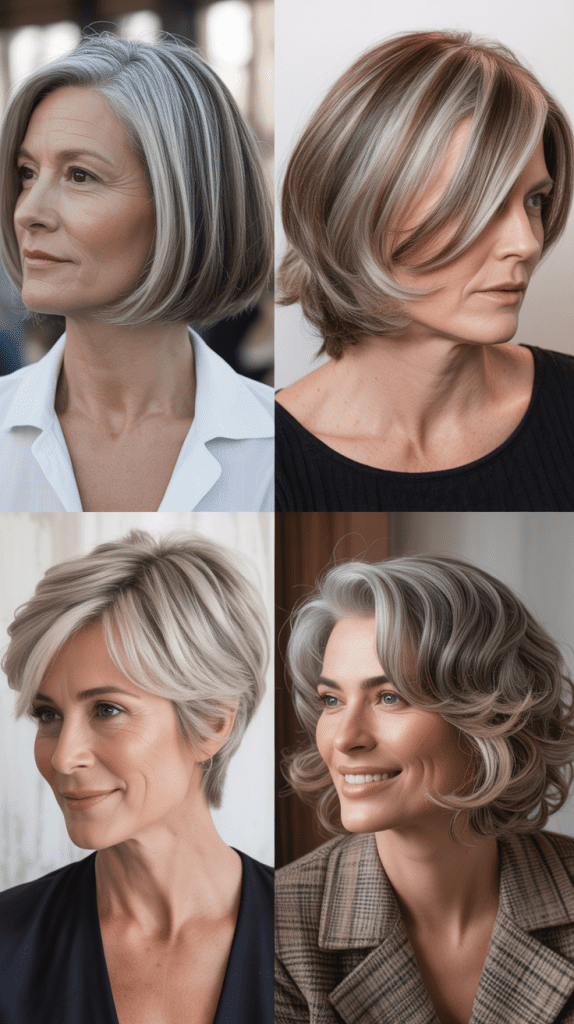
Women over 40 or 50 benefit from specific layering approaches that address age-related hair changes while maintaining sophistication and style.
These techniques account for texture changes, thinning, and grey coverage needs.
- Hair texture typically changes with age, becoming coarser, dryer, or sometimes finer, requiring layering adjustments that work with current texture rather than past hair characteristics.
- Face-framing layers become increasingly important for mature women as strategic placement draws attention to eyes and cheekbones while softening signs of aging around the jawline.
- Grey coverage or enhancement requires specific considerations, with highlights or lowlights blending grey naturally rather than solid color that creates harsh regrowth lines.
- Volume preservation proves crucial as aging hair often loses density, with layering techniques that create lift and movement compensating for reduced natural fullness.
- Timeless sophistication typically supersedes trendy extremes for mature women, with classic cuts and colors providing elegance that doesn’t appear dated or age-inappropriate.
- Maintenance efficiency becomes increasingly valued with age as priorities shift toward simplicity without sacrificing polished appearance for professional or social settings.
- Heat styling damage shows more prominently on mature hair, necessitating increased focus on protective techniques and products that preserve hair health and integrity.
- Confidence and self-assurance allow mature women to choose styles based on personal preference rather than trend conformity, embracing what works individually rather than following collective trends.
40. Workout-Friendly Styling Solutions
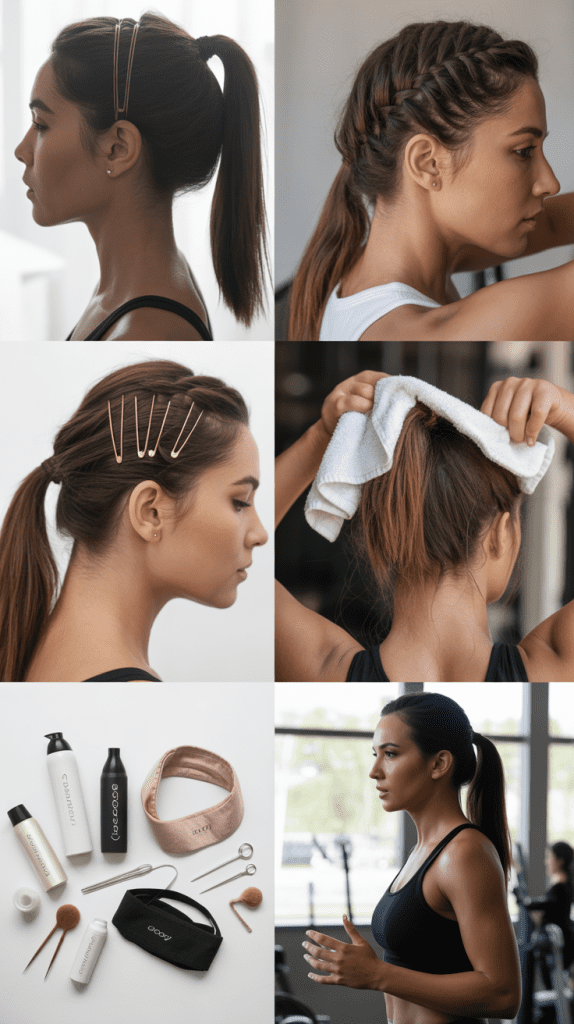
Active lifestyles require hairstyles that remain attractive while withstanding sweat, movement, and frequent washing without constant restyling.
These solutions balance fitness needs with aesthetic preferences.
- High ponytails positioned at the crown keep thick wavy hair secure during intense movement while preventing neck irritation that lower ponytails can cause with sweat and friction.
- Dutch or French braids provide complete security during vigorous activity while creating beautiful wave patterns when released post-workout for attractive second styles.
- Headbands and sports-specific hair accessories designed for thick hair control face-framing sections and prevent constant adjusting during workouts that disrupts focus and comfort.
- Product selection includes sweat-resistant formulas that maintain hold during exercise without creating buildup or greasiness that requires immediate washing post-workout.
- Dry shampoo applied before workouts absorbs sweat and oil produced during exercise, reducing the necessity of washing hair after every single workout session.
- Refresh techniques including strategic rewetting, product reapplication, and quick styling allow transition from gym to other activities without full washing and restyling.
- Protective styling during workouts prevents damage from friction, pulling, and environmental exposure while keeping hair manageable and out of your way during activity.
- Washing frequency balance proves challenging for active individuals, requiring strategies that maintain scalp health without overwashing that strips natural oils and causes dryness.
41. Swimming and Water Activity Considerations
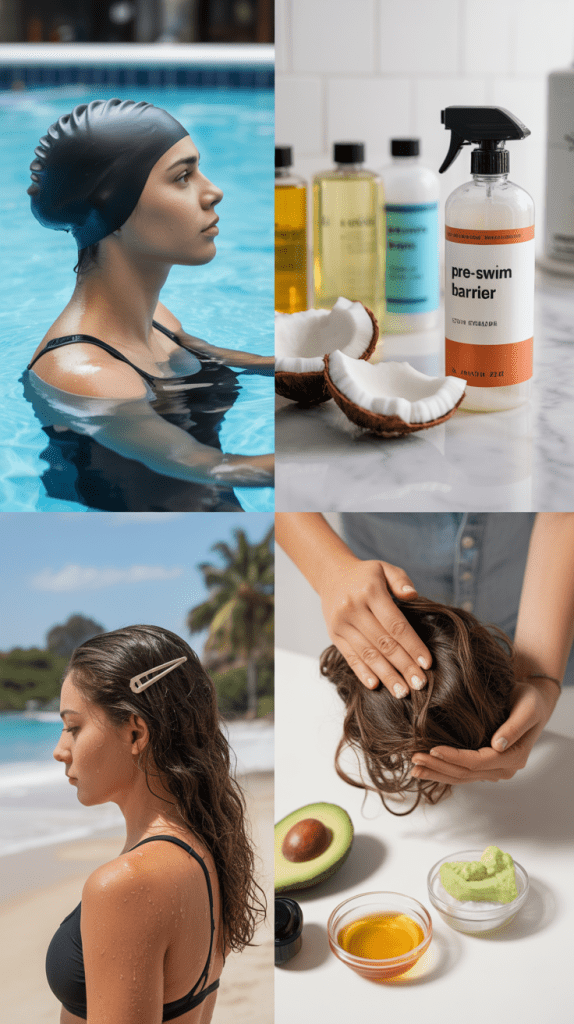
Swimming presents unique challenges for thick wavy layered hair as chlorine, salt water, and prolonged wetness can cause significant damage.
Protective measures preserve your hair’s health and appearance.
- Pre-swim saturation with fresh water fills your hair’s capacity to absorb liquid, reducing chlorine or salt water absorption that causes dryness, color fading, and texture changes.
- Leave-in conditioner or protective oil applied before swimming creates a barrier between your hair and harsh pool chemicals or ocean salt that would otherwise penetrate and damage.
- Swim caps provide maximum protection though many avoid them for comfort or aesthetic reasons, with silicone caps offering better protection than latex alternatives.
- Braiding hair before swimming reduces tangling, matting, and the massive knot formation that loose thick wavy hair experiences when thoroughly wetted and moved through water.
- Post-swim rinsing with fresh water immediately after exiting the pool or ocean removes chemicals and salt before they dry on your hair and cause maximum damage.
- Clarifying shampoo used after swimming removes chlorine, salt, and mineral buildup that regular shampoo cannot fully eliminate, though overuse strips natural oils.
- Deep conditioning treatments after swimming restore moisture and repair damage from chemical and salt exposure, maintaining hair health despite regular water activity.
- Sun protection for hair becomes crucial during outdoor water activities as UV exposure combined with chemical exposure creates compounding damage requiring preventative measures.
42. Color Maintenance for Shoulder-Length Layers
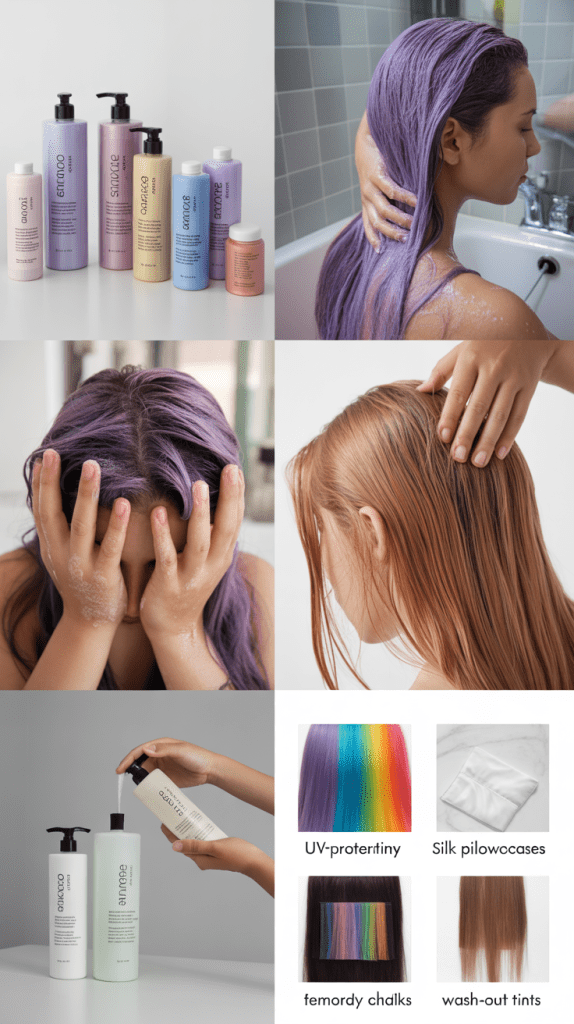
Maintaining colored thick wavy layered hair requires specific routines protecting your color investment while preserving hair health.
These strategies extend color vibrancy and reduce salon visit frequency.
- Color-safe shampoos and conditioners formulated without sulfates preserve color molecules within your hair shaft rather than stripping them with each washing.
- Washing frequency reduction extends color life significantly, with techniques including dry shampoo use, strategic wetting of only certain sections, and using conditioner-only washing allowing longer intervals.
- Cool water for rinsing seals the cuticle and locks in color molecules, while hot water opens the cuticle and allows color to escape with each washing.
- Purple shampoo for blonde or highlighted hair neutralizes yellow and brassy tones that develop as color fades, maintaining cool, fresh-looking color between highlighting appointments.
- Gloss treatments at home or professionally deposit shine and refresh color without the commitment or damage of permanent color applications, extending time between full color services.
- Heat styling reduction prevents accelerated color fading as heat opens the hair cuticle and allows color molecules to escape more readily than they would otherwise.
- Sun protection for hair including UV-protective products or physical barriers like hats prevents sun-induced fading that occurs rapidly during summer or tropical vacations.
- Root touch-ups between full color appointments maintain uniform color appearance without subjecting your entire length to repeated chemical processing and potential damage.
43. Dealing with Different Wave Patterns
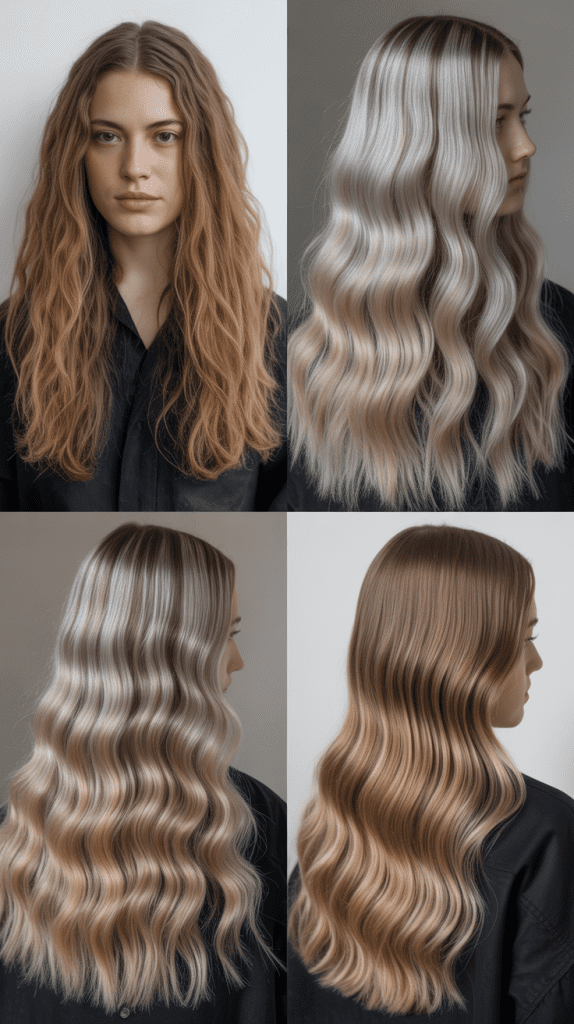
Many people with thick wavy hair experience multiple wave patterns throughout their head rather than uniform waves, requiring strategic approaches that work with rather than against this natural variation.
- The underside of thick hair often develops looser waves or appears almost straight because the weight of hair above it pulls it straighter than the top sections.
- Hair at the nape of your neck may form tighter, more defined waves than hair at your crown due to differences in oil distribution, manipulation, and friction from clothing.
- Sides of your head might wave differently than the back due to sleeping patterns, habitual styling directions, and the way natural oils travel from your scalp.
- Section-specific product application addresses varying needs, with more holding products on looser sections and lighter products on sections that naturally form defined waves.
- Layering specifically accounts for wave pattern differences, cutting sections with looser waves slightly shorter to encourage more defined wave formation that matches other areas.
- Embracing natural variation rather than fighting for perfect uniformity often creates more interesting, dimensional results than forced consistency that appears overly controlled.
- Training hair through consistent styling over time can gradually encourage more uniform wave patterns, though complete consistency across your entire head remains rare even with dedicated effort.
- Strategic cutting can reduce extreme pattern differences by removing weight from straighter sections or adding texture that helps create more consistent overall appearance.
44. Root Volume Techniques
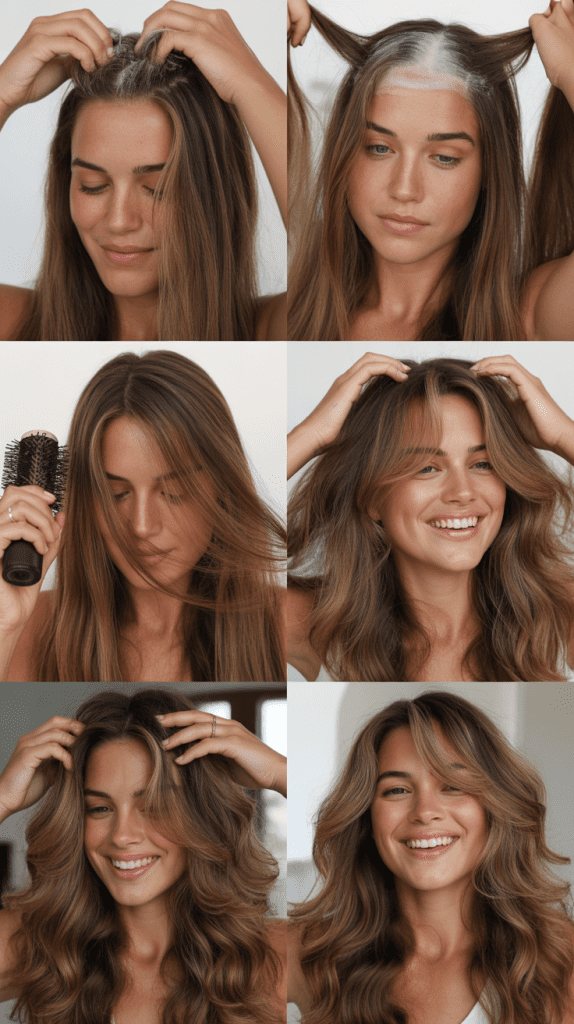
Creating and maintaining root volume challenges those with thick wavy hair as the weight of hair pulls roots flat.
These specific techniques lift roots and create lasting volume at your scalp.
- Blow-drying hair upside down with warm air directed at roots creates immediate lift that sets as hair cools, providing volume that withstands gravity throughout the day.
- Root-clipping while hair dries holds sections up and away from your scalp at strategic points, creating volume without requiring you to maintain uncomfortable upside-down positions.
- Volumizing powders or dry texturizing sprays applied specifically at roots create grit and texture that prevents hair from lying flat against your scalp.
- Back-combing (teasing) at roots creates temporary volume through controlled tangling that props hair up, though excessive teasing damages hair and should be used moderately.
- Changing your part occasionally prevents hair from developing permanent flat spots where it consistently parts and falls in the same direction.
- Sleeping with hair in a high loose bun or pineapple position maintains root volume overnight, preventing the flattening that occurs when sleeping with hair lying against your pillow.
- Volumizing mousses applied to wet roots before blow-drying provide hold and structure that maintains lift throughout the day without appearing stiff or unnatural.
- Strategic highlighting with lighter colors at your crown creates the optical illusion of height and dimension, making roots appear lifted even when they’re not.
45. Dealing with Cowlicks and Growth Patterns
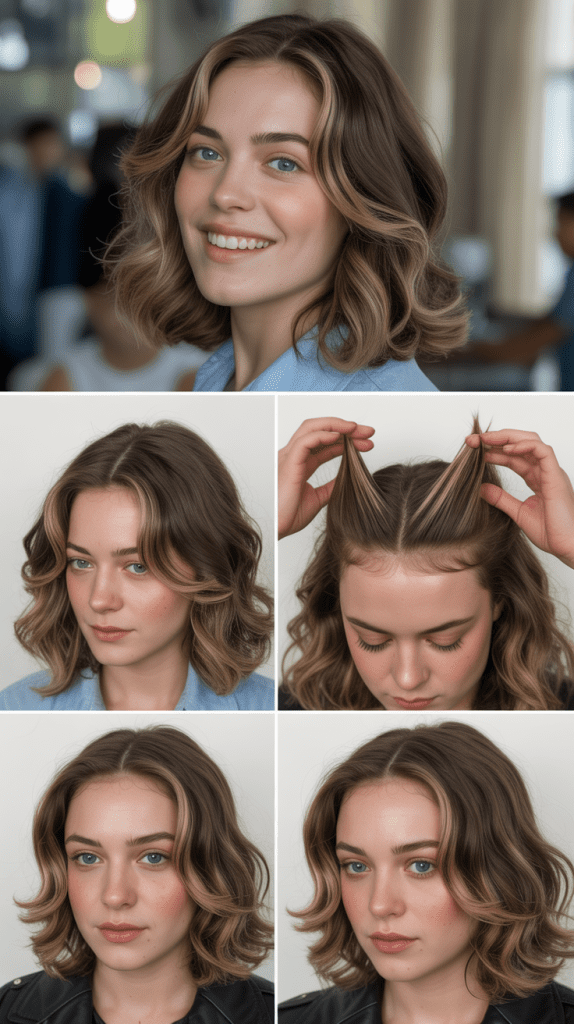
Natural growth patterns including cowlicks create styling challenges in thick wavy shoulder-length hair, causing sections to stick up, part awkwardly, or resist laying in desired directions.
- Cowlicks are sections where hair grows in a circular or spiral pattern different from surrounding hair, typically appearing at the crown, hairline, or part areas.
- Working with rather than against growth patterns produces more sustainable results, with cuts and styles that accommodate natural directions rather than fighting them constantly.
- Strategic layering around cowlicks reduces the weight that makes them stand up more prominently, allowing the natural growth pattern to blend better with surrounding sections.
- Product application specifically at cowlick areas while hair is very wet helps set the hair in desired directions as it dries, though some resistance typically remains.
- Blow-drying cowlicks in the opposite direction from their natural growth temporarily flattens them, followed by directing them toward your desired direction once slightly set.
- Embracing cowlicks as natural character in your hair often proves easier than constant fighting, with some styles actually benefiting from the unique volume and direction they create.
- Professional consultation about persistent cowlick challenges ensures your stylist cuts specifically to minimize their visual impact and provides realistic expectations about what’s achievable.
- Heat styling with flat irons can temporarily smooth stubborn cowlicks, though this solution requires daily maintenance and contributes to heat damage over time.
46. Quick 5-Minute Styling Routines
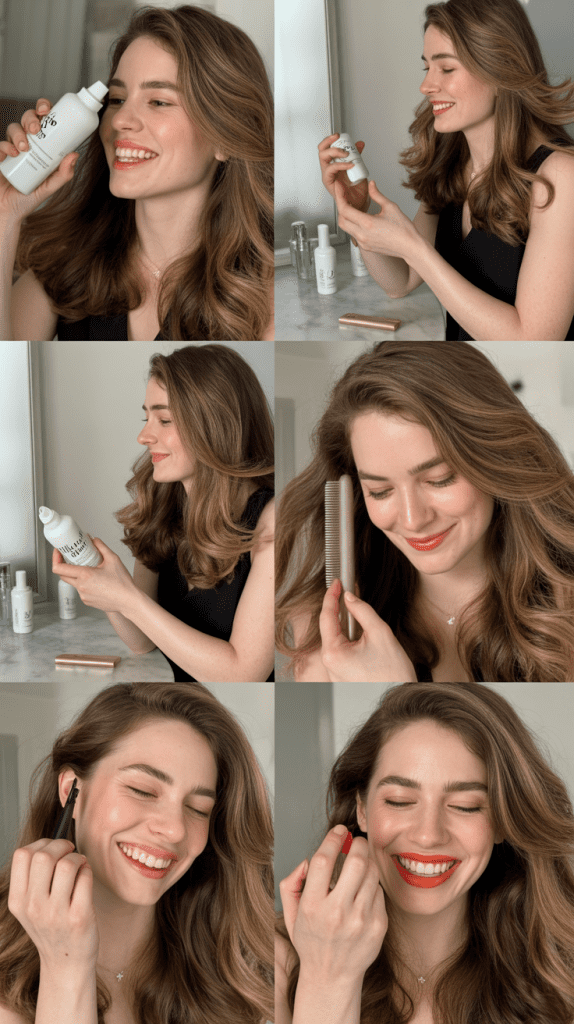
Busy mornings demand efficient styling that produces polished results without extensive time investment.
These quick routines work specifically for thick wavy shoulder-length layered hair.
- Second-day hair often styles faster than fresh-washed hair as existing products and set wave patterns provide a foundation requiring only refreshing rather than complete restyling.
- Dry shampoo at roots combined with water or refreshing spray at mid-lengths and ends revives hair without washing, cutting preparation time significantly.
- Strategic clipping while you perform other morning tasks allows your hair to set with volume without requiring active styling time, multitasking efficiency into your routine.
- Loose braids or twists on damp hair before bed create beautiful waves that need only separating and minor product application in the morning for polished results.
- Half-up styles pull back the most visible front and crown sections while leaving the rest down, creating an intentional look in under two minutes with a single hair tie or clip.
- Headbands, clips, or other accessories transform unstyled or partially-styled hair into intentional looks instantly, serving both functional and decorative purposes.
- Focusing on face-framing sections while leaving the back relatively unstyled creates the impression of complete styling since people primarily see your front and sides during interactions.
- Prioritizing products with multiple functions—combining hold, shine, frizz control—reduces application time compared to separate products for each benefit.
47. Managing Thick Hair During Pregnancy
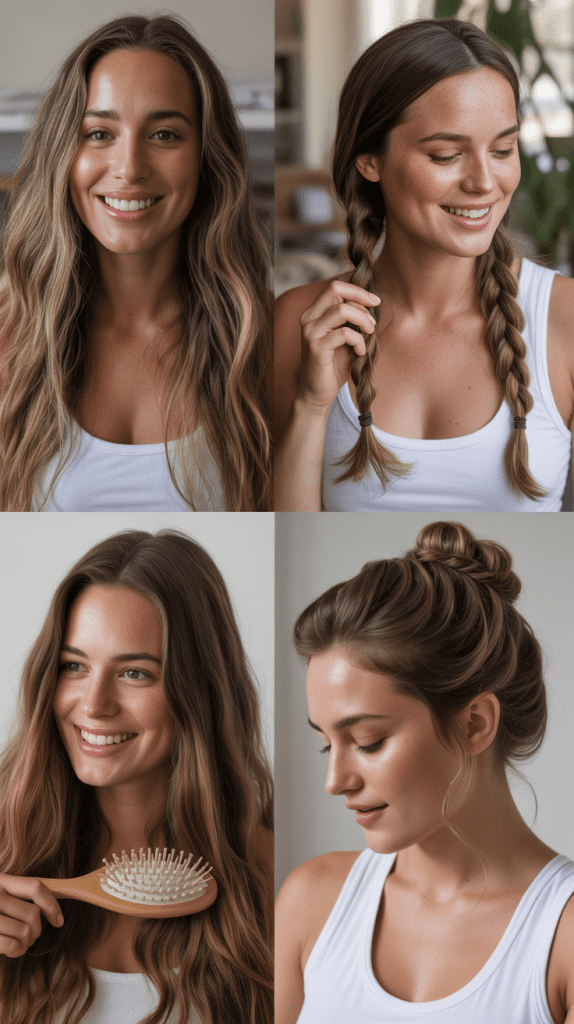
Pregnancy creates hormonal changes affecting hair texture, growth, and styling needs.
Understanding these temporary changes helps manage thick wavy hair throughout pregnancy and postpartum periods.
- Increased estrogen during pregnancy often makes hair appear thicker, shinier, and more vibrant as less hair enters the shedding phase and remains in the growth phase longer.
- Some women experience texture changes during pregnancy with straight hair becoming wavy or wavy hair becoming curlier due to hormonal influences on hair follicle shape.
- Chemical treatments including hair coloring raise safety concerns during pregnancy, with many women preferring to avoid them particularly during the first trimester despite limited evidence of harm.
- Postpartum shedding 3-6 months after delivery often alarms new mothers as accumulated hair that should have fallen during pregnancy sheds simultaneously, though this temporary condition normalizes eventually.
- Energy and time constraints during pregnancy and with newborns make low-maintenance styles practical, with shoulder-length layered cuts offering easier care than very long hair.
- Physical discomfort during pregnancy including back pain and fatigue makes long styling sessions challenging, favoring quick, simple routines over elaborate heat styling.
- Safe product choices become important to some pregnant women preferring to avoid certain chemicals, with natural and pregnancy-safe-labeled products providing peace of mind.
- Proper nutrition including prenatal vitamins supports hair health during and after pregnancy, providing nutrients that maintain hair strength and appearance during this transformative period.
48. Hair Health and Nutrition
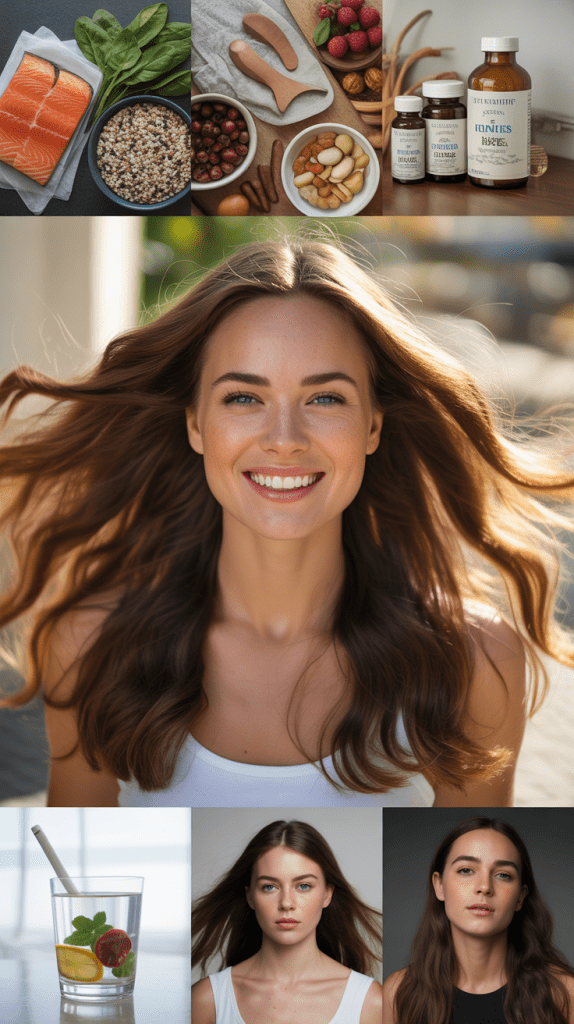
Internal health significantly affects hair appearance, with nutrition, hydration, and overall wellness directly impacting thick wavy shoulder-length hair’s quality, growth, and styling success.
- Adequate protein intake provides the building blocks for hair structure since hair consists primarily of the protein keratin, with insufficient protein causing weakness and thinning.
- Hydration affects hair moisture levels from the inside out, with recommended water intake supporting scalp health and hair’s ability to retain moisture.
- B-vitamins including biotin support hair growth and thickness, though supplementation only helps those with actual deficiencies rather than providing universal benefits to everyone.
- Iron deficiency commonly causes hair shedding and reduced growth, particularly affecting women due to menstruation, making adequate iron intake crucial for maintaining thick hair.
- Excessive supplementation can cause problems including vitamin toxicity, making balanced nutrition from whole foods preferable to mega-doses of isolated supplements.
- Overall health conditions including thyroid disorders, hormonal imbalances, and autoimmune conditions manifest in hair changes, requiring medical attention beyond just styling solutions.
- Crash dieting or extreme calorie restriction often triggers hair shedding months later as your body prioritizes vital functions over hair growth during nutritional stress.
- Patience proves necessary as nutritional improvements take 3-6 months to visibly affect hair since hair grows slowly and existing hair cannot reverse previous nutritional deficiencies.
49. DIY Treatments and Masks
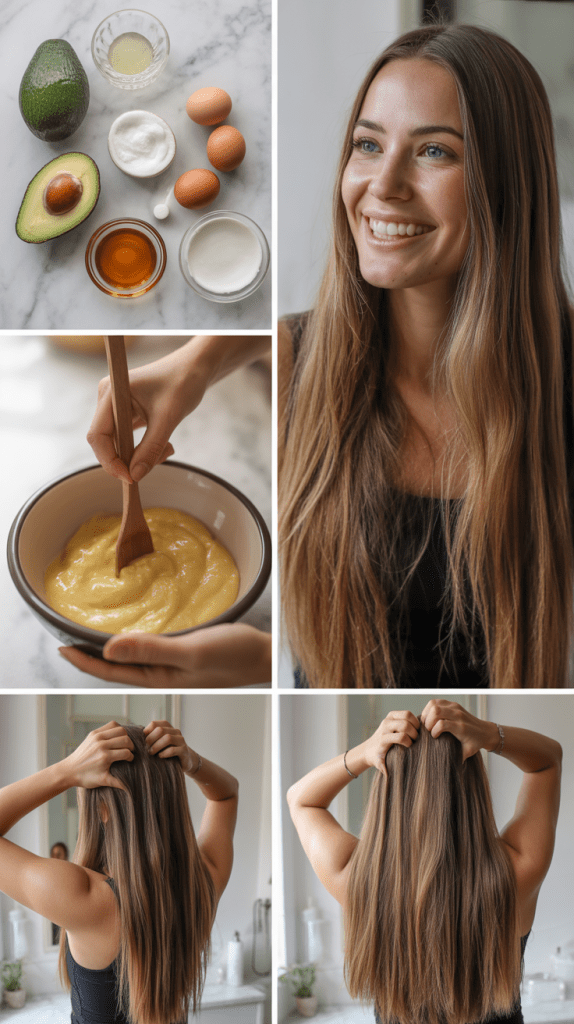
Homemade hair treatments using natural ingredients provide intensive nourishment for thick wavy hair without expensive professional products.
These treatments address specific concerns affordably and naturally.
- Deep conditioning masks using coconut oil, avocado, and honey penetrate thick hair effectively, providing moisture that combats dryness and improves manageability and shine.
- Protein treatments incorporating eggs or Greek yogurt strengthen hair structure and repair damage, particularly beneficial after chemical treatments or excessive heat styling.
- Scalp treatments using tea tree oil, aloe vera, or apple cider vinegar address scalp health issues including dryness, irritation, or excessive oiliness affecting hair quality at the root.
- Application techniques including sectioning and ensuring complete saturation prove crucial for thick hair where product struggles to penetrate throughout without strategic application.
- Processing time varies by treatment, with some requiring 20-30 minutes and others benefiting from several hours or overnight application for maximum penetration and benefit.
- Heat application using shower caps and warm towels or hair dryer warmth opens the hair cuticle and improves product penetration, especially important for thick hair resistant to absorption.
- Removal requires thorough rinsing and often clarifying shampoo to prevent buildup, especially with oil-based treatments that can leave residue making hair appear greasy.
- Frequency recommendations typically suggest weekly or bi-weekly treatments rather than daily use, allowing time for hair to benefit from each treatment before applying another.
50. Professional Consultation Tips
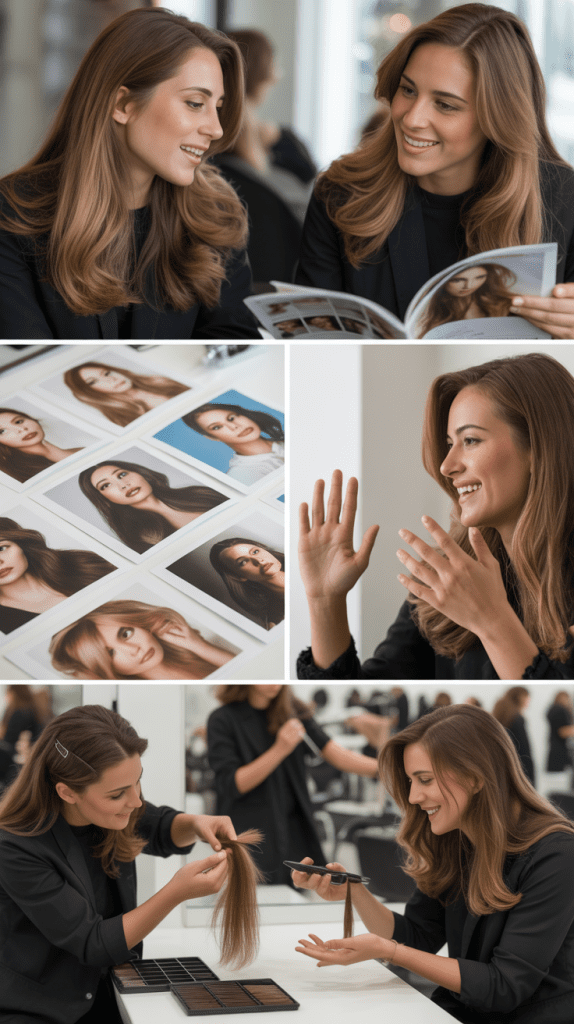
Communicating effectively with hairstylists ensures you receive the cut and color you envision while understanding what’s realistically achievable with your thick wavy shoulder-length hair.
- Photo references communicate your vision more clearly than verbal descriptions, though understanding that photos show specific people with specific hair characteristics helps set realistic expectations.
- Honesty about your styling routine, time investment, and product usage helps stylists recommend cuts requiring maintenance levels you’ll actually follow rather than idealized versions.
- Discussing your hair’s behavior including how it dries naturally, common frustrations, and previous cuts you’ve loved or hated provides crucial context for personalized recommendations.
- Budget transparency allows stylists to suggest color and cut options matching your financial reality rather than recommending maintenance-intensive choices you cannot sustain.
- Lifestyle considerations including work environment, physical activity level, and styling skill affect which cuts and colors prove most practical for your specific situation.
- Realistic timeline discussions about growing out current cuts, transitioning colors, or achieving dramatic changes prevent disappointment when transformations require multiple appointments over months.
- Listening to professional advice rather than insisting on specific choices despite warnings helps avoid results you’ll regret, as experienced stylists understand technical limitations you might not.
- Follow-up communication about results, maintenance challenges, or desired adjustments helps refine future appointments and builds stylist-client relationships producing increasingly better results over time.
51. Postpartum Hair Changes
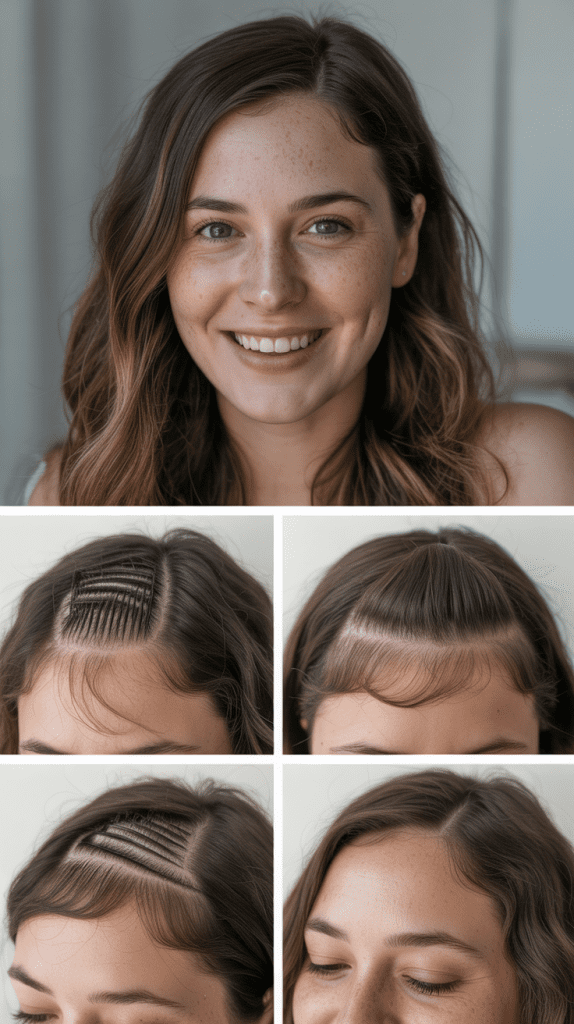
After giving birth, women experience dramatic hormonal shifts affecting hair in ways that can be alarming without understanding that these changes are temporary and normal.
- Postpartum shedding typically begins 3-6 months after delivery as hair that remained in the growth phase during pregnancy suddenly enters the resting and shedding phases simultaneously.
- The volume of hair loss appears alarming but actually represents the normal amount that would have gradually shed throughout pregnancy had hormones not prevented it.
- Short new growth often appears around the hairline 6-12 months postpartum, creating “baby hairs” that stick up and resist styling until gaining more length.
- Texture changes sometimes persist after pregnancy with formerly straight hair remaining wavy or wavy hair becoming curlier, representing permanent follicle shape changes.
- Styling adjustments including shorter cuts, protective styling, and gentle handling help manage postpartum hair challenges while waiting for normal growth cycles to resume.
- Nutrition remains crucial during postpartum recovery, especially for breastfeeding mothers whose bodies continue supporting another person’s growth and development.
- Patience proves essential as complete recovery to pre-pregnancy hair status typically requires 12-18 months, though individual timelines vary considerably.
- Excessive shedding beyond normal postpartum patterns or that doesn’t resolve within a year warrants medical consultation to rule out thyroid disorders or other health issues.
52. Extending Time Between Washes
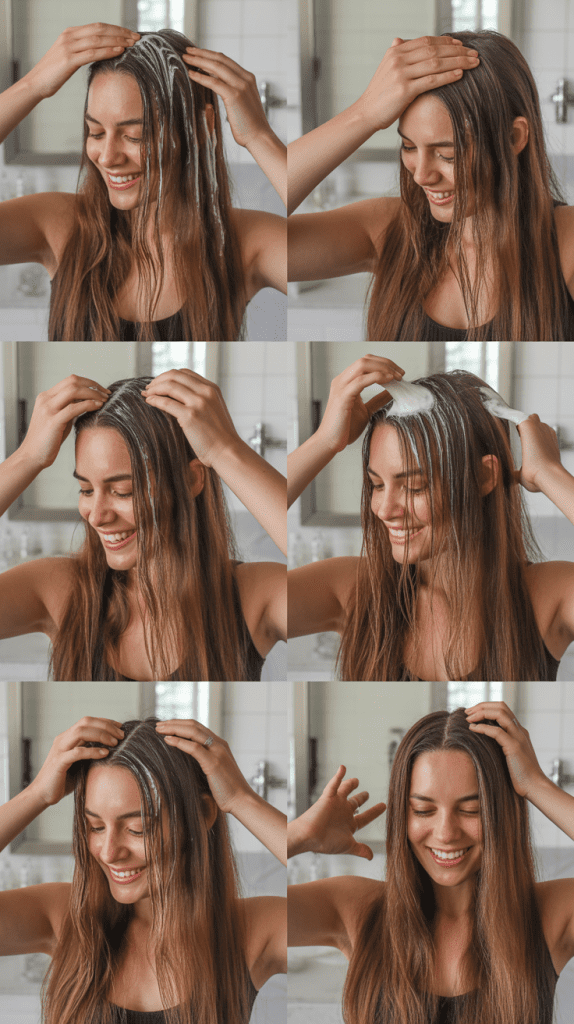
Reducing washing frequency benefits thick wavy hair by preserving natural oils, reducing heat styling frequency, and saving time in daily routines while maintaining acceptable appearance.
- Natural oil production at the scalp actually regulates based on washing frequency, with frequent washing stimulating more oil production and less frequent washing eventually reducing output.
- Transition periods typically last 2-4 weeks as scalp adjusts, with hair potentially appearing greasier during this adjustment before oil production normalizes at reduced levels.
- Dry shampoo absorbs oil at roots and adds texture, though overuse creates buildup requiring clarifying shampoo to remove accumulated product residue.
- Strategic styling using updos, braids, or pulled-back looks makes second, third, or fourth-day hair presentable without washing or extensive restyling.
- Scalp health maintenance including regular brushing to distribute oils and occasional scalp massages prevents issues that extended washing intervals might cause without proper care.
- Water-only rinsing on “off” days removes surface dirt and refreshes hair without stripping oils, providing middle-ground option between full washing and no water contact.
- Product selection avoiding heavy formulas prevents buildup that makes extending wash days difficult as accumulated products create greasy, weighed-down appearance.
- Individual variation in oil production, activity level, and environmental exposure means ideal washing frequency differs person-to-person, requiring experimentation to find your optimal schedule.
53. Shoulder-Length Versus Other Lengths
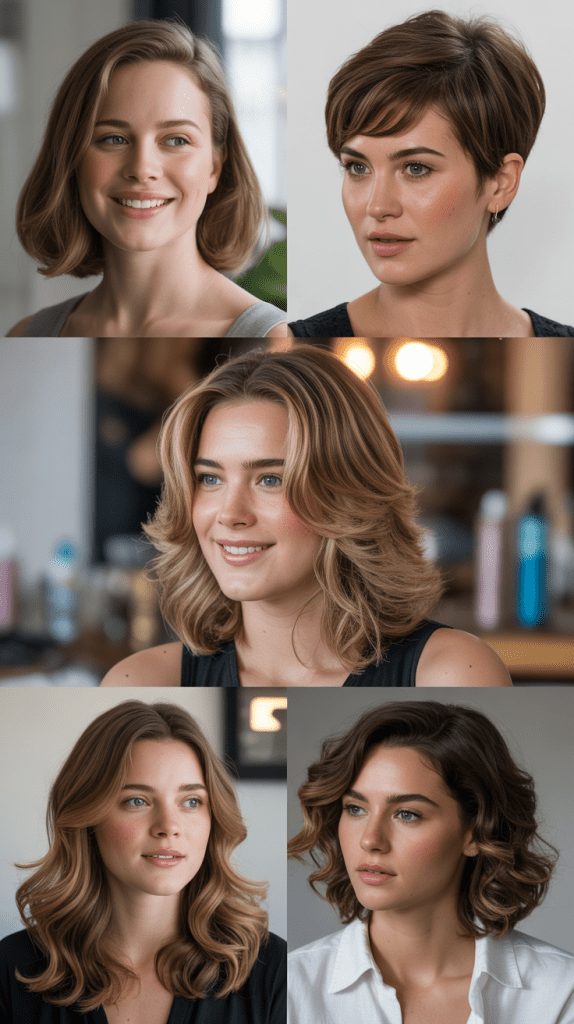
Understanding how shoulder length compares to other length options helps you determine whether this length truly suits your needs or if shorter or longer cuts might serve you better.
- Chin-length to collarbone (shoulder length) offers the most versatile styling options, being long enough for updos and ponytails yet short enough for quick drying and manageable styling.
- Very short cuts reduce styling time dramatically but eliminate many styling options and can be challenging to grow out if you decide to return to longer lengths.
- Long hair below shoulders provides maximum styling versatility but requires significantly more time, product, and maintenance, particularly for thick wavy hair carrying substantial weight.
- Medium lengths including shoulder length prove most flattering for most face shapes, while very short or very long hair suits more specific situations and preferences.
- Maintenance frequency changes with length, with shorter cuts requiring more frequent trims to maintain shape and longer cuts tolerating more time between appointments.
- Growing out from shoulder length requires patience through awkward stages, particularly when hair sits at that difficult length that’s too short to stay behind ears but long enough to get in your face.
- Personal lifestyle significantly affects ideal length, with active individuals often preferring shoulder length or shorter while those with more time for styling might enjoy longer lengths.
- Climate considerations matter as hot, humid environments make long thick hair uncomfortable while cooler climates allow longer lengths without overheating or excessive sweating.
54. Tools Every Thick-Haired Person Needs
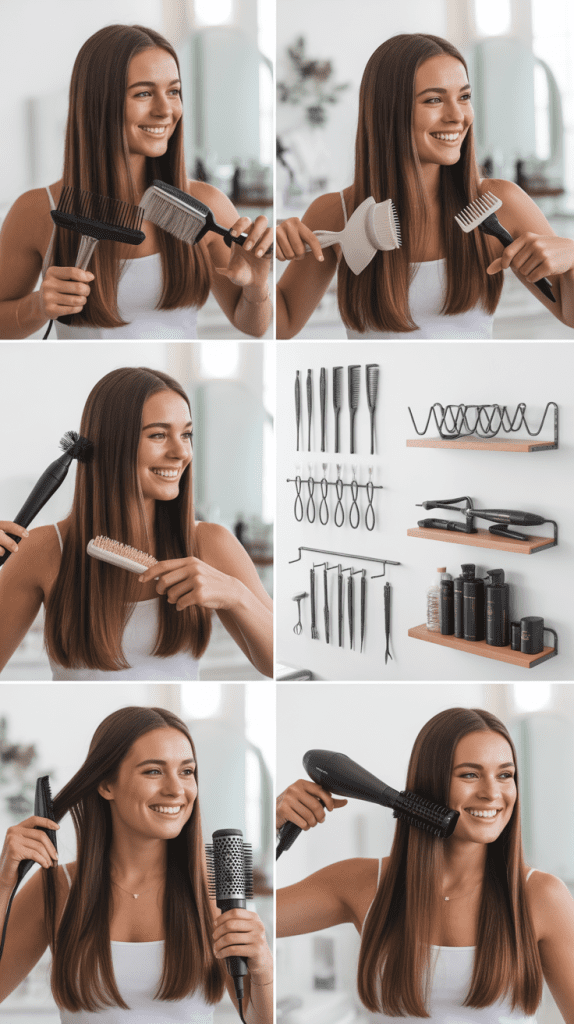
Essential tools make styling thick wavy shoulder-length layered hair significantly easier and produce better results than attempting styling with inadequate equipment.
- High-wattage hair dryers (1800+ watts) provide sufficient power to dry thick hair in reasonable time without overheating from running continuously at maximum settings.
- Multiple brushes including detangling brushes for wet hair, round brushes for blow-drying, and paddle brushes for smoothing serve different functions throughout your styling routine.
- Quality flat irons with adjustable temperature settings allow customization for your specific hair needs, with ceramic or tourmaline plates distributing heat more evenly than cheaper alternatives.
- Large-barrel curling irons or wands (1.25-2 inches) create the loose, flowing waves that suit shoulder-length thick hair better than small barrels producing tight curls.
- Sectioning clips hold thick hair divisions securely during styling without sliding or popping open like smaller clips designed for thin hair cannot handle.
- Wide-tooth combs detangle without breaking hair, particularly important for thick wavy hair prone to tangles and easily damaged by brushes pulled through knots with force.
- Diffuser attachments for blow dryers enhance natural waves while reducing frizz, essential for those embracing their natural texture rather than straightening constantly.
- Microfiber towels or t-shirts absorb water without creating the friction regular terry cloth towels cause, reducing frizz and damage during the vulnerable wet state.
55. Embracing Natural Texture
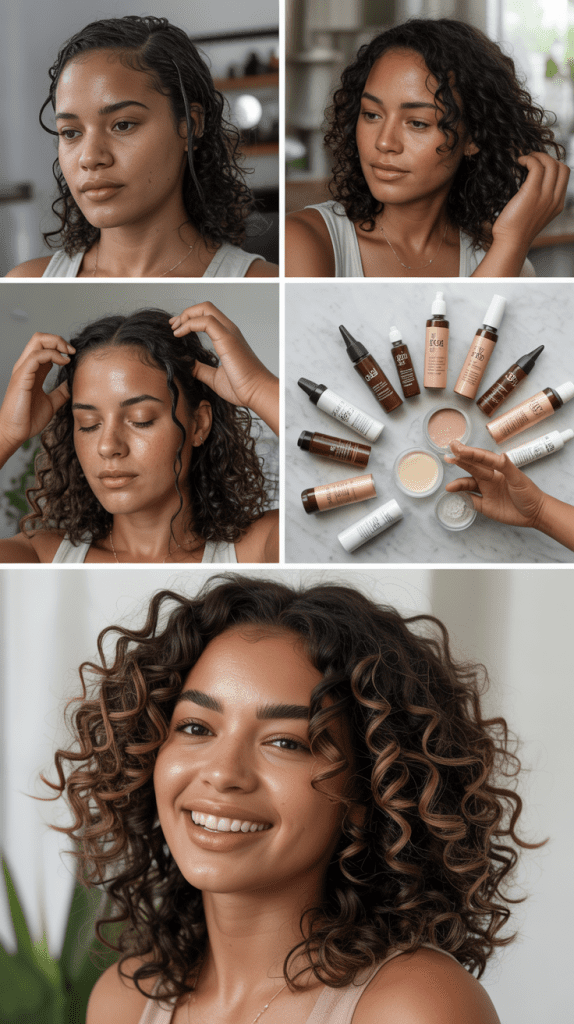
Learning to work with rather than against your thick wavy hair’s natural texture reduces styling time, decreases damage, and often produces more flattering, authentic results.
- Accepting your hair’s natural pattern relieves the daily pressure of fighting its intrinsic characteristics and often leads to discovering beauty you didn’t appreciate when constantly manipulating it.
- Transition periods from heat-styled to natural styling can feel awkward as you learn techniques and as heat damage grows out, requiring patience and commitment during this adjustment phase.
- Product experimentation helps identify which formulas enhance your specific wave pattern, with trial and error being necessary since everyone’s hair responds differently to various ingredients.
- Confidence in your natural texture grows with time as you become accustomed to seeing yourself with your authentic hair rather than the modified versions you previously created.
- Social acceptance of natural texture has increased significantly in recent years, making embracing your waves more socially acceptable and even trendy in many environments.
- Heat-free styling techniques including braiding, twisting, plopping, and air-drying become second nature with practice, eventually feeling as normal as previous heat-styling routines.
- Damage recovery occurs as you stop heat styling, with hair gradually improving in health, shine, and manageability as new, undamaged growth replaces heat-damaged lengths.
- Personal identity connections to your natural hair often strengthen as you embrace authenticity, potentially affecting other areas of self-acceptance and confidence beyond just hair.
56. Cultural and Historical Context of Layered Hair
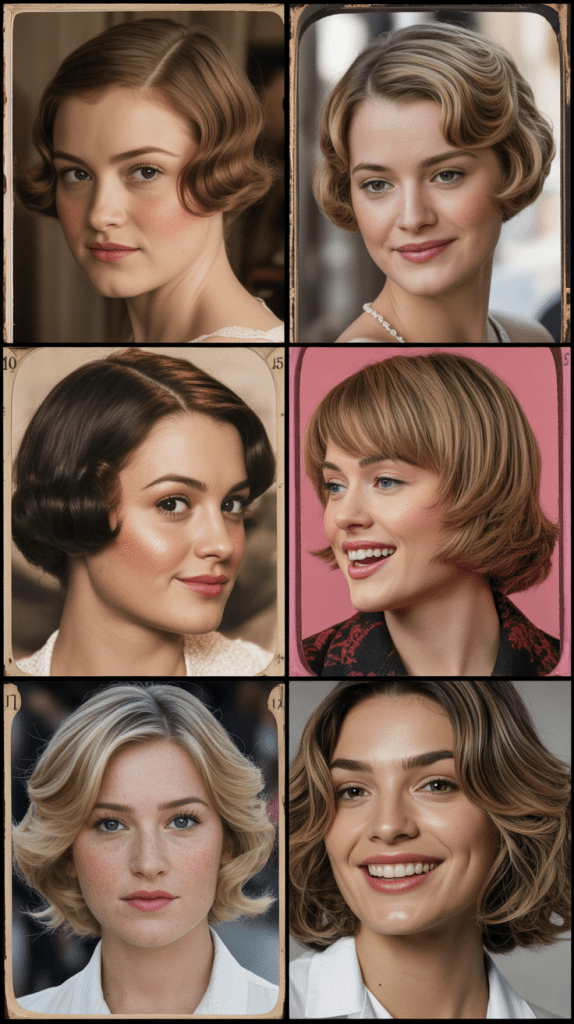
Understanding layered hairstyles’ cultural significance and historical evolution provides appreciation for this cutting technique’s enduring popularity and continuing reinvention across decades.
- Layering techniques became widely popular during the 1970s with the Farrah Fawcett feathered look, representing liberation and natural movement that contrasted with previous eras’ structured styles.
- The 1990s brought “The Rachel” and other heavily layered cuts that defined that decade’s aesthetic, though many women now recall the maintenance challenges these styles required.
- Asian hair cutting techniques introduced razor cutting and texturizing methods to Western salons, expanding the possibilities for creating softness and movement in thick hair.
- Different cultures approach hair cutting and styling differently, with some emphasizing blunt cuts and others celebrating textured, layered approaches based on aesthetic traditions.
- Celebrity influence continues driving layering trends, with actresses, musicians, and influencers inspiring women to request specific cuts after seeing them on prominent figures.
- The shag’s 2020s resurgence demonstrates how styles cycle back into popularity with modern updates, proving that foundational cutting techniques remain relevant across generations.
- Professional education and technique advancement mean contemporary layering achieves better results than historical versions as cutting methods, tools, and understanding continuously improve.
- Social media democratizes style information, allowing people worldwide to access cutting techniques, styling tips, and inspiration that previously required expensive salon consultations or magazine purchases.
57. Common Myths About Thick Wavy Hair
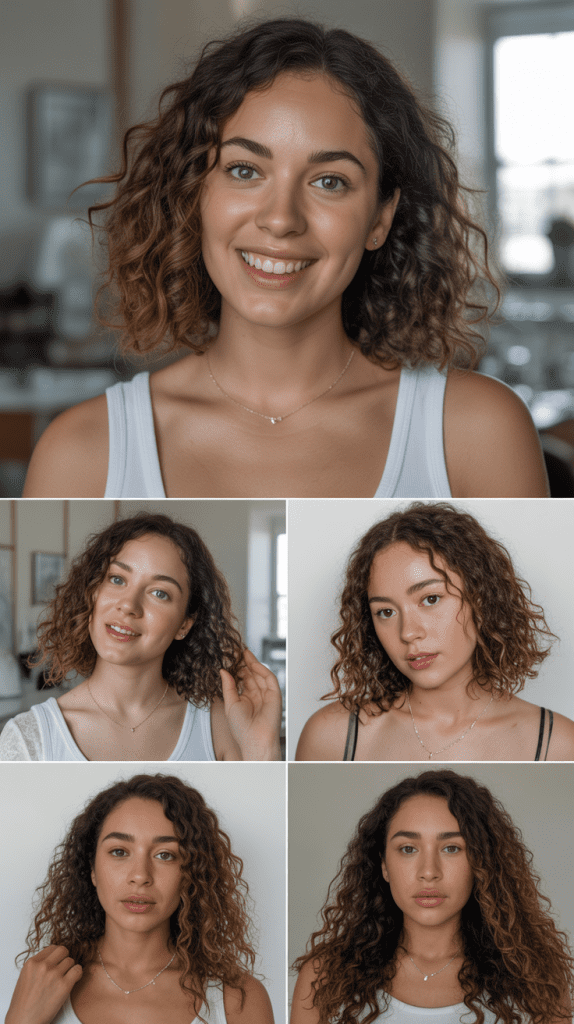
Dispelling misconceptions about thick wavy hair helps owners understand their hair better and avoid damaging practices based on incorrect information.
- Myth: Thick hair doesn’t need conditioner – Reality: Thick hair requires conditioning, particularly at ends, though roots may need lighter application than thin hair to avoid greasiness.
- Myth: Layers make thick hair thinner overall – Reality: Layers remove internal bulk without reducing overall fullness, actually creating the appearance of more volume through movement and dimension.
- Myth: You should brush wavy hair wet – Reality: Detangling while saturated with conditioner using a wide-tooth comb works better than brushing, which disrupts wave patterns and increases breakage.
- Myth: Natural waves mean you can’t achieve straight hair – Reality: Proper heat styling with quality tools and techniques can temporarily straighten thick wavy hair, though frequent straightening causes damage.
- Myth: Thick hair grows faster – Reality: Hair growth rate depends on genetics and health factors, not thickness, with all hair growing approximately half an inch monthly on average.
- Myth: You don’t need heat protectant on thick hair – Reality: Thick hair requires protection from heat damage just like thin hair, with density meaning more hair to protect rather than less need for protection.
- Myth: Daily washing damages hair – Reality: Washing frequency depends on individual needs and scalp health, with proper products and techniques allowing daily washing without damage if necessary for your lifestyle.
- Myth: More product means better results – Reality: Thick hair requires appropriate amounts but can easily become oversaturated and greasy with too much product, requiring finding your specific sweet spot.
58. Finding the Right Stylist
Locating a skilled stylist experienced with thick wavy hair significantly impacts your satisfaction with cuts and overall hair health.
These strategies help identify qualified professionals.
- Portfolio reviews showing previous work with hair similar to yours indicates experience and skill with your specific texture, density, and length preferences.
- Personal recommendations from people with similar hair provide valuable insights, though online reviews and social media presence also offer useful information about stylists’ work.
- Consultation quality before committing to services reveals communication style, willingness to listen, and whether the stylist asks appropriate questions about your hair and lifestyle.
- Price ranges generally correlate with experience and demand, though expensive doesn’t always mean best while cheap often indicates insufficient training or experience for quality results.
- Specialization matters, with some stylists specifically focusing on curly/wavy hair and possessing advanced training in texture-specific cutting techniques.
- Red flags including rushing consultations, dismissing your concerns, showing poor maintenance of their own hair, or pressuring expensive services suggest finding alternative options.
- Trial and error may be necessary as finding your ideal stylist often requires trying several professionals before identifying someone who truly understands your hair and aesthetic.
- Long-term relationships with skilled stylists produce increasingly better results as they learn your hair’s characteristics, preferences, and responses to various techniques over multiple appointments.
59. Troubleshooting After a Bad Cut
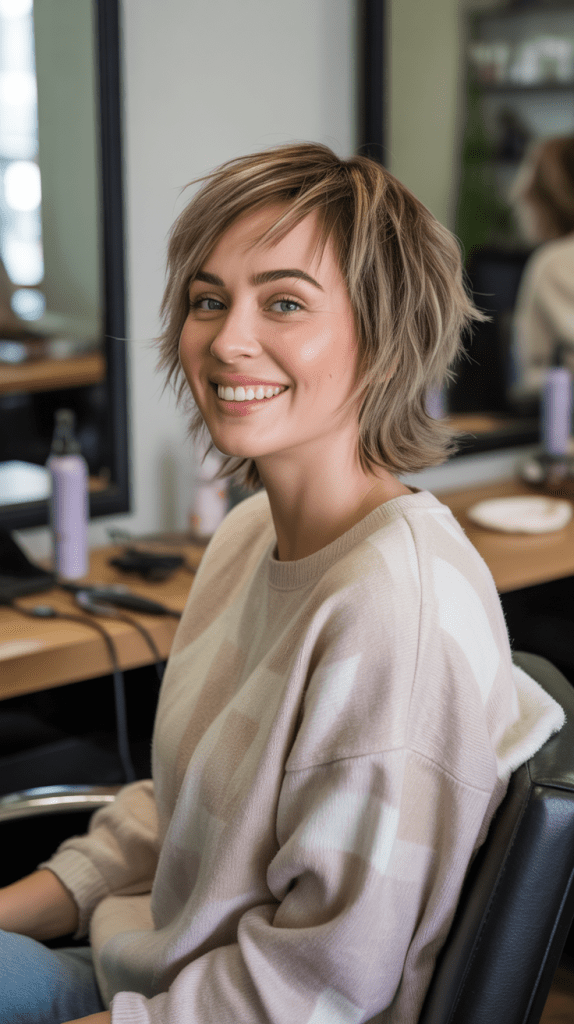
Dealing with unsatisfactory haircuts requires both practical solutions for improving appearance and emotional processing of disappointment.
These strategies help navigate this frustrating experience.
- Immediate return to the same salon with specific feedback allows them to make adjustments, with reputable establishments willing to correct their work at no additional charge.
- Seeking another professional’s opinion and correction provides second chances, though this costs additional money and requires explaining what went wrong with your previous cut.
- Strategic styling using products, tools, and techniques can minimize problematic areas while you wait for growth, often making the situation more tolerable during the correction period.
- Accessories including headbands, clips, hats, and scarves camouflage problem areas while adding style interest that transforms disappointing cuts into intentional-looking styles.
- Hair grows approximately half an inch monthly, meaning serious cut problems require 2-6 months or more to grow out sufficiently for complete correction.
- Learning from the experience helps prevent future disappointments by clarifying what communication, preparation, or research could improve outcomes with subsequent stylists.
- Perspective maintenance recognizes that hair grows back and temporary dissatisfaction with your appearance, while frustrating, doesn’t constitute permanent catastrophe.
- Photography documenting the unwanted cut, particularly if you paid significant money for poor results, provides evidence if you pursue refunds or wish to warn others through reviews.
60. Future of Hair Cutting and Styling Technology

Emerging technologies and techniques continue evolving how thick wavy shoulder-length hair is cut, colored, and maintained, with innovations promising improved results and efficiency.
- AI-powered consultation tools analyze hair characteristics through photos and recommend cuts, colors, and products personalized to your specific needs and face shape.
- Virtual reality try-on technology allows you to preview different cuts and colors before committing, reducing regret and improving satisfaction with final choices.
- Heat styling tools with smart temperature adjustment sense your hair’s moisture level and adjust automatically, preventing damage from excessive heat while ensuring adequate styling temperatures.
- Custom product formulation services analyze your hair’s specific needs and create personalized shampoos, conditioners, and styling products targeting your individual characteristics.
- Waterless cutting techniques reduce water waste while allowing stylists to see exactly how your hair naturally falls, potentially improving cut accuracy and sustainability.
- DNA-based hair analysis predicts how your hair will age, respond to treatments, and react to various products, allowing proactive rather than reactive hair care approaches.
- Sustainable product development creates eco-friendly alternatives to traditional formulas without sacrificing performance, addressing environmental concerns while maintaining hair health.
- Education democratization through online platforms provides professional-level technique training to consumers, raising general styling competency and reducing dependency on frequent salon visits.
Conclusion
Navigating the world of 60 Eye-Catching Shoulder-Length Layered Styles for Wavy Thick Hair opens up endless possibilities for transforming your daily look from ordinary to extraordinary.
Throughout this comprehensive guide, you’ve discovered how strategic layering removes unwanted bulk while creating movement, learned which cutting techniques complement your specific face shape, and explored styling methods that work with your natural texture rather than fighting against it.
From face-framing layers that highlight your best features to beachy waves that capture effortless elegance, each style offers unique advantages suited to different lifestyles, preferences, and occasions.
The key to success lies in understanding your hair’s characteristics, communicating effectively with your stylist, and establishing maintenance routines that preserve your cut’s integrity between salon visits.
Whether you embrace your natural waves through air-drying techniques or prefer the polished sophistication of heat-styled looks, shoulder-length layered cuts provide the versatility to accommodate your changing moods and needs.
Remember that beautiful hair starts with healthy hair, making proper nutrition, protective styling, and quality products essential investments in your overall appearance.
As you move forward, take time to experiment with different styles from this collection, remain patient during transition periods, and trust that finding your perfect look is a journey worth taking.
Your thick wavy hair is not a challenge to overcome but rather a beautiful canvas ready to showcase any of these stunning shoulder-length layered styles.