

Maintaining healthy, beautiful dreadlocks requires the right products and consistent care.
Whether you’re just starting your loc journey or you’ve been wearing them for years, understanding which products work best can make all the difference in keeping your locs strong, clean, and vibrant.
Top Products for Dreadlocks and Loc Maintenance goes beyond basic hair care—it’s about nourishing your scalp, preventing buildup, and ensuring your locs mature beautifully over time.
This comprehensive guide explores essential products including residue-free shampoos, lightweight moisturizing oils, effective locking gels, deep conditioning treatments, and specialized tools that simplify your maintenance routine.
You’ll discover how each product category addresses specific needs, from cleansing and hydration to styling and retwisting, while learning what ingredients to embrace and which ones to avoid.
By the end of this article, you’ll have the knowledge to build a personalized product routine that keeps your dreadlocks looking their absolute best.
1. Residue-Free Shampoos for Clean Locs
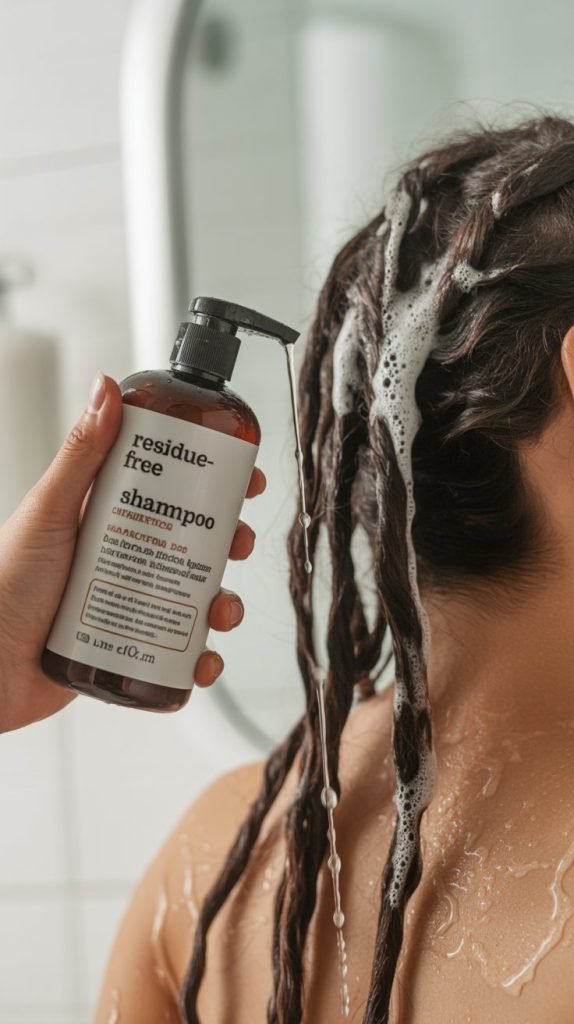
Clean locs are the foundation of healthy dreadlocks, and residue-free shampoos are specifically formulated to cleanse without leaving behind waxy buildup that can prevent your hair from locking properly.
These clarifying shampoos remove dirt, oils, and product accumulation while maintaining the integrity of your developing or mature locs.
Why Residue-Free Matters
- Traditional shampoos contain moisturizers, conditioners, and fragrances that leave residue inside your locs, creating a breeding ground for mildew and unpleasant odors.
- Residue accumulation weighs down your locs and prevents them from tightening properly, especially during the early stages of your loc journey.
- Build-up from regular shampoos appears as white or gray flakes within the loc structure, which becomes increasingly difficult to remove over time.
- Clean locs lock faster and maintain their shape better because the hair strands can grip and knot without interference from coating agents.
Key Ingredients to Look For
- Natural cleansing agents like tea tree oil, peppermint oil, and eucalyptus oil provide antibacterial properties while stimulating the scalp.
- Clarifying components such as apple cider vinegar, lemon juice extracts, or bentonite clay help remove stubborn buildup without harsh sulfates.
- pH-balanced formulations (ideally between 4.5-5.5) maintain your scalp’s natural protective barrier while thoroughly cleansing your locs.
- Aloe vera and chamomile extracts soothe the scalp and provide gentle cleansing without stripping away essential natural oils.
Top Recommended Formulations
- Liquid shampoos designed specifically for dreadlocks typically have thinner consistency that rinses out completely, leaving no trace behind.
- Bar shampoos for locs offer concentrated cleansing power and eliminate plastic packaging, though they require thorough rinsing to prevent soap residue.
- Baking soda and apple cider vinegar combinations create effective DIY cleansing solutions that are budget-friendly and completely residue-free.
- Clarifying shampoos should be used weekly or bi-weekly depending on your activity level, scalp type, and environmental exposure to pollutants.
Application Best Practices
- Wet your locs thoroughly with warm water for at least two minutes to open the hair cuticles and prepare them for deep cleansing.
- Apply shampoo directly to your scalp rather than the length of your locs, focusing on massaging the roots in circular motions.
- Allow the shampoo to run down the length of your locs naturally as you rinse, which cleanses them without excessive manipulation.
- Rinse for at least five minutes with warm water followed by a cool water rinse to seal the cuticles and ensure all product is removed.
- Squeeze excess water from your locs gently rather than wringing or twisting, which can cause frizz and weaken the loc structure.
2. Lightweight Oils for Moisture and Shine
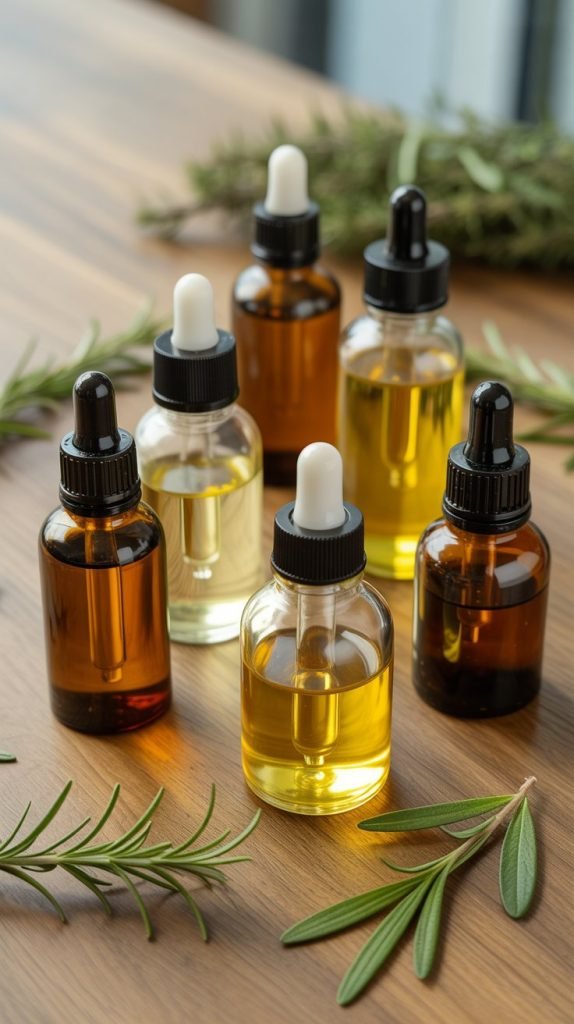
Proper moisture balance is critical for preventing dry, brittle locs that break easily, and lightweight oils penetrate the hair shaft without creating heavy buildup.
These oils nourish your scalp, add natural shine, and keep your locs flexible and strong throughout their maturation process.
Understanding Oil Weight and Absorption
- Lightweight oils have smaller molecular structures that allow them to penetrate the hair shaft rather than sitting on the surface like heavy butters or creams.
- These oils absorb quickly into your locs and scalp, providing hydration without the greasy feeling or residue that attracts lint and dirt.
- Medium to heavy oils like castor oil and coconut oil can be used sparingly or mixed with lighter oils for balanced moisture without buildup.
- Oil absorption rates vary based on your hair’s porosity level, with low porosity hair requiring lighter oils and high porosity hair tolerating slightly heavier formulations.
Best Lightweight Oils for Locs
- Jojoba oil closely mimics your scalp’s natural sebum, making it ideal for all hair types and particularly effective for sensitive scalps prone to irritation.
- Sweet almond oil provides excellent moisture retention, vitamins E and D, and a light texture that doesn’t weigh down even fine-textured locs.
- Grapeseed oil offers antioxidants and linoleic acid that strengthen hair follicles while maintaining an ultra-light feel perfect for daily use.
- Argan oil contains fatty acids and vitamin E that repair damage, reduce frizz, and add brilliant shine without creating buildup over time.
- Hemp seed oil balances oil production on the scalp, prevents dryness, and provides omega fatty acids that promote healthy hair growth.
Essential Oil Additions
- Tea tree essential oil (2-3 drops per ounce of carrier oil) provides antifungal and antibacterial properties that prevent scalp issues and odor.
- Peppermint essential oil stimulates blood circulation to the scalp, promoting faster growth and providing a refreshing, cooling sensation.
- Rosemary essential oil strengthens hair follicles, reduces hair loss, and has been scientifically shown to improve hair growth over time.
- Lavender essential oil soothes scalp irritation, promotes relaxation, and adds a pleasant natural fragrance without synthetic chemicals.
Application Techniques for Maximum Benefit
- Apply oils to damp (not wet) locs after washing, which allows better absorption and helps seal in moisture from water.
- Focus oil application on your scalp and the first few inches of your roots, where natural oil production is most important for healthy growth.
- Use 3-5 drops of oil for shoulder-length locs, adjusting the amount based on your hair’s length, thickness, and current moisture level.
- Warm the oil between your palms before application to improve absorption and make distribution easier throughout your locs.
- Massage oil into your scalp using circular motions for 5-10 minutes to stimulate blood flow and ensure even coverage.
- Apply oils 2-3 times per week maximum, as over-oiling can attract dirt, cause buildup, and actually prevent your hair from accessing moisture.
3. Locking Gels and Retwisting Products

Retwisting maintains the neat appearance of your locs and encourages new growth to continue the locking pattern, and the right gel or cream provides hold without causing brittleness or buildup.
These styling products keep your roots smooth and your locs looking polished between maintenance sessions.
Gel Types and Their Functions
- Aloe vera-based gels provide natural hold from the plant’s polysaccharides while moisturizing the hair and soothing the scalp simultaneously.
- Flaxseed gels offer organic hold through mucilage compounds, creating flexible hold that doesn’t harden or flake when dry.
- Commercial locking gels formulated specifically for locs contain ingredients that enhance the locking process while providing varying hold strengths.
- Beeswax products create strong hold and are popular for starting locs, but many professionals advise against them due to difficult-to-remove buildup concerns.
What to Avoid in Retwisting Products
- Petroleum-based products coat the hair shaft, prevent moisture absorption, and create waxy buildup that traps dirt and causes discoloration.
- Alcohol as a primary ingredient dries out your hair and scalp, leading to brittleness, breakage, and increased frizz over time.
- Heavy oils and butters in retwisting products can prevent locs from tightening properly and create lint-attracting residue.
- Synthetic fragrances and dyes serve no functional purpose and can irritate sensitive scalps while adding unnecessary chemicals to your hair.
Retwisting Technique Guidelines
- Section your hair systematically, working in rows from front to back or in a circular pattern from the crown outward for consistent results.
- Apply a small amount of product (pea-sized for each loc) to avoid buildup, remembering that less is always more with retwisting products.
- Twist in the direction your locs naturally want to go, which varies by individual but is usually clockwise or counterclockwise consistently throughout your head.
- Use a rattail comb to part cleanly between locs, ensuring each loc has adequate space to develop without merging with neighbors.
- Twist from the root down to where the loc is already formed, avoiding over-twisting the matured portions which can cause thinning and breakage.
- Sit under a hooded dryer or use a blow dryer on cool setting to set the retwist, which helps the pattern hold longer and reduces frizz.
4. Deep Conditioning Treatments
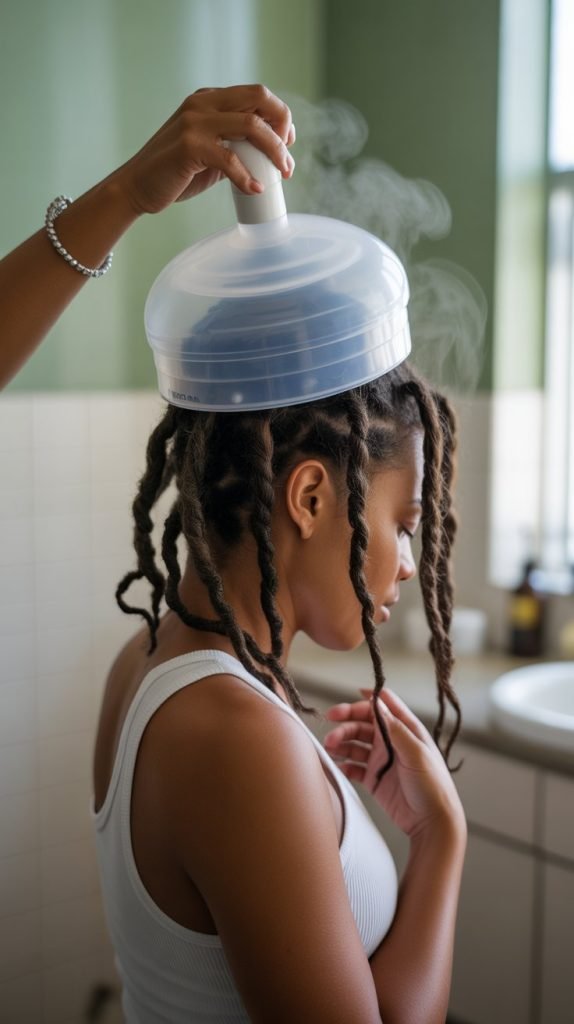
Even though dreadlocks are low-maintenance compared to loose natural hair, they still require periodic deep conditioning to maintain strength, elasticity, and moisture balance.
These intensive treatments penetrate the loc structure to repair damage and prevent breakage from environmental stressors.
Why Locs Need Deep Conditioning
- Locked hair is more vulnerable to dryness because natural scalp oils have difficulty traveling down the twisted structure to moisturize the entire length.
- Environmental damage from sun exposure, chlorine, salt water, and pollution gradually weakens the protein structure of your locs over time.
- Chemical processes like coloring or bleaching compromise the integrity of your locs and require intensive conditioning to restore health.
- Deep conditioning treatments replenish moisture, improve elasticity, and can add years to the lifespan of your locs when used regularly.
Protein vs. Moisture Treatments
- Protein treatments contain hydrolyzed proteins that temporarily fill gaps in damaged hair cuticles, strengthening weak or brittle locs.
- Moisture treatments focus on hydration through humectants and emollients that attract and retain water within the hair shaft.
- Balanced treatments combine both protein and moisture to address multiple needs simultaneously, ideal for general maintenance conditioning.
- Alternate between protein and moisture-focused treatments every 4-6 weeks, or use them based on your locs’ specific condition and response.
- Over-proteinizing leads to stiff, brittle hair that breaks easily, while over-moisturizing without protein creates mushy, weak locs that lack definition.
Effective Deep Conditioning Ingredients
- Hydrolyzed keratin, wheat protein, and silk amino acids penetrate the hair shaft to reinforce the internal structure and repair damage.
- Shea butter, mango butter, and cocoa butter provide intense moisture for severely dry locs, though they should be used sparingly to prevent buildup.
- Coconut oil penetrates the hair shaft better than most oils due to its unique molecular structure, making it effective for deep conditioning sessions.
- Honey acts as a humectant that draws moisture from the air into your hair while providing natural antimicrobial properties.
- Avocado, banana, and egg-based DIY treatments offer protein and moisture from natural sources without synthetic additives.
Application Methods for Maximum Penetration
- Apply deep conditioner to clean, damp locs after shampooing, when the hair cuticles are open and most receptive to treatment.
- Cover your locs with a plastic cap or wrap to create a greenhouse effect that helps ingredients penetrate more deeply into the loc structure.
- Apply gentle heat using a hooded dryer, warm towel, or steamer for 20-30 minutes to open cuticles further and drive conditioning ingredients deeper.
- Rinse thoroughly with cool water to seal the cuticle and lock in the conditioning benefits you’ve just provided.
- Deep condition every 2-4 weeks depending on your locs’ condition, increasing frequency if you notice excessive dryness, brittleness, or breakage.
5. Lint Rollers and Maintenance Tools
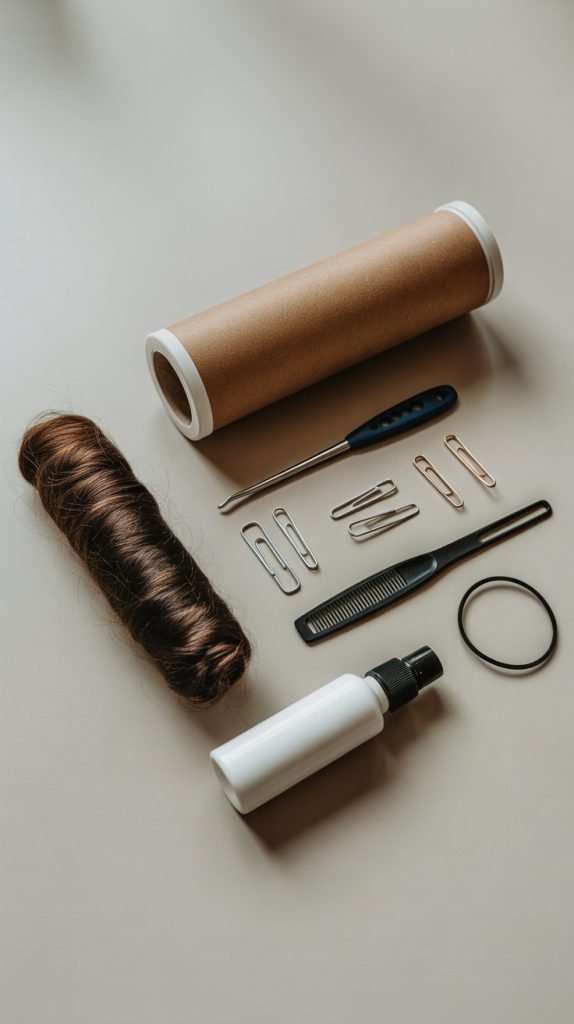
Beyond products, having the right tools makes loc maintenance more efficient and helps keep your dreadlocks looking neat and professional.
These specialized implements address common loc challenges and simplify your regular maintenance routine.
Essential Maintenance Tools
- Lint rollers or lint removal tools specifically designed for locs remove fuzz, lint, and debris that accumulates on the surface of your dreadlocks.
- Interlocking tools or crochet hooks help maintain the root structure and can be used to tuck in loose hairs during maintenance sessions.
- Loc socks or bonnets protect your locs while sleeping, reducing frizz and preventing lint accumulation from bedding materials.
- Wide-tooth combs and rattail combs help with parting during retwists and gentle detangling of loose hairs at the roots.
- Spray bottles with adjustable nozzles allow you to apply water, oil mixtures, or refresher sprays evenly throughout your locs.
Lint Prevention and Removal
- Wrap your locs with a silk or satin scarf before bed to minimize contact with cotton pillowcases that shed fibers into your hair.
- Avoid wool hats, fuzzy sweaters, and towels that deposit lint, opting instead for smooth fabrics like satin, silk, or microfiber materials.
- Remove lint regularly (weekly for new locs, monthly for mature locs) before it works its way deep into the loc structure where removal becomes difficult.
- Use tweezers for stubborn embedded lint, gently pulling it from the surface without disrupting the internal loc structure.
- Steam treatments can help loosen embedded lint and debris, making removal easier during your regular cleansing routine.
Interlocking and Root Maintenance
- Interlocking tools create a more permanent maintenance method by threading the loc end through the base, ideal for people who want extended time between salon visits.
- Crochet hooks can tuck in loose hairs and frizz for a neater appearance, but overuse can cause thinning and should be approached with caution.
- Root flipping or palm rolling helps maintain cylindrical loc shape and encourages new growth to follow the established locking pattern.
- Edge control brushes with soft bristles help smooth baby hairs and edges without creating product buildup or damaging delicate hairline areas.
Drying and Styling Tools
- Microfiber towels or t-shirt material absorb water without roughing up the hair cuticle or depositing lint like traditional terry cloth towels.
- Hooded dryers provide even heat distribution that speeds drying time and reduces the risk of mildew development in thick locs.
- Blow dryers with diffuser attachments can be used on cool or low heat settings to speed drying without causing heat damage.
- Loc jewelry, beads, and decorative accessories add personal style but should be removed periodically to prevent permanent indentations or thin spots.
6. Natural Refresher Sprays

Between wash days, your locs may need a moisture boost or scalp refresh, and natural sprays provide light hydration without product buildup. These leave-in solutions keep your locs feeling fresh and moisturized while addressing common concerns like dryness and odor.
Benefits of Refresher Sprays
- Daily or every-other-day spritzing adds light moisture that prevents dryness without the weight of oils or creams.
- Refresher sprays revive locs between washes, providing a clean feeling and pleasant scent without full cleansing.
- Water-based sprays help reactivate styling products from your last retwist, maintaining definition and reducing frizz throughout the week.
- Scalp-focused sprays soothe irritation, reduce itchiness, and provide a cooling sensation that feels refreshing and comfortable.
DIY Refresher Spray Recipes
- Basic moisture spray: Mix distilled water with 2-3 drops of your favorite lightweight oil and a few drops of essential oils in a spray bottle.
- Rose water spray: Combine equal parts rose water and distilled water with a teaspoon of aloe vera gel for soothing hydration.
- Tea tree refresh: Add 10 drops of tea tree oil and 5 drops of peppermint oil to 8 ounces of distilled water for an antibacterial, stimulating spray.
- Herbal infusion spray: Brew strong chamomile, rosemary, or lavender tea, cool completely, strain, and add to a spray bottle with optional essential oils.
- Aloe vera spray: Mix 2 tablespoons of pure aloe vera gel with 8 ounces of distilled water and shake well before each use.
Commercial Spray Options
- Loc refresher sprays from specialized hair care brands typically contain balanced formulations tested specifically for dreadlocks.
- Rosewater and glycerin sprays provide botanical hydration with humectant properties that draw moisture from the air into your hair.
- Witch hazel-based sprays offer astringent properties that balance scalp oil production while providing light moisture and pleasant scent.
- pH-balanced leave-in conditioner sprays add moisture and detangling properties without weighing down your locs or causing buildup.
Application Best Practices
- Hold the spray bottle 6-8 inches away from your locs to create a fine mist that distributes evenly rather than saturating specific areas.
- Focus on the length of your locs rather than the roots, as over-wetting the scalp can lead to extended drying times and potential mildew.
- Apply refresher spray to damp hair for better absorption, such as after morning showers or when your locs feel slightly dry.
- Avoid spraying immediately before bed, which can leave your locs damp overnight and create an environment for mildew development.
- Use refresher sprays 1-2 times daily maximum, as excessive water application without proper drying can weaken your locs over time.
7. Scalp Treatments and Exfoliants
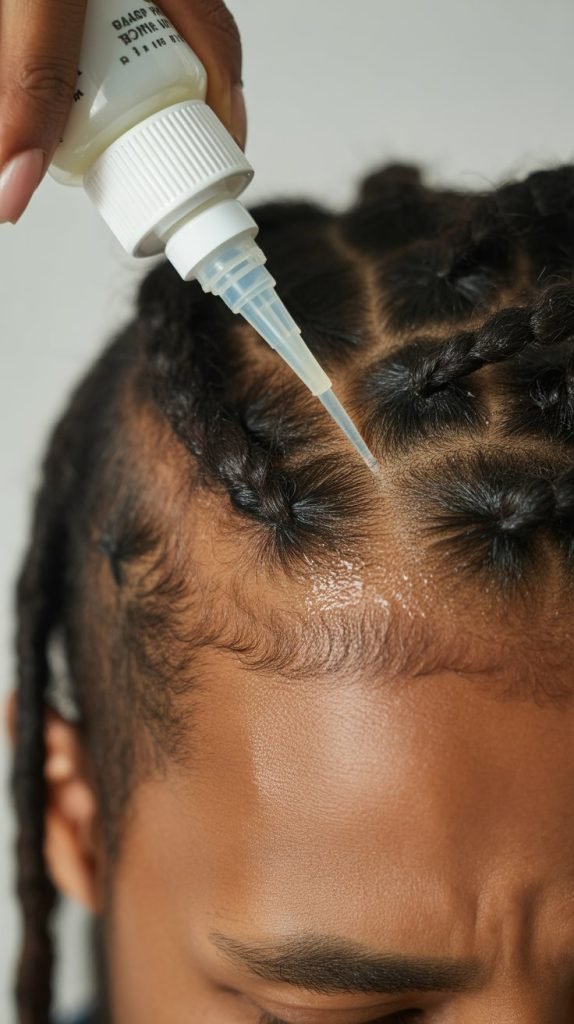
A healthy scalp is the foundation for healthy locs, and specialized scalp treatments address issues like dryness, itchiness, buildup, and poor circulation.
Regular scalp care prevents common problems that can affect both loc health and overall comfort.
Common Scalp Issues with Locs
- Dry scalp occurs when natural oil production is insufficient or when harsh products strip away protective sebum, leading to flaking and itchiness.
- Product buildup accumulates over time from gels, oils, and styling products that don’t rinse completely, clogging follicles and causing irritation.
- Folliculitis develops when hair follicles become inflamed or infected, often appearing as small red bumps that may be tender or itchy.
- Dandruff and seborrheic dermatitis create visible white or yellow flakes, oily patches, and persistent itching that requires targeted treatment.
- Poor circulation to the scalp can slow hair growth and contribute to thinning, particularly at the hairline or crown areas.
Scalp Exfoliation Methods
- Physical exfoliants like brown sugar, sea salt, or ground oatmeal mixed with oils gently remove dead skin cells and product buildup when massaged into the scalp.
- Chemical exfoliants containing salicylic acid or alpha-hydroxy acids dissolve buildup and dead skin without requiring scrubbing action.
- Apple cider vinegar rinses (diluted 1:4 with water) clarify the scalp, balance pH levels, and remove stubborn residue between regular shampoos.
- Bentonite clay masks draw out impurities, excess oil, and product buildup while providing mineral nourishment to the scalp.
- Exfoliate your scalp every 2-4 weeks, or more frequently if you use heavy products or have excessive buildup concerns.
Therapeutic Scalp Treatments
- Tea tree oil diluted in a carrier oil (5-10 drops per ounce) treats fungal conditions, reduces dandruff, and prevents scalp infections.
- Peppermint oil increases blood circulation to hair follicles, potentially stimulating faster growth while providing a cooling, refreshing sensation.
- Neem oil offers powerful antifungal and antibacterial properties for treating severe scalp conditions like psoriasis or persistent dandruff.
- Jamaican black castor oil promotes hair growth, thickens existing locs, and provides deep nourishment to both scalp and hair follicles.
- Biotin and vitamin E scalp serums support healthy hair growth from the follicle level, particularly beneficial for thinning areas or weak hairlines.
Scalp Massage Techniques
- Use firm, circular motions with your fingertips (not nails) to stimulate blood flow and distribute natural oils throughout your scalp.
- Spend 5-10 minutes daily on scalp massage to see improvements in growth rate, scalp health, and overall loc condition over time.
- Massage before washing to loosen buildup and dead skin cells, making your cleansing routine more effective and thorough.
- Apply scalp treatments during massage sessions to enhance absorption and ensure even distribution between all your locs.
- Consider using a scalp massaging brush with soft silicone bristles for consistent pressure and easier coverage of your entire scalp area.
Conclusion
Maintaining beautiful, healthy dreadlocks is a journey that requires dedication, the right products, and consistent care practices.
Top Products for Dreadlocks and Loc Maintenance has provided you with comprehensive information about essential products ranging from residue-free shampoos that keep your locs clean to lightweight oils that maintain perfect moisture balance.
You’ve learned about effective locking gels for neat retwists, deep conditioning treatments that strengthen your locs, maintenance tools that simplify your routine, refreshing sprays for daily care, and scalp treatments that ensure a healthy foundation for growth.
Remember that every loc journey is unique, and finding the right combination of products for your specific hair type, lifestyle, and preferences may require some experimentation.
Start with basic essentials like a quality residue-free shampoo and a lightweight oil, then gradually build your product collection based on your locs’ needs as they mature.
With the knowledge you’ve gained from this guide, you’re now equipped to make informed decisions about your loc care routine, avoid common product mistakes, and maintain dreadlocks that are not only beautiful but also strong and healthy for years to come.
