

Colored hair transforms your look and boosts confidence, but maintaining that vibrant shade requires proper care and attention.
Whether you’ve recently dyed your hair or you’re a seasoned color enthusiast, understanding the fundamentals of colored hair maintenance is essential for keeping your locks healthy and radiant.
This comprehensive guide on Simple Ways to Care for Colored Hair will walk you through essential techniques, from choosing the right products to protecting your investment with daily care routines.
You’ll discover professional tips for extending color longevity, preventing fade, and maintaining hair health while enjoying your beautiful new hue.
1. Understanding Your Hair Type and Color Process
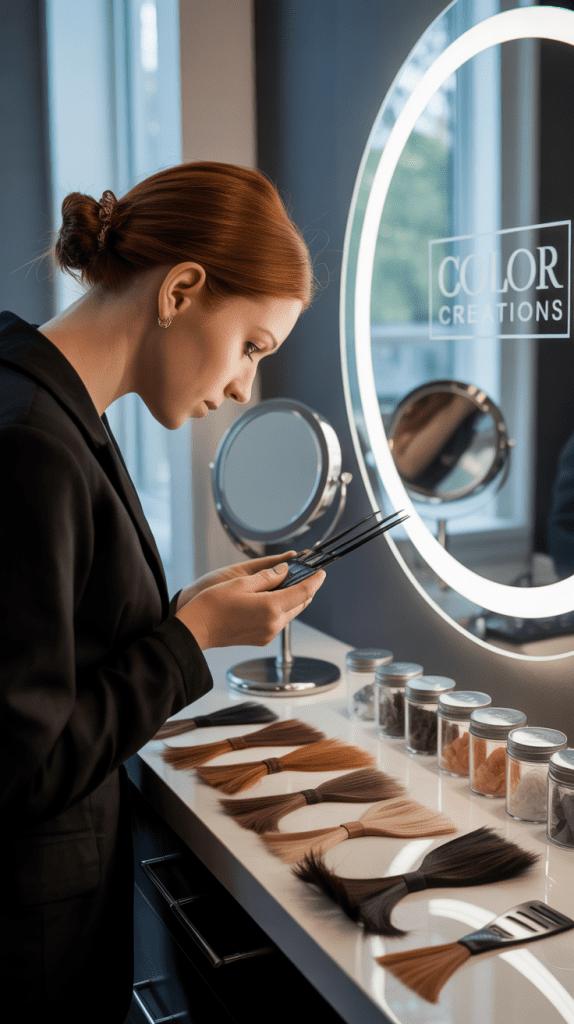
Understanding how hair coloring works and your specific hair type forms the foundation of effective colored hair care.
Different coloring processes affect your hair’s structure differently, and knowing these differences helps you choose appropriate care methods.
The porosity level of your hair, whether it’s fine or coarse, and the type of color treatment you received all influence your maintenance routine.
Hair Porosity and Color Absorption
- High porosity hair absorbs color quickly but also releases it faster, requiring more intensive moisture treatments
- Low porosity hair takes longer to process color but tends to hold it longer once properly treated
- Medium porosity hair offers the best balance for color retention and responds well to standard care routines
- Test your hair’s porosity by placing a clean strand in water – quick sinking indicates high porosity
Different Color Types and Their Impact
- Permanent colors penetrate the hair shaft deeply and require gentle, sulfate-free maintenance
- Semi-permanent colors coat the hair surface and need protection from excessive washing
- Highlights and bleached sections become more porous and need extra conditioning care
- Fantasy colors like blues, pinks, and purples require specialized maintenance to prevent rapid fading
2. Choosing the Right Shampoo and Conditioner

Selecting appropriate shampoo and conditioner specifically formulated for colored hair is crucial for maintaining your color’s vibrancy and your hair’s health.
Regular products often contain harsh sulfates that strip color molecules from your hair shaft.
Color-safe formulations use gentler cleansing agents and include ingredients that help seal the hair cuticle to lock in color.
Essential Ingredients to Look For
- Sulfate-free formulas prevent color stripping while still providing effective cleansing
- UV filters protect against sun damage that causes color fading
- Antioxidants like vitamin E and plant extracts neutralize environmental damage
- Protein treatments help strengthen hair damaged by the coloring process
- Natural oils such as argan and jojoba provide moisture without weighing hair down
Products to Avoid
- Clarifying shampoos strip color molecules along with product buildup
- Products containing sulfates, particularly sodium lauryl sulfate, cause rapid color fade
- Shampoos with high pH levels open the hair cuticle and release color
- Products with drying alcohols can make colored hair brittle and prone to breakage
3. Washing Techniques for Color Longevity
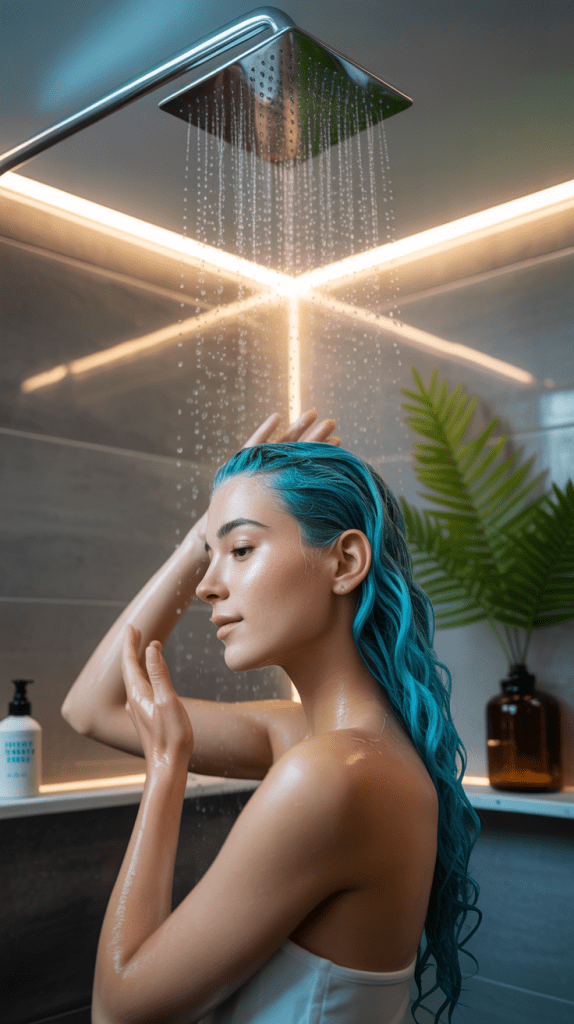
Proper washing technique plays a vital role in preserving your hair color and preventing premature fading.
The frequency of washing, water temperature, and application method all impact how long your color remains vibrant.
Many people overwash their colored hair, not realizing that natural oils actually help protect and seal in color.
Optimal Washing Frequency
- Wash colored hair 2-3 times per week maximum to prevent color loss
- Use dry shampoo between washes to absorb excess oil and refresh your style
- Consider co-washing (conditioner-only washing) for very dry or damaged colored hair
- Extend time between washes by using protective styles and silk pillowcases
Temperature and Technique Guidelines
- Use lukewarm water instead of hot water to prevent color molecules from escaping
- Rinse with cool water at the end to seal the hair cuticle and lock in color
- Massage shampoo gently into the scalp rather than scrubbing the hair lengths
- Apply conditioner from mid-length to ends, avoiding the scalp area
- Leave conditioner on for 3-5 minutes before rinsing for maximum benefit
4. Deep Conditioning and Treatment Routines
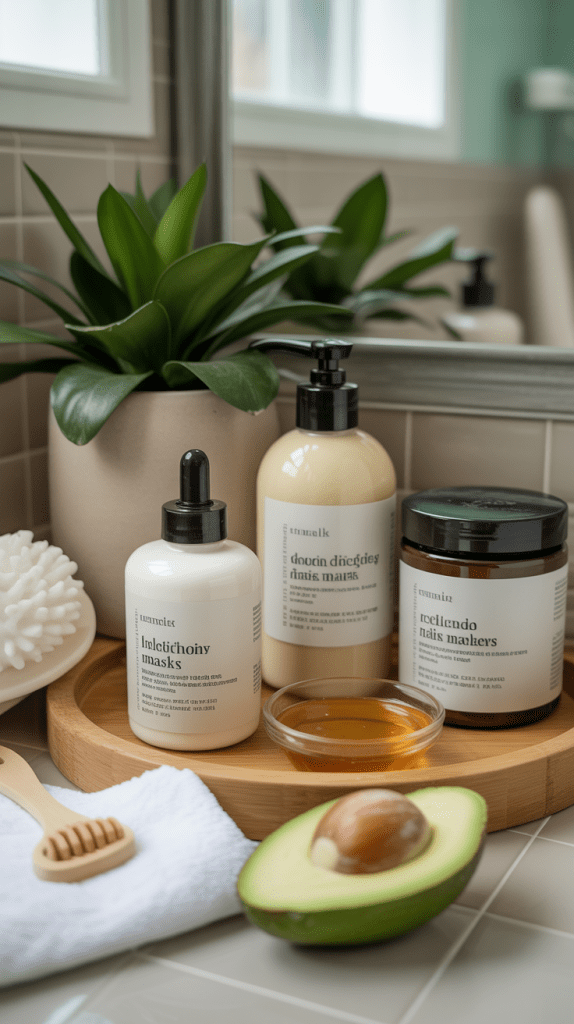
Regular deep conditioning treatments are essential for maintaining the health and appearance of colored hair.
The chemical processes involved in hair coloring can damage the hair’s natural moisture barrier, making it more susceptible to dryness, breakage, and color loss.
Implementing a consistent treatment routine helps repair damage and creates a protective barrier around each strand.
Weekly Treatment Schedule
- Apply a deep conditioning mask once per week to restore moisture and elasticity
- Use protein treatments bi-weekly if hair feels mushy or over-processed
- Incorporate leave-in treatments for daily protection against environmental stressors
- Alternate between moisturizing and protein treatments based on your hair’s needs
5. Heat Styling Protection for Colored Hair

Heat styling tools can accelerate color fading and cause additional damage to already-processed hair.
Colored hair is more vulnerable to heat damage because the coloring process temporarily weakens the hair’s natural protective barriers.
Learning to style with minimal heat or using proper protection techniques helps maintain both color vibrancy and hair health.
Heat Protection Essentials
- Always apply heat protectant products before using any heated styling tools
- Choose products with thermal protection up to 450°F for comprehensive coverage
- Look for heat protectants that also contain UV filters for double protection
- Reapply protection products if restyling hair throughout the day
Temperature Guidelines and Alternatives
- Keep flat irons and curling irons below 350°F to minimize color damage
- Use ceramic or tourmaline tools that distribute heat more evenly
- Try heatless styling methods like braiding, rolling, or scrunching for texture
- Embrace your hair’s natural texture to reduce reliance on heat styling tools
- Use blow dryers with ionic technology to reduce drying time and damage
6. UV Protection and Environmental Factors

Environmental factors significantly impact colored hair, with UV rays being one of the primary causes of premature color fading.
Just as UV rays damage your skin, they break down color molecules in your hair and can cause dryness and brittleness.
Protecting your colored hair from environmental stressors extends your color’s life and maintains hair health.
Sun Protection Strategies
- Wear hats or scarves when spending extended time outdoors
- Use hair products with built-in SPF protection for daily defense
- Apply leave-in treatments with UV filters before sun exposure
- Consider protective hairstyles that keep colored sections covered
- Rinse hair immediately after swimming to remove chlorine and salt
Environmental Protection Tips
- Use a shower filter to reduce chlorine and mineral deposits that cause color fading
- Protect hair from wind damage with silk scarves or protective styles
- Minimize exposure to pollution by covering hair in heavily trafficked areas
- Use anti-humidity products to prevent frizz and color distortion in humid climates
7. Nutrition and Lifestyle Factors

Your overall health and nutrition directly impact your hair’s ability to maintain color and stay healthy.
The hair growth cycle, protein synthesis, and natural oil production all depend on adequate nutrition and healthy lifestyle choices.
Supporting your hair from the inside out creates the best foundation for long-lasting, vibrant color.
Essential Nutrients for Colored Hair
- Protein supports hair structure and helps maintain color-treated hair strength
- Omega-3 fatty acids provide natural moisture and shine to colored strands
- Iron deficiency can lead to hair loss and affect how well hair holds color
- Vitamin C aids in collagen production and helps with iron absorption
- Biotin and B vitamins support healthy hair growth and color retention
Lifestyle Habits That Support Color Longevity
- Stay hydrated to maintain hair’s natural moisture balance
- Get adequate sleep to support healthy hair growth cycles
- Manage stress levels as chronic stress can affect hair health and color retention
- Avoid smoking as it reduces blood flow to hair follicles
- Exercise regularly to improve circulation and nutrient delivery to hair
8. Professional Maintenance and Touch-ups

Regular professional maintenance ensures your colored hair continues to look its best while maintaining optimal health.
Professional colorists can assess your hair’s condition, recommend appropriate treatments, and provide touch-ups that seamlessly blend with your existing color.
Understanding when to seek professional help versus handling maintenance at home saves both time and potential damage.
Professional Service Timeline
- Schedule root touch-ups every 4-6 weeks for permanent color maintenance
- Book gloss treatments every 6-8 weeks to refresh color vibrancy and add shine
- Plan full color refresh appointments every 3-4 months for optimal results
- Consult with your colorist about seasonal color adjustments and trends
When to Seek Professional Help
- Color correction should always be handled by experienced professionals
- Significant color changes require professional expertise to prevent damage
- Chemical processing issues like over-lightening need professional assessment
- Severe damage from at-home treatments requires professional repair services
- Color matching for touch-ups is best done by trained colorists
Conclusion
Maintaining beautiful, vibrant colored hair doesn’t have to be complicated when you follow these Simple Ways to Care for Colored Hair.
From choosing the right products to protecting against environmental damage, each step in your care routine contributes to longer-lasting color and healthier hair overall.
Remember that consistency is key – implementing these practices as part of your regular routine will yield the best results.
Your colored hair is an investment in your appearance and confidence, and with proper care, you can enjoy stunning, vibrant color that turns heads and makes you feel amazing.
By following these guidelines and working with professional colorists when needed, you’ll keep your colored hair looking salon-fresh between appointments while maintaining its health and integrity for years to come.
