

If you’ve ever looked in the mirror and wondered how to make the most of your natural waves, you’re in the right place.
In How to Style Wavy Hair, you’ll find clear, practical tips to enhance your waves, tame the frizz, choose the right products, and get the look you’ve always wanted without spending hours in front of the mirror.
This guide will make you hopeful, inspired, and ready to transform your everyday hair routine into something fun and effortless.
1. Understanding Your Wavy Hair
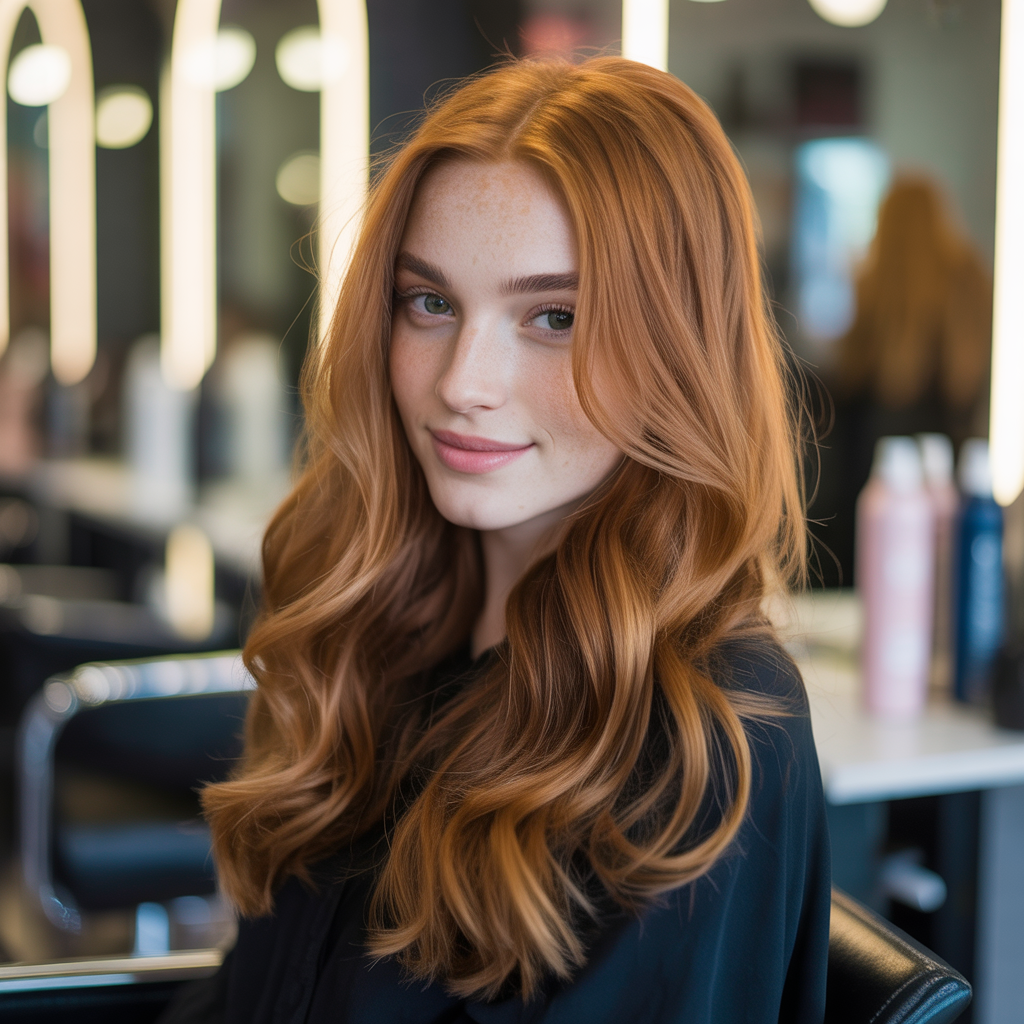
Before you style your waves, it’s important to really know your hair type.
This section will help you identify your wave pattern and learn how it behaves in different conditions.
- Wavy hair usually falls between straight and curly on the hair type chart.
- It can range from loose, barely-there waves to tighter S-shaped waves.
- Knowing your wave type will help you pick the right products and styling methods.
- Check out the hair typing system to see where you fall.
- Observe how your hair reacts to humidity, products, and washing frequency.
- Keep a hair journal for a few weeks to note what works and what doesn’t.
2. Choosing the Right Hair Products
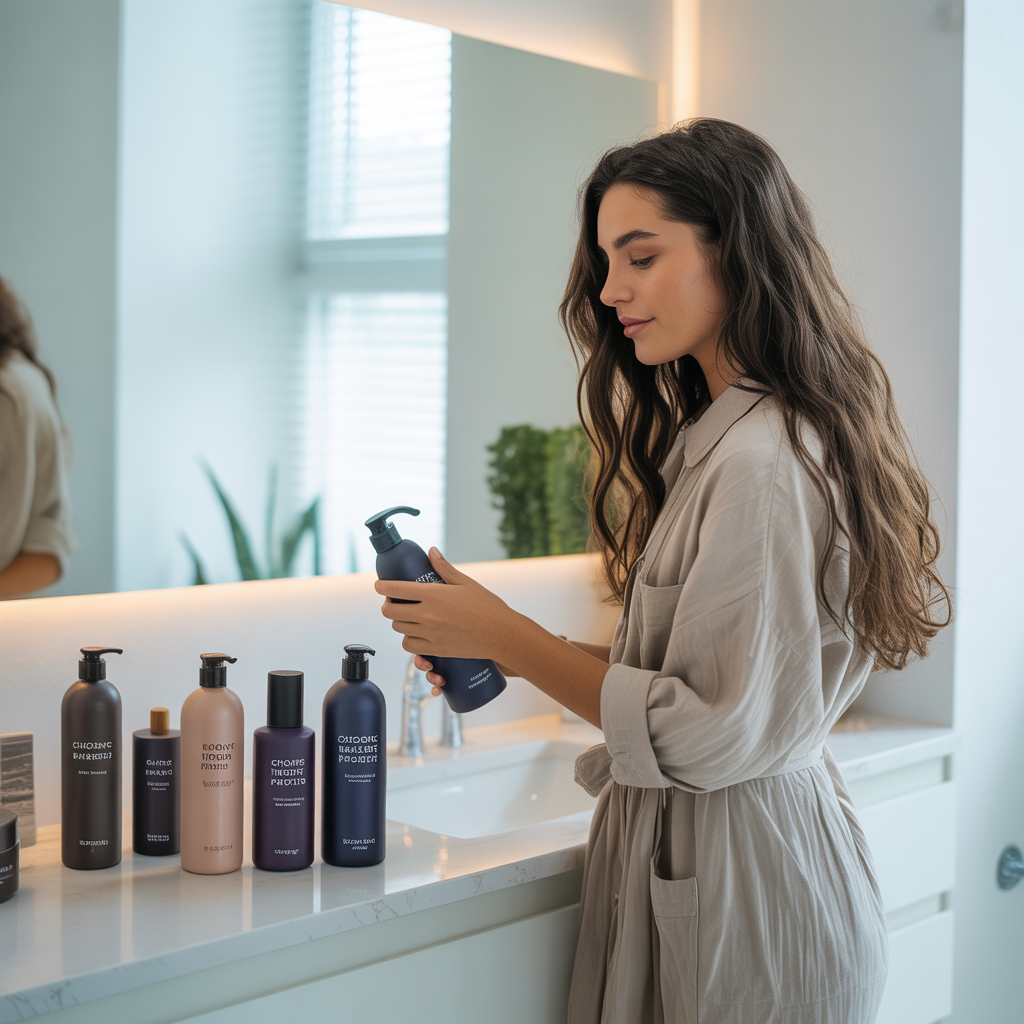
Picking the right products is half the battle when it comes to wavy hair.
In this part, you’ll discover what ingredients to look for and what to avoid.
- Lightweight, hydrating products work best for most wavy hair types.
- Avoid heavy silicones and sulfates that can weigh your waves down.
- Use a gentle, sulfate-free shampoo to cleanse without stripping moisture.
- Condition with products that add slip and moisture but don’t leave residue.
- Consider using a leave-in conditioner to lock in hydration.
- Here’s a simple product guide:
| Product | Why You Need It | What to Look For |
|---|---|---|
| Shampoo | Cleanses gently | Sulfate-free, mild surfactants |
| Conditioner | Adds moisture | Lightweight, silicone-free |
| Leave-in | Prevents frizz | Hydrating, light texture |
| Styling Cream/Gel | Defines waves | Alcohol-free, non-crunchy |
3. Washing and Drying Techniques
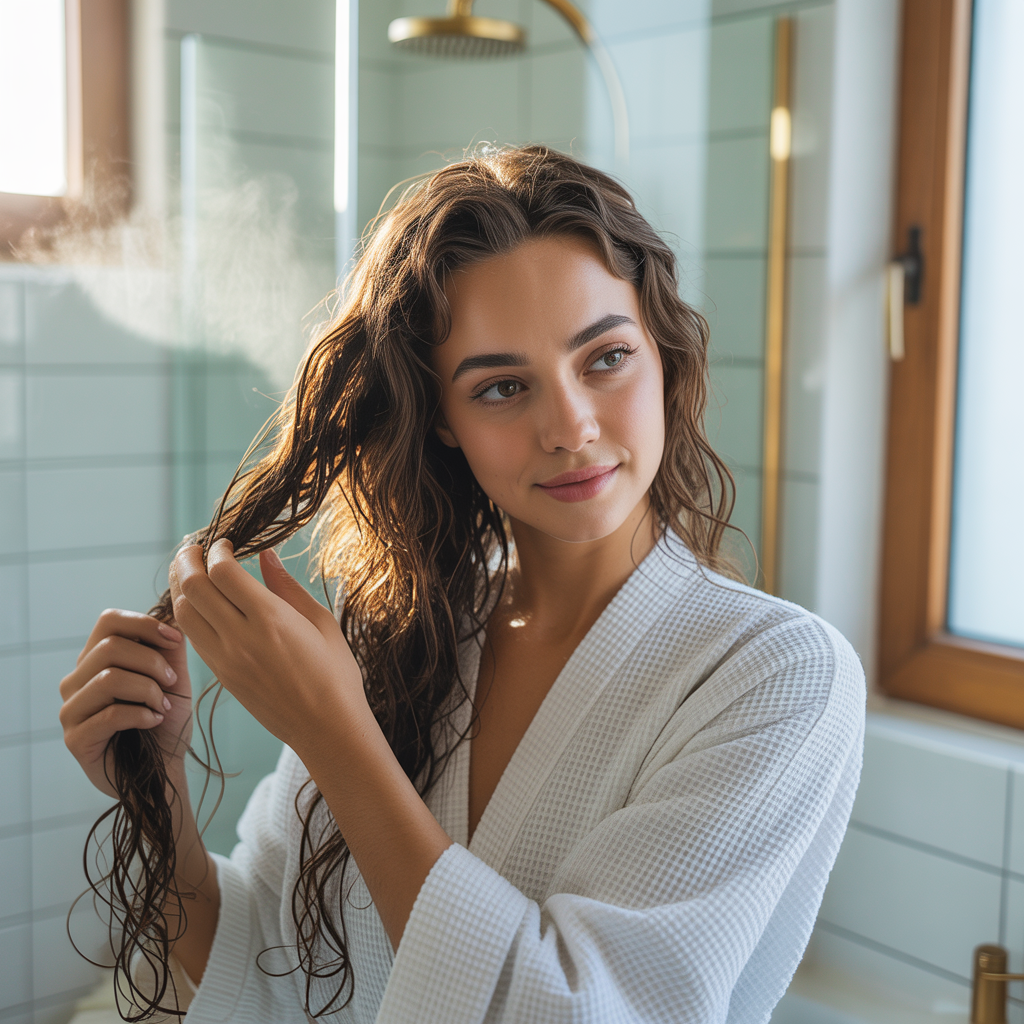
How you wash and dry your hair can make or break your waves.
This section covers simple steps to maintain shape and reduce frizz.
- Wash your hair with lukewarm water, not hot.
- Apply conditioner mid-length to ends to avoid greasy roots.
- Rinse with cool water to seal the cuticle.
- After washing, gently squeeze out excess water with a microfiber towel or cotton T-shirt.
- Avoid rough towel drying, which creates frizz.
- Try the “plopping” method: wrap your damp hair in a T-shirt for 20–30 minutes to encourage wave formation.
- Air-dry when possible or use a diffuser on a low heat setting.
4. Styling Tips for Defined Waves
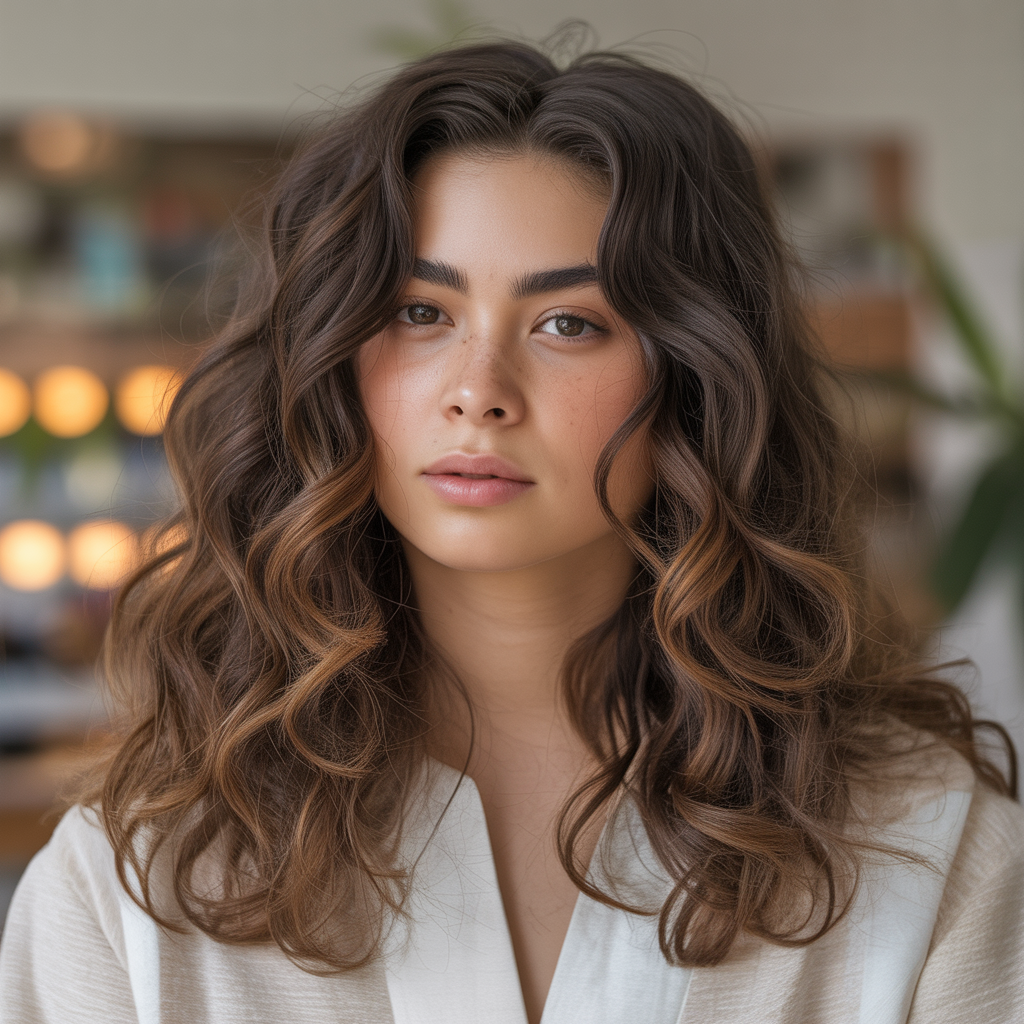
Once your hair is clean and dry, it’s time to style it for maximum definition.
This part gives you easy techniques to keep your waves bouncy and beautiful.
- Apply styling cream or gel to damp hair to lock in waves.
- Scrunch your hair upwards to encourage natural wave patterns.
- Use a wide-tooth comb instead of a brush to prevent breakage.
- Try the “twist and scrunch” method: twist small sections of hair, then scrunch for tighter waves.
- If needed, touch up sections with a curling wand on low heat.
- Sleep with your hair in a loose braid or pineapple updo to preserve waves overnight.
- Use a silk pillowcase to reduce friction and frizz.
5. Managing Frizz and Humidity
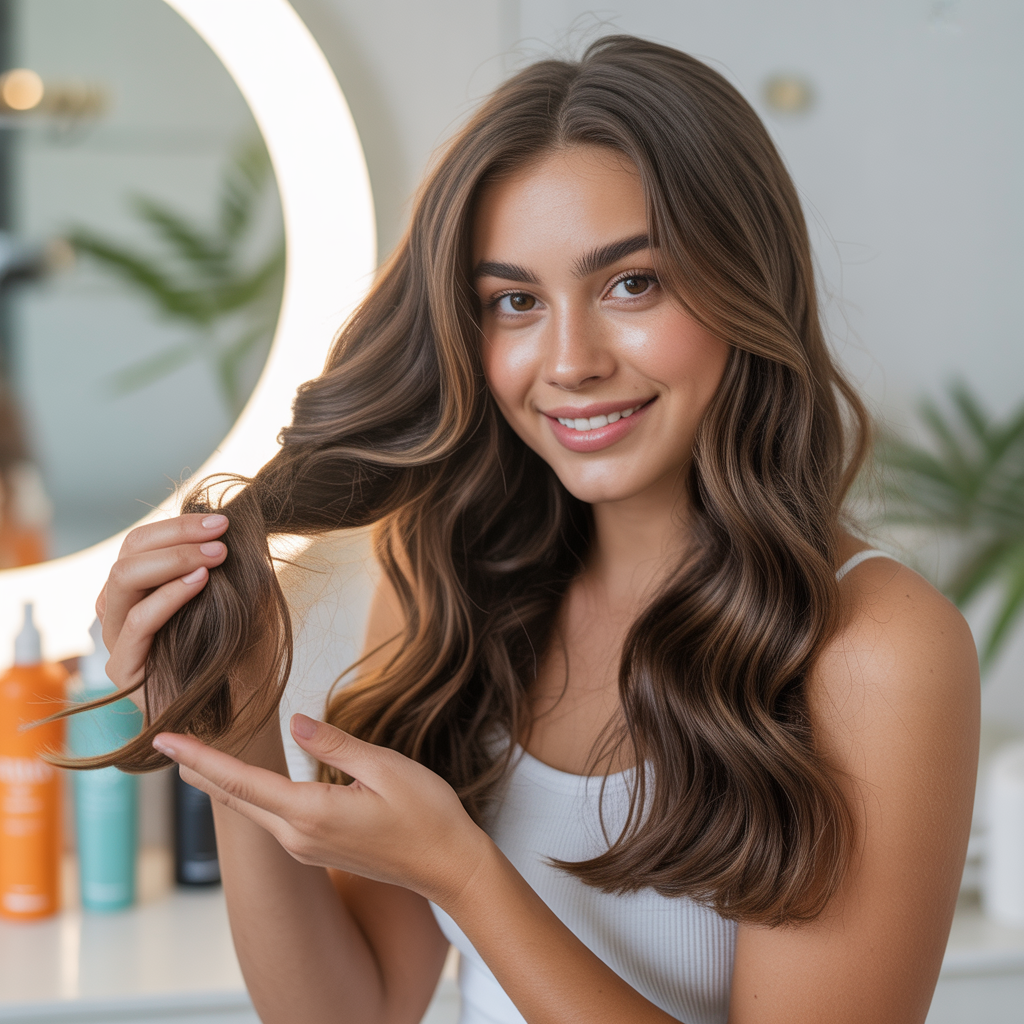
Frizz can be a big challenge for wavy hair, especially in humid weather.
This section explains how to keep your waves smooth and manageable all day.
- Hydrated hair is less likely to frizz, so never skip conditioner.
- Use an anti-frizz serum or lightweight oil on damp or dry hair.
- Avoid brushing dry hair—use fingers or a wide-tooth comb instead.
- In high humidity, apply a humidity-resistant spray.
- Try the LOC method (Liquid, Oil, Cream) to seal in moisture.
- Get regular trims to prevent split ends that can cause frizz.
- Carry a small anti-frizz sheet in your bag for quick touch-ups.
6. Heat Styling: Dos and Don’ts

Sometimes you may want more polished waves with heat tools.
This section covers how to use heat safely without damaging your hair.
- Always apply a heat protectant spray before using any hot tool.
- Use the lowest effective heat setting to avoid damage.
- A large barrel curling iron works well for loose, beachy waves.
- Don’t hold the iron on your hair for too long—5–10 seconds is enough.
- After curling, let hair cool completely before touching it.
- Finish with a light hairspray to hold waves in place without stiffness.
- Limit heat styling to a few times a month to maintain hair health.
7. Embracing Your Natural Waves
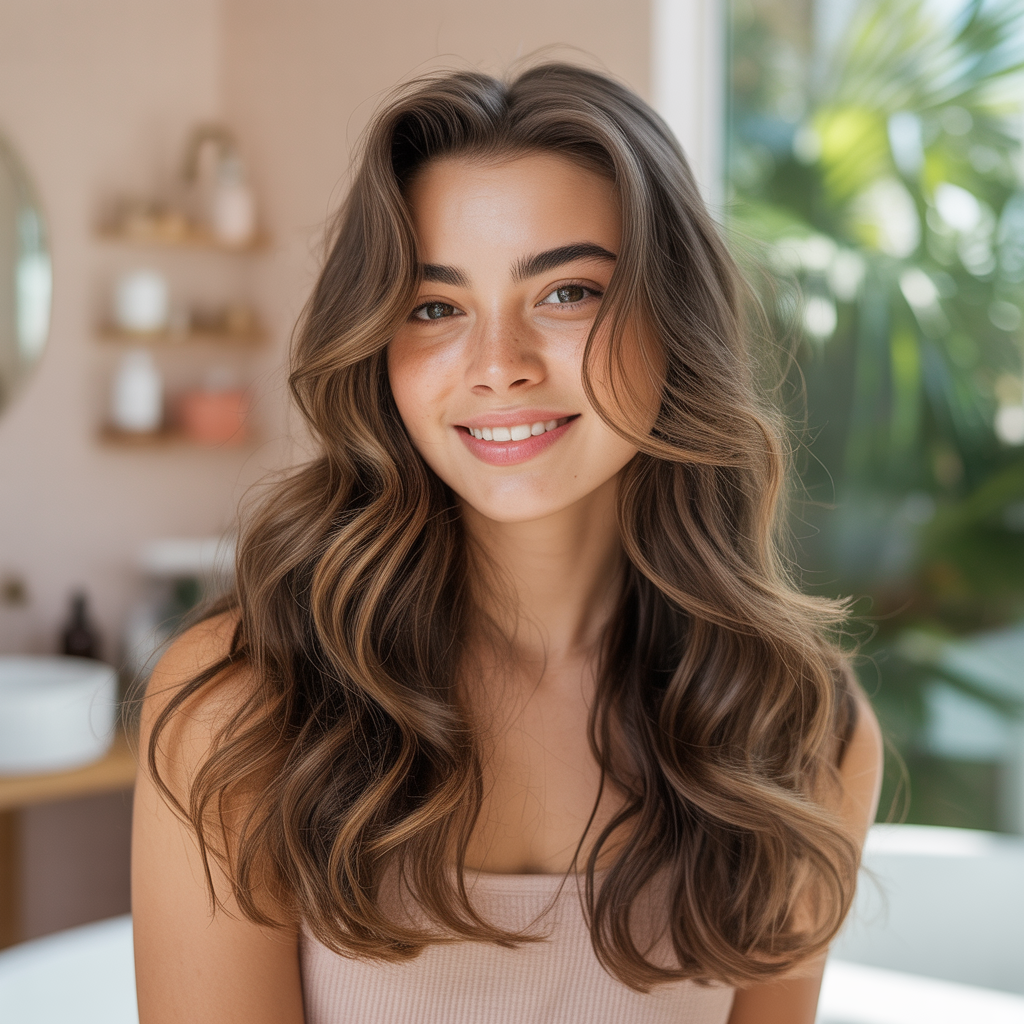
Learning to love and embrace your natural texture can save you time and stress.
This section will motivate you to let your waves shine.
- Accept that no two wavy hair days are exactly alike—embrace the uniqueness.
- Experiment with different routines until you find what works best for you.
- Join online communities or follow stylists who specialize in wavy hair for inspiration.
- Celebrate your natural look instead of fighting against it.
- Remember: healthy hair is beautiful hair, no matter the wave pattern.
- For extra motivation, read real stories in wavy hair communities.
Conclusion
How to Style Wavy Hair is more than just a routine—it’s a way to celebrate your natural texture with confidence and ease.
When you understand your waves, pick the right products, and follow simple techniques, you can create effortless, beautiful looks every day.
Use what you’ve learned in this guide to treat your hair kindly, embrace your natural beauty, and turn “bad hair days” into a thing of the past.
May How to Style Wavy Hair help you love your waves more than ever before.
