

Natural hair is a powerful expression of identity and individuality.
Among the many styling options for men, two-strand twists stand out as one of the most stylish and manageable choices.
Whether you’re embracing your coils for the first time or looking for a low-maintenance grooming routine, two-strand twists offer a protective, versatile style that works with your hair—not against it.
In this detailed guide titled Easy Two-Strand Twist Tutorial for Natural Hair Men, we break down the process from preparation to upkeep, giving you all the tools, tips, and confidence you need to twist your natural hair like a pro.
1. What Makes Two-Strand Twists Ideal for Natural Hair?
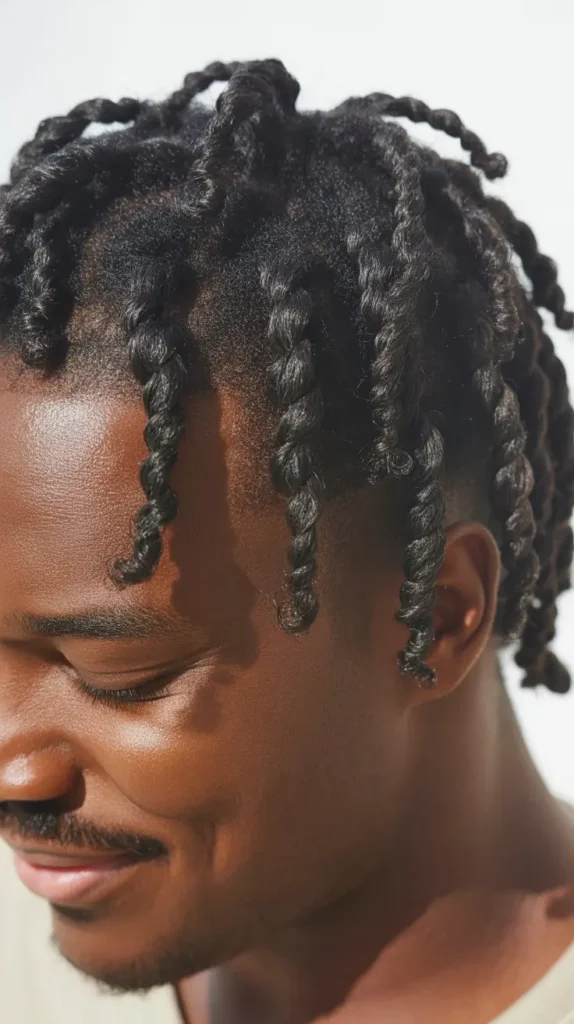
Two-strand twists are more than just a hairstyle—they’re a solution for managing and styling textured hair easily and effectively.
- Perfectly suited for coily and kinky hair types (4A–4C).
- Serve as a protective style, helping retain moisture and reduce breakage.
- Great for short, medium, or even growing-out natural hair.
- Require minimal daily styling and manipulation.
2. Preparing Your Hair for Twisting
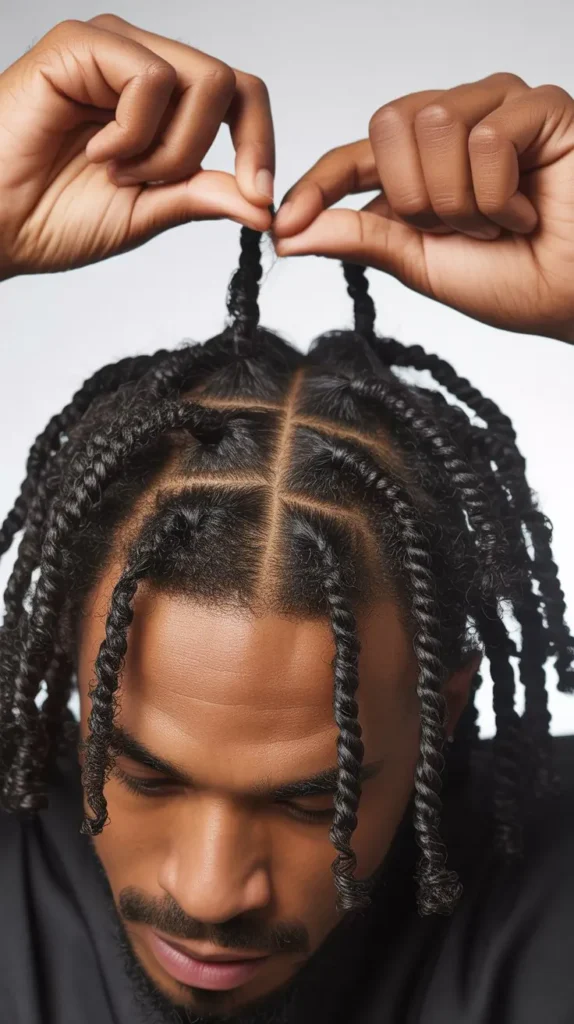
Healthy twists begin with clean, well-prepped hair. Preparing properly helps the twists last longer and look better.
- Wash your hair thoroughly with a sulfate-free shampoo.
- Deep condition to restore moisture and softness.
- Detangle using a wide-tooth comb or your fingers.
- Let hair dry until it’s damp—too wet and it’ll unravel, too dry and it may frizz.
3. Products and Tools You’ll Need
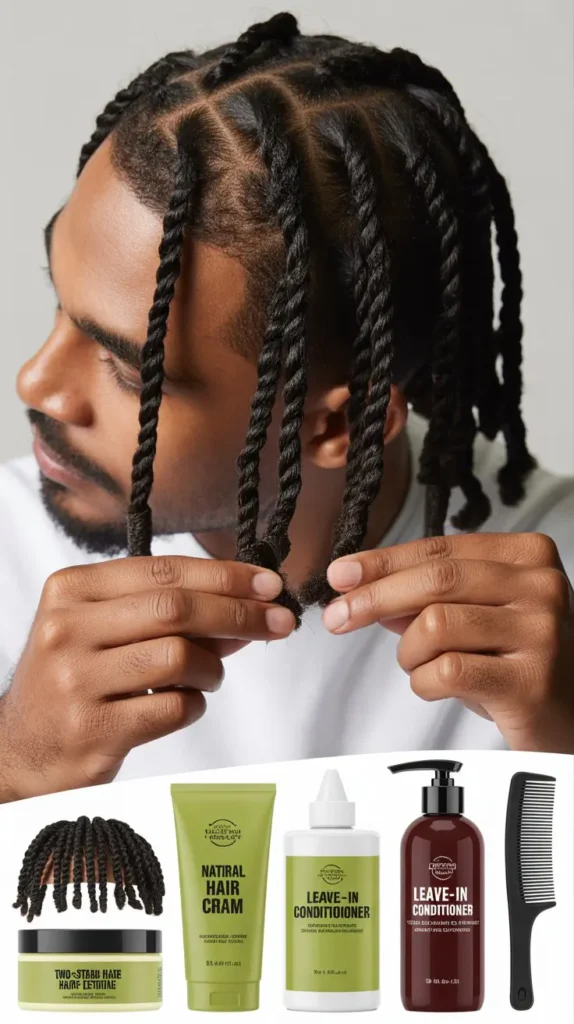
Having the right tools and products makes the twisting process easier and ensures better results.
| Tool / Product | Use |
|---|---|
| Rat-tail comb | For clean parting |
| Alligator clips | To section and manage parts |
| Leave-in conditioner | To keep hair hydrated |
| Curl cream or twist butter | For hold and definition |
| Lightweight oil | To lock in moisture |
| Satin durag or bonnet | For nighttime protection |
4. How to Section Hair for Twists
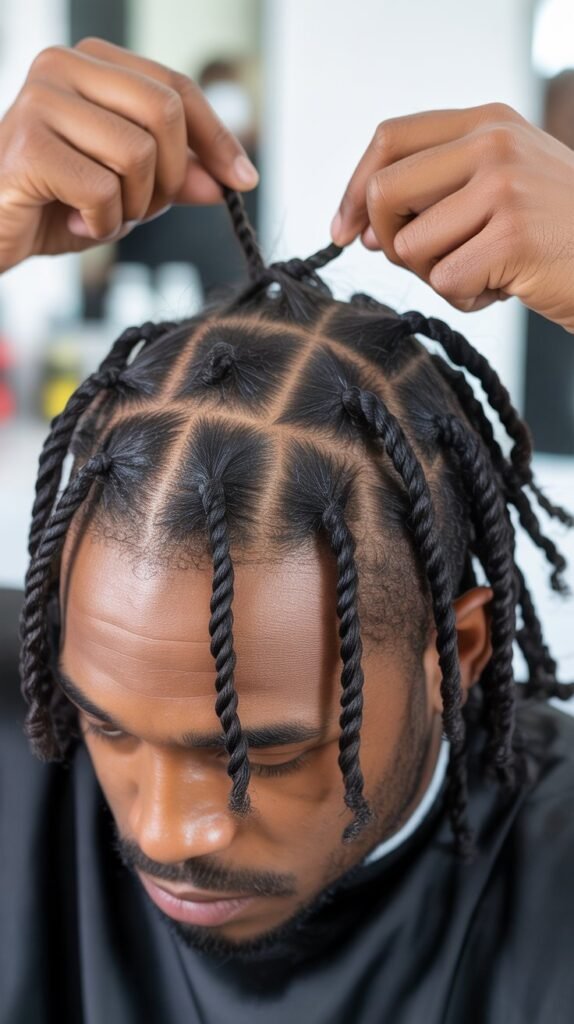
Clean sections not only make your twists look more professional but also help them last longer.
- Use the rat-tail comb to part the hair into small to medium squares or rectangles.
- Clip away the sections you’re not working on.
- Try to maintain consistent part size throughout for an even look.
5. Step-by-Step Twisting Process
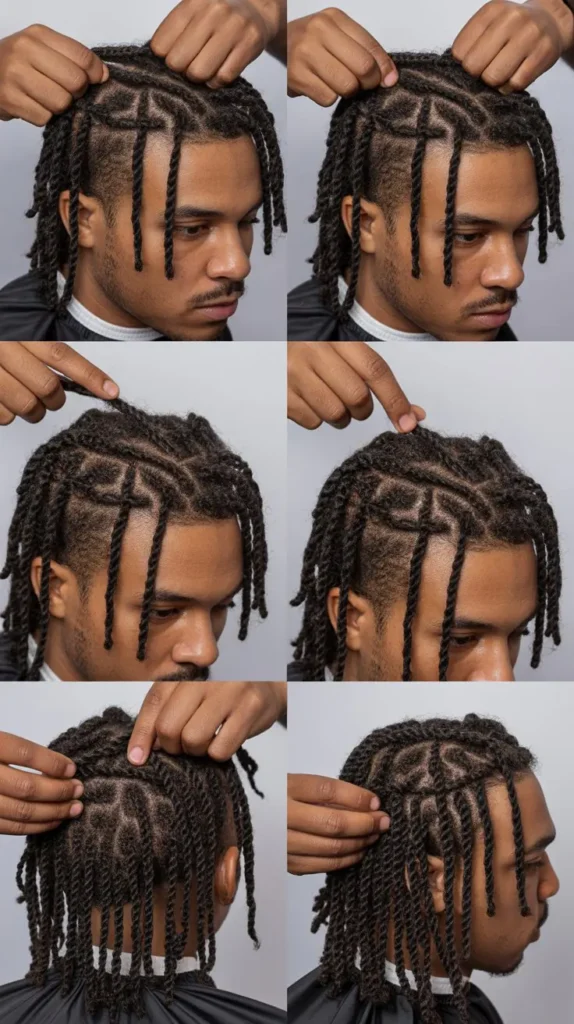
Let’s walk through the actual twisting technique, which is easy once you get the rhythm.
- Apply leave-in conditioner and curl cream to the section.
- Divide the section into two equal strands.
- Twist the strands around each other from the root to the tip.
- Coil the ends with your fingers or secure with a dab of gel.
- Repeat this across your entire head, section by section.
6. Twist Styles for Short Natural Hair
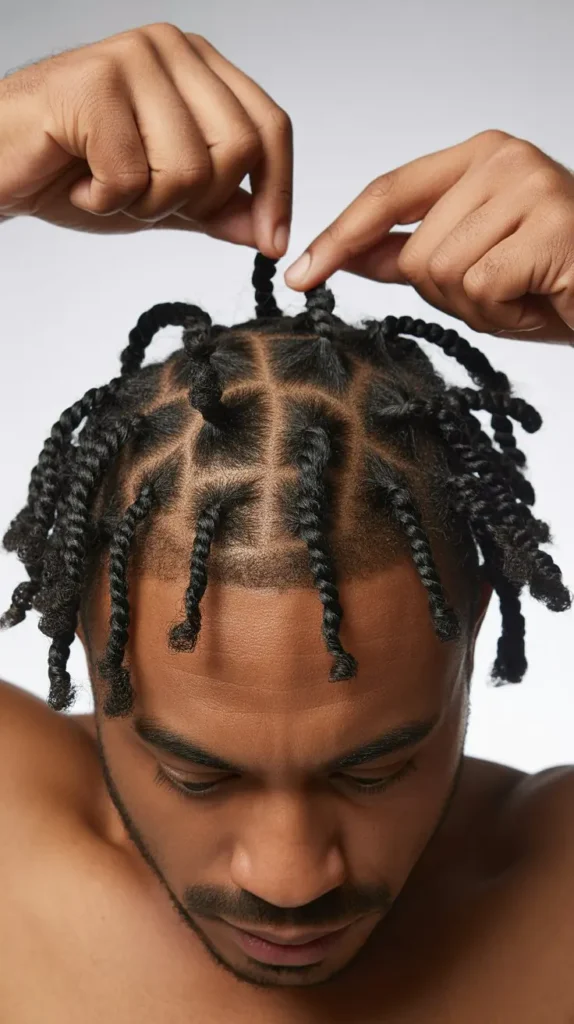
Even with short hair, there are creative ways to style your twists.
- Uniform twists: Clean, even rows all over the head.
- Twists with fade: Add taper or burst fade on the sides.
- Twist hawk: A mohawk-style layout using twists along the center.
- Curly ends: Let the ends curl naturally for a soft look.
7. Twist Maintenance Routine
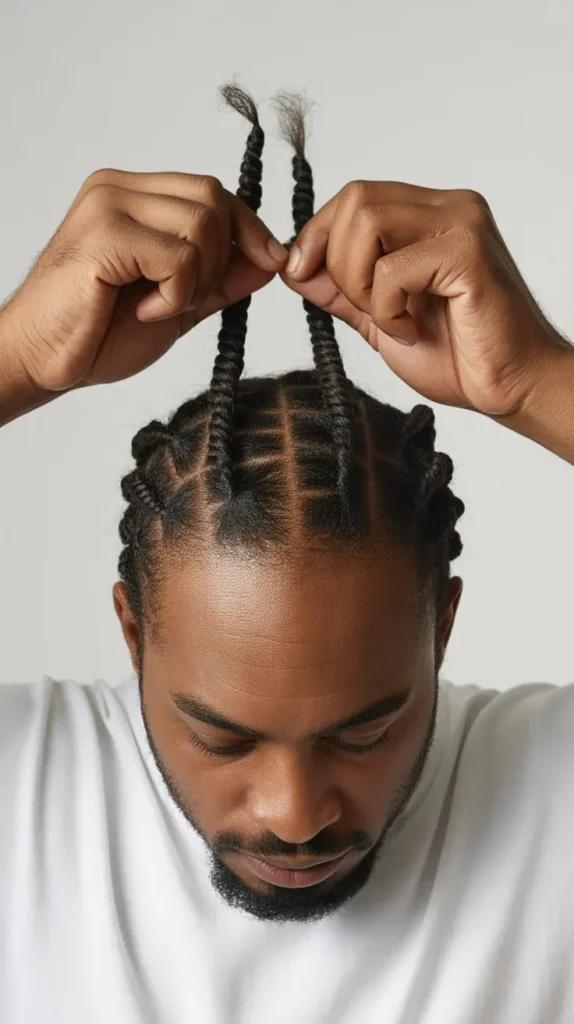
Proper care helps your twists last longer and keeps your natural hair healthy underneath.
- Sleep with a satin durag or bonnet to prevent frizz.
- Mist daily with a water and aloe vera mix to refresh twists.
- Apply light oil every few days to maintain scalp moisture.
- Avoid over-manipulating or retwisting too often.
8. How Long Will Twists Last?
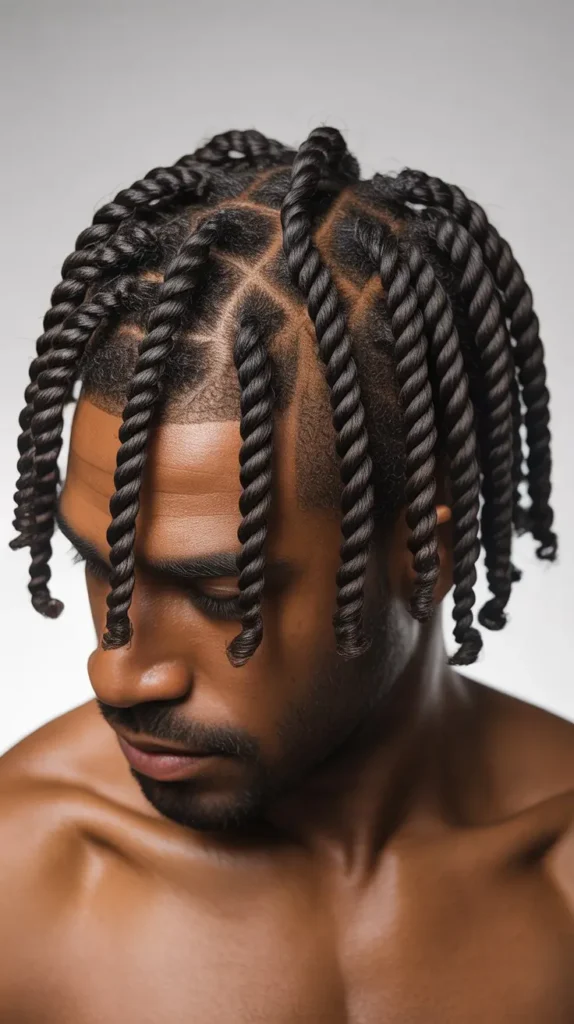
The durability of your twists depends on your hair type, twist size, and how well you maintain them.
- Typically lasts 1 to 3 weeks.
- Smaller twists tend to last longer.
- Re-twist loose ones mid-week if needed for a clean appearance.
9. Twist-Out Option
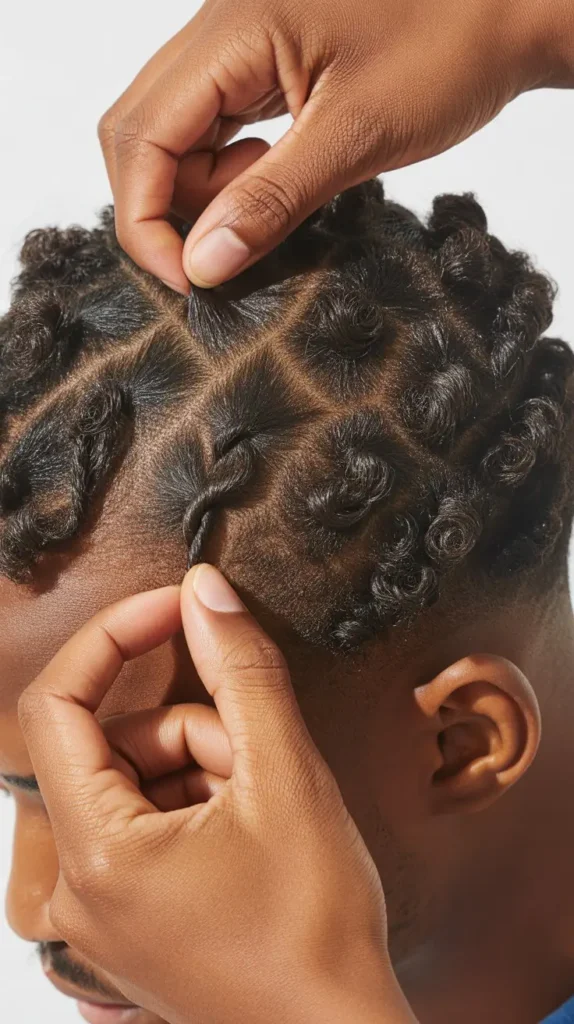
Unraveling your twists gives you a defined curly look known as a twist-out.
- Do this only when your hair is completely dry to avoid frizz.
- Apply a little oil to your fingertips before unraveling.
- Separate gently to maintain definition.
10. Pros and Cons of Two-Strand Twists on Natural Hair
Let’s weigh the benefits and drawbacks to help manage expectations.
| Pros | Cons |
|---|---|
| Low-maintenance styling | May unravel if not secured |
| Versatile styling options | Requires upkeep every few weeks |
| Encourages hair growth | Can frizz in humid conditions |
| No heat or chemicals needed | Takes time to install |
11. Using Two-Strand Twists to Start Locs
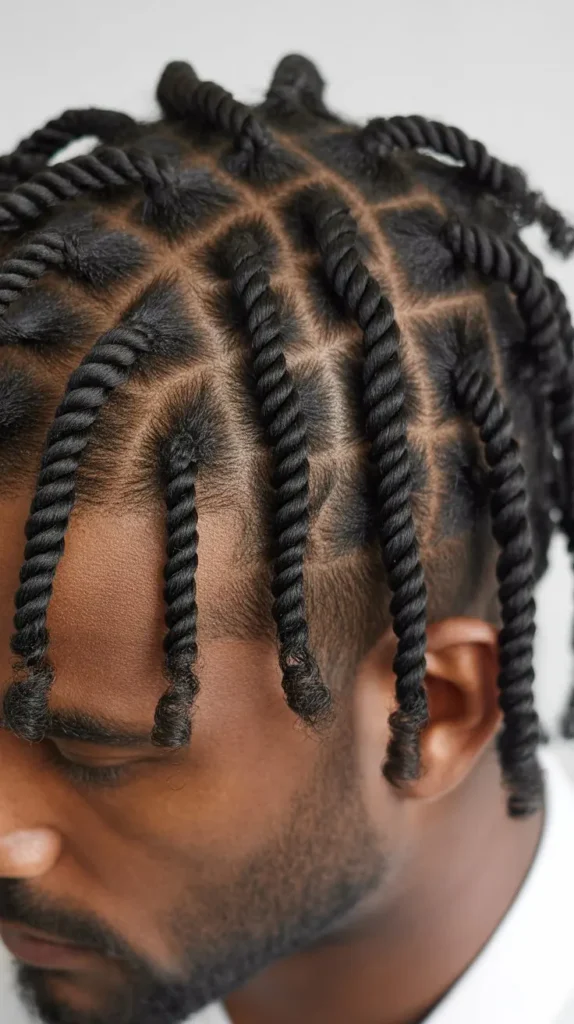
Did you know twists can be the first step in starting dreadlocks?
- Keep twists in without unraveling to begin the locking process.
- Avoid over-manipulating or retwisting too soon.
- Use natural locking gels or aloe vera.
Learn more about starter locs here.
12. Mistakes to Avoid
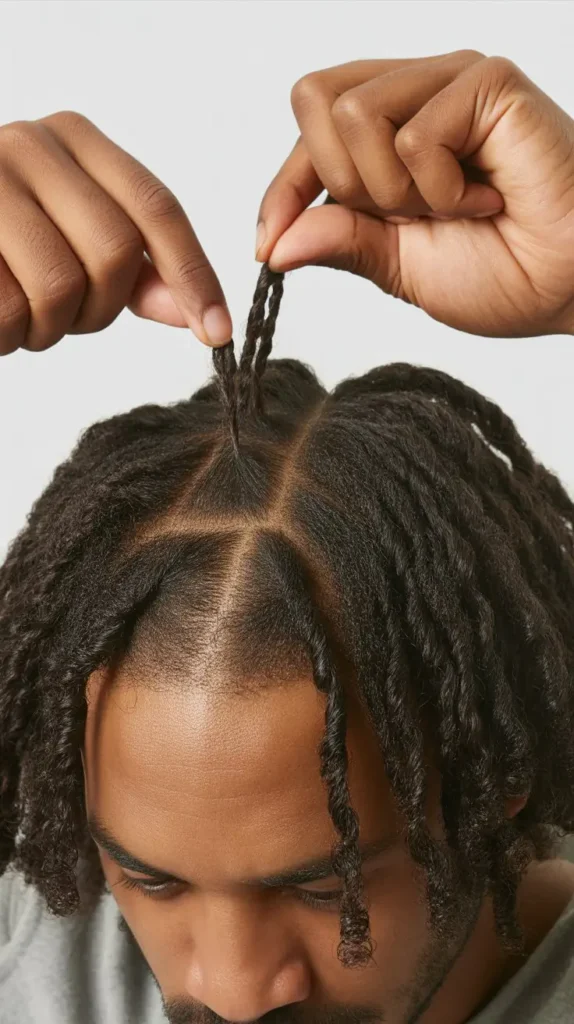
Avoid these common missteps to ensure your twists stay fresh and functional.
- Twisting on dry hair without moisture—leads to frizz and breakage.
- Twisting too tightly—puts tension on your scalp and roots.
- Skipping nighttime care—leads to flat, frizzy twists.
13. Twists with Accessories for Personal Style
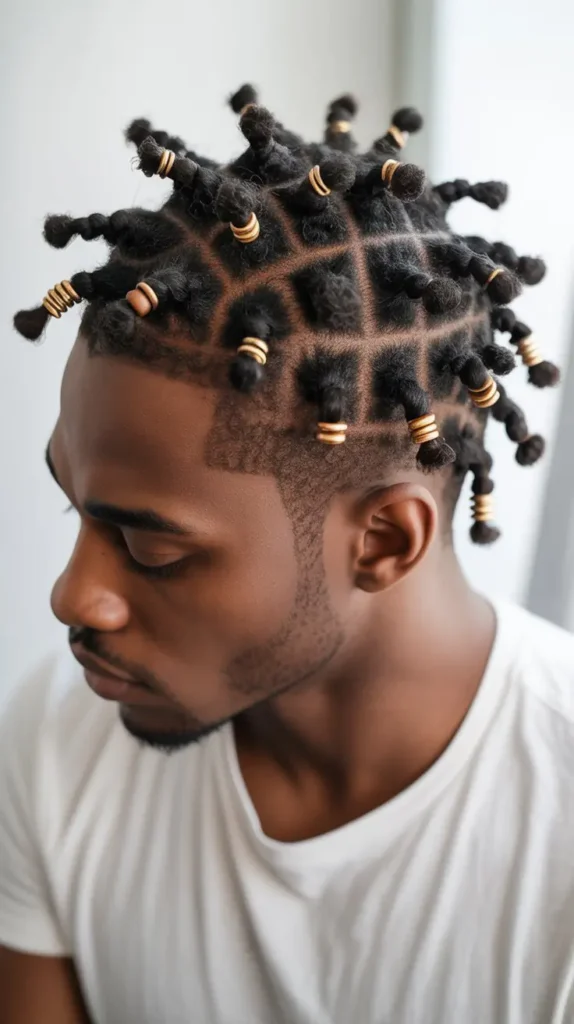
Spice up your look with beads, cuffs, or colored thread.
- Slide on beads to twist ends for a tribal look.
- Add gold or silver cuffs to a few twists for flair.
- Use thread to wrap individual twists for added color.
14. Twists with Color for Bold Expression
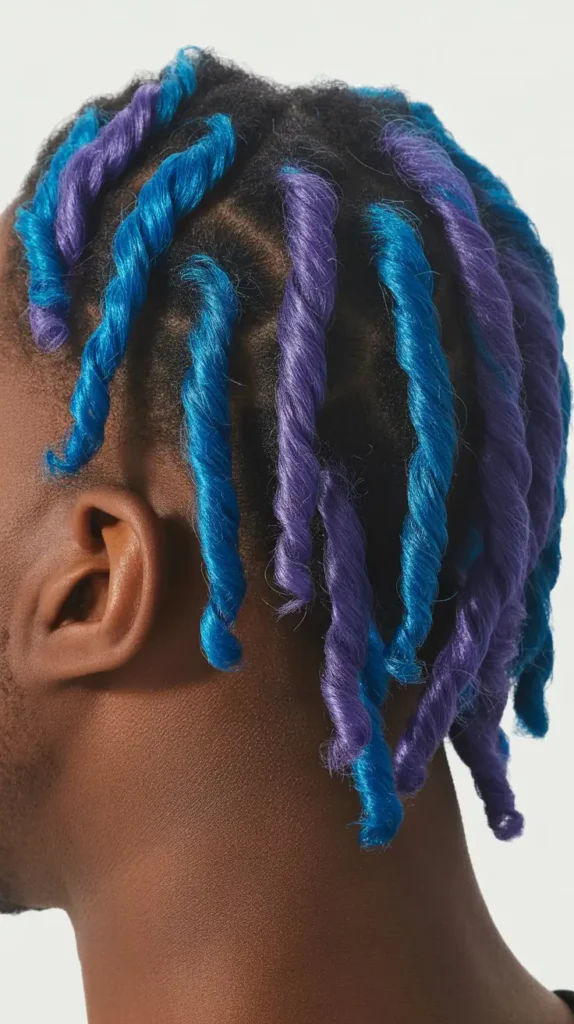
Want to add some personality to your twists?
- Try temporary color waxes that wash out easily.
- For long-lasting color, use semi-permanent dye—but hydrate frequently.
- Maintain with color-safe, sulfate-free shampoos.
15. Can You Work Out with Twists?
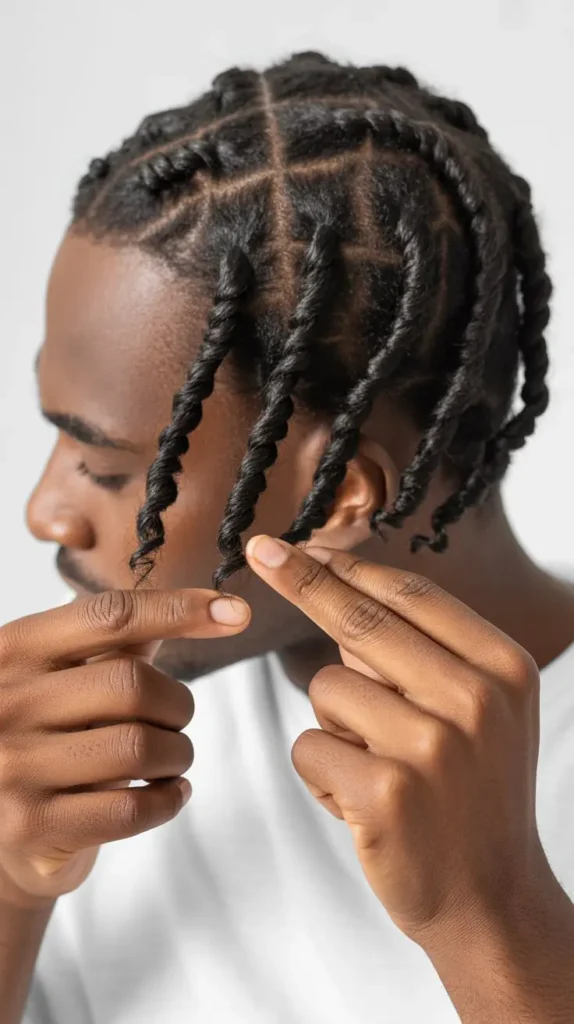
Yes! Twists are great for active lifestyles with a few considerations.
- Wear a sweat-wicking headband to protect your edges.
- Rinse sweat from the scalp using a mild astringent spray.
- Reapply a light oil afterward to replenish moisture.
16. Budget-Friendly Twist Routine
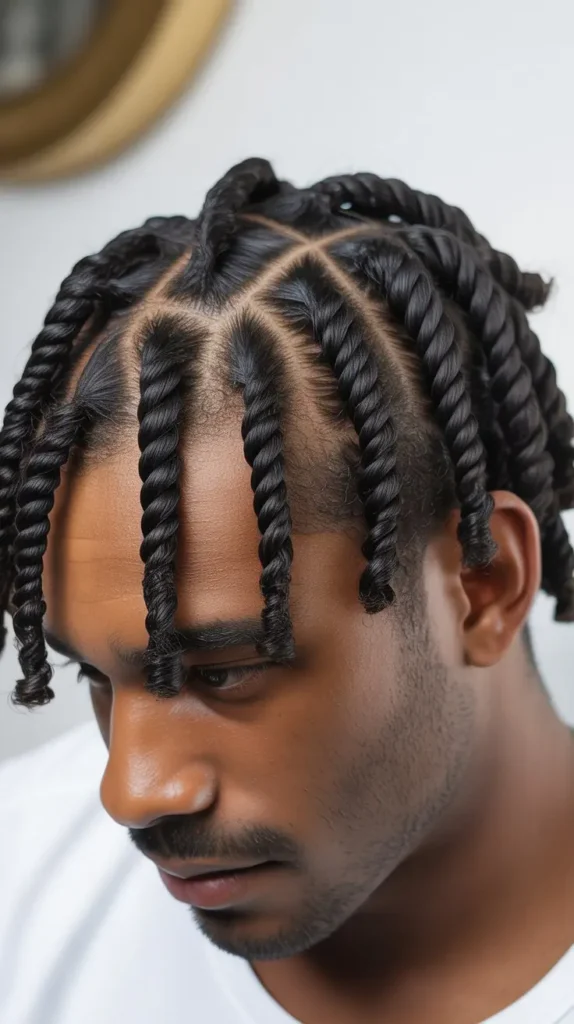
Twists are cost-effective and DIY-friendly.
- Products last weeks, and tools are reusable.
- You save on barber visits or salon installs.
- Great for students, professionals, and budget-conscious individuals.
17. How to Refresh Twists Midweek
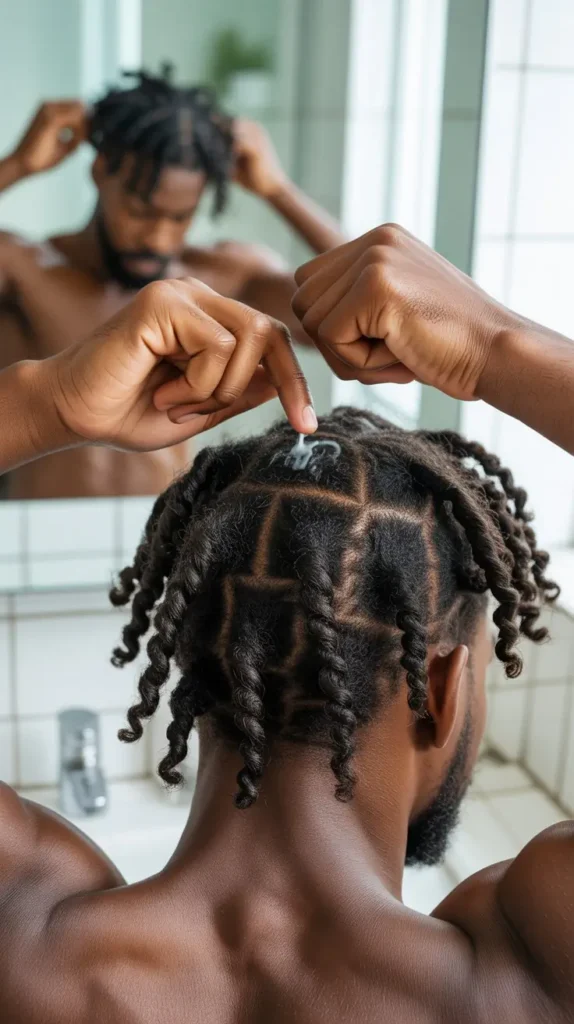
Keep your style looking sharp between full installs.
- Re-moisturize and re-twist any loose or frizzy sections.
- Use edge control to neaten your hairline.
- Consider a temporary updo to hide messy sections.
18. Best Times to Wear Twists
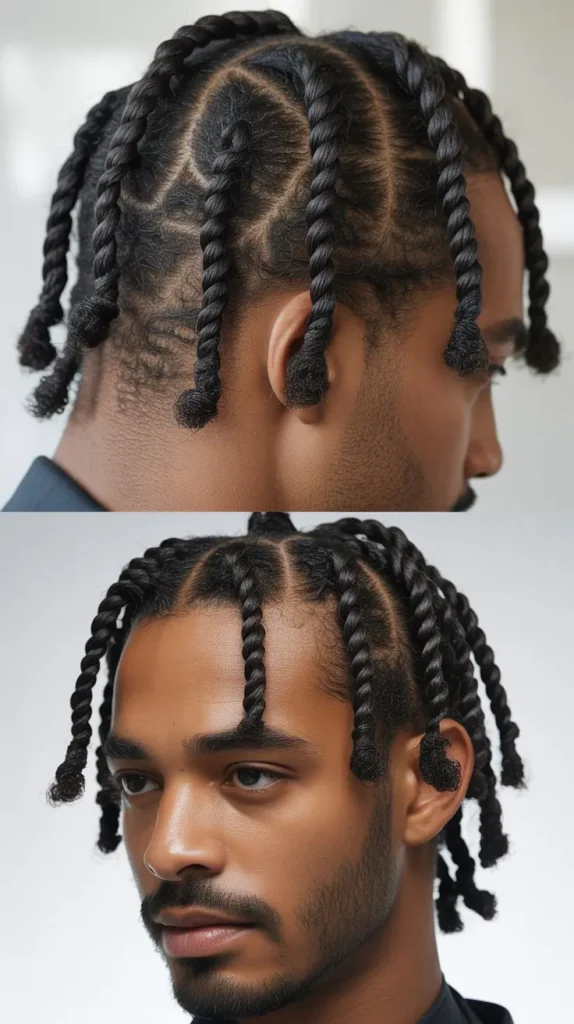
Twists are suitable for nearly any time or place.
- Vacations: Low maintenance and beach-friendly.
- Interviews: Keep clean parts and neatly shaped edges.
- Everyday life: Flexible for work, school, or play.
19. Are Twists Suitable for Kids and Teens?
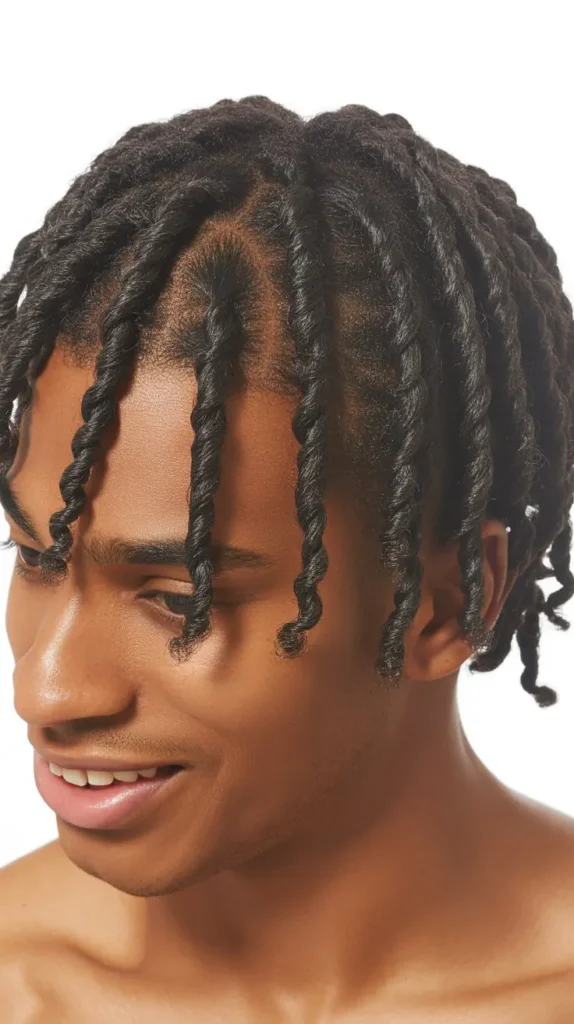
Absolutely! Twists are gentle and fun for young boys and teens with natural hair.
- Easy to install and remove.
- Helps protect hair while growing.
- Add color-free beads for flair.
20. Can Twists Help with Hair Growth?
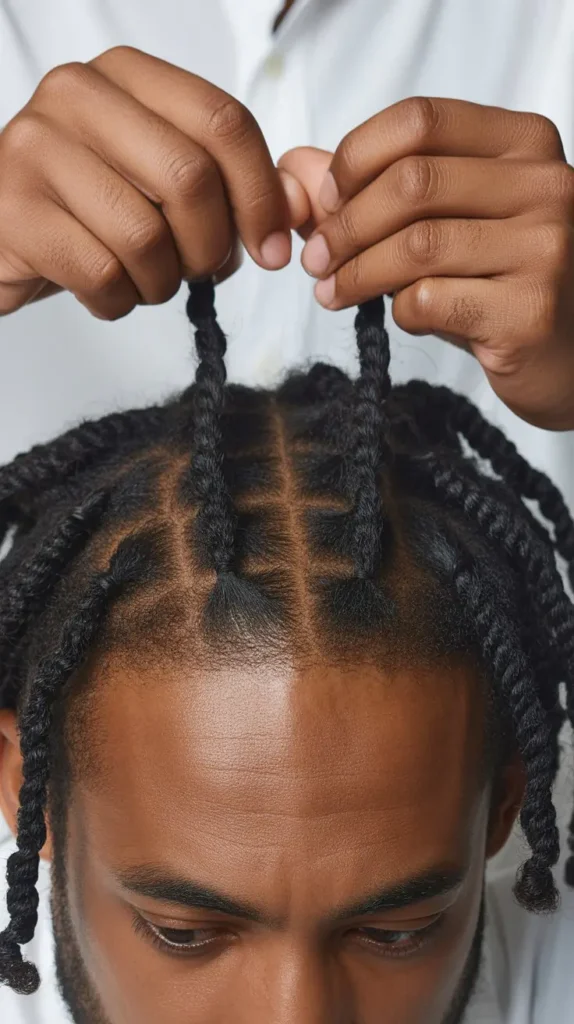
While twists don’t directly grow hair, they do help retain length.
- Reduces breakage by limiting manipulation.
- Keeps ends protected, preventing split ends.
- Encourages consistent moisturizing and scalp care.
21. When to Take Down Twists
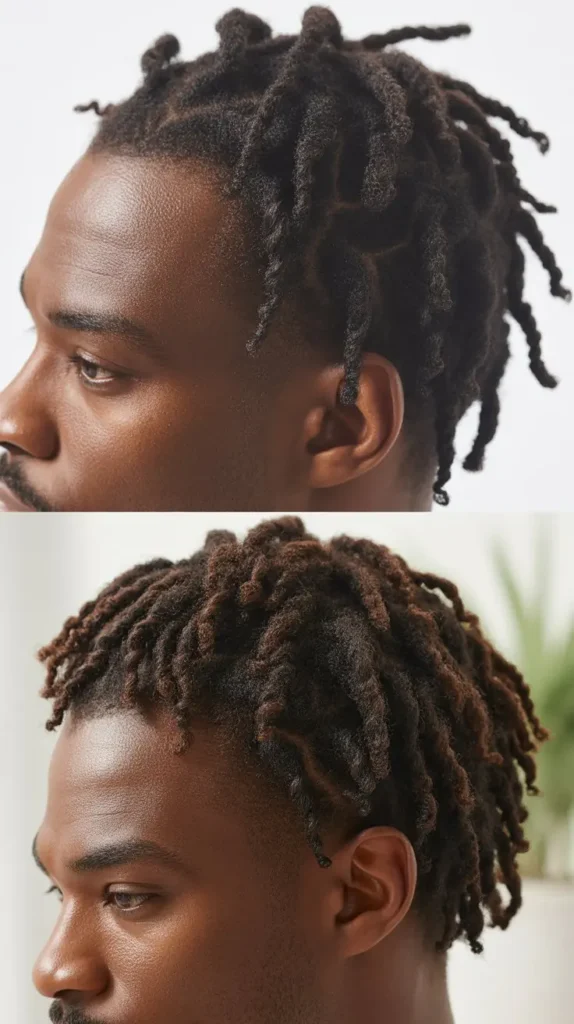
Eventually, it’ll be time for a new set.
- After 2–3 weeks, or when they begin to look frizzy.
- Take your time to avoid pulling or tearing hair.
- Deep condition afterward before reinstalling.
Conclusion
Now that you’ve gone through this Easy Two-Strand Twist Tutorial for Natural Hair Men, you have everything you need to start twisting confidently.
From prepping your hair to maintaining and even styling your twists, this guide serves as your step-by-step blueprint for embracing natural texture with style and ease.
Two-strand twists are more than a hairstyle—they’re a statement of culture, care, and confidence.
Stick to your routine, keep your hair hydrated, and enjoy the freedom and versatility that comes with this timeless look.
