

Dreadlocks are more than just a hairstyle—they’re a commitment that rewards you with stunning, unique locks when properly maintained.
Whether you’re a few weeks into your dreadlock journey or years down the road, understanding the right maintenance routine can make the difference between healthy, beautiful locs and problematic ones.
This Daily and Weekly Dreadlocks Maintenance Guide will walk you through essential daily care practices, weekly deep maintenance routines, common mistakes to avoid, and expert tips for keeping your dreadlocks looking their absolute best.
You’ll discover practical techniques for washing, moisturizing, palm rolling, separating roots, and addressing issues before they become problems.
By the end of this guide, you’ll have a complete road map to maintaining gorgeous, healthy dreadlocks that reflect your dedication and style.
1. Understanding Your Dreadlock Formation Stage

Before diving into maintenance routines, it’s crucial to recognize that dreadlocks go through distinct maturation phases, and each stage requires different care approaches. New locs behave differently than mature ones, and applying the wrong technique at the wrong time can hinder your progress or damage your hair.
Formation Stages Overview
- Baby Stage (0-3 months): Your hair is freshly sectioned and beginning to form knots, appearing loose and fuzzy with minimal structure.
- Teenage Stage (3-12 months): Locs start tightening and forming cylindrical shapes, though they still experience significant frizz and may feel soft or squishy.
- Mature Stage (12+ months): Dreadlocks become firm, dense, and fully locked with minimal unraveling risk, displaying a solid rope-like texture throughout.
- Each stage demands adjusted maintenance frequency, with baby locs requiring more frequent attention and mature locs needing less intensive care.
- Understanding your current stage prevents over-manipulation, which can weaken the hair shaft and slow the locking process.
Why Stage Matters for Maintenance
- Baby locs need gentle handling to avoid unraveling, meaning aggressive washing or excessive product use should be avoided.
- Teenage locs benefit from regular palm rolling and root maintenance to encourage uniform matting and prevent weak spots.
- Mature locs can handle more vigorous washing and require less frequent retwisting, allowing for a more relaxed maintenance schedule.
- Applying mature-loc techniques to baby locs can cause them to come undone, wasting weeks of progress.
- Conversely, treating mature locs like baby locs leads to product buildup and unnecessary time investment in maintenance.
2. Essential Daily Dreadlock Care Routine
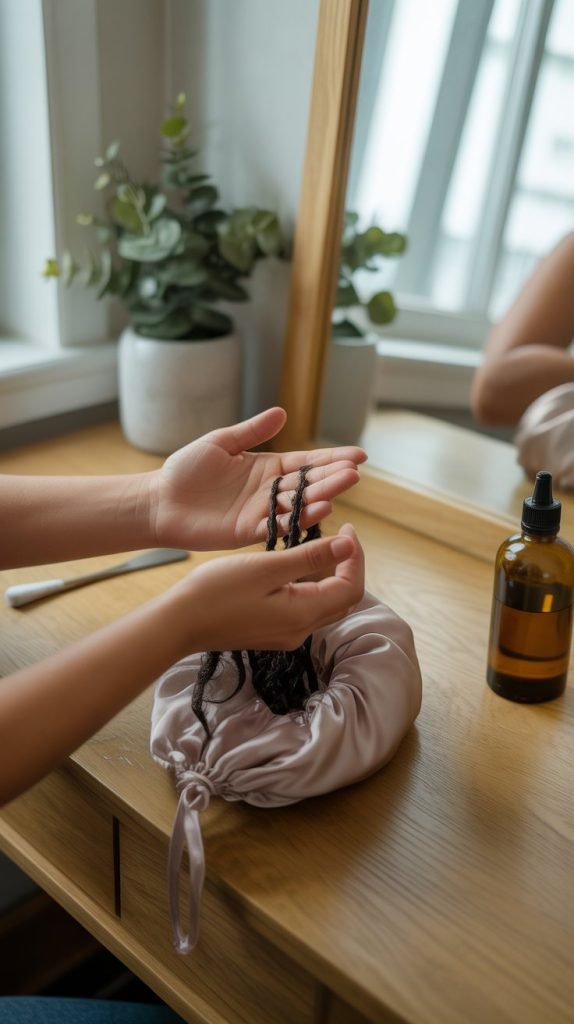
Daily maintenance doesn’t mean intensive work—it’s about simple, consistent habits that keep your locs healthy and prevent problems from developing. A solid daily routine takes just 5-10 minutes but delivers significant long-term results.
Morning Loc Check and Moisturizing
- Start each day by gently checking your scalp for dryness, itchiness, or any unusual sensations that might indicate issues developing.
- Apply a lightweight natural oil (like jojoba, argan, or sweet almond oil) to your scalp using fingertips, focusing on dry areas.
- Avoid applying oil directly to the length of your locs daily, as this causes buildup—scalp moisturizing is sufficient for overall loc health.
- Use a spray bottle with water and a few drops of essential oil for a light refreshing mist if locs feel particularly dry.
- Gently massage your scalp with fingertips in circular motions to stimulate blood circulation and distribute natural oils.
Protective Styling and Coverage
- Before bed, always cover your locs with a satin or silk bonnet, scarf, or use a satin pillowcase to reduce friction.
- Cotton pillowcases absorb moisture and create friction that causes frizz, breakage, and lint accumulation in your locs.
- If your locs are long, consider loosely tying them up or creating a simple pineapple updo before covering them.
- During windy days or outdoor activities, protect locs with a head wrap or tuck them under a hat to minimize exposure to environmental debris.
- Remove head coverings during the day when possible to allow your scalp to breathe and prevent moisture buildup that can lead to odor or mildew.
Daily Separation of Roots
- Check your roots each morning and gently separate any locs that are beginning to grow together, which naturally occurs as hair sheds and tangles.
- Hold each loc near the root and gently pull apart from neighboring locs, working slowly to avoid breakage.
- This simple practice prevents “congo” locs (merged dreadlocks) from forming, which can be difficult or impossible to separate later.
- Pay special attention to the nape area and behind the ears where locs are more likely to combine due to friction during sleep.
- If you prefer some congo locs for aesthetic reasons, be intentional about which ones you allow to merge rather than letting it happen randomly.
3. Weekly Deep Maintenance Practices

While daily care keeps things in check, weekly maintenance sessions are when you address deeper needs and ensure your locs continue maturing properly. Setting aside time each week for these practices prevents small issues from becoming major problems.
Root Maintenance and Palm Rolling
- Once weekly, examine each loc’s root to assess new growth and determine if retwisting or palm rolling is necessary.
- For interlocked locs, use your interlocking tool to pull new growth through the base, maintaining uniform pattern direction (clockwise or counterclockwise consistently).
- For twisted locs, apply a small amount of locking gel or cream to new growth and twist the base in the direction of your original pattern.
- Palm rolling involves rubbing each loc between your palms from root to tip using firm but gentle pressure, encouraging the hair to compress and lock.
- Focus palm rolling on the areas that feel loose or are developing irregularities rather than rolling perfectly solid sections unnecessarily.
- Over-retwisting causes thinning at the roots, so only address areas with significant new growth (typically 1/2 inch or more).
Scalp Treatment and Clarification
- Weekly scalp treatments prevent buildup, maintain pH balance, and address any dryness or irritation that accumulated during the week.
- Create a simple clarifying rinse using diluted apple cider vinegar (1 part ACV to 3 parts water) to remove residue and restore scalp health.
- Apply the rinse directly to your scalp using an applicator bottle, massage gently, and let it sit for 5-10 minutes before rinsing thoroughly.
- Tea tree oil treatments work excellently for addressing dandruff or itchy scalp—add 5-10 drops to your spray bottle with water.
- For extremely dry scalps, apply a heavier natural butter (like shea or mango butter) once weekly, focusing only on the scalp and not the loc length.
Lint and Fuzz Management
- Inspect your locs under good lighting to identify lint, dust, or excessive fuzz that’s accumulated during the week.
- Use clean fingers or tweezers to carefully remove visible lint pieces from the surface of your locs, working gently to avoid disturbing the locked hair.
- A small crochet hook (0.5mm-0.75mm) can pull surface fuzz back into the loc body, though this should be done sparingly to avoid creating holes.
- Wearing darker colored clothing and using lint-free towels significantly reduces the amount of lint that embeds in your locs.
- Prevention is better than removal—regular use of satin/silk coverings and being mindful of fabric contact prevents most lint issues.
4. Proper Washing Techniques and Frequency
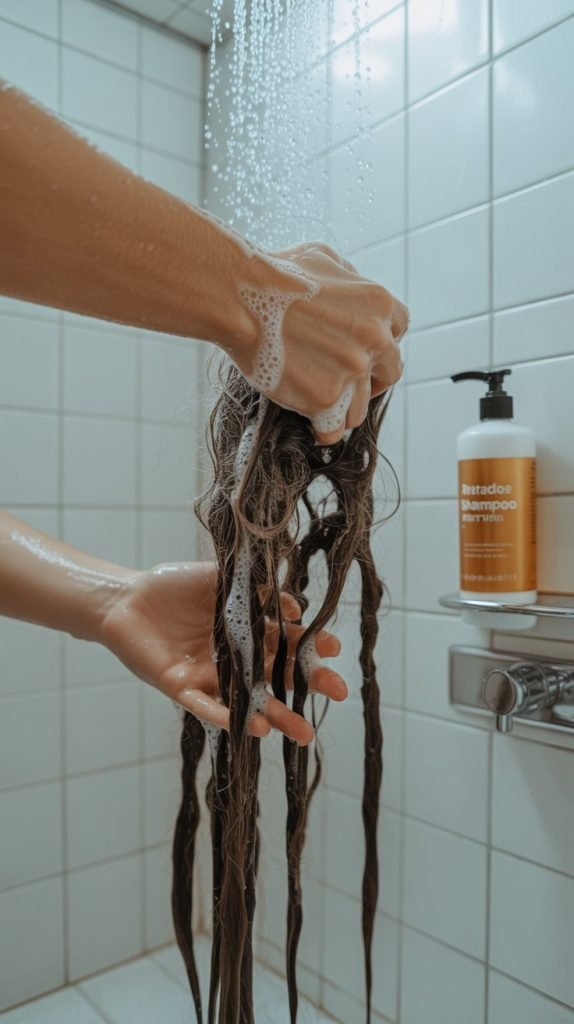
Washing dreadlocks requires a different approach than loose hair, and finding the right frequency is crucial for maintaining cleanliness without hindering the locking process. Many people struggle with this balance, leading to either overwashed, slow-locking hair or underwashed, problematic buildup.
Determining Your Washing Schedule
- Individual factors like activity level, scalp oil production, and climate affect ideal washing frequency—someone who exercises daily may need more frequent washing than someone with a sedentary lifestyle.
- Listen to your scalp’s signals: persistent itching, odor, or visible buildup indicate you need to wash more frequently.
- Washing too often strips natural oils and can cause dryness, while washing too infrequently leads to buildup, odor, and potential mildew growth.
The Correct Washing Method
- Always wet your locs thoroughly with warm water before applying any shampoo, ensuring water penetrates to the scalp and through the loc structure.
- Use a residue-free shampoo specifically formulated for dreadlocks, or create a diluted mixture (1:3 ratio shampoo to water) to prevent buildup.
- Apply shampoo directly to your scalp, not the length of your locs, and work it into a lather using your fingertips with firm massage pressure.
- Allow the lather to run through the length of your locs as you rinse, which cleans them without unnecessary manipulation.
- Squeeze (don’t twist) each loc from root to tip several times during rinsing to push water and shampoo residue out of the dense hair.
- Rinse until water runs completely clear and no slippery feeling remains—residue left in locs causes buildup, attracts dirt, and can create musty odors.
- For deep cleaning, repeat the process or use a clarifying treatment, especially if you’ve been using styling products heavily.
Post-Wash Drying Protocol
- Gently squeeze excess water from your locs using a microfiber towel or old t-shirt—never use regular cotton towels that shed lint.
- Pat your locs rather than rubbing, as aggressive drying causes frizz and can weaken the loc structure.
- Air drying is ideal but can take 24-48 hours for thick, mature locs, so plan washing accordingly or use artificial drying methods.
- A hooded dryer on low-to-medium heat speeds drying without the focused heat damage that handheld dryers can cause.
- If using a handheld dryer, keep it on cool or low settings and maintain constant movement to avoid overheating any section.
- Ensure locs are completely dry within 48 hours to prevent mildew growth, which creates a musty odor extremely difficult to eliminate.
- Never cover damp locs with non-breathable materials, go to bed with wet locs, or allow them to sit in a damp environment while drying.
5. Addressing Common Maintenance Issues

Even with excellent care, dreadlocks can develop various issues that need addressing to maintain their health and appearance. Recognizing problems early and knowing how to fix them prevents minor concerns from becoming major setbacks.
Buildup Recognition and Removal
- Buildup manifests as white, gray, or colored residue inside locs, often accompanied by heaviness, odor, or a waxy feeling when touched.
- Common buildup sources include shampoo residue, heavy oils, waxes, conditioning products, and hard water minerals accumulating over time.
- Deep cleansing treatments using baking soda soaks (dissolve 2-3 tablespoons in warm water) can draw out buildup when done monthly.
- Soak your locs in the baking soda solution for 15-20 minutes, gently squeezing them periodically to encourage residue release.
- Follow baking soda treatments with an apple cider vinegar rinse to restore pH balance and smooth the hair cuticle.
- Prevention beats treatment—switch to residue-free products and ensure thorough rinsing during every wash to avoid buildup formation.
Thinning Roots and Weak Spots
- Thinning at the roots typically results from excessive retwisting tension, pulling locs too tightly into styles, or natural hair fragility.
- If you notice thinning, immediately reduce manipulation frequency and avoid any hairstyles that create tension on the affected locs.
- Apply strengthening treatments like rice water rinses or protein treatments to the thinning areas weekly for several months.
- Consider combining weak neighboring locs or allowing them to merge naturally if separation isn’t critical to your overall style.
- For severe thinning where breakage seems imminent, consult a professional loctician who can assess whether the loc can be saved.
- Prevent future thinning by using gentler retwisting techniques, avoiding rubber bands on roots, and not retwisting more frequently than every 4-6 weeks.
Unraveling and Loose Sections
- Loose sections in baby or teenage locs are normal and will tighten with time and proper maintenance—patience is essential.
- For persistently loose areas, increase palm rolling frequency specifically on those sections to encourage tighter matting.
- Avoid applying heavy products to loose sections, as this weighs down hair and prevents the friction necessary for locking.
- If a loc is actively unraveling despite your maintenance efforts, it may need professional re-establishment using crocheting or interlocking.
- Some hair textures naturally take longer to lock—coarser hair locs faster than fine hair, and relaxed or color-treated hair faces additional challenges.
- Swimming in chlorinated or salt water can cause loosening in newer locs, so protect them with a swimming cap or apply protective oil beforehand.
6. Product Selection and Usage Guidelines

The products you use on your dreadlocks significantly impact their health, appearance, and locking speed. Understanding what to use, what to avoid, and how much to apply prevents common product-related problems.
Products to Embrace
- Residue-free shampoos: Look for products specifically labeled for dreadlocks or clarifying shampoos without heavy conditioners, sulfates, or silicones.
- Natural lightweight oils: Jojoba, argan, sweet almond, and grapeseed oils moisturize without creating heavy buildup when used sparingly.
- Essential oils: Tea tree, peppermint, lavender, and rosemary oils address specific scalp concerns and add pleasant, natural fragrances.
- Aloe vera gel: Pure aloe vera (without additives) provides hold for retwisting without residue and soothes the scalp naturally.
- Apple cider vinegar: Raw, unfiltered ACV clarifies, balances pH, adds shine, and removes odors when properly diluted.
- Rosewater or witch hazel: These natural astringents refresh locs between washes and can help manage excess oil production.
Products to Avoid
- Wax-based products: Despite marketing toward dreadlock users, waxes never fully wash out and create significant buildup that attracts lint and dirt.
- Petroleum-based products: Petroleum jelly, mineral oil, and similar ingredients coat hair, prevent moisture penetration, and accumulate excessively.
- Heavy conditioners: Traditional conditioners soften hair and loosen the structure needed for locking, slowing or reversing the matting process.
- Products with beeswax: While more natural than petroleum wax, beeswax still builds up and becomes extremely difficult to remove from locked hair.
- Gels with alcohol and heavy chemicals: These create flaking, dryness, and residue while offering only temporary hold that isn’t worth the drawbacks.
- Synthetic fragrances and dyes: These ingredients irritate scalps, cause allergic reactions, and add unnecessary chemicals without providing benefits.
Application Best Practices
- Less is always more with dreadlock products—start with minimal amounts and add more only if genuinely necessary.
- Apply oils and treatments primarily to your scalp rather than the length of your locs to prevent excessive buildup and weight.
- When products are necessary on loc length, focus on the roots and tips where most damage and looseness typically occur.
- Dilute products whenever possible—mixing oils with water in spray bottles, diluting shampoos, and thinning gels creates lighter, more manageable applications.
- Allow products to fully absorb before covering your locs or going to bed, preventing transfer to fabrics and ensuring maximum benefit.
- Establish a product rotation rather than using the same items continuously, which helps prevent tolerance buildup and gives you varied benefits.
7. Seasonal Maintenance Adjustments

Different seasons present unique challenges for dreadlock maintenance, from winter dryness to summer sweat and humidity. Adapting your routine to seasonal changes keeps your locs healthy year-round.
Winter Care Strategies
- Cold air and indoor heating create extremely dry conditions that rob moisture from both scalp and locs, requiring increased hydration efforts.
- Boost oil application frequency during winter months, focusing on heavier natural butters (shea, cocoa, mango) for intense moisture retention.
- Static electricity increases in dry winter air, causing frizz and flyaways—using satin-lined winter hats minimizes this issue.
- Cover your locs before going outside in freezing temperatures to prevent moisture in the hair from actually freezing and causing damage.
- Hot showers feel wonderful in winter but strip natural oils aggressively—use warm rather than hot water when washing locs.
Summer Maintenance Needs
- Increased sweating in summer months necessitates more frequent washing to prevent salt buildup and odor development in your locs.
- Sun exposure can dry out hair and cause color fading, so protect locs with UV-protective sprays or wear hats during extended outdoor time.
- Swimming pools and ocean water present major challenges—always rinse locs thoroughly with fresh water immediately after swimming to remove chlorine or salt.
- Consider applying coconut oil as a protective barrier before swimming, as it repels water and prevents absorption of harmful chemicals.
- Humidity causes locs to absorb moisture from the air, which can feel heavy—ensure proper drying after washing to prevent the damp feeling that attracts more humidity.
- Lighter products work better in summer when natural oil production increases—switch from heavy butters to light oils during warmer months.
Spring and Fall Transitions
- Transitional seasons often involve fluctuating temperatures and humidity levels, requiring flexibility in your maintenance approach.
- Spring allergies can cause scalp irritation and increased shedding—soothing treatments with chamomile or aloe vera provide relief.
- Fall’s dropping humidity levels signal a gradual shift toward heavier moisturizers, but don’t switch too quickly before dryness actually appears.
- Both seasons are ideal times for deep clarifying treatments and buildup removal before entering the more extreme summer or winter conditions.
- Adjust washing frequency based on current conditions rather than calendar months—let your scalp condition guide decisions.
8. Styling and Protective Measures

While dreadlocks are low-maintenance compared to many hairstyles, how you style them and protect them during daily activities significantly impacts their health and longevity. Smart styling choices prevent damage while still allowing creative expression.
Safe Styling Techniques
- When creating updos or ponytails, use fabric-covered hair ties or loc-specific accessories that won’t snag or break your hair.
- Distribute tension across multiple locs rather than pulling all weight from a single point, which prevents stress on individual roots.
- Avoid styles that pull excessively on your edges and hairline, as these areas are naturally weaker and prone to thinning and breakage.
- Rotate your styling patterns regularly—wearing the same style daily creates permanent tension points that can cause long-term damage.
- Give your locs “rest days” in between styled periods where they hang freely without any manipulation or accessories.
- For special occasions requiring elaborate styles, visit a professional loctician who can create beautiful looks without compromising loc health.
Nighttime Protection
- Establishing a consistent nighttime routine prevents 8 hours of friction, moisture loss, and tangling that happens during sleep.
- Satin or silk bonnets remain the gold standard for loc protection—invest in quality options that don’t slip off during sleep.
- If you dislike bonnets, satin pillowcases offer adequate protection though they’re less effective than direct hair covering.
- For very long locs, loosely braid or twist them together before covering to prevent tangling and reduce the volume under your bonnet.
- Replace worn-out bonnets immediately when elastics loosen or fabric deteriorates, as compromised protection defeats the purpose.
Activity-Specific Considerations
- During exercise, secure locs away from your face with sweat-wicking headbands rather than tight styles that increase tension when hot.
- For contact sports or activities with injury risk, protect your locs by wrapping them securely close to your head or using a protective sports cap.
- Swimming requires special preparation—applying oil before exposure, securing locs to minimize loose swimming, and immediate thorough rinsing afterward.
- In harsh weather (extreme wind, rain, snow), tucking locs under a protective covering prevents exposure to damaging environmental elements.
- When working in dirty or dusty environments, covering your locs prevents debris absorption that creates cleaning challenges and potential buildup.
9. Professional Maintenance vs. DIY Care

Understanding when to handle maintenance yourself and when to seek professional help optimizes both your results and your budget. Finding the right balance between independence and expert guidance ensures your locs develop beautifully.
When to Seek Professional Help
- Initial installation benefits tremendously from professional expertise, as proper sectioning and starting technique impact your locs’ entire lifespan.
- Significant problems like severe buildup, major thinning, or extensive unraveling often require professional intervention that DIY methods can’t address.
- If you’re new to dreadlocks, scheduling maintenance appointments every 4-8 weeks during the first year provides valuable education while ensuring proper development.
- Color treatments, bleaching, or chemical processes should always be handled by professionals experienced with locked hair to prevent devastating damage.
- When you lack the time, flexibility, or physical ability to maintain your own locs properly, regular professional care prevents neglect-related issues.
- Major style changes, loc extensions, or repairing broken locs require specialized skills that most people can’t develop without extensive training.
Effective DIY Maintenance
- Once you learn proper techniques, routine maintenance like palm rolling, root separating, and washing can be competently handled at home.
- DIY care saves significant money over time—professional maintenance costs $50-150+ per session, adding up to thousands annually.
- Home maintenance offers scheduling flexibility and allows you to address small issues immediately rather than waiting for appointments.
- With quality tools (a good crochet hook costs under $10, interlocking tools run $15-30) and proper training, most people can handle their own upkeep.
- Online resources, video tutorials, and dreadlock communities provide extensive educational content for learning maintenance techniques properly.
- Building your DIY skills empowers you to understand your locs intimately and make informed decisions about their care.
Finding the Right Balance
- Many people maintain their locs themselves between periodic professional appointments (every 3-6 months) for technique checks and problem-solving.
- This hybrid approach provides cost savings while ensuring expert oversight prevents technique mistakes from compounding over time.
- Research local locticians thoroughly—read reviews, examine their work portfolios, and ensure they’re experienced with your hair type and preferred loc method.
- A good professional welcomes questions, explains their techniques, and empowers you to handle more of your own care as you become comfortable.
- Don’t hesitate to switch locticians if you’re unsatisfied with services, communication, or results—your locs are worth finding the right professional.
10. Long-Term Loc Health and Growth
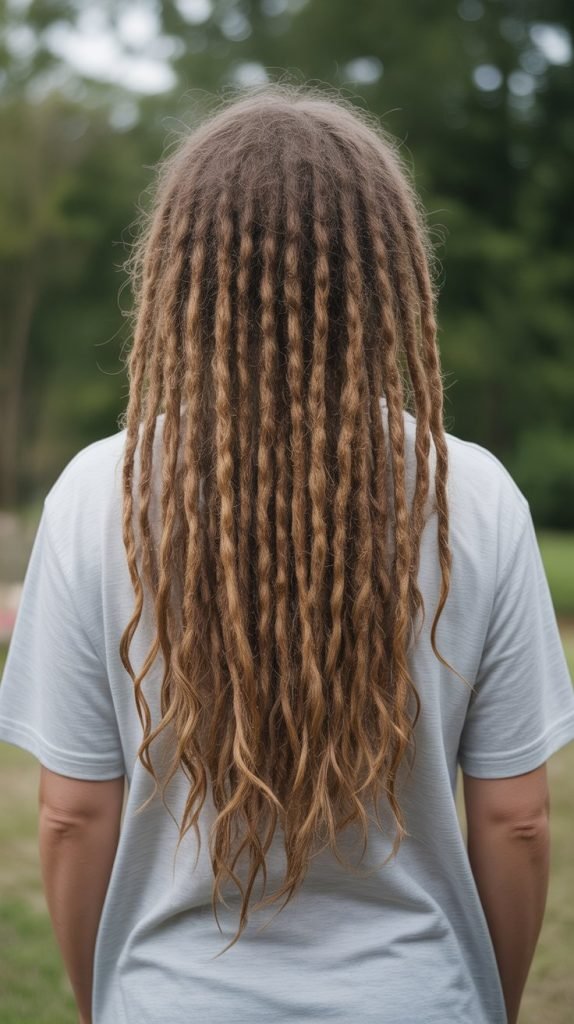
Maintaining dreadlocks isn’t just about daily and weekly tasks—long-term health requires attention to nutrition, overall hair care philosophy, and planning for the years ahead with your locs.
Nutrition and Internal Health
- Hair health starts from within—adequate protein intake (45-55g daily for most adults) provides the building blocks for strong hair growth.
- Biotin, vitamin E, omega-3 fatty acids, iron, and zinc all contribute to healthy hair; deficiencies manifest as slow growth, breakage, and thinning.
- Hydration significantly impacts scalp health and natural oil production—aim for adequate water intake based on your body weight and activity level.
- Stress management matters because chronic stress triggers hormonal changes that can cause hair loss, slow growth, and scalp problems.
- If you experience sudden changes in loc health, hair growth, or scalp condition, consult a healthcare provider to rule out underlying health issues.
Tracking Growth and Progress
- Document your loc journey with monthly photos from consistent angles and lighting to accurately track growth and changes over time.
- Measure several locs quarterly to monitor growth rates, which average 0.5 inches per month but vary based on genetics and health.
- Keep notes about products used, techniques tried, and problems encountered so you can identify patterns and optimize your routine.
- Celebrate milestones—the first year anniversary, reaching certain lengths, or achieving specific textures—to maintain enthusiasm for the long-term commitment.
- Join online dreadlock communities to share your journey, learn from others’ experiences, and gain support during challenging phases.
Maintaining Your Love for Your Locs
- Loc fatigue is real—after years of maintenance, some people feel tired of the commitment and consider starting over or cutting them.
- Combat fatigue by changing styling approaches, trying new accessories, or altering colors to refresh your relationship with your locs.
- Remember why you started your loc journey whenever maintenance feels burdensome, reconnecting with your original motivation and goals.
- Taking occasional breaks from intensive styling and letting your locs simply exist naturally can restore appreciation for them.
- If you ultimately decide to remove or cut your locs, honor the journey they’ve been part of rather than viewing it as failure.
Conclusion
This Daily and Weekly Dreadlocks Maintenance Guide has equipped you with comprehensive knowledge to care for your locs at every stage of their journey.
From understanding formation phases to mastering washing techniques, addressing common problems, and planning for long-term health, you now have a complete maintenance framework that transforms what seems complicated into manageable daily and weekly routines.
Remember that every set of dreadlocks is unique, developing at its own pace and responding differently to products and techniques, so be patient with your journey and willing to adapt these guidelines to your specific needs.
Consistency in the basics—regular washing, proper moisturizing, gentle maintenance, and protective styling—delivers far better results than sporadic intensive efforts.
Your dreadlocks are an expression of your identity and commitment, and with the knowledge from this guide, you’re fully prepared to nurture them into the beautiful, healthy locs you envision.
Embrace the journey, stay dedicated to your maintenance routine, and watch as your locs mature into the stunning crown you deserve.
