

Maintaining vibrant, healthy color-treated hair doesn’t have to be a constant struggle filled with expensive salon visits and complicated routines.
Whether you’ve recently transformed your locks with bold highlights, rich lowlights, or a complete color makeover, the key to preserving your investment lies in understanding the unique needs of chemically processed hair.
This comprehensive guide will walk you through essential care techniques, product recommendations, and professional secrets that will keep your color looking salon-fresh for weeks longer than you thought possible.
From understanding how hair dye affects your strands to mastering the art of gentle cleansing and deep conditioning, you’ll discover practical solutions that fit seamlessly into your daily routine while protecting your hair’s health and vibrancy.
1. Understanding Color-Treated Hair Structure
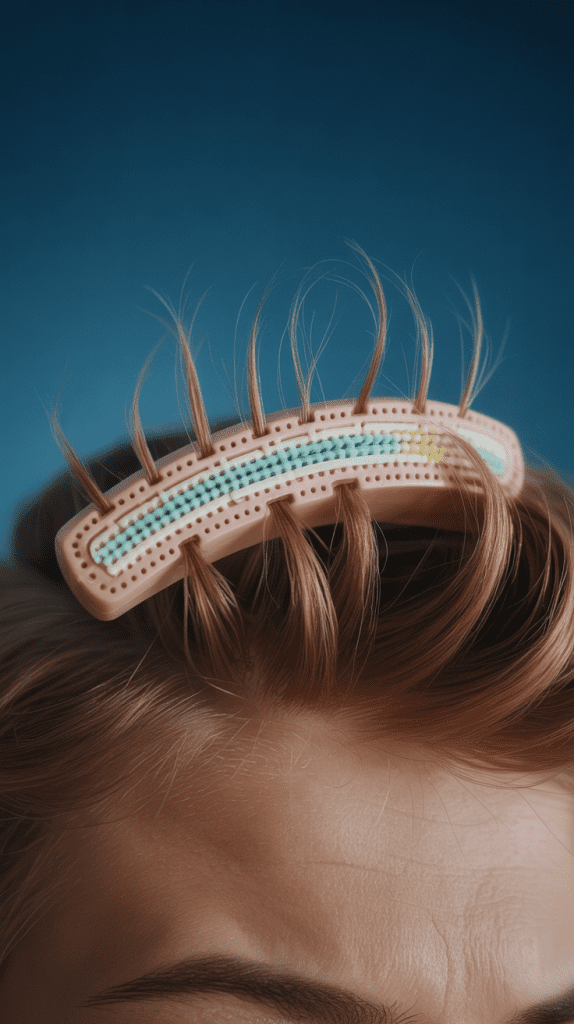
Color-treated hair undergoes significant structural changes during the dyeing process that make it more vulnerable to damage and fading.
The hair cuticle is lifted during coloring to allow pigment penetration, which permanently alters the hair’s protective barrier.
This process creates microscopic gaps in the hair shaft that make strands more porous and susceptible to moisture loss.
- The ammonia or similar alkalizing agents in hair dye raise the hair’s pH level from its natural acidic state of 4.5-5.5 to an alkaline level of 9-10
- This pH shift causes the hair cuticle to swell and open, allowing color molecules to penetrate the cortex layer
- Once the coloring process is complete, the cuticle attempts to close but never fully returns to its original tight seal
- The damaged cuticle structure makes color-treated hair 40% more prone to breakage compared to virgin hair
- Protein bonds within the hair shaft become weakened, reducing overall hair strength and elasticity
- The porosity increase means color-treated hair absorbs and loses moisture more rapidly than untreated hair
2. Essential Washing Techniques for Color Longevity
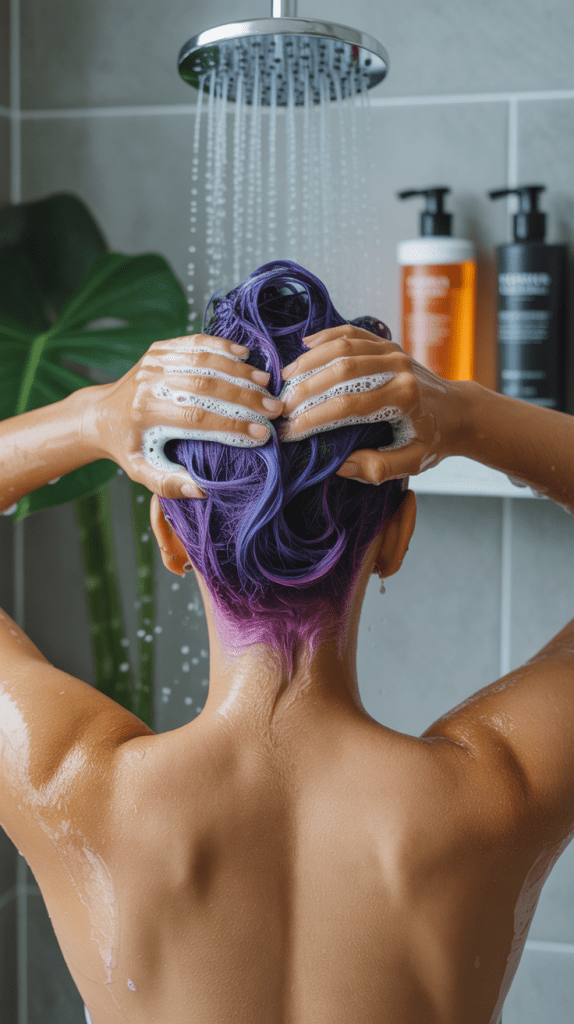
Proper washing technique is crucial for maintaining color vibrancy and preventing premature fading in treated hair.
The frequency, water temperature, and method of cleansing all play vital roles in color preservation.
Understanding how to cleanse effectively while minimizing color loss will significantly extend the life of your hair color.
- Limit washing to 2-3 times per week maximum to prevent excessive color molecule removal
- Use lukewarm water instead of hot water, as temperatures above 100°F accelerate color fading
- Rinse hair with cool water during the final rinse to help seal the cuticle and lock in color
- Apply shampoo only to the scalp area and let the suds cleanse the mid-lengths and ends as you rinse
- Avoid vigorous scrubbing motions that can further damage the already compromised cuticle layer
- Wait 48-72 hours after coloring before the first wash to allow the color to fully set
- Consider co-washing (conditioner-only washing) between regular shampoo sessions to maintain moisture
- Use dry shampoo on non-wash days to absorb excess oil and extend time between washes
3. Choosing the Right Products for Color Protection

Selecting appropriate hair care products specifically formulated for color-treated hair is essential for maintaining vibrancy and hair health.
Color-safe formulations contain specialized ingredients that help seal the cuticle, prevent fading, and provide necessary moisture and protein.
The right product combination can extend color life by 50-70% compared to using regular hair care products.
- Look for sulfate-free shampoos that cleanse gently without stripping natural oils or color molecules
- Choose products with UV protection factors to shield hair from sun-induced fading
- Opt for shampoos and conditioners with pH levels between 4.5-5.5 to maintain the hair’s natural acidity
- Select products containing color-depositing pigments that refresh your shade with each use
- Avoid clarifying shampoos unless specifically needed, as they remove color along with buildup
- Use leave-in treatments with thermal protection when heat styling to prevent color degradation
- Consider purple or blue shampoos for blonde or silver tones to counteract brassiness
- Incorporate protein treatments to strengthen damaged hair bonds without affecting color
4. Heat Styling and Color Preservation
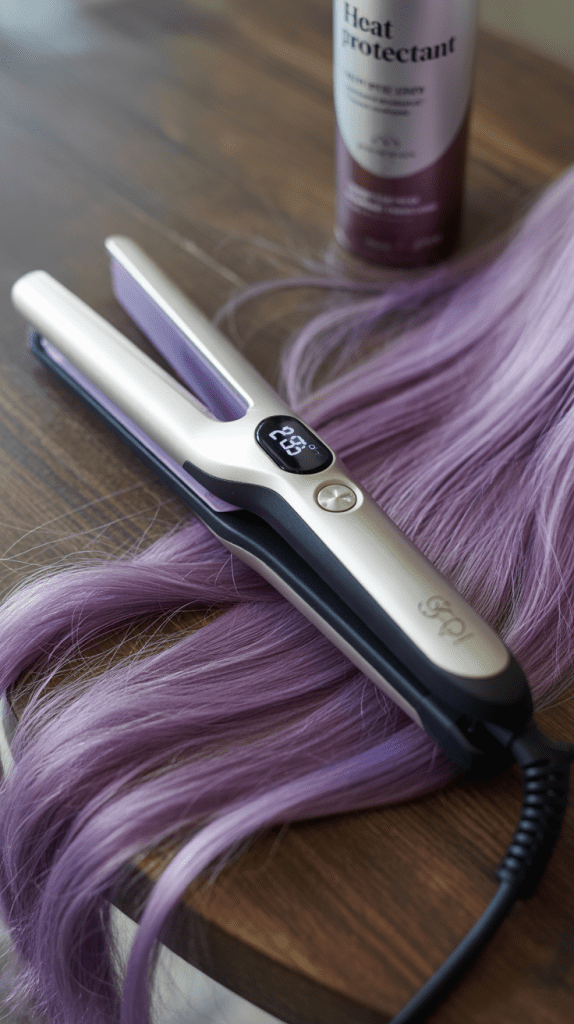
Heat styling tools pose a significant threat to color-treated hair, as high temperatures can cause color molecules to break down and fade more rapidly.
The combination of damaged hair structure from chemical processing and thermal stress creates a perfect storm for color loss and further damage.
Learning to style effectively while minimizing heat exposure is crucial for long-lasting color.
- Always apply a heat protectant product before using any thermal styling tools
- Keep styling tool temperatures below 300°F to minimize color degradation and hair damage
- Use ceramic or titanium tools that distribute heat evenly and require less exposure time
- Opt for air-drying whenever possible to eliminate unnecessary heat exposure
- When blow-drying, use the cool shot button to finish styling and seal the cuticle
- Limit heat styling to 2-3 times per week maximum to preserve color integrity
- Consider heat-free styling methods like braids, buns, or foam rollers for textured looks
- Invest in quality tools with adjustable temperature settings rather than one-heat options
- Allow hair to cool completely between multiple passes with styling tools
5. Professional Maintenance and Touch-Up Schedule
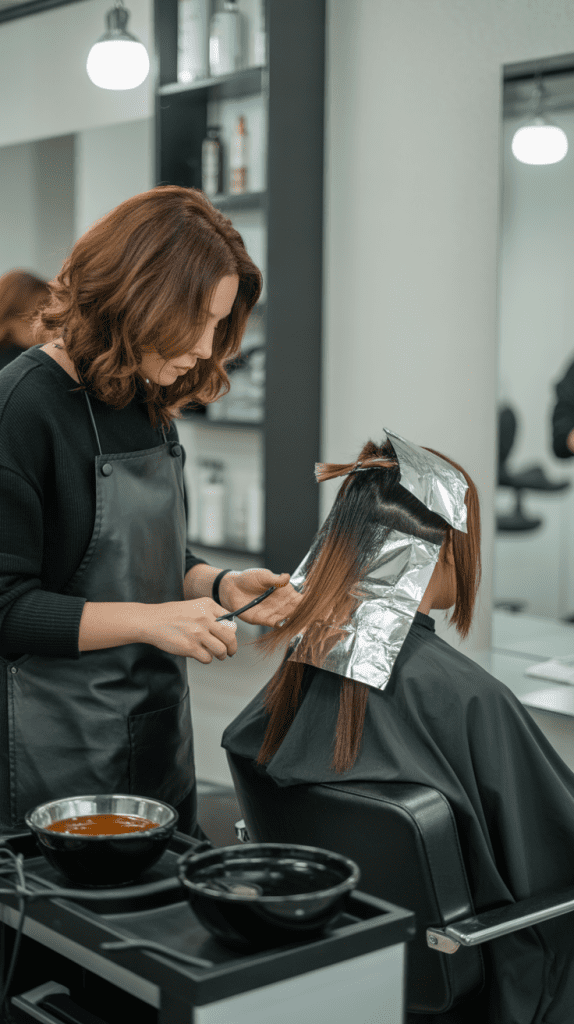
Regular professional maintenance is essential for keeping color-treated hair looking its best and maintaining overall hair health.
Understanding when and what type of professional services to seek can prevent color disasters and extend the life of your hair treatments.
A well-planned maintenance schedule helps distribute costs over time while ensuring consistent results.
- Schedule touch-up appointments every 6-8 weeks for root maintenance and color refresh
- Book gloss treatments every 4-6 weeks to enhance shine and seal in color
- Consider professional deep conditioning treatments monthly to repair chemical damage
- Plan full color services every 3-4 months depending on your hair growth rate and color choice
- Consult with your colorist about at-home maintenance products that complement your salon color
- Address any color concerns immediately rather than waiting for your next appointment
- Keep a color maintenance journal to track fading patterns and product effectiveness
- Communicate changes in your hair routine or lifestyle that might affect your color
6. Troubleshooting Common Color Problems
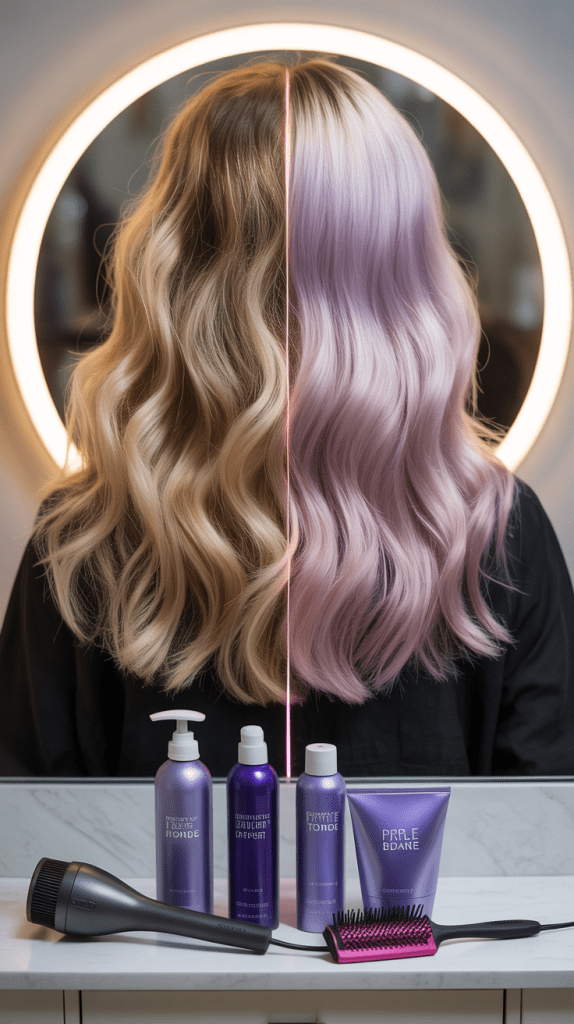
Even with proper care, color-treated hair can develop various issues that require specific solutions to restore health and vibrancy.
Understanding how to identify and address common problems quickly can prevent minor issues from becoming major hair disasters.
Quick intervention and appropriate treatments can often salvage compromised color and improve hair condition.
- Address brassiness in blonde or light hair with purple shampoo or toning treatments
- Combat color fading by switching to color-depositing products and reducing wash frequency
- Treat dryness and brittleness with intensive protein and moisture treatments
- Manage uneven color by consulting a professional colorist rather than attempting DIY fixes
- Prevent green tints from chlorine exposure by wetting hair with clean water before swimming
- Fix over-processed hair with protein treatments and temporary styling breaks
- Address scalp irritation from color treatments with gentle, fragrance-free products
- Combat dullness with clarifying treatments followed by deep conditioning
Conclusion
Mastering the art of color-treated hair care doesn’t require professional expertise or expensive salon visits every few weeks.
By understanding your hair’s unique needs after chemical processing and implementing the right combination of gentle cleansing techniques, protective products, and professional maintenance, you can enjoy vibrant, healthy-looking color for months longer than ever before.
The investment in quality color-safe products and proper care techniques will not only preserve your hair color but also improve the overall health and appearance of your hair.
Remember that consistency is key – small daily efforts in protecting your color-treated hair will yield dramatic long-term results.
With these comprehensive strategies for Color-Treated Hair Care Made Easy, you now have all the tools necessary to maintain salon-quality color from the comfort of your home while keeping your hair healthy, strong, and beautifully vibrant.
