
33 Stylish Short Little Boy Haircuts
Finding the perfect haircut for your little boy can feel overwhelming with so many trendy options available today. Whether you’re looking for a low-maintenance style for active toddlers or a sharp, polished look for special occasions, short haircuts offer the perfect blend of practicality and style.
This comprehensive guide to 33 Stylish Short Little Boy Haircuts will walk you through classic cuts, modern trends, and everything in between, helping you choose a hairstyle that suits your child’s personality, hair texture, and lifestyle.
From timeless crew cuts to edgy faux hawks, you’ll discover detailed descriptions, styling tips, and maintenance advice for each look. Get ready to transform your little one’s appearance with these adorable and manageable haircut options that will have him looking his best every single day.
1. Classic Crew Cut

The classic crew cut stands as one of the most timeless and practical short haircuts for little boys, offering effortless maintenance and a clean-cut appearance. This versatile style works beautifully for boys of all ages and complements virtually every face shape and hair type.
- The hair on top measures approximately one to two inches in length while the sides and back are clippered shorter, creating a graduated effect.
- This haircut requires minimal styling effort, making morning routines significantly easier for busy parents and children alike.
- Regular trims every 4-6 weeks help maintain the shape and prevent the style from growing out unevenly.
- The crew cut works exceptionally well for active boys who participate in sports or outdoor activities.
- Styling products are generally unnecessary, though a small amount of lightweight gel can add polish for formal occasions.
2. Textured Crop

The textured crop has emerged as a contemporary favorite, combining modern styling with practical short length. This haircut introduces dimension and movement through strategic layering techniques that create natural texture.
- The top section features choppy, uneven layers that add visual interest and a relaxed, casual vibe.
- Sides are typically kept shorter using clippers, while the top maintains enough length for styling versatility.
- A small amount of matte styling cream or texturizing product enhances the piecey, separated look.
- This style works particularly well for boys with naturally thick or wavy hair textures.
- The textured crop can be styled messily for everyday wear or smoothed down for more formal settings.
- Maintenance involves regular trims every 5-7 weeks to preserve the layered structure.
3. Buzz Cut

The buzz cut represents the ultimate low-maintenance option, offering complete simplicity while maintaining a neat, uniform appearance. This ultra-short style eliminates styling time entirely and keeps boys comfortable in warm weather.
- Hair is clipped to an even length all over the head, typically ranging from 1/8 inch to 1/2 inch.
- Different guard numbers on clippers create varying lengths, allowing for subtle customization.
- This haircut is ideal for boys with very active lifestyles, including swimmers and athletes.
- The buzz cut showcases facial features prominently and works well with all face shapes.
- Maintenance is remarkably easy, requiring fresh cuts every 2-3 weeks to maintain the uniform length.
- No styling products are needed, and washing hair becomes quick and simple.
4. Ivy League Cut

The Ivy League cut offers a sophisticated, preppy appearance that bridges the gap between casual and formal styling. This refined variation of the crew cut maintains slightly more length on top for versatility.
- The top hair measures approximately two to three inches, allowing for a subtle side part or forward styling.
- Sides and back are tapered gradually, creating a polished, graduated transition.
- This style can be parted to the side and combed neatly for a classic, scholarly look.
- A small amount of pomade or light-hold gel keeps the hair in place throughout the day.
- The Ivy League works beautifully for school photos, family events, and everyday wear.
- Regular maintenance every 4-5 weeks ensures the style retains its distinguished shape.
5. Faux Hawk

The faux hawk delivers an edgy, playful look that appeals to style-conscious young boys while remaining parent-approved. This modern cut creates the illusion of a mohawk without the dramatic shaved sides.
- Hair on top is left longer (2-3 inches) and can be styled upward to create a central ridge.
- Sides are cut significantly shorter but not shaved completely, maintaining a softer, more versatile appearance.
- Styling gel or strong-hold product helps achieve the signature upward sweep and keeps it in place.
- This haircut allows for multiple styling options—worn spiked up for fun or brushed down for school.
- The faux hawk works best for boys with straight or slightly wavy hair textures.
- Maintenance appointments every 4-6 weeks keep the proportions balanced and fresh.
6. High and Tight

The high and tight offers a military-inspired, ultra-clean appearance characterized by dramatically short sides and a distinctly longer top section. This bold style makes a strong visual statement while remaining practical.
- The sides and back are clipped very short, often with a #1 or #2 guard, creating stark contrast.
- The top maintains 1-2 inches of length, providing enough hair for minimal styling or texture.
- This haircut emphasizes the shape of the head and works particularly well for athletic boys.
- The dramatic difference between top and sides creates a modern, fashion-forward appearance.
- Very little styling is required, though the top can be swept forward or to the side.
- Regular trims every 3-4 weeks are necessary to maintain the sharp, defined lines.
7. Side Part

The classic side part exudes timeless elegance and sophistication, making it perfect for boys who need to look polished regularly. This traditional style has remained popular across generations for good reason.
- A defined part is created on one side of the head, typically following the natural growth pattern.
- Hair is combed smoothly to each side of the part, creating a neat, organized appearance.
- The sides are kept shorter while the top maintains 2-3 inches for proper parting and styling.
- Light pomade or styling cream provides hold without stiffness, maintaining the parted look.
- This style transitions seamlessly from school to special occasions with minimal adjustment.
- Regular cuts every 5-6 weeks and daily combing keep the side part looking sharp.
8. Undercut

The undercut creates dramatic contrast between disconnected lengths, offering a bold, contemporary aesthetic. This trendy style has become increasingly popular for fashion-forward young boys.
- The sides and back are shaved or cut very short, completely separate from the longer top section.
- No gradual fade exists between lengths, creating a distinct “disconnected” appearance.
- The top can be styled in various ways—slicked back, swept to the side, or worn messy.
- This versatile cut works with straight, wavy, or curly hair textures on top.
- Strong-hold styling products help achieve and maintain the desired top styling.
- Maintenance every 3-4 weeks keeps the undercut looking intentional and well-groomed.
9. Caesar Cut

The Caesar cut features a short, horizontal fringe and uniform length throughout, inspired by ancient Roman styling. This distinctive look offers a unique alternative to more common short haircuts.
- Hair is cut to approximately 1-2 inches all over, with a slight forward brush creating the characteristic fringe.
- The short bangs fall naturally forward across the forehead in a straight, horizontal line.
- This style requires minimal maintenance and styling effort, appealing to practical parents.
- The Caesar cut works exceptionally well for boys with straight or slightly wavy hair.
- A small amount of light-hold product can enhance the forward direction and add texture.
- Regular trims every 4-5 weeks maintain the distinctive fringe and overall shape.
10. Messy Spikes

Messy spikes combine playful texture with deliberate styling, creating a fun, youthful appearance. This energetic style appeals to boys who want personality in their haircut.
- Hair on top is cut to 1.5-2.5 inches, providing sufficient length for upward styling.
- Sides are kept shorter to emphasize the textured, spiky top section.
- Styling gel or molding paste is worked through damp hair and pulled upward in random directions.
- The “messy” aspect means perfection isn’t necessary—irregular spikes create the desired effect.
- This style allows creative expression and can be adjusted based on the child’s preference.
- Maintenance appointments every 4-6 weeks keep the length appropriate for effective spiking.
11. Low Fade

The low fade features gradual tapering that begins close to the ears and neckline, creating a subtle, sophisticated transition. This refined technique adds polish to virtually any top style.
- The fade starts low on the head, with longer hair transitioning to skin or very short hair near the bottom.
- The gradual blending creates a smooth, professional appearance without dramatic contrast.
- This versatile fade complements various top styles, from textured crops to slicked-back looks.
- The low fade works beautifully for boys with all hair types and face shapes.
- Less frequent touch-ups are needed compared to higher fades, typically every 5-6 weeks.
- The subtle nature makes this fade appropriate for conservative settings like school or religious services.
12. Mid Fade

The mid fade begins the tapering process at the middle point between the top of the head and the ears. This balanced approach offers noticeable definition while maintaining versatility.
- The fade starts approximately halfway up the sides, creating more visible contrast than a low fade.
- Gradual blending techniques ensure smooth transitions without harsh lines between lengths.
- This style pairs excellently with various top options, including pompadours, crops, and textured styles.
- The mid fade provides a modern, trendy appearance while remaining appropriate for most settings.
- Regular maintenance every 3-4 weeks keeps the fade looking fresh and properly blended.
- This versatile option works with all hair textures and requires moderate styling commitment.
13. High Fade

The high fade creates dramatic impact by starting the taper near the top of the head, maximizing contrast between the sides and top. This bold choice makes a strong style statement.
- The fade begins high on the head, leaving only the very top section with substantial length.
- This creates significant visual contrast and emphasizes whatever styling is chosen for the top.
- The high fade works particularly well with voluminous top styles like quiffs or pompadours.
- More frequent maintenance is required (every 2-3 weeks) to prevent the fade from growing out awkwardly.
- This style is best suited for confident boys who enjoy attention-getting haircuts.
- The high fade showcases head shape prominently and works best with well-proportioned features.
14. Skin Fade
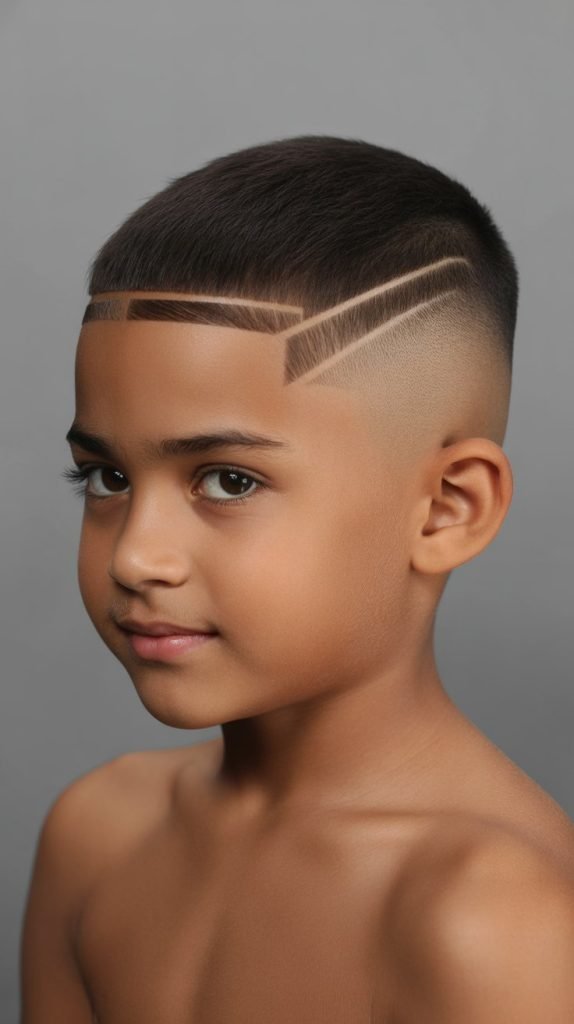
The skin fade takes the fade concept to its ultimate conclusion by tapering down to bare skin. This ultra-clean finish creates the sharpest, most defined appearance possible.
- Hair gradually transitions from longer lengths on top to completely shaved skin at the bottom.
- The fade requires exceptional barbering skill to achieve smooth, seamless blending.
- This style delivers maximum contrast and a strikingly fresh, just-cut appearance.
- The skin fade works beautifully with all top styles and creates a polished, sophisticated look.
- Frequent maintenance every 1-2 weeks is necessary to maintain the crisp, clean appearance.
- The dramatic effect makes this an excellent choice for special occasions or boys who prioritize style.
15. Taper Fade

The taper fade combines traditional tapering techniques with modern fade principles, creating a versatile, universally flattering style. This approach offers professional polish with timeless appeal.
- Hair gradually decreases in length from top to bottom, but less dramatically than aggressive fades.
- The transition is subtle and refined, creating a sophisticated, conservative appearance.
- This style works excellently in professional, academic, and formal settings.
- The taper fade complements virtually any top styling choice and all hair types.
- Maintenance requirements are moderate, with appointments needed every 4-5 weeks.
- This classic approach has remained popular because of its timeless, versatile nature.
16. Bowl Cut (Modern Version)

The modern bowl cut reimagines the controversial classic with contemporary techniques and styling. Today’s version offers a fashion-forward, distinctive appearance that has regained popularity.
- Unlike the harsh, circular cuts of the past, modern bowl cuts feature textured, softer edges.
- Hair forms a rounded shape around the head with blended, less severe lines.
- The fringe can be styled straight across or with subtle texture for dimension.
- This unique style works best for boys with straight or fine hair textures.
- The modern interpretation allows for styling variation and doesn’t look overly uniform.
- Regular trims every 4-6 weeks maintain the rounded shape without excessive bluntness.
17. French Crop

The French crop combines a short back and sides with a slightly longer, textured top and a distinct horizontal fringe. This European-inspired style offers sophisticated simplicity.
- The top section maintains 1-2 inches of length with texture and movement.
- A short, blunt fringe falls forward across the forehead in a horizontal line.
- Sides and back are faded or tapered short, creating clean, defined edges.
- This low-maintenance style requires minimal daily styling but looks polished.
- The French crop works beautifully with straight, wavy, or slightly curly hair.
- Regular appointments every 4-5 weeks keep the fringe at the proper length and shape.
18. Slicked Back

The slicked back style creates a polished, mature appearance by combing hair straight back from the forehead. This classic look conveys confidence and sophistication beyond typical little boy haircuts.
- Hair on top measures 2-4 inches, providing sufficient length to comb backward smoothly.
- Strong-hold pomade or gel is applied to damp hair and combed straight back.
- Sides are typically kept shorter or faded to emphasize the slicked-back top section.
- This style works best for special occasions, photos, or boys who prefer refined looks.
- The slicked back appearance requires daily styling and periodic product touch-ups.
- Maintenance cuts every 4-6 weeks ensure adequate length for proper backward styling.
19. Comb Over

The comb over creates a distinguished side-swept style with clean lines and deliberate parting. This sophisticated haircut offers timeless elegance with modern versatility.
- Hair is parted distinctly on one side and combed across the top toward the opposite side.
- The top section maintains 2-3 inches while sides are faded or tapered shorter.
- This style creates the appearance of volume and movement across the top of the head.
- Light to medium-hold styling products keep the swept hair in place without stiffness.
- The comb over works well for school, formal events, and everyday wear.
- Regular trims every 4-5 weeks maintain the proper proportions and part definition.
20. Quiff

The quiff combines volume and height at the front with shorter sides, creating a stylish, attention-grabbing appearance. This modern classic adds personality and flair to short haircuts.
- Hair at the front and top is left 2-4 inches long and styled upward and slightly back.
- Sides are faded or cut short to emphasize the voluminous top section.
- Blow-drying with product creates lift and volume, while styling cream provides hold.
- The quiff requires daily styling commitment but delivers impressive visual impact.
- This style works best for boys with thick or medium-textured hair.
- Maintenance appointments every 4-6 weeks keep the length proportions balanced.
21. Pompadour

The pompadour features dramatic height and volume at the front, creating a bold, retro-inspired statement. This eye-catching style requires commitment but delivers undeniable impact.
- The front section is styled high and back, creating significant vertical lift.
- Hair on top measures 3-4 inches minimum to achieve proper pompadour height.
- Sides are typically faded or cut very short to maximize contrast with the voluminous top.
- Strong-hold pomade and blow-drying techniques create and maintain the signature height.
- This ambitious style works best for older boys who can manage daily styling routines.
- Regular trims every 4-6 weeks and daily styling maintain the dramatic appearance.
22. Mohawk

The traditional mohawk creates a bold central strip of longer hair with completely shaved sides. This daring style makes an unmistakable statement and requires confident styling.
- A strip of hair down the center of the head is left significantly longer (2-4 inches).
- Both sides are shaved completely or cut extremely short, creating maximum contrast.
- The central strip can be styled upward into spikes or worn flat for versatility.
- Strong-hold gel or specialized mohawk products keep the styled ridge standing.
- This dramatic look is best suited for creative, expressive boys and open-minded settings.
- Frequent maintenance every 2-3 weeks is essential to keep the shaved sections clean.
23. Curly Top Fade

The curly top fade celebrates natural curl patterns while incorporating clean, faded sides. This style showcases texture beautifully while maintaining practical, manageable proportions.
- Natural curls on top are left 2-3 inches long to display their full texture and movement.
- Sides are faded progressively shorter, creating contrast that emphasizes the curly top section.
- Minimal styling is needed—simply applying curl-defining cream to damp hair enhances natural patterns.
- This haircut works exclusively for boys with naturally curly or tightly coiled hair.
- The fade keeps the style looking neat while the curls provide personality and dimension.
- Regular trims every 4-5 weeks maintain the fade and keep top curls at optimal length.
24. Afro Fade

The afro fade combines the natural volume of an afro with tapered sides, creating a distinctive, culturally significant style. This haircut honors natural texture while adding contemporary structure.
- Natural afro texture on top is shaped into a rounded form, typically 2-4 inches in height.
- Sides are faded gradually, transitioning from the fuller top to shorter or skin-close sides.
- The shape can be customized—more rounded, squared off, or somewhere in between.
- Regular moisturizing and light oils keep the natural texture healthy and defined.
- This style celebrates natural hair while maintaining a groomed, intentional appearance.
- Maintenance every 3-4 weeks keeps the fade fresh and the afro properly shaped.
25. Brush Cut

The brush cut features slightly longer top hair that stands upward naturally, resembling the bristles of a brush. This practical style offers easy maintenance with distinctive character.
- Top hair is cut to approximately 1/4 to 1/2 inch, just long enough to stand upright.
- Sides and back are clipped shorter, creating subtle contrast with the brush-like top.
- The natural stiffness of short hair creates the upright texture without styling products.
- This haircut works best for boys with straight or slightly wavy hair that has natural body.
- Virtually no styling is required beyond regular washing and occasional brushing.
- Maintenance trims every 3-4 weeks keep the length optimal for the upright appearance.
26. Flat Top

The flat top creates a distinctive squared-off appearance on top with the hair cut to form a flat, level plateau. This iconic style delivers geometric precision and nostalgic appeal.
- Hair on top is cut and shaped to stand upright and form a flat, horizontal surface.
- The sides are typically faded or cut very short to emphasize the flat top section.
- This style requires hair with sufficient natural body and stiffness to stand upright.
- Regular brushing with a flat-top comb and sometimes light product maintains the flat surface.
- The flat top works best for boys with thick, coarse hair that naturally has body.
- Frequent maintenance every 2-3 weeks is necessary to preserve the precise flat shape.
27. Layered Cut

The layered cut incorporates multiple hair lengths throughout, creating dimension, movement, and natural texture. This versatile approach works beautifully with various hair types and styling preferences.
- Hair is cut at different lengths throughout, with shorter layers on bottom and longer on top.
- The layering technique removes bulk while adding shape and natural movement.
- This style can be worn messy and casual or brushed neatly for more polished occasions.
- Layered cuts work exceptionally well for boys with thick hair that needs texture.
- Minimal styling products are needed, though texturizing cream enhances the layered effect.
- Regular trims every 5-6 weeks maintain the layered structure and prevent uneven growth.
28. Spiky Crop

The spiky crop combines a textured short cut with deliberate upward styling, creating a fun, energetic appearance. This playful style balances practicality with personality.
- Hair on top is cut to 1-2 inches with point-cutting techniques that encourage natural texture.
- Sides are kept shorter or faded to emphasize the textured, spiky top section.
- Styling gel or texturizing paste is worked through hair and pulled upward in sections.
- Unlike rigid spikes, this style maintains a softer, more natural spiky texture.
- The spiky crop allows for styling versatility—worn spiky or brushed down as needed.
- Maintenance appointments every 4-5 weeks keep the crop length optimal for spiking.
29. Temple Fade

The temple fade focuses tapering specifically around the temple areas, creating clean definition around the face. This targeted fade approach offers subtle sophistication and facial framing.
- The fade begins at the temples and gradually transitions upward, leaving more length on top.
- Hair around the temples tapers to skin or very short length, creating crisp, clean lines.
- The back and lower sides may remain longer or be lightly tapered, unlike all-over fades.
- This subtle technique works beautifully as an accent to various top styles.
- The temple fade provides facial definition and polish without dramatic overall contrast.
- Maintenance every 3-4 weeks keeps the temple areas clean and properly defined.
30. Drop Fade

The drop fade features a curved fade line that drops down behind the ears, following the natural contour of the head. This modern technique creates visual interest and flattering shape.
- Instead of fading straight across, the fade line curves downward behind the ears.
- This creates a rounded, contoured appearance that follows the head’s natural shape.
- The drop fade works excellently with various top styles and adds contemporary flair.
- This technique is particularly flattering for different head shapes and profile views.
- The curved line requires skilled barbering but delivers distinctive, fashionable results.
- Regular maintenance every 3-4 weeks keeps the curved fade line clean and defined.
31. Disconnected Undercut

The disconnected undercut features stark contrast with no gradual transition between the long top and short sides. This bold, fashion-forward style makes a definite statement.
- The top section maintains 3-4 inches of length while sides are buzzed very short.
- There is no fade or blend—the difference between lengths is abrupt and intentional.
- The dramatic disconnect creates maximum contrast and modern, edgy styling.
- The longer top can be styled in numerous ways—slicked, messy, parted, or swept.
- This versatile yet bold cut works best for confident boys who enjoy attention-getting styles.
- Maintenance every 3-4 weeks keeps the undercut sections short and the disconnect distinct.
32. Short and Wavy

The short and wavy cut embraces natural wave patterns while keeping overall length manageable and practical. This style celebrates natural texture while remaining neat and controlled.
- Hair is cut to 1.5-2.5 inches, allowing waves to form naturally without becoming unruly.
- Layers are incorporated to remove excess bulk and enhance wave definition.
- Minimal styling is required—simply applying a light cream to damp hair enhances natural waves.
- This cut works exclusively for boys with naturally wavy hair textures.
- The short length keeps waves looking intentional rather than messy or unkempt.
- Regular trims every 5-6 weeks maintain the manageable length and prevent overwhelming volume.
33. Short Dreadlocks

Short dreadlocks offer a culturally significant style that combines natural texture with deliberate formation. This meaningful haircut requires proper care and understanding of the locking process.
- Hair is sectioned and encouraged to mat and lock together, forming individual dreadlocks.
- When kept short (3-5 inches), dreadlocks remain manageable and easier to maintain.
- Regular palm rolling and proper moisturizing support healthy lock formation and maintenance.
- This style works best for boys with naturally coily or kinky hair textures.
- Short dreads can be worn freely or pulled back, offering versatile styling options.
- Maintenance involves regular retwisting every 4-6 weeks and consistent moisture care.
Choosing the Right Haircut
Selecting the perfect haircut for your little boy involves considering several important factors beyond just visual appeal. Hair texture plays a crucial role—curly hair works beautifully with styles that embrace natural texture, while straight hair offers versatility for sleek, structured cuts.
- Consider your child’s activity level and whether he participates in sports that might benefit from ultra-short, maintenance-free styles.
- Face shape influences which styles are most flattering—rounder faces benefit from height and volume on top, while longer faces work well with fuller sides.
- Your child’s age and personality should guide style choices—younger boys may need simpler cuts while older children might want trendier options.
- Time available for daily styling matters significantly—some cuts require product application and styling while others look great with zero effort.
- School dress codes or other institutional requirements may limit extremely bold or unconventional styling choices.
- Consult with a professional barber who specializes in children’s haircuts for personalized recommendations based on your child’s specific hair characteristics.
Styling Products for Boys’ Haircuts
Understanding appropriate styling products helps achieve and maintain the desired look for your child’s haircut. Using the right product makes styling easier and protects hair health.
- Light-hold gels work well for subtle definition and keeping hair in place without stiffness or crunchiness.
- Matte creams and pastes provide texture and separation while maintaining a natural, not overly styled appearance.
- Pomades offer medium to strong hold with shine, ideal for slicked-back styles and classic polished looks.
- Texturizing sprays add volume and grip to fine hair, making styling easier for cuts that require lift.
- Curl-defining creams enhance natural curl patterns without weighing hair down or creating unwanted crunch.
- Always choose products specifically formulated for children when possible, as these tend to be gentler and safer.
- Use products sparingly—a dime-sized amount is typically sufficient for most short little boy haircuts.
- Wash hair regularly to prevent product buildup that can make hair look greasy or dull.
Haircut Maintenance Tips
Proper maintenance between barbershop visits keeps your child’s haircut looking fresh and well-groomed. Establishing good hair care habits early benefits long-term hair health.
- Wash hair 2-3 times weekly with a gentle, age-appropriate shampoo to remove dirt and product buildup.
- Use a soft-bristled brush or wide-toothed comb to prevent breakage and distribute natural oils.
- Trim neckline and around ears at home between professional cuts if you’re comfortable using clippers.
- Schedule regular barbershop appointments according to your style’s specific maintenance timeline.
- Protect hair from excessive sun exposure during summer months, which can cause dryness and damage.
- Maintain a healthy diet rich in proteins and vitamins that support strong, healthy hair growth.
- Keep styling tools clean by washing combs and brushes regularly to prevent bacteria buildup.
- If your child swims frequently, rinse hair with fresh water immediately after pool exposure to remove chlorine.
- Consider using a leave-in conditioner for boys with naturally dry or coarse hair textures.
- Teach your child proper hair care habits early, making it part of their daily routine for lifelong benefits.
Working with Different Hair Textures
Understanding your child’s specific hair texture helps you choose the most suitable and manageable haircut style. Each texture type has unique characteristics that work better with certain cuts.
- Straight hair offers maximum versatility and works well with virtually any short haircut style, from buzz cuts to pompadours.
- Wavy hair adds natural texture and movement, making it ideal for textured crops, short wavy cuts, and styles that embrace dimension.
- Curly hair requires moisture-focused care and works beautifully with curly top fades, short natural styles, and cuts that celebrate curl patterns.
- Coily or kinky hair benefits from styles like afro fades, short dreadlocks, and cuts that honor natural texture rather than fighting against it.
- Fine hair may need volumizing products and styles with layers or texture to create the appearance of thickness.
- Thick hair often requires thinning or layering techniques to remove bulk and prevent overwhelming volume.
- Consult reference photos of boys with similar hair texture to your child’s when discussing options with your barber.
- Be realistic about styling capabilities—some textures naturally resist certain styles no matter how much product is used.
Seasonal Haircut Considerations
Different seasons may influence which short haircut works best for your little boy’s comfort and lifestyle needs. Temperature and weather conditions affect hair behavior and styling preferences.
- Summer months often call for ultra-short cuts like buzz cuts or crew cuts that keep boys cool during hot weather.
- Swimming season benefits from low-maintenance styles that don’t require extensive post-swim styling efforts.
- Fall and back-to-school timing is perfect for trying new styles or getting a fresh, polished look.
- Winter weather can cause static and dryness, making styles that require less daily manipulation more practical.
- Spring growth spurts mean you might schedule trims slightly more frequently as metabolism and hair growth increase.
- Outdoor sports seasons may necessitate shorter, more practical cuts that don’t interfere with helmets or equipment.
- Holiday and special event seasons might inspire more polished styles like side parts or Ivy League cuts for photos.
- Consider your family’s vacation schedule when planning maintenance appointments to avoid needing cuts while traveling.
Communicating with Your Barber
Effective communication with your child’s barber ensures you get the desired result and avoid disappointment. Clear expectations lead to better outcomes.
- Bring reference photos showing the exact style you want from multiple angles—front, side, and back views work best.
- Use specific terminology when possible, mentioning guard numbers for fades or exact measurements for length preferences.
- Discuss your child’s hair growth patterns, cowlicks, or challenging areas that might affect how the cut looks.
- Be honest about your daily styling commitment—if you won’t style hair daily, choose a cut that looks good unstyled.
- Ask the barber for their professional opinion on whether a style will work with your child’s specific hair type.
- Request styling demonstrations so you can recreate the look at home between appointments.
- Establish a regular relationship with one skilled barber who becomes familiar with your child’s hair and preferences.
- Be patient during the appointment and help keep your child calm and still for the best possible results.
- Take photos of successful cuts to reference for future appointments and maintain consistency.
Age-Appropriate Style Selection
Choosing haircuts that align with your child’s age ensures the style looks natural and appropriate rather than forced or overly mature.
- Toddlers (2-4 years) typically do best with simple, low-maintenance cuts like buzz cuts or basic trims that don’t require stillness.
- Preschoolers (4-6 years) can handle slightly more involved styles like crew cuts or textured crops with minimal styling needs.
- Early elementary (6-8 years) is appropriate for introducing side parts, faux hawks, or other styles with light styling requirements.
- Older elementary (8-10 years) allows for trendier options like undercuts, quiffs, or fades if the child shows interest.
- Pre-teens (10-12 years) often want more fashion-forward choices and can manage daily styling routines for complex cuts.
- Consider your individual child’s maturity level and interest in their appearance when selecting styles.
- Avoid pushing elaborate styles on children who show no interest in grooming or hair styling.
- Let older children have input in style decisions to build confidence and self-expression skills.
Budget-Friendly Maintenance Strategies
Keeping your child’s haircut looking fresh doesn’t have to strain your family budget. Strategic planning and smart choices help control costs.
- Learn basic clipper skills to maintain simple buzz cuts, crew cuts, or trim necklines between professional appointments.
- Invest in quality home clippers with multiple guard attachments for versatile at-home maintenance options.
- Space professional appointments appropriately based on your chosen style’s actual needs rather than arbitrary schedules.
- Choose styles that grow out gracefully rather than cuts that look unkempt quickly as they lengthen.
- Many barbers offer discount packages for multiple appointments booked in advance or family rates for siblings.
- Watch for back-to-school specials or promotional discounts at local barbershops during slower business periods.
- Consider barber schools where supervised students provide quality cuts at significantly reduced prices.
- Build relationships with barbers who may offer loyalty discounts for regular, long-term customers.
- Avoid frequent style changes that require growing out previous cuts, which can look messy during transition periods.
Addressing Common Hair Challenges
Many little boys experience specific hair-related challenges that can be managed with the right haircut choice and care approach.
- Cowlicks can be minimized by cutting hair shorter in problem areas or choosing styles that incorporate the natural growth pattern.
- Double crowns or unusual growth patterns work best with textured, less structured styles that embrace natural movement.
- Excessive thickness benefits from layering techniques and thinning that remove bulk while maintaining style shape.
- Fine, limp hair needs cuts with built-in texture and volume, avoiding styles that require hair to stand or spike.
- Resistant hair that won’t cooperate with styling is best managed with natural, low-maintenance cuts.
- Uneven growth rates may require more frequent trims in faster-growing areas to maintain balanced proportions.
- Sensitive scalps need gentle handling during cuts and mild, fragrance-free hair care products afterward.
- Consultation with a pediatric dermatologist helps address underlying scalp conditions affecting hair health and cut choices.
Building Your Child’s Confidence
The right haircut can significantly impact your little boy’s self-esteem and confidence. Positive grooming experiences create lasting effects.
- Involve your child in age-appropriate decision-making about their hairstyle to build ownership and pride.
- Praise the fresh haircut enthusiastically and point out specific elements that look particularly great.
- Take photos of successful cuts and share them with family members who can offer additional positive reinforcement.
- Choose barbers who are patient, friendly, and skilled at working with children to make appointments enjoyable.
- Never criticize or express disappointment about a haircut in front of your child, even if it’s not what you expected.
- Help your child learn basic styling skills gradually, building their independence and self-care abilities.
- Discuss how grooming and presentation affect how we feel about ourselves and how others perceive us.
- Use haircuts as opportunities to teach broader lessons about self-care, hygiene, and personal presentation.
Transitioning Between Styles
Moving from one haircut style to another sometimes requires patience and strategic planning during the growing-out phase.
- Research transition timelines before committing to a dramatically different style that requires growing out current length.
- Intermediate cuts can bridge the gap between very short and longer styles, maintaining a groomed appearance throughout.
- More frequent trims during transition periods keep hair looking intentional rather than neglected.
- Styling products and techniques can help manage awkward growth stages more effectively.
- Hats or headbands provide temporary solutions during particularly challenging growth phases.
- Set realistic expectations with your child about how long transitions take to avoid frustration.
- Consult with your barber about the best path forward and realistic timelines for achieving the desired end result.
- Consider whether the transition difficulty is worth the desired final style or if a different choice might be more practical.
Safety Considerations
Ensuring safe barbering practices and appropriate products protects your child’s health during grooming routines.
- Verify that barbers use sanitized tools and clean capes, changing them between clients to prevent infection transmission.
- Watch for signs of clipper burn—redness or irritation from hot or dull clipper blades that need replacement.
- Avoid harsh chemicals, dyes, or treatments on young children’s hair and scalps which are more sensitive than adults’.
- Test new products on a small patch of skin before full application to check for allergic reactions or sensitivity.
- Supervise any at-home cutting carefully, keeping sharp tools away from children’s reach when not in active use.
- Teach children to sit still during haircuts and explain why movement can result in accidental nicks or uneven cutting.
- Never leave young children unattended with styling tools, products, or appliances that could cause injury.
- Choose age-appropriate products without strong fragrances, harsh preservatives, or ingredients that may irritate young skin.
Cultural and Personal Expression
Haircuts can represent cultural identity, personal values, and individual expression that should be respected and celebrated.
- Some cultures have specific traditions around boys’ hair length, cutting ceremonies, or significant first haircuts.
- Natural hair textures should be honored and celebrated rather than forced into styles that damage or alter natural patterns.
- Religious or cultural requirements may influence appropriate length, styling, or maintenance practices.
- Allow children to express their emerging personal style through haircut choices as they grow older and develop preferences.
- Support creative expression through hairstyle while maintaining appropriate boundaries for age and setting.
- Educate yourself about proper care for your child’s specific hair texture, especially if it differs from your own.
- Resist imposing your personal style preferences on children who show clear interest in different aesthetic choices.
- Celebrate diversity in hairstyles and avoid judgment about choices that differ from mainstream or traditional options.
Professional vs. Home Haircuts
Understanding when to visit a professional and when home maintenance is appropriate helps balance quality results with practical considerations.
- Initial style creation and significant changes always warrant professional expertise for best results.
- Simple maintenance between appointments, like neckline cleanup or light trimming, can often be done at home safely.
- Fades, undercuts, and technically complex cuts require professional skill and shouldn’t be attempted at home without training.
- Invest in professional cuts for important events like school photos, holidays, or special occasions.
- Home buzzing works well for all-over short cuts if you’re comfortable with clippers and your child cooperates.
- Learning from your barber by watching and asking questions can gradually build your home maintenance skills.
- Know your limitations—attempting cuts beyond your skill level often results in costly correction appointments.
- Quality professional cuts actually save money long-term by maintaining better shape and growing out more gracefully.
Preparing Your Child for Barbershop Visits
Making haircut appointments positive experiences from early ages prevents anxiety and resistance as children grow.
- Start barbershop visits early, even if just for familiarization trips without cutting, to build comfort with the environment.
- Choose child-friendly shops with patient barbers experienced in working with young children.
- Read books or watch videos about getting haircuts before appointments to prepare anxious children.
- Bring favorite toys, tablets, or comfort items to help distract and calm nervous children during cuts.
- Schedule appointments when your child is well-rested and fed to avoid crankiness that complicates the process.
- Praise cooperative behavior enthusiastically and consider small rewards for particularly good barbershop conduct.
- Never threaten or force haircuts, which creates negative associations that intensify with each visit.
- Stay calm and positive yourself, as children pick up on parental anxiety or stress about appointments.
- Allow older children to communicate directly with the barber about their preferences to build confidence and ownership.
Conclusion
Navigating the world of 33 Stylish Short Little Boy Haircuts becomes significantly easier when you understand the variety of options available and what works best for your child’s unique needs.
From timeless classics like the crew cut and side part to contemporary favorites including faux hawks and textured crops, there’s a perfect short haircut for every little boy’s personality, hair texture, and lifestyle.
The key to success lies in choosing styles that balance visual appeal with practical maintenance requirements while considering your child’s age, activity level, and personal preferences.
Remember that the best haircut is one that makes your child feel confident and comfortable while fitting seamlessly into your family’s daily routine. Whether you opt for ultra-low maintenance buzz cuts or more styled options like quiffs and pompadours, regular professional maintenance and appropriate at-home care will keep your little boy looking sharp and well-groomed.
With the comprehensive information provided about these 33 Stylish Short Little Boy Haircuts, you’re now equipped to make informed decisions that will have your child looking his absolute best while developing positive grooming habits that will benefit him for years to come.