

Curly hair possesses unique beauty and character, but it requires specialized care to reach its full potential. Many people with curly hair struggle with dryness, frizz, and unpredictable styling results, often feeling frustrated with their natural texture.
The key to gorgeous, healthy curls lies in understanding your hair’s specific needs and implementing a tailored routine that works with, rather than against, your natural curl pattern.
This comprehensive guide will walk you through every aspect of curly hair care, from identifying your curl type to creating the perfect daily routine.
You’ll discover the essential products, techniques, and professional treatments that can transform your curls from unruly to absolutely stunning, helping you embrace and enhance your natural texture with confidence.
This article covers the fundamental aspects of curly hair care, including understanding different curl types, essential daily routines, proper washing techniques, effective styling methods, nighttime care, professional treatments, and common mistakes to avoid.
Each section provides practical, actionable advice that you can immediately implement to see dramatic improvements in your curl health and appearance.
1. Understanding Your Curl Type
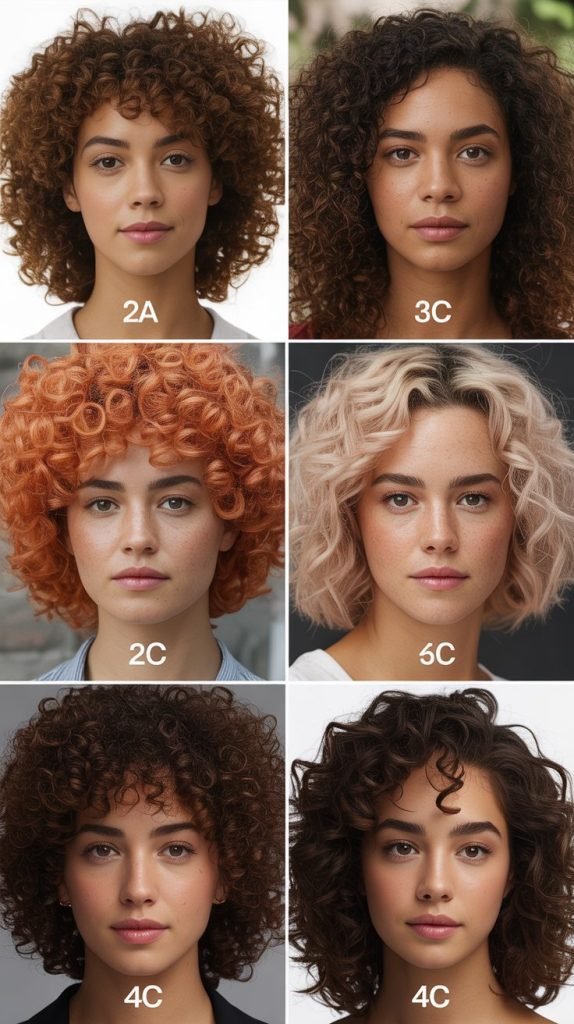
Understanding your specific curl type is the foundation of any successful curly hair care routine, as different curl patterns have distinct needs and respond differently to various products and techniques.
Curl types are categorized from 2A to 4C, with each category representing increasing levels of curl tightness and specific care requirements.
- Type 2A curls are loose waves with slight bends that tend to be fine and easily weighed down by heavy products
- Type 2B waves are more defined with a slight S-pattern and moderate volume that benefits from lightweight styling products
- Type 2C waves are strong and well-defined with some resistant areas that may require more hold and definition
- Type 3A curls are loose spirals about the size of sidewalk chalk with good elasticity and natural shine
- Type 3B curls are springy corkscrews roughly the circumference of a marker that need moisture and gentle handling
- Type 3C curls are tight corkscrews about the size of a pencil that require intensive moisture and careful detangling
- Type 4A curls have a soft coil pattern that’s densely packed and needs consistent hydration and protection
- Type 4B curls feature a Z-pattern with less defined curl clumps that benefit from heavier moisturizers and oils
- Type 4C curls are the tightest pattern with significant shrinkage that requires maximum moisture and gentle manipulation
2. Essential Daily Hair Care Routine
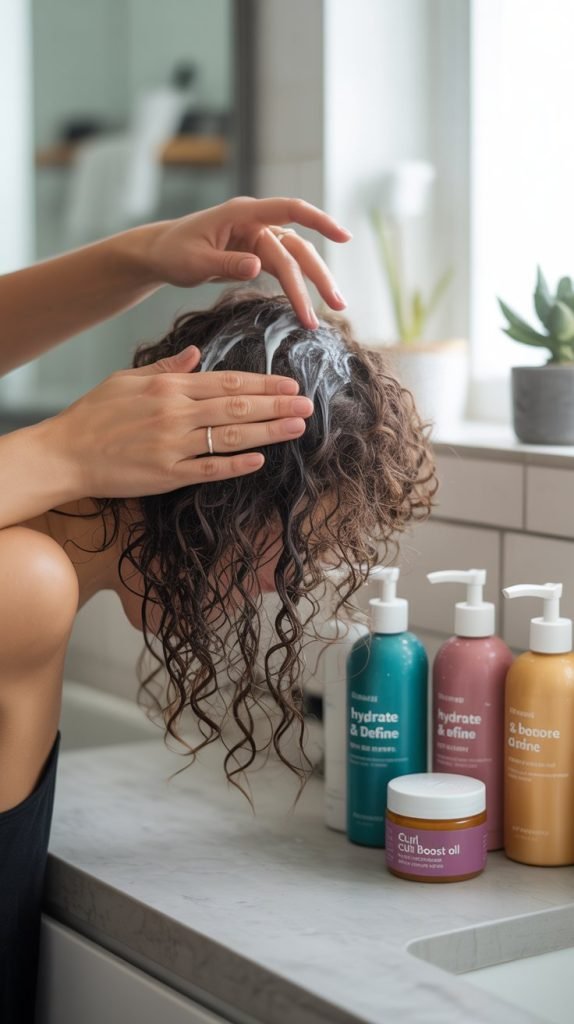
A consistent daily routine forms the backbone of healthy curly hair management, focusing on moisture retention, gentle handling, and curl enhancement through strategic product application.
The key is establishing a routine that works with your lifestyle while addressing your curl type’s specific needs.
- Start each morning by lightly misting your curls with water or a leave-in conditioner spray to reactivate styling products
- Use the “praying hands” method to smooth product through your hair without disrupting curl patterns
- Scrunch excess water and product from your curls using a microfiber towel or cotton t-shirt
- Apply curl cream or gel while hair is still damp to lock in moisture and provide hold
- Avoid touching or manipulating your curls while they dry to prevent frizz and disruption
- Consider using a diffuser attachment on low heat and speed to reduce drying time without causing damage
- Refresh curls throughout the day with a light mist of water mixed with a small amount of leave-in conditioner
- Protect your curls from environmental factors like wind and humidity with appropriate styling products
- Maintain curl definition by avoiding excessive brushing or combing when hair is dry
3. Proper Washing Techniques
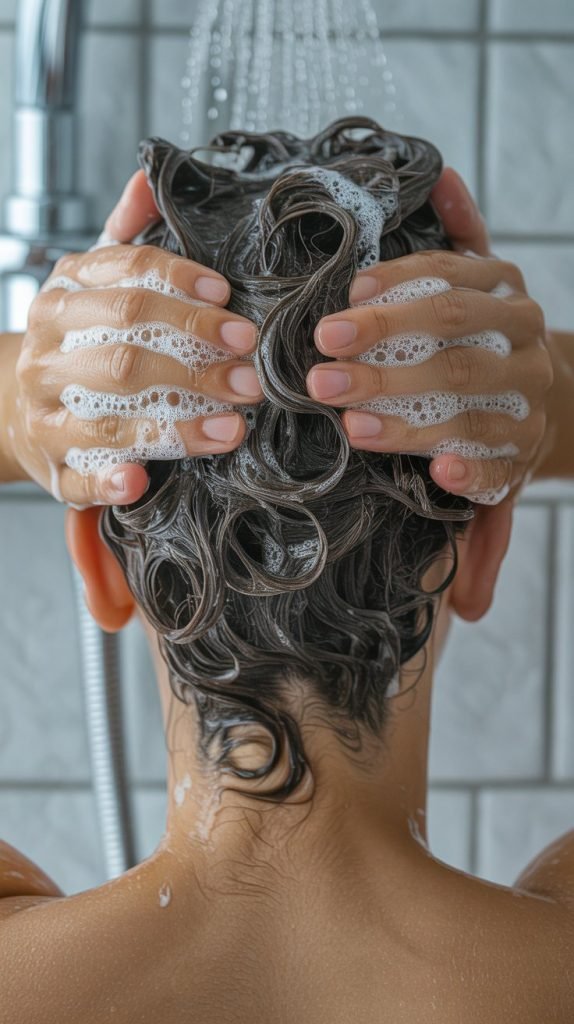
Washing curly hair requires a completely different approach than straight hair, focusing on gentle cleansing, intensive conditioning, and moisture preservation rather than frequent shampooing.
The goal is to clean the scalp while maintaining the hair’s natural oils and curl structure.
- Wash your hair only 1-2 times per week to prevent stripping natural oils that curly hair desperately needs
- Focus shampoo application primarily on your scalp rather than the lengths of your hair
- Use sulfate-free shampoos that cleanse gently without causing excessive dryness or irritation
- Massage your scalp with fingertips in circular motions to stimulate blood flow and remove buildup
- Allow shampoo to rinse through the lengths of your hair naturally rather than scrubbing the strands
- Apply conditioner generously from mid-length to ends, avoiding the scalp area to prevent weighing down roots
- Use a wide-tooth comb or your fingers to detangle hair while conditioner is applied and hair is saturated
- Leave conditioner on for 3-5 minutes to allow maximum penetration and moisture absorption
- Rinse with cool water to seal the hair cuticle and enhance shine while reducing frizz
4. Styling Methods and Products
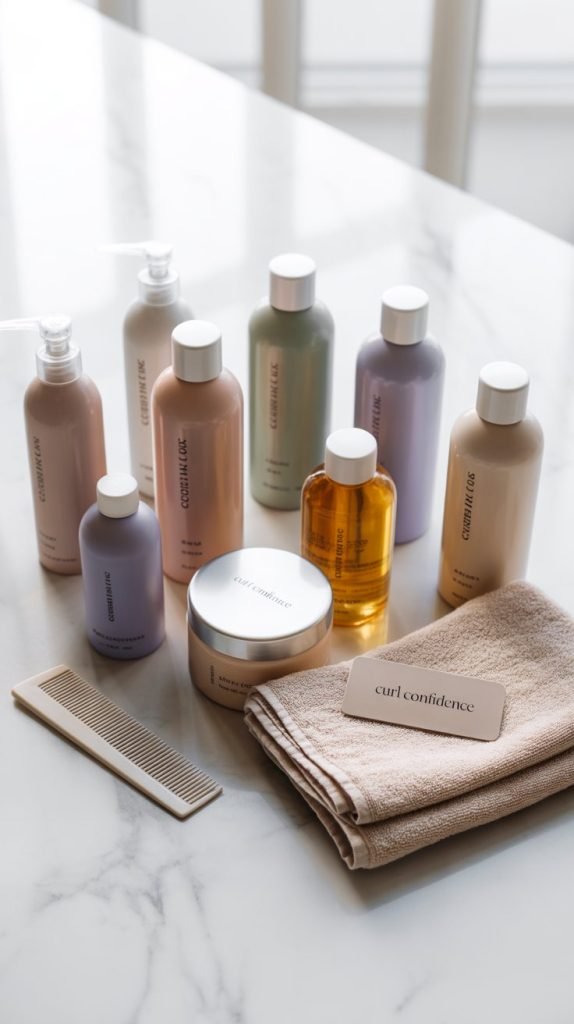
Effective curly hair styling revolves around enhancing your natural curl pattern while providing adequate hold and moisture, using techniques and products specifically designed for textured hair.
The right combination of styling methods and products can mean the difference between defined, bouncy curls and a frizzy, unmanageable mess.
- Apply styling products to soaking wet hair for maximum curl definition and even distribution
- Use the “squish to condish” method by cupping sections of hair and gently squeezing upward to encourage curl formation
- Layer products from thinnest to thickest consistency: leave-in conditioner, curl cream, then gel or mousse
- Employ the “plopping” technique by wrapping wet, styled hair in a cotton t-shirt for 10-20 minutes
- Consider co-washing (conditioner-only washing) between shampoo sessions to maintain moisture without over-cleansing
- Experiment with different application techniques like praying hands, scrunching, or finger coiling for various curl effects
- Choose alcohol-free products to prevent dryness and maintain curl elasticity throughout the day
- Use a silk or satin pillowcase to reduce friction and maintain curl definition while sleeping
- Avoid heat styling tools when possible, or use heat protectants and low temperatures when necessary
5. Nighttime Care and Protection

Protecting your curls while you sleep is crucial for maintaining definition, reducing frizz, and extending the life of your style, as nighttime friction and compression can undo hours of careful styling.
Proper nighttime care can dramatically improve how your curls look and feel the next morning.
- Sleep on a silk or satin pillowcase to reduce friction that can cause frizz and breakage
- Use a silk or satin bonnet or scarf to completely protect your curls from pillow friction
- Try the “medusa clipping” method by loosely clipping sections of curls on top of your head with small clips
- Create a loose “pineapple” by gathering all your curls at the very top of your head with a silk scrunchie
- Apply a small amount of oil or leave-in conditioner to your ends before bed for overnight moisture treatment
- Consider using a buff or tube scarf around your hairline to prevent frizz and maintain curl patterns
- Avoid tight ponytails or braids that can create dents and disrupt your natural curl pattern
- Refresh your curls in the morning with a light water and conditioner spray if they appear flattened
- Replace cotton pillowcases and hair ties with silk or satin alternatives to minimize damage and frizz
6. Professional Treatments and Cuts
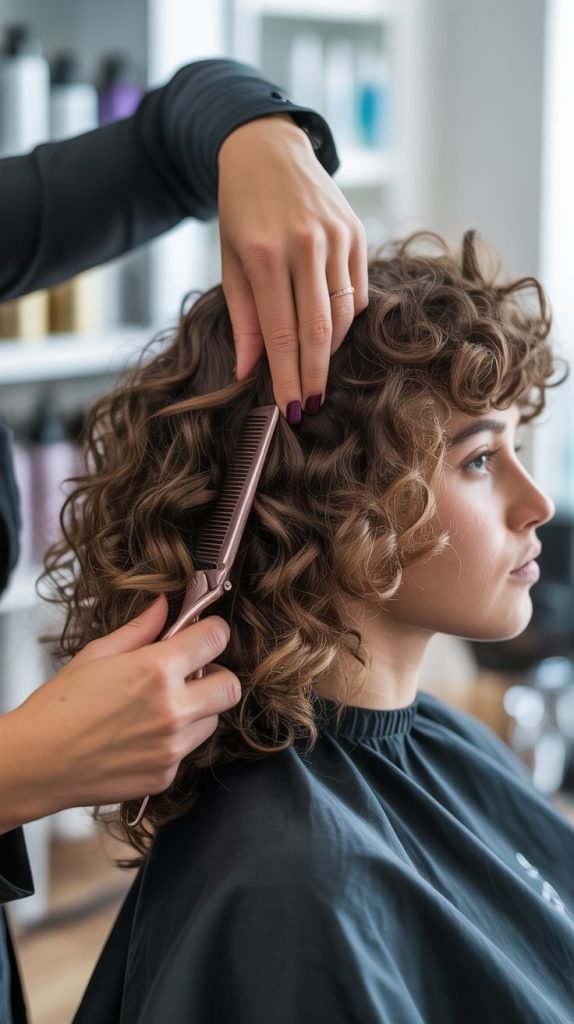
Professional curly hair services require specialized knowledge and techniques that differ significantly from standard hair treatments, as curly hair has unique structural properties and styling requirements.
Finding the right professional can transform your curl care routine and overall hair health.
- Seek out stylists who specialize in curly hair and are certified in techniques like DevaCuts or Ouidad cuts
- Request a dry cut where your hair is cut in its natural curly state rather than when straight and wet
- Consider professional deep conditioning treatments every 6-8 weeks to maintain optimal moisture levels
- Discuss your daily routine and lifestyle with your stylist to ensure your cut works with your maintenance preferences
- Ask about curl-enhancing treatments like protein treatments or moisture masks based on your hair’s specific needs
- Schedule regular trims every 8-12 weeks to prevent split ends from traveling up the hair shaft
- Inquire about curl pattern analysis to better understand your hair’s unique characteristics and needs
- Consider professional color services only from colorists experienced with curly hair to prevent damage
- Request styling lessons from your professional to learn techniques that work specifically with your curl pattern
7. Common Mistakes to Avoid
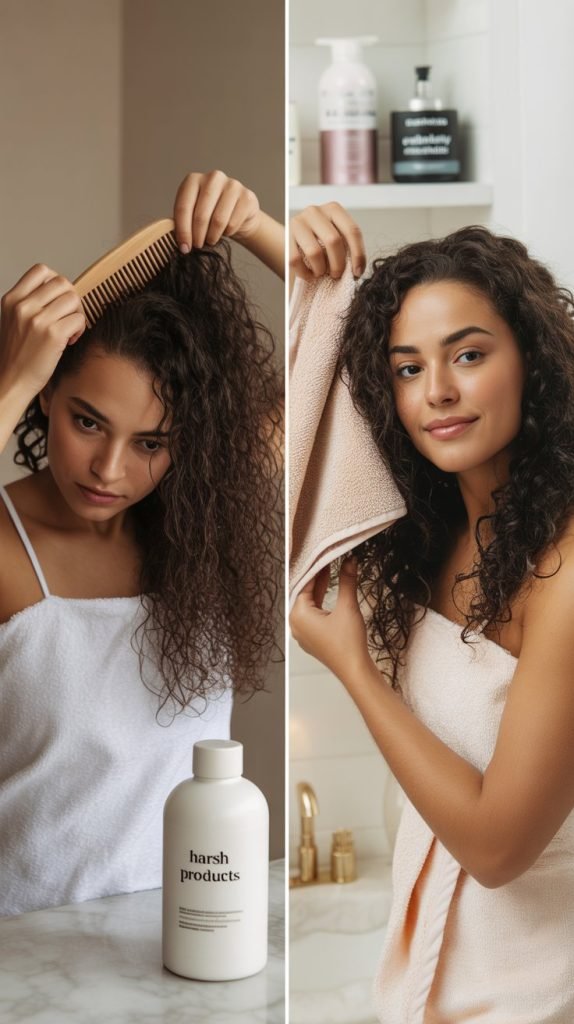
Many people unknowingly sabotage their curly hair care routine through common mistakes that can lead to dryness, breakage, and loss of curl definition.
Understanding and avoiding these pitfalls is essential for achieving and maintaining healthy, beautiful curls.
- Never brush or comb curly hair when it’s completely dry as this breaks up curl patterns and creates frizz
- Avoid using regular terrycloth towels which rough up the hair cuticle and promote frizz formation
- Don’t apply styling products to dry hair as this prevents even distribution and proper curl formation
- Resist the urge to touch, scrunch, or manipulate your curls while they’re drying to prevent disruption
- Avoid products containing sulfates, drying alcohols, and silicones that can build up and weigh down curls
- Don’t sleep directly on cotton pillowcases without protection as this causes friction and flattening
- Never cut curly hair when it’s wet and stretched straight as this can result in uneven, unflattering lengths
- Avoid using excessive heat from blow dryers, flat irons, or curling irons without proper heat protection
- Don’t expect immediate results as it can take several weeks for your hair to adjust to a new routine and products
Mastering the best curly hair care routine is a journey that requires patience, experimentation, and understanding of your unique curl pattern and needs.
By implementing these comprehensive strategies, from proper washing techniques to nighttime protection, you’ll discover how to work with your natural texture rather than against it.
Remember that consistency is key, and what works for others may need to be adapted for your specific curl type and lifestyle.
The transformation won’t happen overnight, but with dedication to these proven methods, you’ll develop a routine that brings out the best in your curls.
Embrace your natural texture with confidence, knowing that you now have the knowledge and tools to maintain healthy, beautiful curls that reflect your personal style and enhance your natural beauty.
