

Your newly colored hair represents more than just a beauty investment—it’s a reflection of your personality, style, and the confidence that comes with a fresh, stunning look.
The excitement of walking out of the salon with gorgeous, vibrant color can quickly turn to disappointment when that brilliance begins to fade within weeks.
However, with the right knowledge and dedicated approach, you can successfully Keep Colored Hair Vibrant Longer and enjoy your stunning color transformation for months rather than weeks.
This comprehensive guide will reveal professional secrets, proven techniques, and insider tips that will revolutionize how you care for your colored hair and dramatically extend its lifespan.
In This Post......
- 1. Understanding Color Fading Science
- 2. The Critical First 72 Hours
- 3. Advanced Washing Techniques for Color Longevity
- 4. Professional-Grade Product Selection
- 5. Environmental Protection Strategies
- 6. Nutritional Support for Color Retention
- 7. Heat Styling Best Practices
- 8. Troubleshooting Color Issues
- 9. Seasonal Color Care Adjustments
- 10. Long-Term Color Preservation Systems
- Conclusion
1. Understanding Color Fading Science
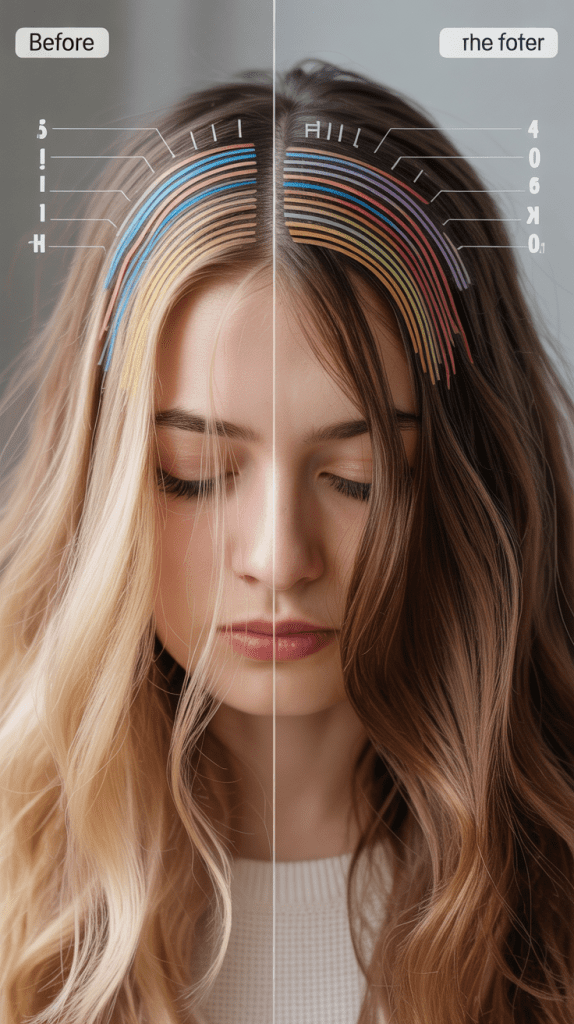
The science behind hair color fading is complex and involves multiple factors that affect how long your vibrant color will last.
Understanding these mechanisms empowers you to take targeted action against the primary causes of color deterioration and implement effective prevention strategies.
- Hair color fades when artificial pigment molecules become smaller through oxidation and wash out of the hair shaft
- The hair cuticle’s condition directly affects color retention, with damaged cuticles allowing more color escape
- UV radiation breaks down color molecules through photochemical reactions, causing rapid fading
- Heat from styling tools and hot water accelerates the oxidation process that degrades color pigments
- Chemical reactions from harsh shampoos strip away both natural and artificial color molecules
- Environmental pollutants create free radicals that attack and break down color compounds
- Natural hair porosity determines how easily color enters and exits the hair structure
- Different color families fade at varying rates, with reds typically fading fastest and darker colors lasting longer
2. The Critical First 72 Hours
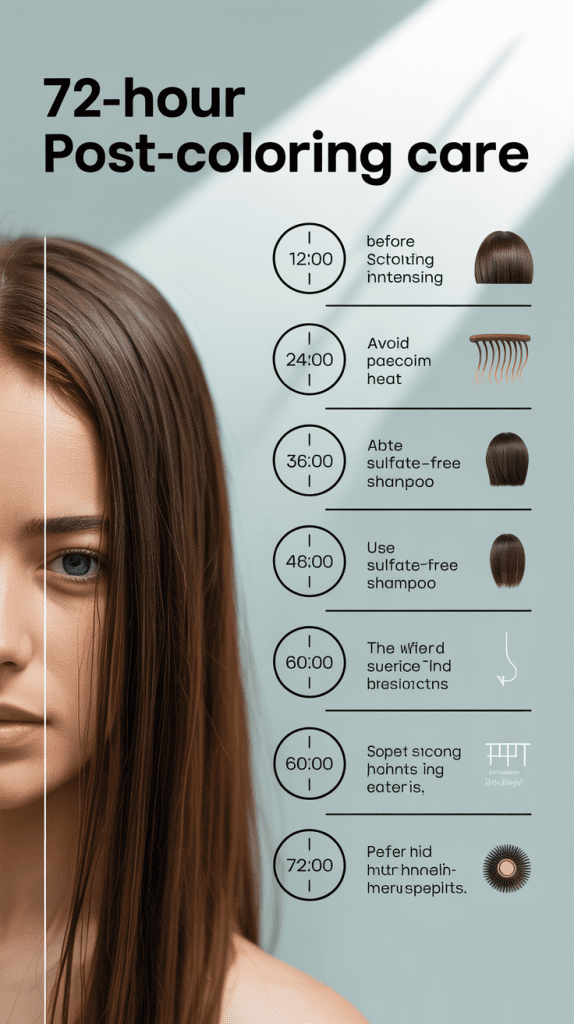
The initial three days after coloring represent the most crucial period for color longevity, as this is when the artificial pigments are still settling and bonding within your hair structure.
Proper care during this window can add weeks to your color’s lifespan.
- Avoid washing your hair for at least 48-72 hours to allow color molecules to fully penetrate and lock into the hair shaft
- Keep your hair dry during showers by using a shower cap or washing only your body
- Use only cool water if you absolutely must rinse your hair during the settling period
- Apply a color-sealing treatment immediately after leaving the salon to lock in the new pigments
- Sleep on silk or satin pillowcases to minimize friction that can disturb settling color molecules
- Avoid heat styling tools completely during the first 72 hours to prevent premature color breakdown
- Stay away from swimming pools, saunas, and steam rooms that can open hair cuticles
- Gently pat your hair dry with a microfiber towel if it gets wet, never rub or scrub
3. Advanced Washing Techniques for Color Longevity
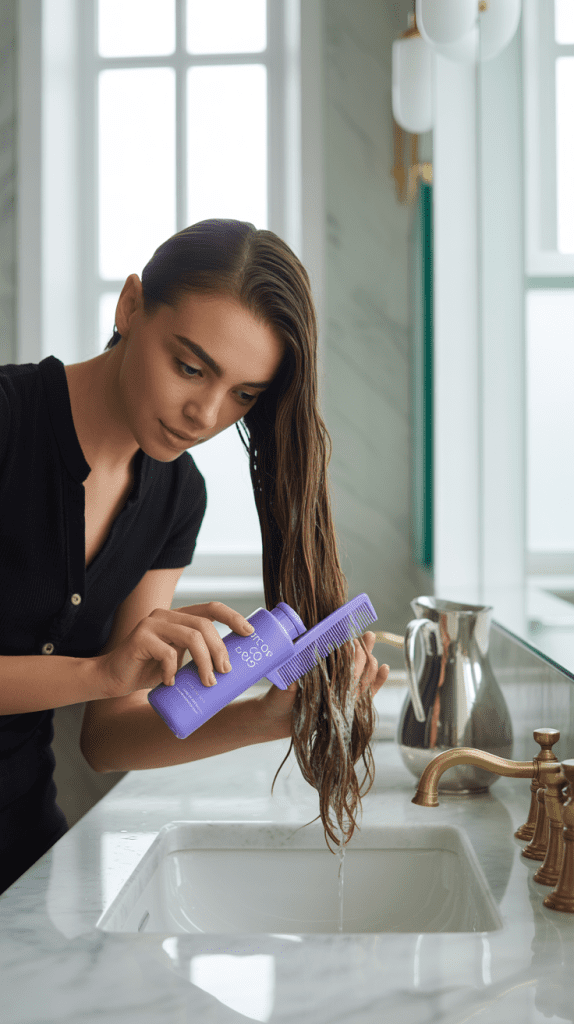
How you wash your colored hair has more impact on color longevity than any other single factor in your routine.
Mastering advanced washing techniques can double or triple the time between touch-ups while maintaining vibrant, salon-fresh color.
- Wash your hair no more than 2-3 times per week to preserve natural oils that protect color
- Use lukewarm to cool water exclusively, as hot water opens cuticles and releases color molecules
- Apply shampoo primarily to your scalp and roots, allowing runoff to cleanse the lengths naturally
- Use a quarter-sized amount of color-safe shampoo and dilute it with water before application
- Massage your scalp gently with fingertips, never scrub or use circular motions that can lift color
- Rinse thoroughly but quickly to minimize color molecule exposure to water
- Apply conditioner from mid-length to ends, avoiding the scalp to prevent weighing down roots
- Leave conditioner on for 3-5 minutes to allow proper penetration and cuticle sealing
4. Professional-Grade Product Selection
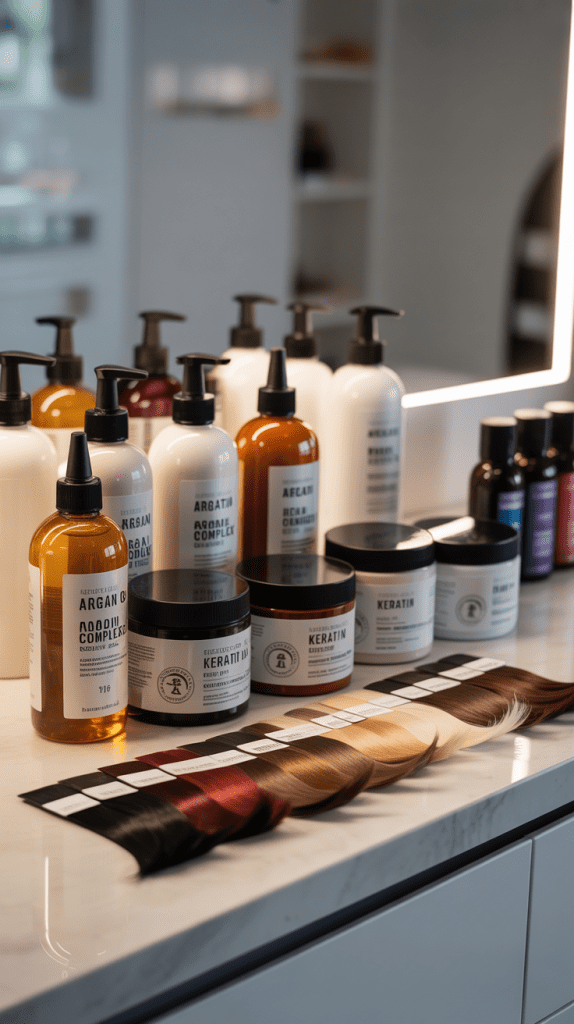
The products you choose for daily care play a pivotal role in maintaining color vibrancy, with professional-grade formulations offering superior protection and longevity compared to standard drugstore options.
Understanding ingredient science helps you make informed choices that protect your investment.
- Choose sulfate-free shampoos specifically formulated for color-treated hair to prevent harsh stripping
- Look for products containing UV filters like benzophenone-4 or ethylhexyl methoxycinnamate for sun protection
- Select shampoos and conditioners with pH levels between 4.5-5.5 to maintain cuticle closure
- Use color-depositing products that add pigment back to your hair with each wash
- Invest in leave-in treatments with antioxidants like vitamin E and green tea extract
- Choose products with keratin and amino acids to strengthen and protect the hair structure
- Look for formulations containing ceramides that help seal the hair cuticle and lock in color
- Consider professional brands that offer specific products for your exact color family
5. Environmental Protection Strategies
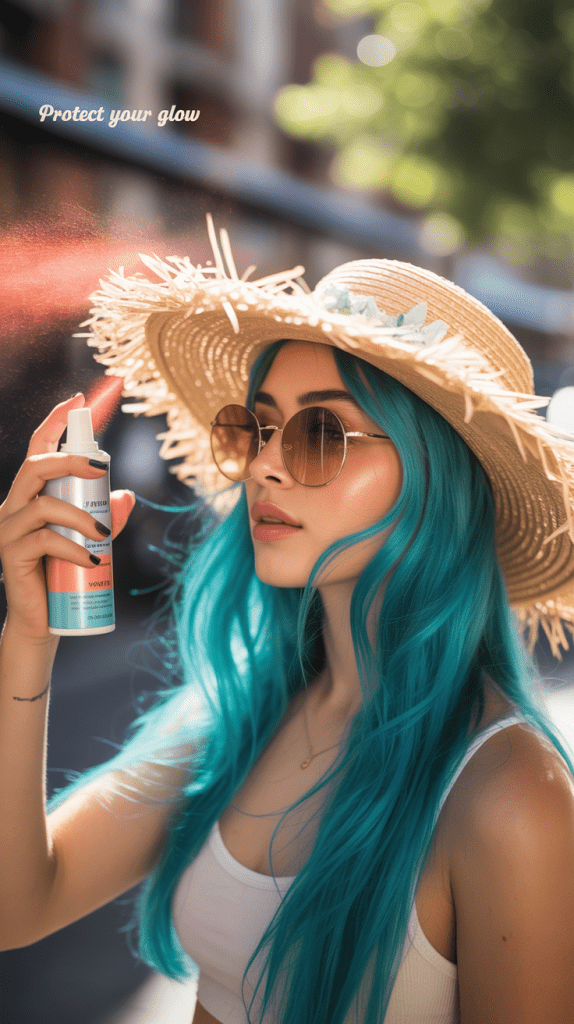
Environmental factors pose constant threats to colored hair, from UV radiation and pollution to chlorine and hard water minerals.
Implementing comprehensive protection strategies shields your color from these damaging elements and significantly extends its vibrancy.
- Apply UV-protecting hair products daily, especially before outdoor activities or sun exposure
- Wear protective headwear like hats, scarves, or UV-blocking hair wraps during extended sun exposure
- Pre-wet your hair with clean water before swimming to minimize chlorine and salt water absorption
- Use a swimming cap or apply a protective barrier product before entering pools or ocean water
- Install a shower filter to remove chlorine and mineral deposits from your washing water
- Protect your hair from wind damage by using leave-in treatments that create a protective barrier
- Avoid prolonged exposure to air conditioning and heating systems that can dry out colored hair
- Consider using anti-pollution hair products in urban environments to combat environmental toxins
6. Nutritional Support for Color Retention
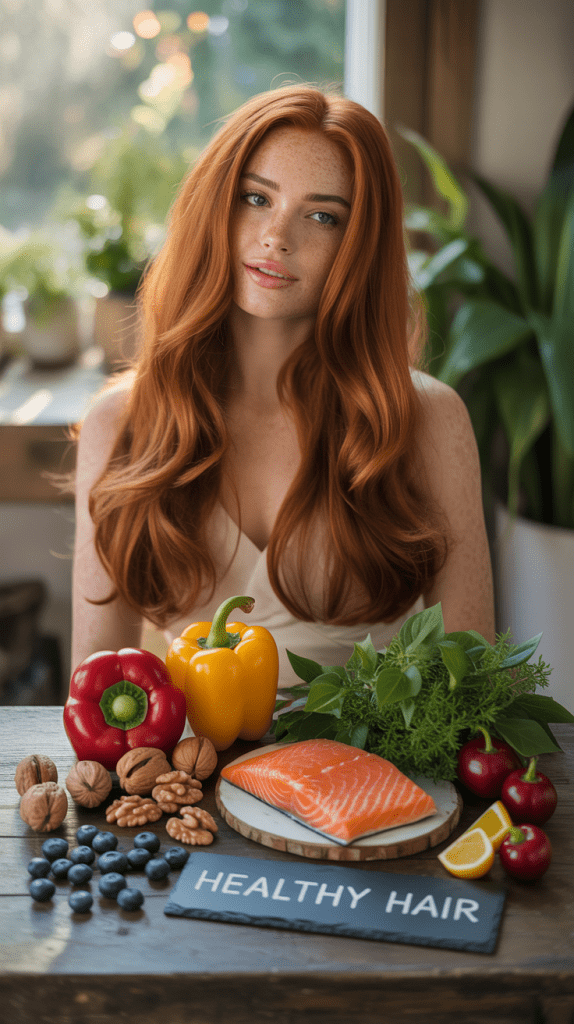
Internal health significantly impacts your hair’s ability to hold and maintain color, making proper nutrition an essential component of any comprehensive color preservation strategy.
Specific nutrients support hair structure and color molecule stability from within.
- Consume adequate protein (0.8-1g per kg body weight) to maintain hair structure and color-holding capacity
- Include omega-3 fatty acids from fish, flaxseeds, and walnuts to support scalp health and color retention
- Eat antioxidant-rich foods like berries, leafy greens, and colorful vegetables to combat free radical damage
- Ensure sufficient iron intake from lean meats, spinach, and legumes to prevent color dulling
- Stay hydrated with 8-10 glasses of water daily to maintain hair moisture and color vibrancy
- Take biotin and B-complex vitamins to support overall hair health and pigment retention
- Include vitamin C sources to enhance collagen production and protect against oxidative stress
- Consider collagen supplements to strengthen hair structure and improve color longevity
7. Heat Styling Best Practices
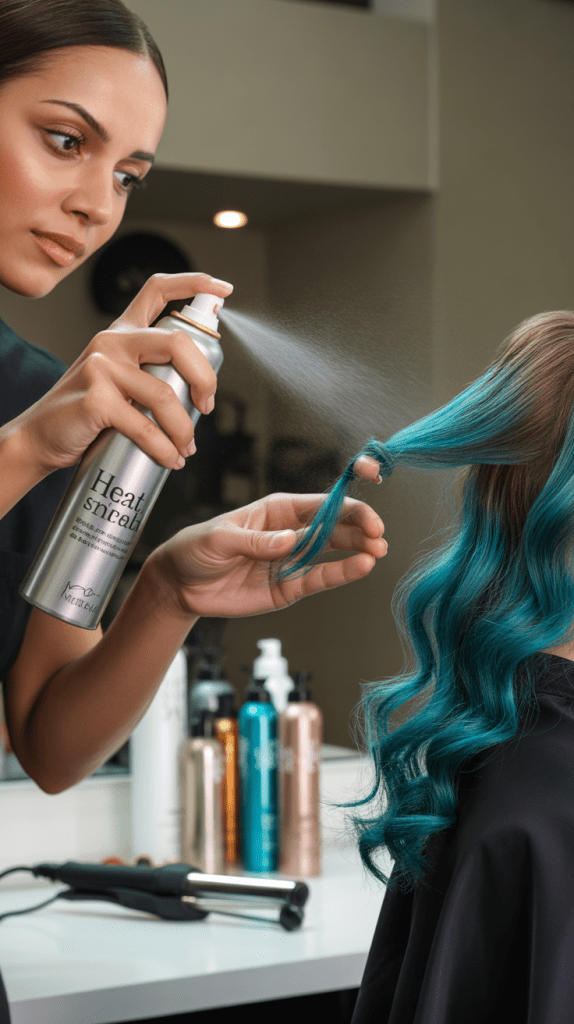
Heat styling remains one of the most damaging factors for colored hair, but with proper techniques and protective measures, you can achieve your desired looks while preserving color integrity.
The key lies in minimizing damage while maximizing protection.
- Always apply a heat protectant product before using any heated styling tools to create a protective barrier
- Use tools with adjustable temperature settings and keep them below 300°F for color-treated hair
- Allow your hair to air dry to 80% before using blow dryers to minimize total heat exposure
- Choose ceramic or tourmaline tools that distribute heat evenly and reduce hot spots
- Use the lowest effective temperature for your desired style, increasing gradually if needed
- Move styling tools continuously rather than holding them in one place for extended periods
- Style hair in small sections to ensure even heat distribution and reduce processing time
- Give your hair regular breaks from heat styling by embracing air-dry styles and protective techniques
8. Troubleshooting Color Issues
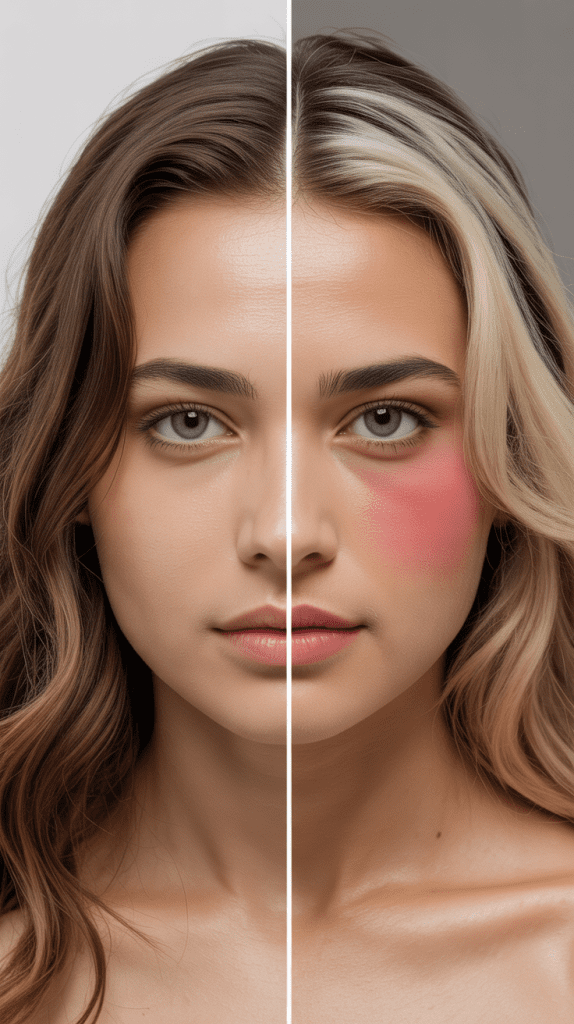
Even with perfect care, colored hair can develop issues like fading, brassiness, or uneven color distribution.
Understanding how to address these problems quickly prevents minor issues from becoming major color disasters requiring expensive salon corrections.
- Address brassiness immediately with purple or blue toning shampoos specific to your color family
- Use color-refreshing glosses between salon visits to revive faded or dull color
- Apply root touch-up products sparingly to extend time between full color services
- Combat color mudiness with clarifying treatments followed by intensive conditioning
- Treat uneven fading with color-depositing masks that target specific areas
- Restore shine and vibrancy with professional gloss treatments every 4-6 weeks
- Address dryness and damage with protein treatments that strengthen the hair structure
- Consult your colorist immediately if you notice rapid or unusual color changes
9. Seasonal Color Care Adjustments
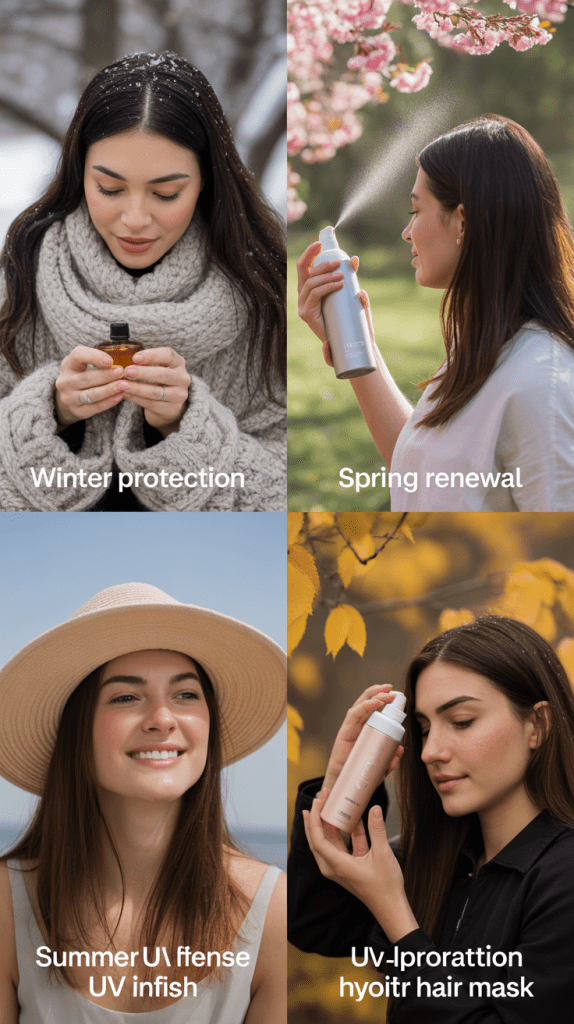
Different seasons present unique challenges for maintaining colored hair, from winter’s dry indoor air to summer’s intense UV exposure.
Adapting your routine seasonally ensures year-round color protection and optimal hair health.
- Increase moisturizing treatments during winter months when indoor heating creates dry conditions
- Use intensive UV protection during spring and summer when sun exposure is highest
- Apply humectant-rich products in dry climates to attract and retain moisture
- Switch to lighter formulations in humid conditions to prevent product buildup
- Use deeper conditioning treatments before seasonal transitions to prepare your hair
- Adjust washing frequency based on seasonal activity levels and environmental conditions
- Incorporate scalp treatments during season changes to maintain healthy hair growth
- Plan color refreshes to coincide with seasonal color trends and natural fading patterns
10. Long-Term Color Preservation Systems
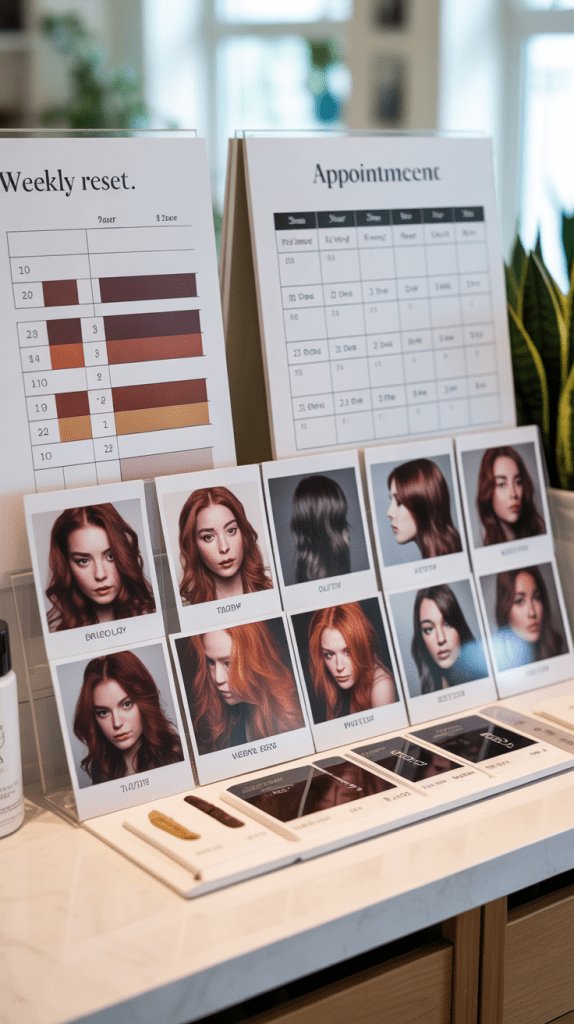
Creating a comprehensive long-term preservation system ensures your colored hair maintains its vibrancy through multiple color cycles and provides a framework for consistent, professional-quality results.
This systematic approach maximizes your investment and minimizes color-related problems.
- Develop a personalized hair care calendar that tracks treatments, products, and color changes
- Create a photographic record of your color progression to identify patterns and optimal timing
- Establish relationships with trusted professionals who understand your hair’s unique characteristics
- Build a core collection of proven products that work consistently for your hair type and color
- Plan color services strategically to work with your hair’s natural growth and fading patterns
- Monitor your hair’s response to different treatments and adjust your routine accordingly
- Stay informed about new color protection technologies and incorporate beneficial innovations
- Budget appropriately for both professional services and quality maintenance products
Conclusion
Successfully learning how to Keep Colored Hair Vibrant Longer requires dedication, knowledge, and a systematic approach that addresses all aspects of color care from the molecular level to daily maintenance routines.
By implementing the comprehensive strategies outlined in this guide—from understanding color science and mastering advanced washing techniques to providing proper nutrition and troubleshooting issues as they arise—you can dramatically extend your color’s lifespan and maintain salon-quality vibrancy for months rather than weeks.
Remember that maintaining vibrant colored hair is an investment in yourself that pays dividends in confidence, style, and the joy of having gorgeous hair that consistently looks and feels amazing.
