

Navigating the world of color-treated hair can feel overwhelming, but with the right knowledge and practices, you can maintain gorgeous, vibrant hair that turns heads everywhere you go.
Whether you’ve recently transformed your look with highlights, lowlights, or a complete color overhaul, understanding the essential Color-Treated Hair: Do’s & Don’ts will be your roadmap to long-lasting, healthy, and brilliant color.
This comprehensive guide will empower you to make informed decisions about your hair care routine, helping you avoid costly mistakes while maximizing the longevity and beauty of your investment.
1. Immediate Post-Coloring Care Do’s
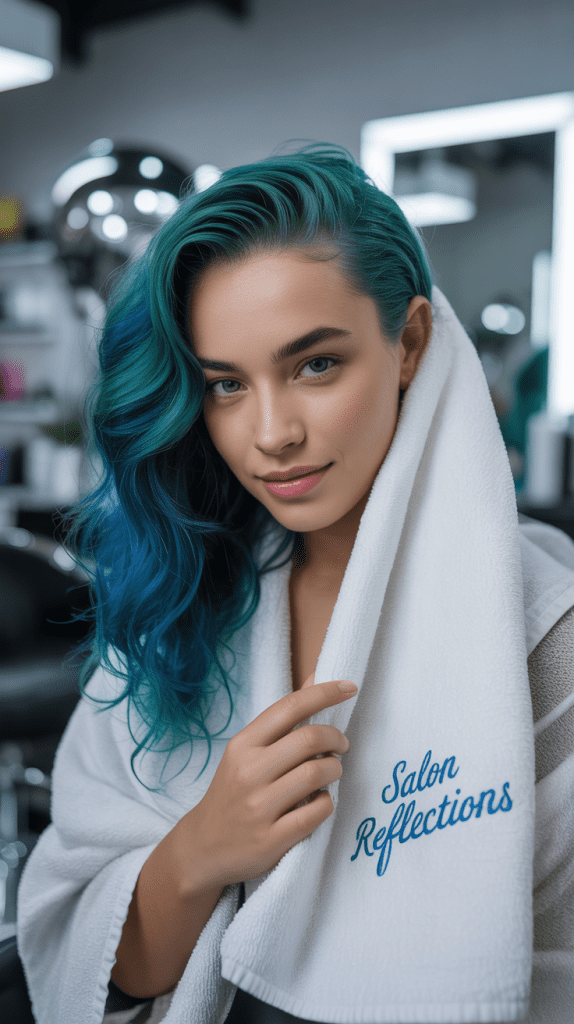
The first 48-72 hours after coloring your hair are absolutely critical for setting the foundation of long-lasting, vibrant color.
During this crucial period, your hair cuticles are still settling, and the color molecules are stabilizing within the hair shaft.
- Wait at least 48 hours before your first wash to allow the color molecules to fully penetrate and lock into the hair shaft
- Use cool water when you must rinse your hair during the waiting period to prevent color bleeding
- Gently pat your hair dry with a microfiber towel instead of rubbing vigorously
- Apply a color-protecting leave-in treatment immediately after coloring to seal the cuticles
- Sleep on silk or satin pillowcases to minimize friction and prevent color transfer
- Keep your hair away from direct sunlight and heat sources during the initial settling period
- Use a wide-tooth comb only when necessary and be extremely gentle with wet hair
- Avoid any chemical treatments, including deep conditioning masks, for at least one week
2. Essential Daily Do’s for Color Maintenance
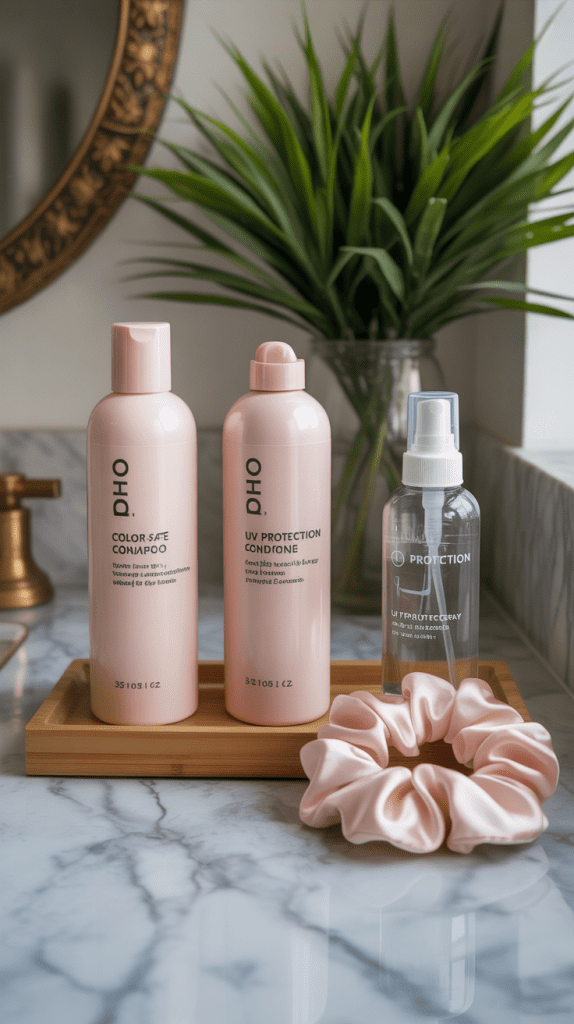
Establishing the right daily habits forms the cornerstone of successful color-treated hair care, ensuring your investment in professional coloring pays dividends in longevity and vibrancy.
Consistency in these practices will dramatically extend your color’s life and maintain its original brilliance.
- Wash your hair no more than 2-3 times per week to preserve color integrity and natural oils
- Always use lukewarm or cool water for washing to prevent color molecules from expanding and escaping
- Apply shampoo primarily to your scalp and let the suds cleanse the lengths naturally as you rinse
- Use a color-protecting conditioner from mid-length to ends after every wash
- Apply UV protection products daily, especially before going outdoors
- Sleep with your hair in loose braids or a silk scrunchie to prevent tangling and breakage
- Hydrate your hair with leave-in treatments containing ceramides and amino acids
- Protect your hair from chlorine and salt water by wetting it with clean water first
3. Critical Don’ts That Damage Color-Treated Hair
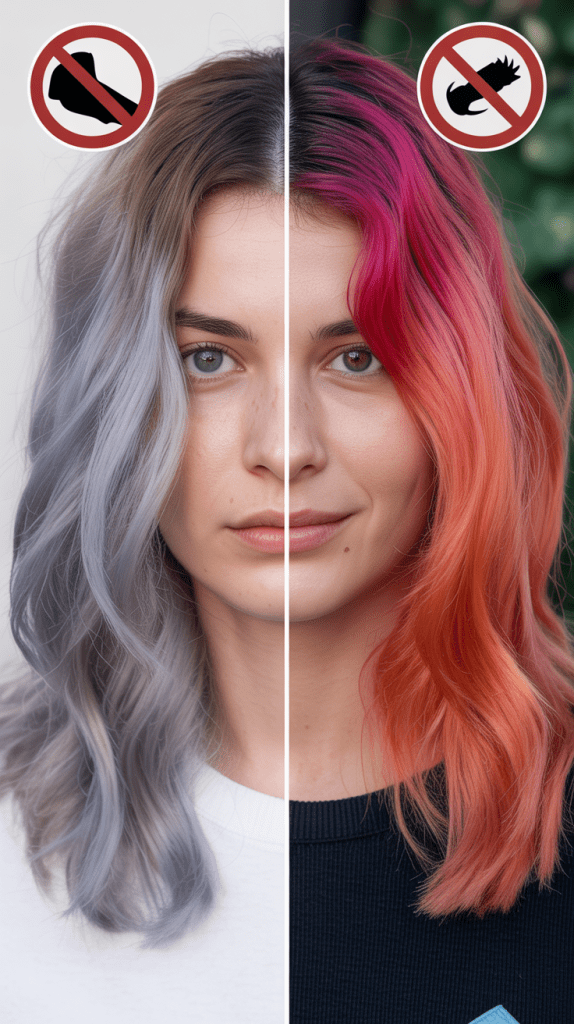
Understanding what to avoid is just as important as knowing what to do when caring for color-treated hair.
These common mistakes can quickly fade your color, damage your hair’s structure, and force you back to the salon sooner than necessary.
- Don’t use hot water for washing, as it opens the hair cuticle and allows color to wash out
- Never skip heat protectant when using styling tools, regardless of the temperature setting
- Don’t wash your hair daily, which strips away protective oils and accelerates color fading
- Avoid sulfate-containing shampoos that can be too harsh for fragile color-treated hair
- Don’t brush or comb wet hair aggressively, as color-treated hair is more prone to breakage
- Never apply conditioner to your scalp, which can cause buildup and weigh down your roots
- Don’t expose freshly colored hair to chlorinated pools without proper protection
- Avoid over-processing with frequent touch-ups that can lead to severe damage and breakage
4. Product Selection Do’s for Color-Treated Hair
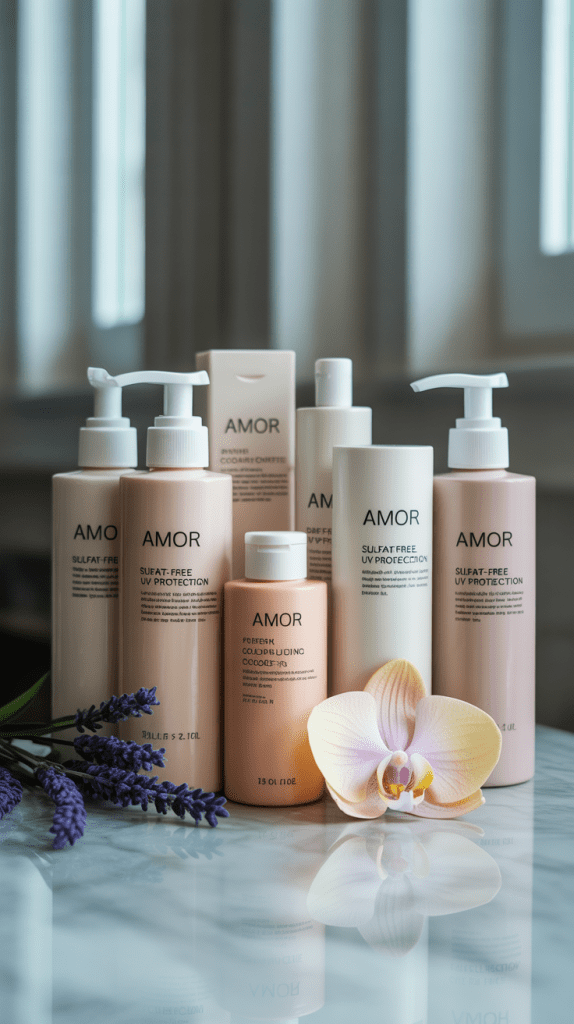
Choosing the right products specifically formulated for color-treated hair makes the difference between color that fades in weeks versus color that remains vibrant for months.
The market offers numerous options, but understanding what ingredients to look for ensures you make the best choices.
- Choose sulfate-free shampoos that cleanse gently without stripping color molecules
- Look for products containing UV filters like benzophenone or octinoxate for sun protection
- Select conditioners with keratin and protein to strengthen color-treated hair structure
- Use color-depositing shampoos and conditioners to refresh your color between salon visits
- Invest in leave-in treatments with antioxidants like vitamin E and green tea extract
- Choose products specifically labeled for your color family (blonde, brunette, red, etc.)
- Look for pH-balanced formulas that maintain the hair’s natural acid mantle
- Select deep conditioning masks with ingredients like argan oil and ceramides for weekly use
5. Professional Treatment Do’s

Regular professional treatments are essential for maintaining the health and vibrancy of color-treated hair, providing intensive care that home products cannot replicate.
These treatments address specific needs and extend the life of your color investment significantly.
- Schedule regular gloss treatments every 4-6 weeks to enhance shine and refresh color
- Get deep conditioning treatments monthly to repair damage and maintain moisture balance
- Consider professional toning services to eliminate unwanted brassiness or color shifts
- Book color touch-ups based on your hair’s growth rate, typically every 6-8 weeks
- Request bond-building treatments if your hair shows signs of damage or weakness
- Use professional-grade masks and treatments recommended by your colorist
- Schedule consultations to assess your hair’s health and adjust your care routine
- Consider seasonal color adjustments to complement changing light and fashion trends
6. Styling Do’s for Color Protection
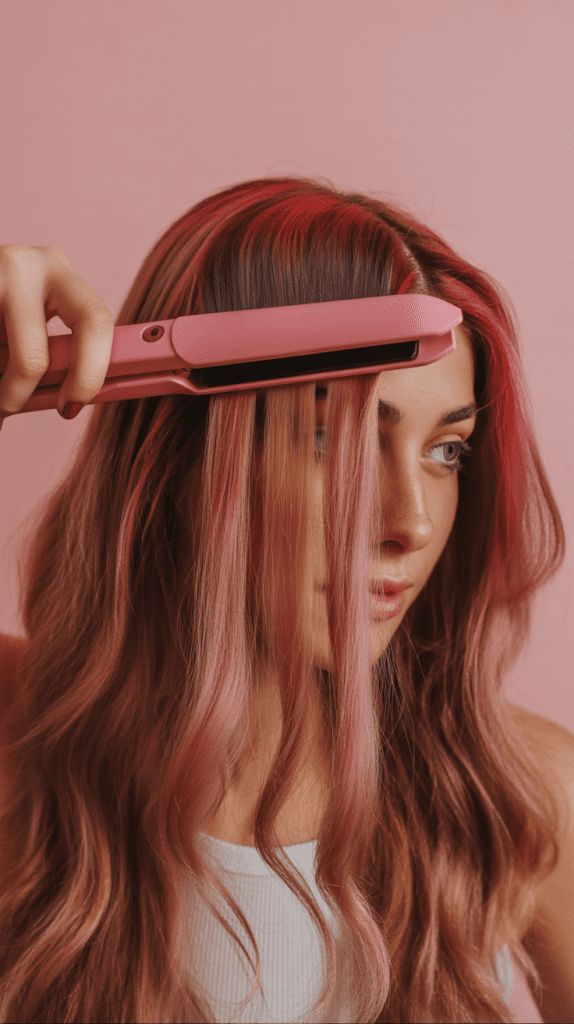
Proper styling techniques can significantly impact the longevity of your color-treated hair, helping you achieve beautiful looks while preserving your investment. The key is balancing your desired style with protective practices that maintain color integrity.
- Always apply heat protectant products before using any styling tools
- Use the lowest effective temperature setting on all heated styling tools
- Allow your hair to air dry partially before using blow dryers to minimize heat exposure
- Choose ceramic or tourmaline tools that distribute heat evenly and reduce damage
- Use protective styling methods like loose braids or low buns for overnight wear
- Apply styling products to damp hair for better distribution and protection
- Use ionic blow dryers that reduce static and smooth the hair cuticle
- Rotate your styling routine to give your hair breaks from heat and manipulation
7. Environmental Protection Don’ts
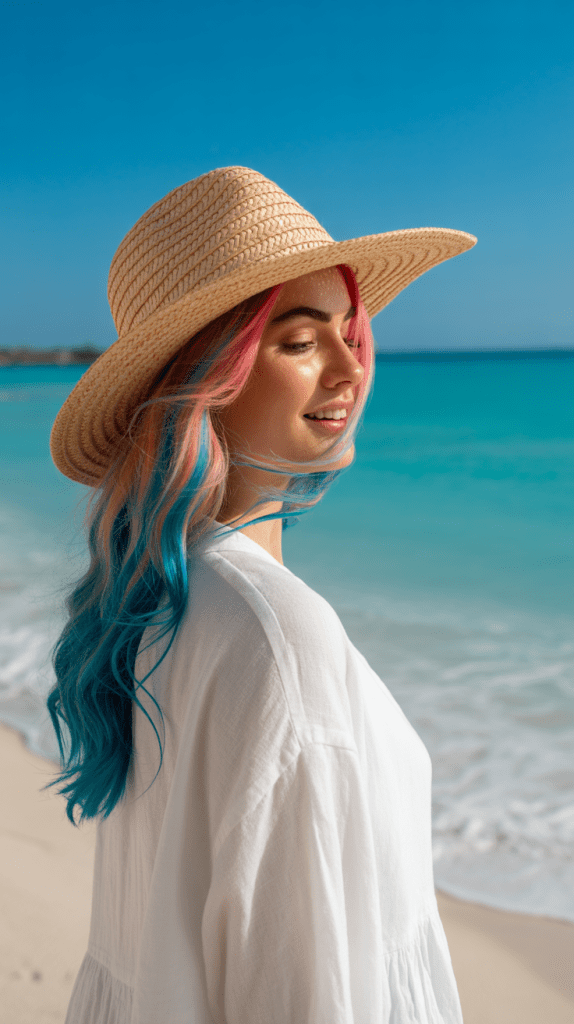
Environmental factors pose significant threats to color-treated hair, from UV radiation to pollution and extreme weather conditions.
Avoiding certain exposures and practices helps maintain your color’s vibrancy and prevents premature fading.
- Don’t spend extended time in direct sunlight without UV protection for your hair
- Avoid swimming in chlorinated pools without pre-wetting your hair or using protective products
- Don’t expose your hair to extreme temperatures without proper protection
- Never ignore the drying effects of air conditioning and heating systems on your hair
- Don’t forget to protect your hair from wind damage during outdoor activities
- Avoid areas with high pollution levels without covering or protecting your hair
- Don’t use harsh chemicals or cleaning products near your hair without protection
- Never underestimate the cumulative effects of environmental stressors on color longevity
8. Nutrition and Lifestyle Do’s
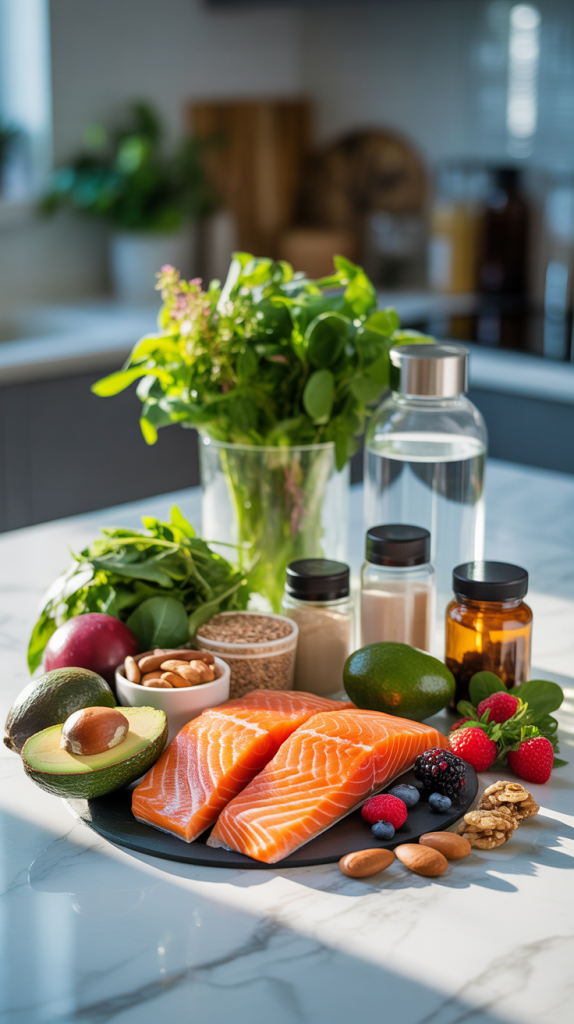
Internal health significantly impacts the appearance and longevity of color-treated hair, making proper nutrition and lifestyle choices essential components of comprehensive hair care.
What you consume and how you live directly affects your hair’s ability to hold and maintain color.
- Consume adequate protein daily to support hair structure and color retention
- Include omega-3 fatty acids from fish, nuts, and seeds to promote scalp health
- Eat antioxidant-rich foods to combat free radicals that can dull color
- Stay hydrated by drinking at least 8-10 glasses of water daily
- Take hair-supporting supplements like biotin, vitamin D, and collagen after consulting a healthcare provider
- Maintain a consistent sleep schedule to support overall hair health and growth
- Manage stress levels through exercise, meditation, or other healthy outlets
- Avoid crash diets that can negatively impact hair health and color retention
9. Common Mistakes and Don’ts to Avoid
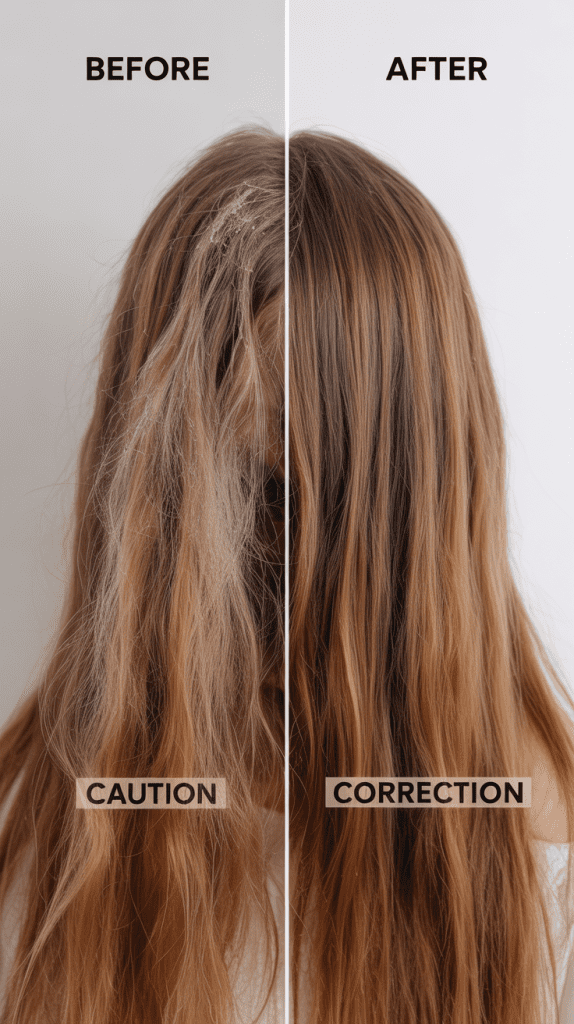
Learning from common mistakes helps you avoid the pitfalls that lead to color damage, fading, and the need for expensive corrective treatments.
These don’ts represent the most frequent errors people make with color-treated hair.
- Don’t attempt DIY color corrections or touch-ups without professional guidance
- Never use box dyes or drugstore color products on professionally colored hair
- Don’t skip regular trims, which can lead to split ends traveling up and affecting color appearance
- Avoid using multiple new products simultaneously, which can cause unpredictable reactions
- Don’t ignore signs of damage like excessive breakage, dryness, or color mudiness
- Never use clarifying shampoos more than once a month on color-treated hair
- Don’t expect your color to look exactly the same as it fades naturally over time
- Avoid making drastic color changes too frequently, which can severely damage hair structure
10. Long-term Color Preservation Strategies
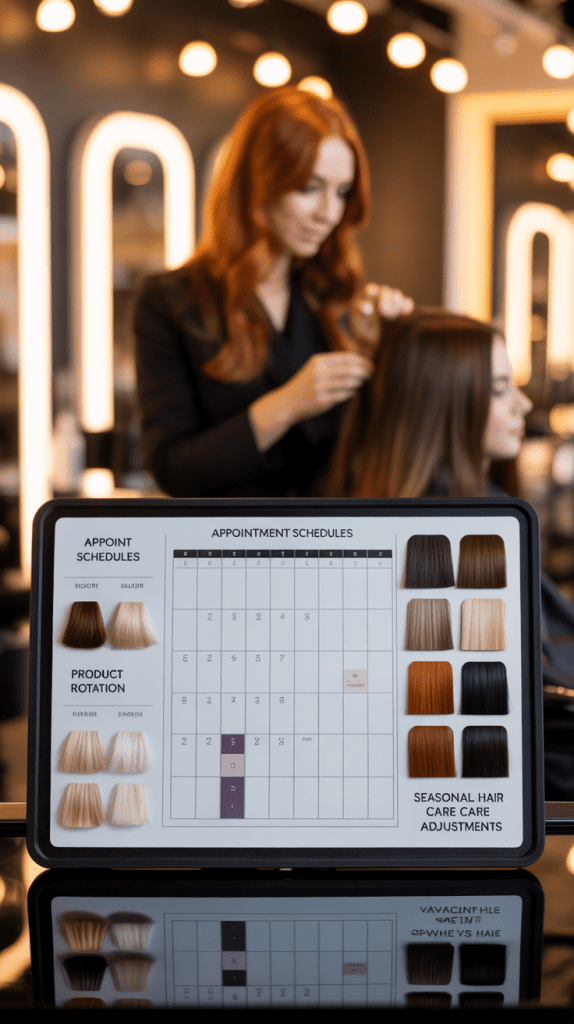
Developing comprehensive long-term strategies ensures your color-treated hair remains beautiful and healthy throughout multiple color cycles and seasonal changes.
These advanced techniques help you maximize your investment and maintain salon-quality results.
- Create a personalized hair care calendar that includes all treatments and maintenance appointments
- Document which products and techniques work best for your specific color and hair type
- Plan color changes seasonally to work with natural fading patterns and hair growth
- Build relationships with trusted hair professionals who understand your hair’s history
- Invest in quality tools and products that provide long-term value and protection
- Monitor your hair’s response to treatments and adjust your routine accordingly
- Stay informed about new color protection technologies and techniques
- Budget appropriately for both professional services and quality home maintenance products
Conclusion
Mastering the Color-Treated Hair: Do’s & Don’ts is essential for anyone who has invested in professional hair coloring and wants to maintain beautiful, vibrant results.
By following the comprehensive do’s outlined in this guide – from immediate post-coloring care to long-term preservation strategies – while carefully avoiding the damaging don’ts, you can extend your color’s life, maintain your hair’s health, and enjoy stunning results that make your investment worthwhile.
Remember that caring for color-treated hair is an ongoing commitment that requires patience, consistency, and the right knowledge, but the rewards of gorgeous, long-lasting color make every effort worthwhile.
