

Your naturally colored hair is a crown that deserves the utmost care and protection.
Whether you’re blessed with rich chocolate browns, stunning auburn reds, golden blondes, or deep ebony blacks, maintaining the vibrancy and health of your natural color requires specific strategies and dedication.
This comprehensive guide on how to protect naturally colored hair will unveil the secrets to preserving your hair’s natural beauty while preventing damage, fading, and environmental stressors that can dull your locks.
1. Understanding Your Natural Hair Color and Structure
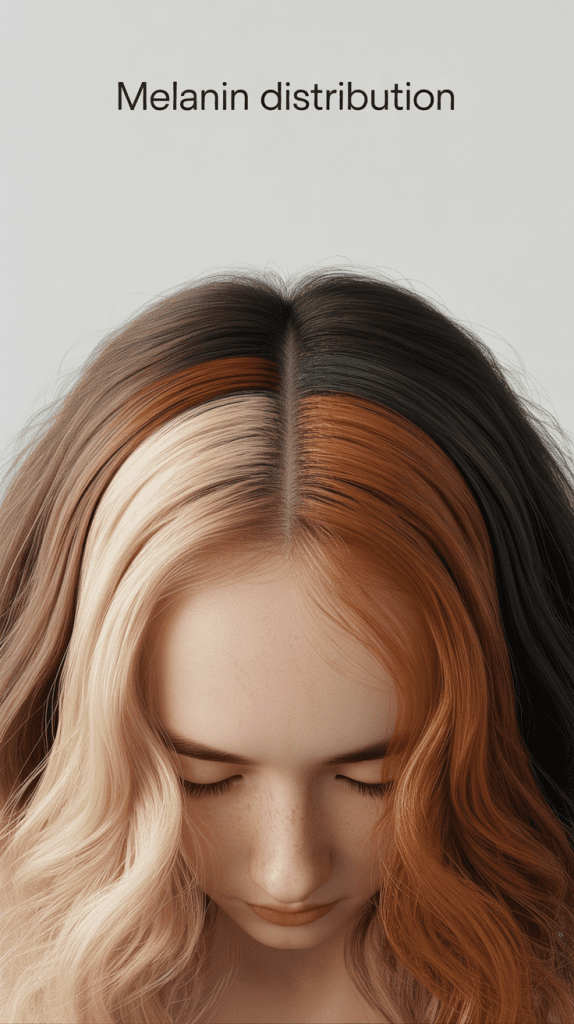
Understanding the science behind your natural hair color is the foundation of proper hair care and protection.
Your hair’s natural pigment, called melanin, determines your unique color and directly influences how you should care for your locks.
- Natural hair color comes from two types of melanin: eumelanin (creates brown and black tones) and pheomelanin (produces red and yellow tones)
- The concentration and combination of these pigments determine your specific hair color and its vulnerability to damage
- Darker hair contains more melanin, making it generally more resistant to UV damage but more susceptible to chemical processing effects
- Lighter hair has less melanin protection, making it more prone to sun damage and environmental stressors
- Red hair contains the most pheomelanin, making it the most fragile and requiring extra protection measures
- Understanding your hair’s porosity level helps determine how easily it absorbs and loses moisture and treatments
- Natural hair color can change over time due to hormonal changes, aging, and environmental exposure
- The hair cuticle’s condition directly affects color retention and overall hair health
2. Essential Daily Hair Care Routine for Color Protection
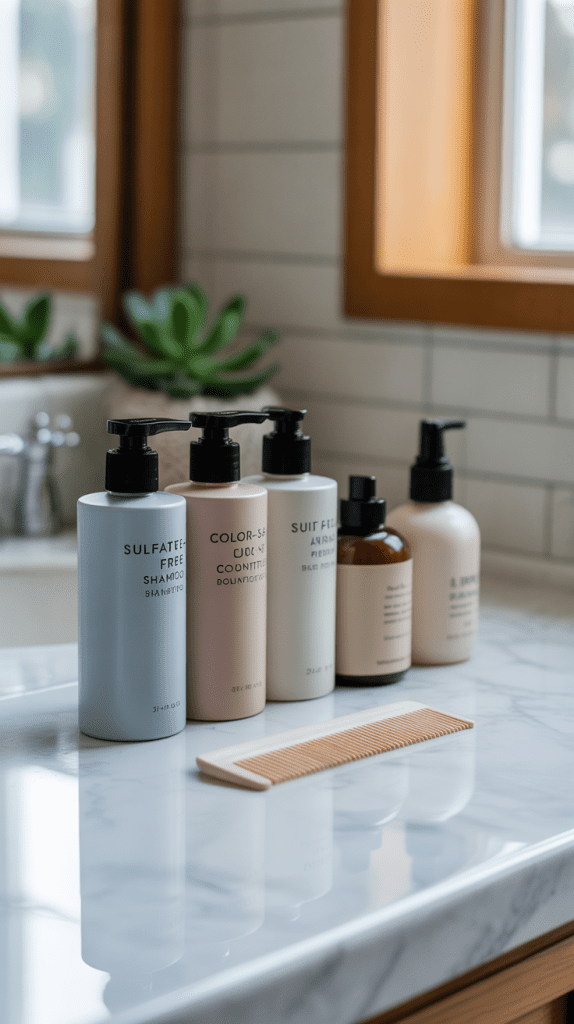
Establishing a consistent daily hair care routine forms the backbone of natural color protection and ensures your hair maintains its vibrancy and strength.
The right routine prevents unnecessary damage while nourishing your hair from root to tip.
- Use lukewarm water instead of hot water when washing to prevent color molecules from expanding and escaping
- Limit hair washing to 2-3 times per week to preserve natural oils that protect your color
- Apply shampoo primarily to the scalp, allowing the suds to gently cleanse the lengths as you rinse
- Always follow shampoo with a moisturizing conditioner to seal the hair cuticle and lock in color
- Use a wide-tooth comb on wet hair to prevent breakage and color-damaging mechanical stress
- Apply leave-in treatments while hair is still damp to maximize absorption and protection
- Sleep on silk or satin pillowcases to reduce friction and prevent color-dulling damage
- Brush your hair gently from ends to roots to distribute natural oils evenly
3. Choosing the Right Shampoo and Conditioner
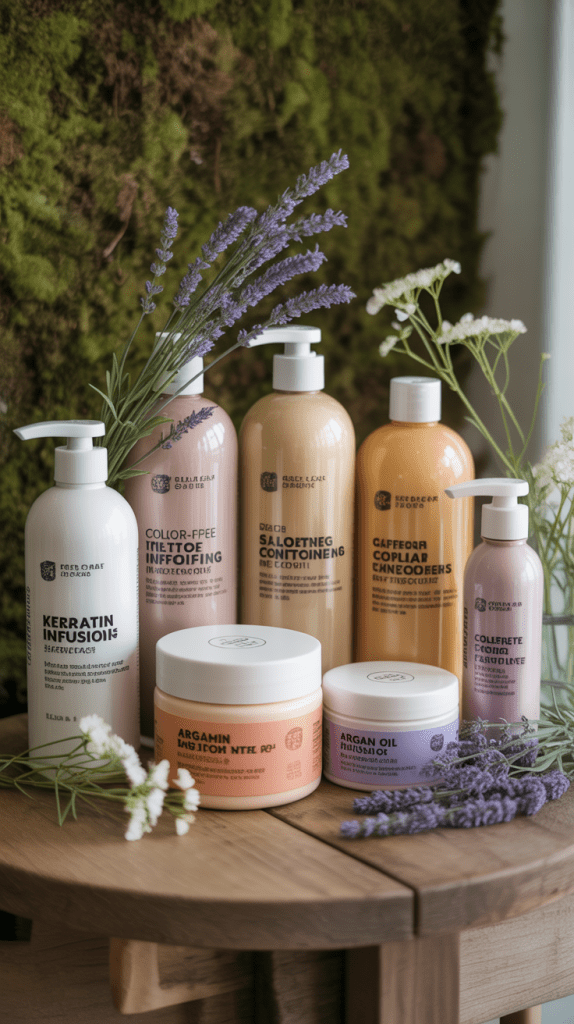
Selecting appropriate hair care products specifically designed for naturally colored hair makes a significant difference in maintaining color vibrancy and overall hair health.
The right products work synergistically to protect, nourish, and enhance your natural color.
- Look for sulfate-free shampoos that clean gently without stripping natural oils and color molecules
- Choose products labeled “color-safe” or “color-protecting” that contain UV filters and antioxidants
- Avoid shampoos with harsh detergents like sodium lauryl sulfate that can cause color fading
- Select conditioners with protein and moisture-balancing ingredients to maintain hair strength and flexibility
- Consider purple or blue shampoos if you have naturally blonde or gray hair to counteract brassiness
- Opt for products with natural oils like argan, coconut, or jojoba to provide deep nourishment
- Read ingredient lists carefully and avoid products with high alcohol content that can dry out hair
- Invest in professional-grade products when possible for more concentrated active ingredients
4. Protecting Hair from Environmental Damage
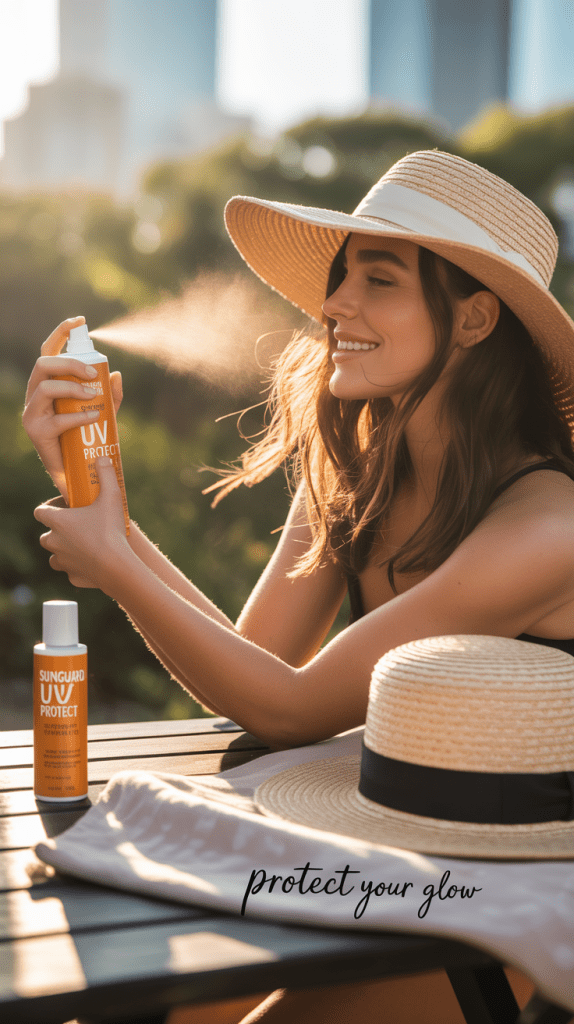
Environmental factors pose constant threats to your naturally colored hair, from UV radiation to pollution and extreme weather conditions.
Implementing protective measures helps maintain your hair’s natural beauty and prevents premature color deterioration.
- Apply UV-protective hair products before sun exposure to prevent color fading and dryness
- Wear hats, scarves, or other protective coverings when spending extended time outdoors
- Rinse hair with clean water immediately after swimming in chlorinated pools or salt water
- Use protective styling techniques like braids or updos to minimize environmental exposure
- Shield your hair from wind damage by using leave-in treatments that create a protective barrier
- Consider using anti-pollution hair products in urban environments to combat airborne contaminants
- Adjust your hair care routine seasonally to address changing environmental challenges
- Protect hair from extreme temperatures by using heat protectants and appropriate coverings
5. Nutrition and Hydration for Healthy Hair Color
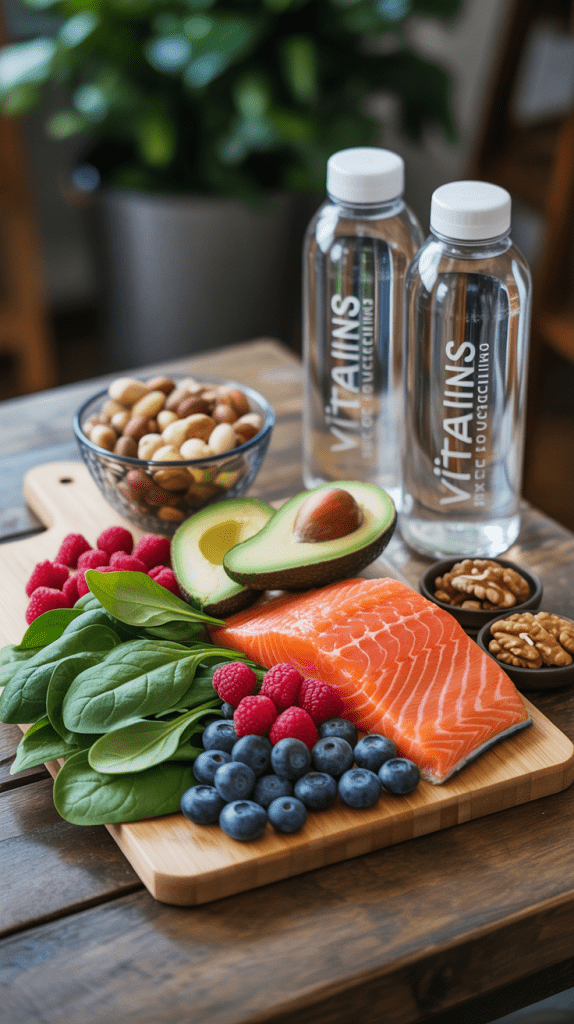
Internal health directly impacts the appearance and longevity of your natural hair color, making proper nutrition and hydration essential components of any comprehensive hair care strategy.
What you consume affects your hair from the inside out.
- Consume adequate protein (aim for 0.8-1 gram per kilogram of body weight) to support hair structure and color retention
- Include omega-3 fatty acids from sources like salmon, walnuts, and flaxseeds to promote scalp health
- Eat antioxidant-rich foods such as berries, leafy greens, and colorful vegetables to combat free radical damage
- Ensure sufficient iron intake through lean meats, spinach, and legumes to prevent hair color dulling
- Stay hydrated by drinking at least 8 glasses of water daily to maintain hair moisture and elasticity
- Include biotin and B-vitamin rich foods like eggs, avocados, and sweet potatoes for optimal hair health
- Consider supplements like collagen, vitamin D, and zinc after consulting with a healthcare provider
- Limit processed foods and excessive sugar intake that can negatively impact hair health and color vibrancy
6. Heat Styling Safety and Color Preservation
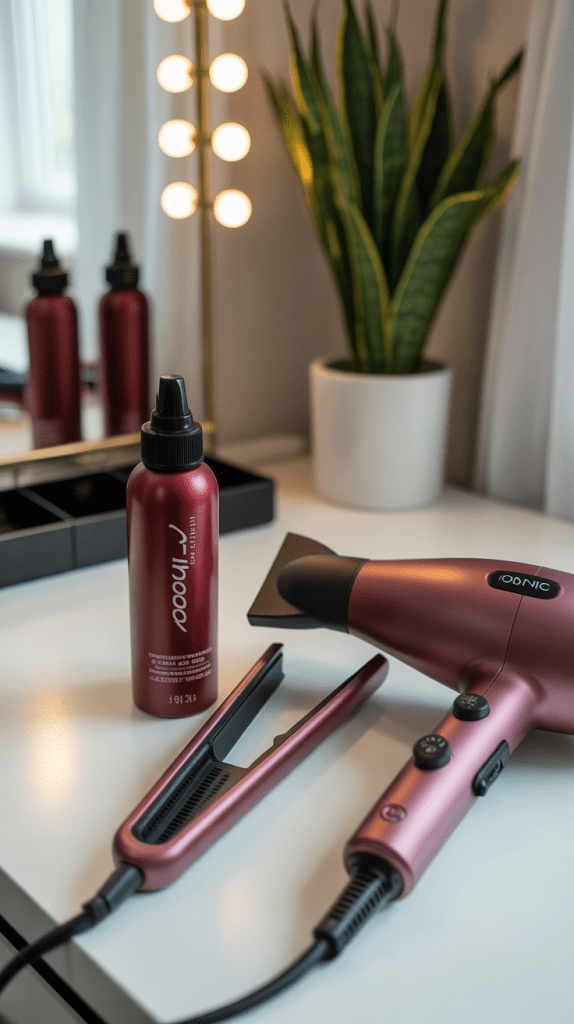
Heat styling tools can significantly damage naturally colored hair when used improperly, leading to color fading, dryness, and structural damage.
Learning safe heat styling techniques protects your hair while still allowing you to achieve your desired looks.
- Always apply a heat protectant product before using any heated styling tools to create a protective barrier
- Use tools with adjustable temperature settings and keep them below 350°F (175°C) for colored hair
- Allow hair to air dry partially before using blow dryers to minimize heat exposure time
- Choose ceramic or tourmaline tools that distribute heat more evenly and reduce damage risk
- Use the lowest effective temperature setting for your hair type and desired style
- Limit heat styling to 2-3 times per week maximum to prevent cumulative damage
- Consider alternative styling methods like braiding, twisting, or using foam rollers for heat-free looks
- Replace old styling tools that may have uneven heat distribution or poor temperature control
7. Natural Hair Masks and Treatments
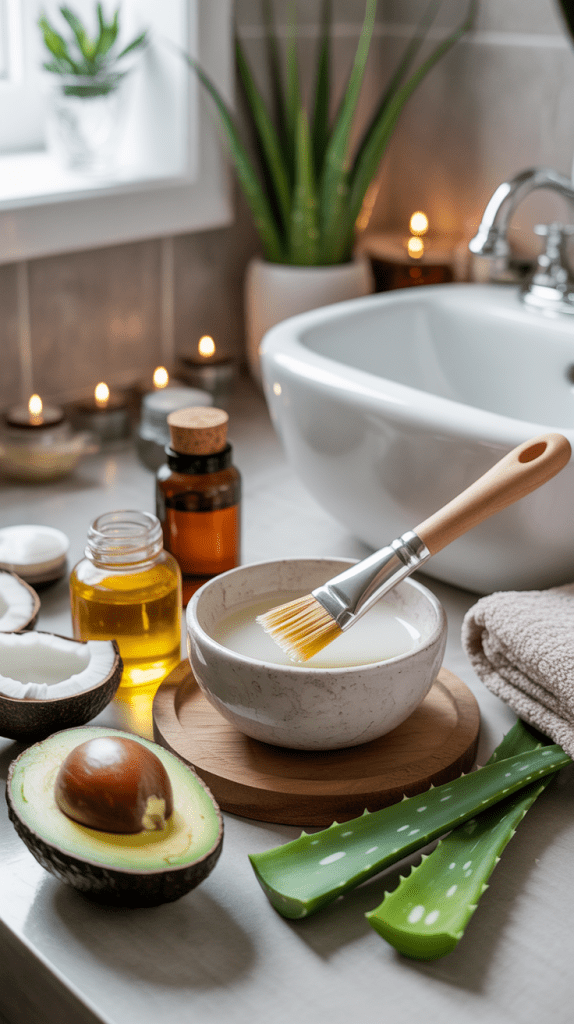
Incorporating regular deep conditioning treatments and natural hair masks into your routine provides intensive nourishment that helps maintain your natural color’s vibrancy and your hair’s overall health.
These treatments address specific needs and repair damage.
- Create weekly deep conditioning treatments using natural ingredients like avocado, honey, and coconut oil
- Apply protein treatments monthly if your hair shows signs of weakness or excessive stretching
- Use clarifying treatments occasionally to remove product buildup that can dull natural color
- Try overnight oil treatments with argan or jojoba oil for extremely dry or damaged hair
- Apply treatments primarily to the mid-lengths and ends, avoiding the scalp area
- Leave masks on for the recommended time – typically 15-30 minutes for optimal absorption
- Rinse thoroughly with cool water to seal the hair cuticle and lock in treatment benefits
- Adjust treatment frequency based on your hair’s specific needs and response
8. Professional vs. At-Home Care Options
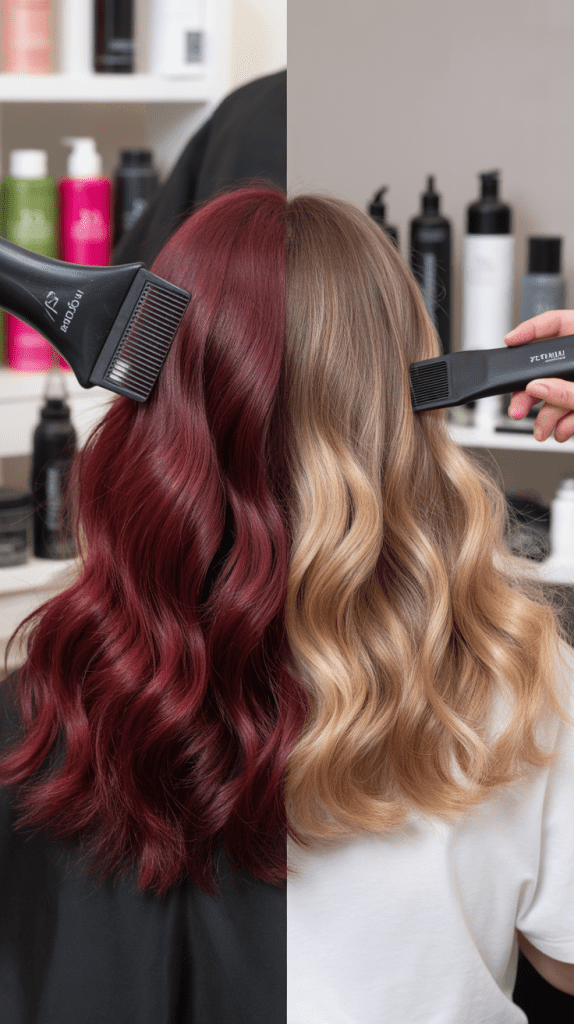
Balancing professional salon treatments with effective at-home care maximizes your hair’s health and color protection while managing costs and convenience.
Understanding when to seek professional help ensures optimal results.
- Schedule professional deep conditioning treatments every 6-8 weeks for optimal hair health
- Consult with colorists about protective treatments that enhance your natural color
- Invest in salon-quality at-home products for daily maintenance between professional visits
- Learn proper application techniques from professionals to maximize at-home treatment effectiveness
- Seek professional help for major color concerns or significant damage repair
- Use at-home treatments consistently to maintain results between salon appointments
- Keep a hair care journal to track what products and treatments work best for your hair
- Budget appropriately for both professional services and quality at-home maintenance products
9. Common Mistakes to Avoid

Understanding and avoiding common hair care mistakes prevents unnecessary damage to your naturally colored hair and helps maintain its beauty and health.
Many people unknowingly damage their hair through well-intentioned but misguided practices.
- Never brush wet hair aggressively, as wet hair is more fragile and prone to breakage
- Avoid using hot water for washing, which opens the hair cuticle and allows color to escape
- Don’t skip heat protectant products when using styling tools, regardless of the temperature setting
- Resist the urge to wash your hair daily, which strips natural protective oils
- Avoid rubbing your hair with rough towels; instead, gently squeeze out excess water
- Don’t ignore the importance of regular trims, which prevent split ends from traveling up the hair shaft
- Never apply conditioner to your scalp, which can weigh down hair and cause buildup
- Avoid sleeping with wet hair, which can lead to breakage and fungal growth
10. Long-term Color Maintenance Strategies
Developing and implementing long-term strategies for color maintenance ensures your naturally colored hair remains vibrant and healthy throughout the changing seasons and years.
Consistency and adaptation are key to lasting results.
- Create a seasonal hair care schedule that adjusts for changing environmental conditions
- Track your hair’s response to different products and treatments in a hair care journal
- Rotate between different masks and treatments to address varying hair needs
- Plan regular professional consultations to assess hair health and adjust your routine
- Build a collection of quality products that work well for your specific hair type and color
- Set realistic expectations and celebrate gradual improvements rather than expecting overnight changes
- Stay informed about new hair care technologies and techniques through reputable sources
- Maintain consistency in your routine while remaining flexible enough to adapt as needed
Conclusion
How to protect naturally colored hair requires dedication, knowledge, and the right approach tailored to your unique hair needs.
By implementing the comprehensive strategies outlined in this guide – from understanding your hair’s structure to choosing appropriate products, protecting against environmental damage, maintaining proper nutrition, and avoiding common mistakes – you can preserve and enhance your natural color’s beauty for years to come.
Remember that healthy hair care is a journey, not a destination, and the consistent application of these protective measures will reward you with vibrant, strong, and naturally beautiful hair that reflects your commitment to proper care.
