

Winter doesn’t have to mean putting your hair lightening goals on hold.
While the sun’s natural bleaching power may be weaker during colder months, there are numerous safe and effective natural methods to achieve lighter, brighter hair without harsh chemicals.
This comprehensive guide on “How to Get Lighter Hair in Winter Naturally” reveals time-tested techniques using ingredients you likely already have at home.
From honey and lemon treatments to chamomile rinses and apple cider vinegar methods, you’ll discover gentle alternatives that work even when sunshine is scarce.
These natural approaches not only lighten your hair gradually but also improve its overall health and shine.
This article explores eight proven natural hair lightening methods specifically adapted for winter use.
You’ll learn about indoor techniques that don’t rely on sunlight, protective measures to maintain hair health during the lightening process, and realistic expectations for natural results.
Whether you want subtle highlights or overall lighter tones, these methods provide safe alternatives to salon treatments while nourishing your hair throughout the winter months.
1. Honey and Cinnamon Hair Lightening Treatment
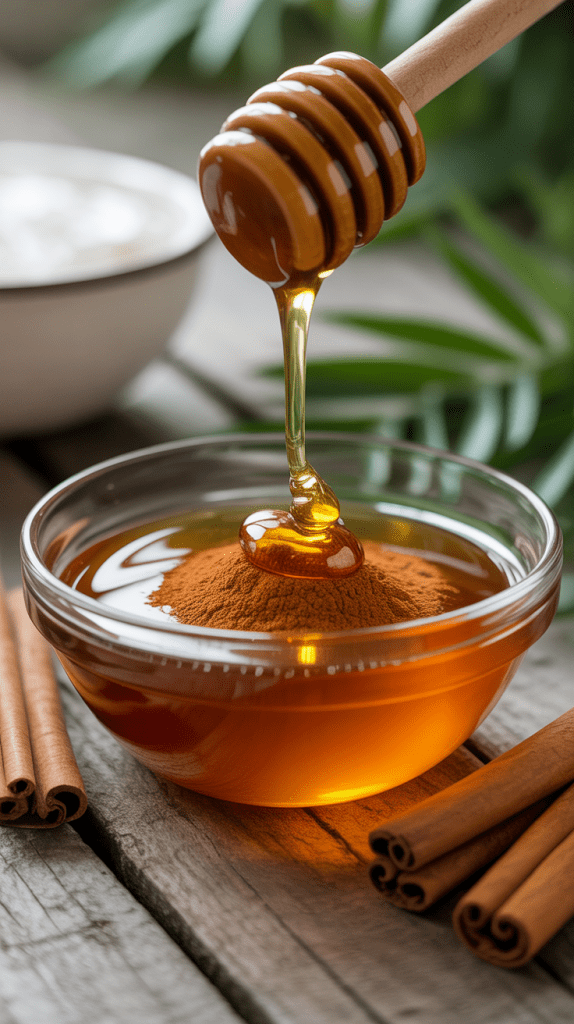
Honey contains natural enzymes that produce hydrogen peroxide when mixed with distilled water, making it an excellent gentle bleaching agent for winter hair lightening.
Cinnamon enhances this effect while adding warmth and improving circulation to the scalp.
- Raw honey mixed with distilled water releases glucose oxidase enzymes that create mild hydrogen peroxide naturally
- Cinnamon powder contains natural bleaching compounds that work synergistically with honey to lighten hair
- This treatment works best on virgin hair that hasn’t been chemically processed or dyed recently
- Mix four tablespoons of raw honey with two tablespoons of cinnamon powder and enough distilled water to create a paste
- Apply the mixture to damp hair from roots to ends, ensuring complete coverage for even lightening
- Cover hair with a plastic cap or shower cap and leave the treatment on for 3-4 hours or overnight
- Rinse thoroughly with lukewarm water and follow with a moisturizing conditioner to prevent dryness
- Repeat this treatment once or twice weekly for gradual, natural-looking results over 4-6 weeks
2. Lemon Juice and Coconut Oil Method
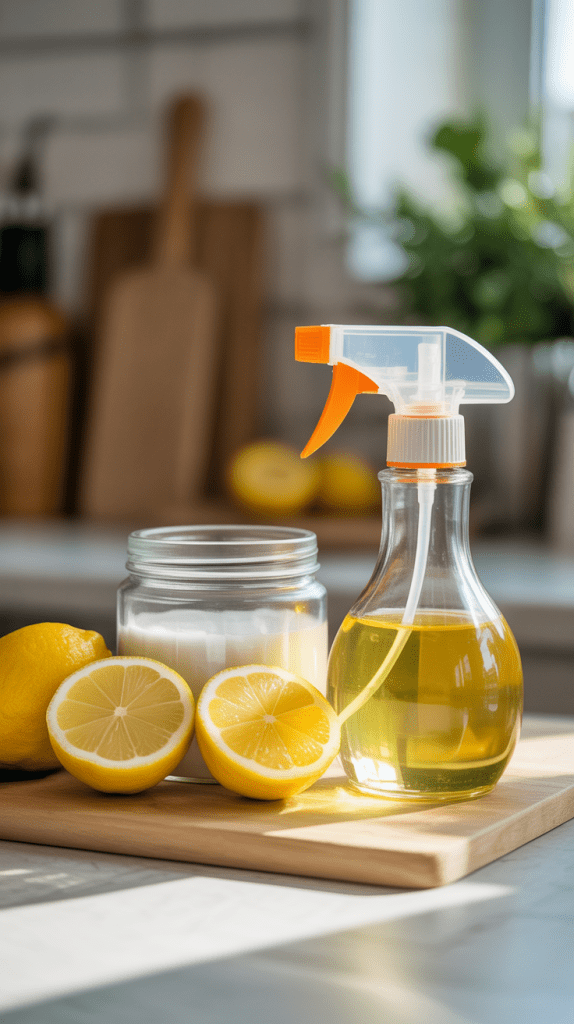
Lemon juice is one of the most potent natural hair lighteners due to its high citric acid content, while coconut oil provides essential moisture and protection during the lightening process.
This combination works effectively indoors without requiring direct sunlight.
- Citric acid in fresh lemon juice breaks down melanin pigments in hair naturally and safely
- Virgin coconut oil penetrates the hair shaft to prevent dryness and damage during the lightening process
- This method works on all hair colors but shows most dramatic results on light to medium brown hair
- Combine fresh juice from 2-3 lemons with 3 tablespoons of melted coconut oil in a spray bottle
- Spray the mixture evenly throughout damp hair, focusing on areas you want to lighten most
- Comb through hair with a wide-tooth comb to ensure even distribution of the lightening mixture
- Sit near a sunny window or under a lamp with UV bulbs for 1-2 hours to activate the lightening process
- Rinse with cool water and apply a deep conditioning treatment to restore moisture balance
- Use this treatment 2-3 times per week for best results while monitoring hair condition closely
3. Chamomile Tea Rinse for Gradual Lightening
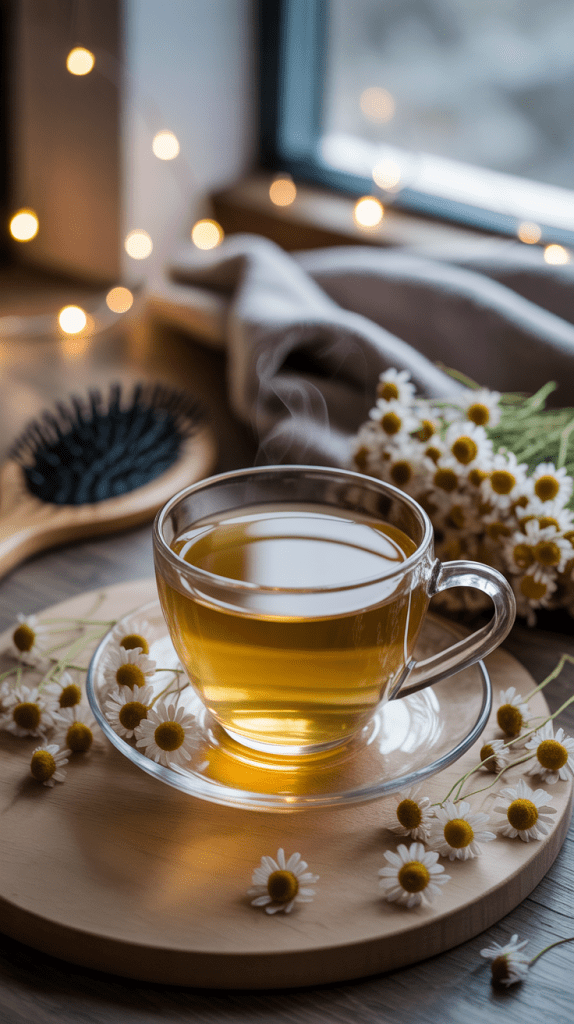
Chamomile contains natural compounds called apigenin and luteolin that gently lighten hair over time while adding beautiful golden highlights.
This method is particularly gentle and suitable for sensitive scalps and damaged hair.
- Apigenin in chamomile flowers has natural bleaching properties that work gradually without damaging hair structure
- This method adds subtle golden tones and highlights that look particularly natural on blonde and light brown hair
- Chamomile tea rinses also soothe irritated scalps and add shine to dull winter hair
- Brew 6-8 chamomile tea bags in 2 cups of boiling water and let steep for 30-45 minutes until very strong
- Allow the tea to cool to room temperature before using as a final rinse after shampooing
- Pour the cooled chamomile tea slowly through hair, ensuring it saturates from roots to ends completely
- Do not rinse out the chamomile tea – leave it in hair and style as usual for maximum lightening effect
- Massage any remaining tea into scalp to promote circulation and enhance the lightening process
- Use this rinse after every shampoo session for cumulative lightening effects over 6-8 weeks
4. Apple Cider Vinegar and Baking Soda Treatment
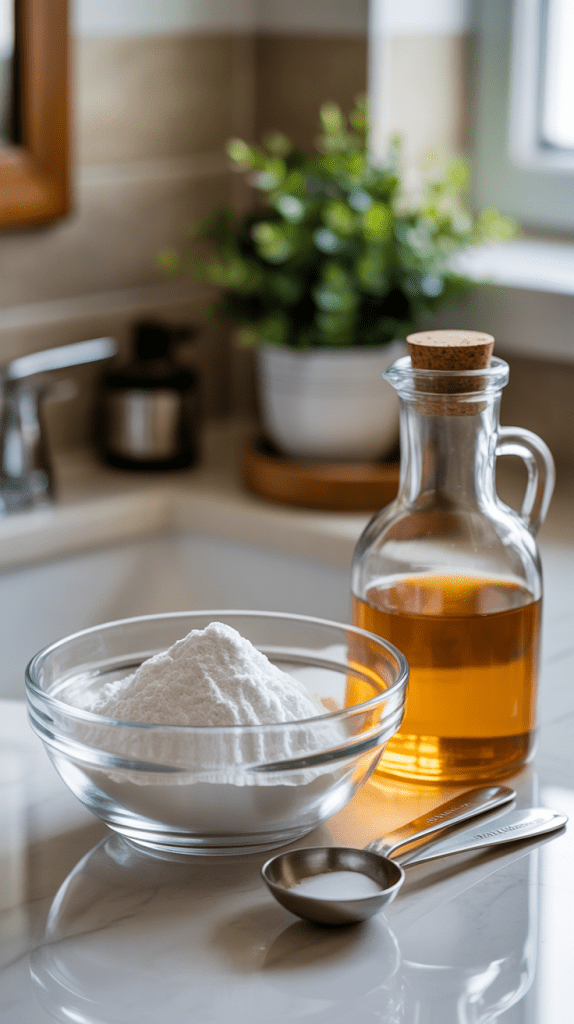
Apple cider vinegar combined with baking soda creates a natural lightening reaction that removes buildup while gently lifting color from hair.
This method also balances hair pH and adds incredible shine.
- The acetic acid in apple cider vinegar opens hair cuticles allowing for better penetration of lightening agents
- Baking soda acts as a gentle abrasive that removes color deposits and buildup that can make hair appear darker
- This combination restores hair’s natural pH balance while providing gradual lightening effects
- Mix 2 tablespoons of baking soda with 1 cup of apple cider vinegar until fizzing stops completely
- Apply the mixture to wet hair, working it through from roots to ends with gentle massage motions
- Focus extra attention on areas where you want more lightening or where buildup is heaviest
- Leave the treatment on hair for 15-20 minutes before rinsing thoroughly with cool water
- Follow immediately with a deep conditioning treatment as this method can be slightly drying
- Use this treatment once weekly to avoid over-processing or damaging hair with excessive alkalinity
5. Rhubarb Root Natural Hair Lightener
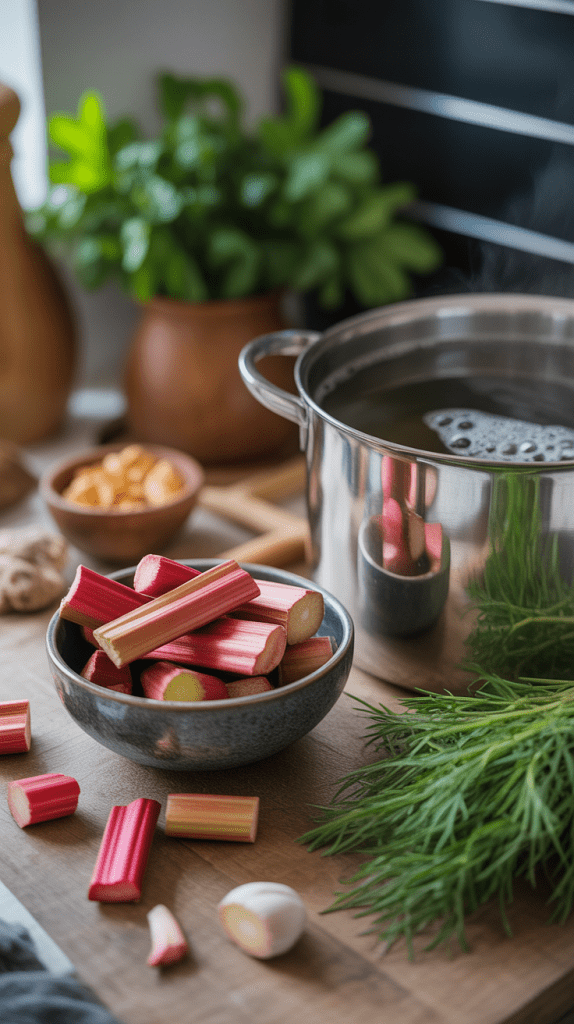
Rhubarb root contains natural oxalic acid and tannins that create beautiful golden highlights and overall lightening effects.
This lesser-known method has been used for centuries and works exceptionally well during winter months.
- Oxalic acid in rhubarb root gently bleaches hair while tannins add beautiful golden undertones
- This method works particularly well on dark blonde and light brown hair colors
- Rhubarb root lightening treatment also adds volume and body to fine or limp hair
- Simmer 1/4 cup of dried rhubarb root in 2 cups of water for 20 minutes to create a strong decoction
- Strain out all plant material and allow the liquid to cool to a comfortable temperature
- Apply the rhubarb mixture to clean, damp hair and comb through for even distribution
- Wrap hair in a towel or plastic wrap and leave the treatment on for 45 minutes to 1 hour
- Rinse thoroughly with cool water and follow with a moisturizing conditioner to seal the cuticle
- Repeat this treatment twice weekly for 4-6 weeks to achieve noticeable lightening results
6. Vitamin C and Shampoo Mixture
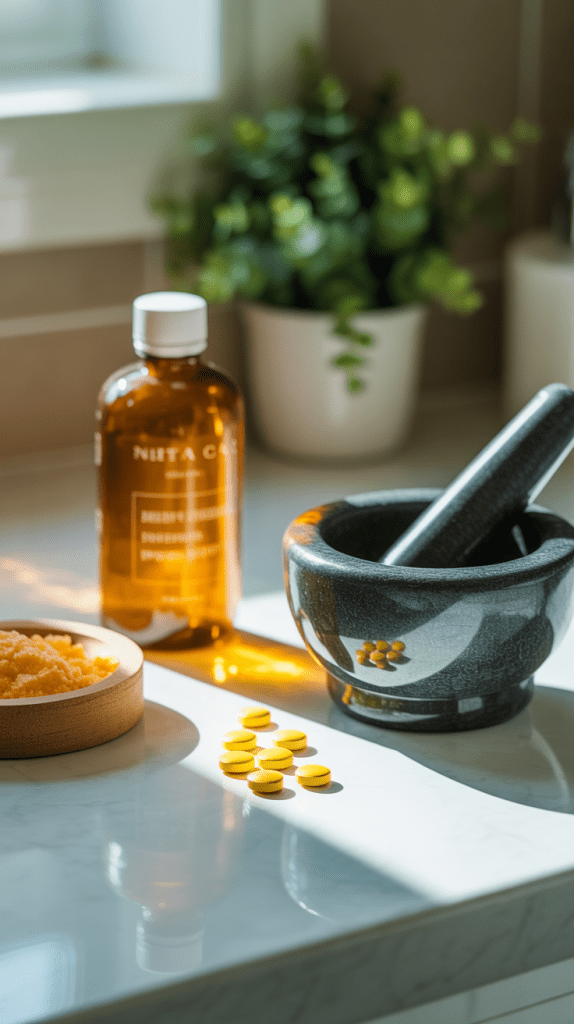
Vitamin C tablets contain ascorbic acid that effectively removes artificial color buildup and lightens hair naturally.
This method is particularly effective for removing brassiness and unwanted tones from previously colored hair.
- Ascorbic acid in vitamin C breaks down oxidized color molecules that make hair appear darker or brassy
- This method works exceptionally well for removing chlorine buildup and mineral deposits from winter indoor heating
- Vitamin C treatments also add antioxidant protection to hair and promote healthy growth
- Crush 10-15 vitamin C tablets into fine powder using a mortar and pestle or pill crusher
- Mix the vitamin C powder with enough clarifying shampoo to create a thick, spreadable paste
- Apply the mixture to wet hair, working it into a rich lather from roots to ends
- Allow the mixture to sit on hair for 5-10 minutes before rinsing thoroughly with warm water
- Follow with a deep conditioning treatment as vitamin C can be drying to hair
- Use this treatment once or twice monthly for gradual color removal and natural lightening
7. Salt Water and Sun Simulation Treatment
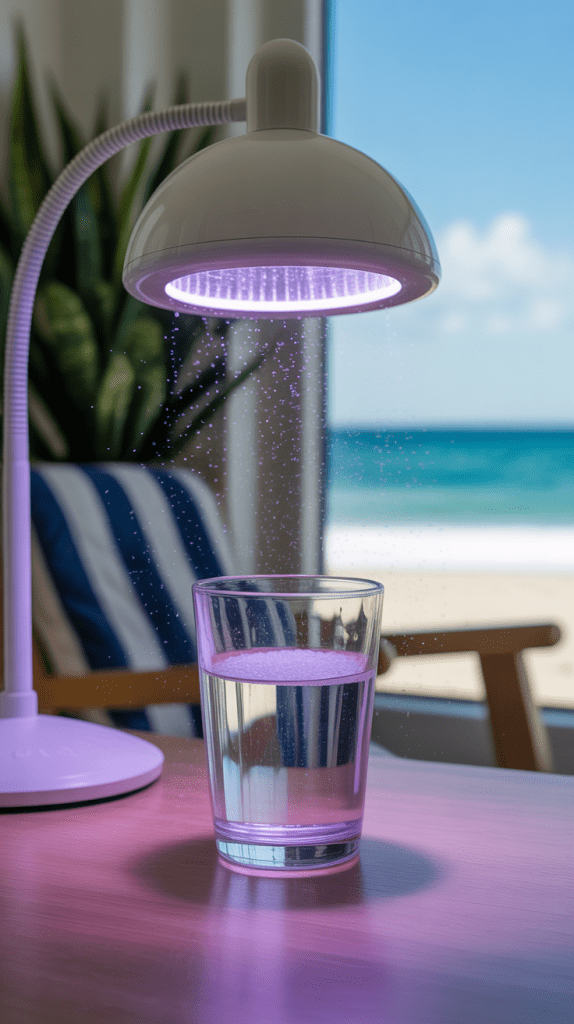
Salt water naturally lightens hair by breaking down color molecules, while creating artificial sun exposure indoors can enhance the lightening process during winter months when natural sunlight is limited.
- Sea salt creates a natural bleaching environment that mimics the lightening effects of ocean water
- UV lamps can substitute for natural sunlight to activate lightening agents during winter months
- This method adds texture and beachy waves while gradually lightening hair color
- Dissolve 2 tablespoons of sea salt in 1 cup of warm water until completely dissolved
- Spray the salt solution onto damp hair, scrunching to encourage natural wave formation
- Position yourself under a UV lamp or in front of the strongest natural light source available
- Allow hair to air dry naturally while exposed to the light source for maximum lightening effect
- The salt will continue working as hair dries, so avoid rinsing immediately after treatment
- Follow with a moisturizing hair mask once hair is completely dry to prevent salt damage
- Limit this treatment to once weekly as salt can be drying and potentially damaging with overuse
8. Hydrogen Peroxide and Baking Soda Professional-Grade Treatment
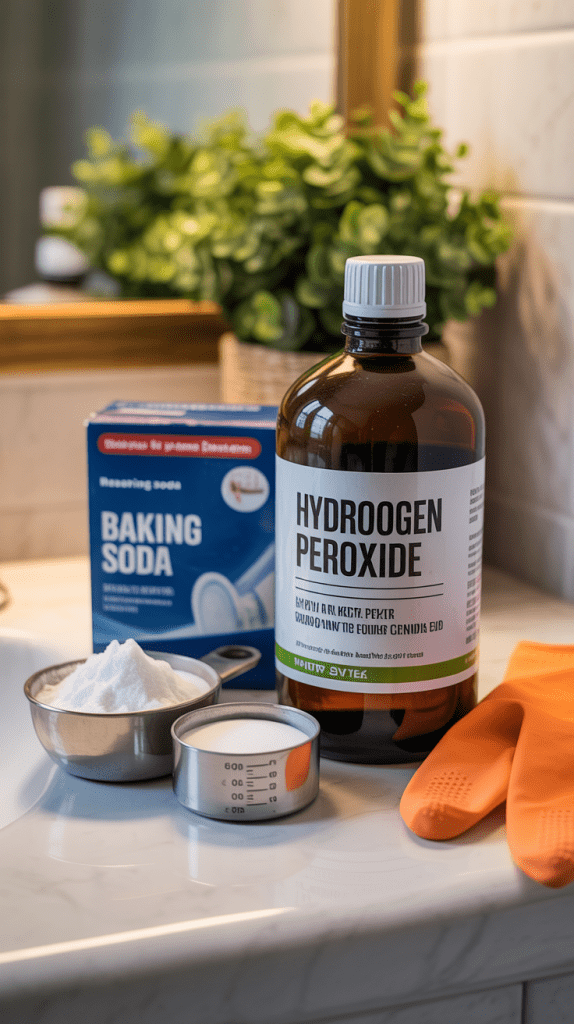
Food-grade hydrogen peroxide combined with baking soda creates the most potent natural hair lightening treatment available for home use.
This method requires careful application but produces the most dramatic results.
- Food-grade hydrogen peroxide (3% concentration) provides professional-level lightening power safely at home
- Baking soda opens hair cuticles and enhances the penetration of hydrogen peroxide for maximum effectiveness
- This treatment can lighten hair by 2-4 shades but requires careful monitoring to prevent over-processing
- Always perform a strand test before applying this mixture to your entire head of hair
- Mix 1 tablespoon of 3% hydrogen peroxide with 2 tablespoons of baking soda until paste forms
- Apply to small sections of hair using a brush, avoiding contact with scalp to prevent irritation
- Check hair color every 10 minutes and rinse immediately when desired lightness is achieved
- Never leave this treatment on for more than 30 minutes to avoid severe hair damage
- Follow immediately with protein and moisture treatments to restore hair health and prevent breakage
9. Protective Measures and Aftercare for Natural Lightening
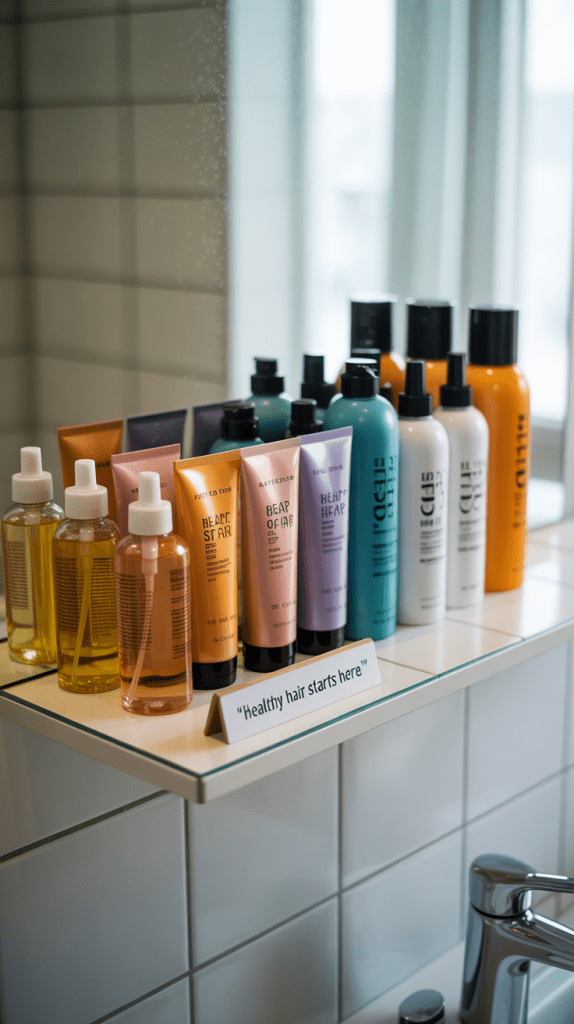
Natural hair lightening methods, while gentler than chemical alternatives, still require proper aftercare and protective measures to maintain hair health throughout the lightening process.
Understanding how to care for lightened hair prevents damage and ensures optimal results.
- Natural lightening treatments can temporarily weaken hair structure, making proper aftercare essential for maintaining hair integrity
- Deep conditioning treatments should be used after every lightening session to restore moisture balance
- Protein treatments help rebuild hair structure that may be compromised during the lightening process
- Apply a leave-in conditioner with UV protection to prevent further color fading from artificial light sources
- Sleep on silk or satin pillowcases to reduce friction and breakage on newly lightened hair
- Avoid heat styling tools for at least 48 hours after any lightening treatment to prevent additional damage
- Use a wide-tooth comb on wet hair to prevent breakage when detangling freshly treated hair
- Incorporate weekly hair masks containing ingredients like avocado, olive oil, or keratin for intensive repair
- Monitor hair condition closely and reduce treatment frequency if you notice excessive dryness or breakage
In conclusion, achieving lighter hair during winter months is entirely possible using safe, natural methods that work without relying on strong summer sunlight.
“How to Get Lighter Hair in Winter Naturally” encompasses a variety of gentle yet effective techniques that can transform your hair color while maintaining its health and integrity.
From honey and cinnamon treatments to chamomile rinses and vitamin C applications, these methods offer gradual, natural-looking results that enhance your hair’s beauty.
Remember that natural lightening is a gradual process that requires patience and consistency, but the results are worth the wait.
By following proper aftercare techniques and monitoring your hair’s condition throughout the process, you can successfully achieve the lighter hair color you desire while keeping your hair healthy and strong throughout the winter season.
