

Winter’s harsh conditions don’t have to spell disaster for your hair.
While cold temperatures, dry indoor heating, and biting winds can leave your locks brittle, frizzy, and lifeless, understanding how to protect your hair during winter can transform your seasonal hair care routine completely.
This comprehensive guide reveals proven strategies, professional techniques, and practical solutions that will keep your hair healthy, hydrated, and beautiful throughout the coldest months.
From adjusting your washing routine to selecting the right protective styles, you’ll discover everything needed to maintain gorgeous hair despite winter’s challenges.
In This Post......
- 1. Understanding Winter Hair Damage
- 2. Adjusting Your Washing Routine
- 3. Deep Conditioning and Moisturizing Treatments
- 4. Choosing Winter-Appropriate Hair Products
- 5. Protective Styling Techniques
- 6. Managing Indoor Heating Effects
- 7. Winter Scalp Care
- 8. Proper Hair Accessories and Protection
- 9. Professional Winter Hair Treatments
- 10. Daily Winter Hair Care Routine
1. Understanding Winter Hair Damage
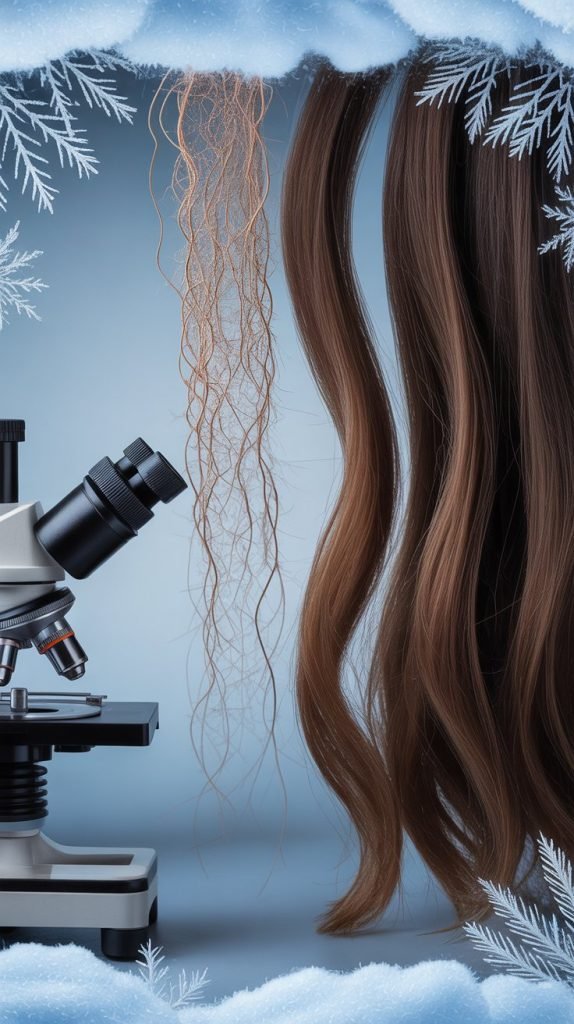
Winter weather creates unique challenges that directly impact hair health and appearance.
Cold air holds less moisture than warm air, creating an environment that strips natural oils from your hair shaft.
Indoor heating systems compound this problem by removing humidity from the air, creating a double assault on your hair’s moisture levels.
- Cold temperatures cause hair cuticles to contract and become raised, making strands more vulnerable to breakage
- Low humidity levels draw moisture from hair shafts, leading to dryness and static electricity
- Rapid temperature changes between indoor and outdoor environments shock hair follicles and disrupt natural oil production
- Wind exposure tangles hair and creates friction that damages the protective cuticle layer
- Heavy winter clothing and accessories create additional friction against hair strands
- Reduced oil production from scalp occurs naturally in colder months, providing less natural protection
2. Adjusting Your Washing Routine
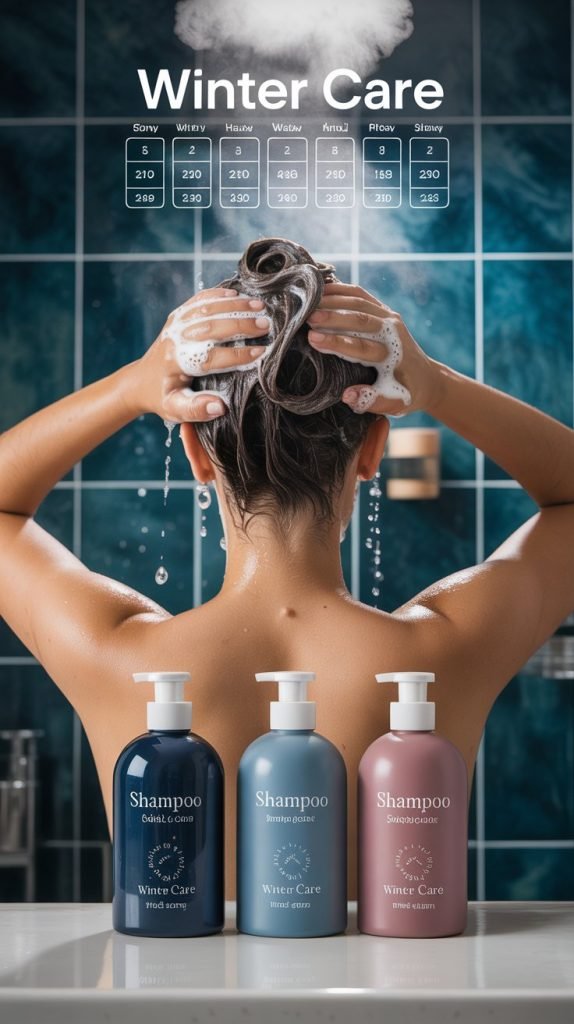
Winter hair care requires a fundamental shift in how frequently and thoroughly you cleanse your hair.
Overwashing during cold months strips away precious natural oils that your scalp produces in smaller quantities during winter.
- Reduce washing frequency to 2-3 times per week instead of daily washing
- Use lukewarm water instead of hot water to prevent further moisture loss from hair shafts
- Focus shampoo application primarily on the scalp rather than the entire length of hair
- Choose sulfate-free formulas that cleanse without stripping essential natural oils
- Extend time between washes by using dry shampoo to absorb excess oil and refresh roots
- Consider co-washing (conditioner-only washing) on alternate days to maintain moisture levels
- Rinse thoroughly to prevent product buildup that can weigh hair down in dry winter air
3. Deep Conditioning and Moisturizing Treatments
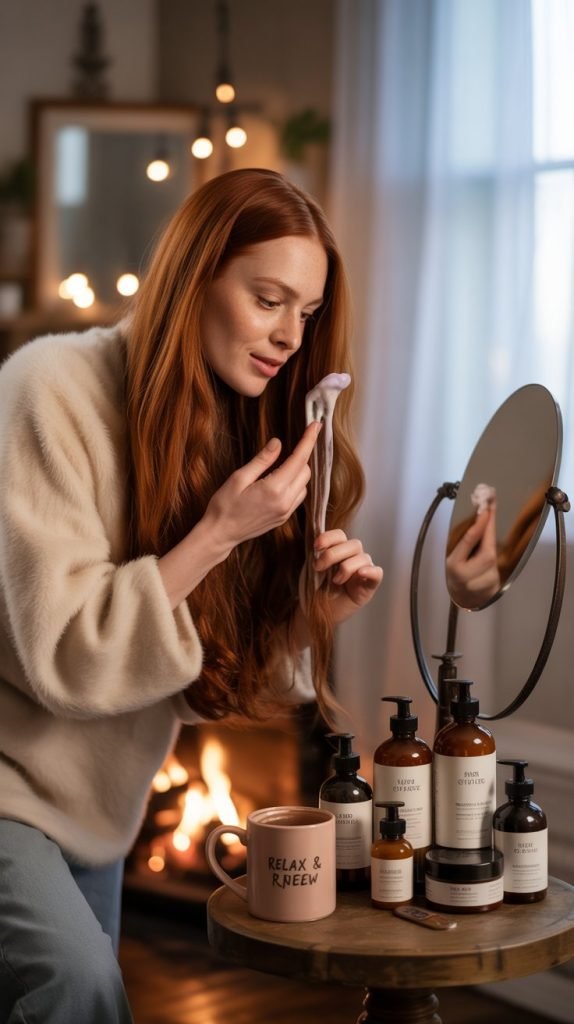
Intensive moisture treatments become essential during winter months when environmental factors constantly depleted hair’s natural hydration levels.
Regular deep conditioning repairs damage and creates a protective barrier against harsh winter elements.
- Apply deep conditioning masks weekly to replenish moisture and repair damaged cuticles
- Leave treatments on for 15-20 minutes longer than package directions suggest for maximum penetration
- Use protein treatments monthly to strengthen hair structure and prevent breakage
- Apply leave-in conditioners daily to maintain moisture levels between washes
- Focus intensive treatments on mid-lengths and ends where damage typically occurs most
- Heat treatments with a warm towel or heating cap enhance product absorption and effectiveness
- Natural oils like argan, coconut, or jojoba provide additional moisture and protection when applied to damp hair
4. Choosing Winter-Appropriate Hair Products
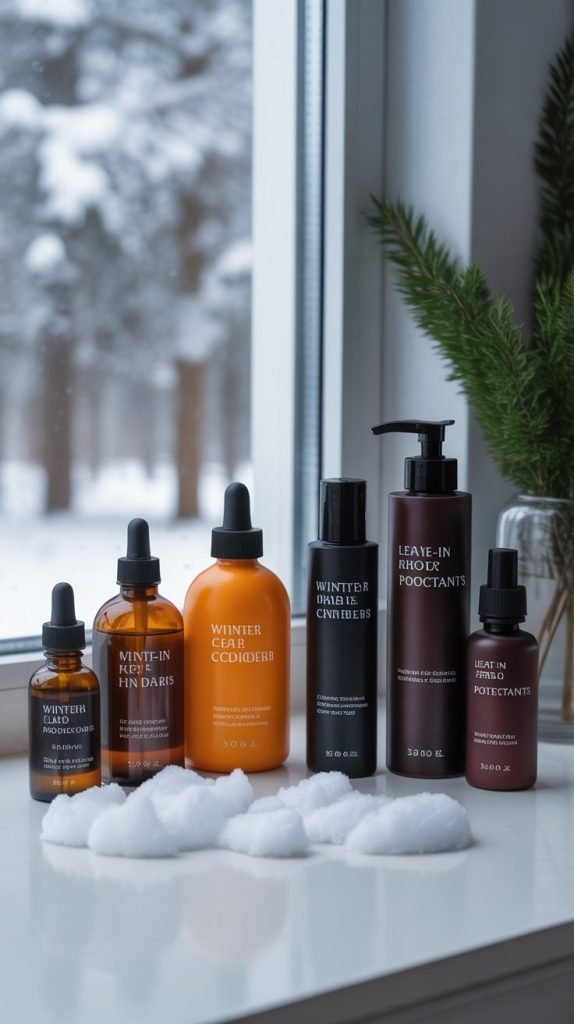
Product selection during winter requires careful consideration of ingredients that combat dryness while providing protection against environmental stressors.
The right product combination creates a comprehensive defense system for your hair.
- Avoid products containing high levels of alcohol which can dry hair further
- Choose cream-based styling products over gel-based formulas for added moisture
- Look for UV protection in leave-in products to shield from winter sun reflection off snow
- Select anti-static formulas to combat the dry air effects of indoor heating
- Use clarifying shampoos monthly to remove product buildup without over-stripping
- Invest in quality heat protectants when using styling tools during dry winter months
5. Protective Styling Techniques

Protective hairstyles shield hair from winter’s harsh elements while reducing manipulation that can lead to breakage.
These styles keep hair tucked away and minimize exposure to damaging environmental factors.
- Low buns and chignons keep hair ends protected while looking polished and professional
- Loose braids prevent tangling from wind while reducing friction from winter clothing
- Twist-outs and braid-outs provide texture while keeping hair in protective formations
- Silk or satin scarves worn under winter hats prevent friction and moisture loss
- Avoid tight ponytails and elastics that can cause breakage at stress points
- Sleep in protective styles using silk pillowcases or bonnets to maintain moisture overnight
- Change protective styles regularly to prevent stress on specific hair sections
6. Managing Indoor Heating Effects
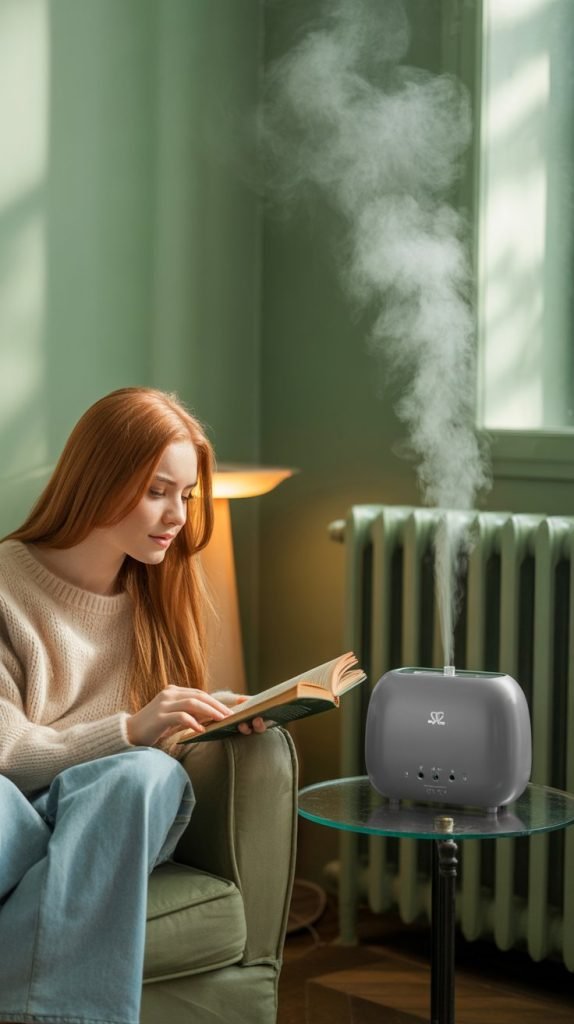
Central heating and space heaters create an artificially dry environment that continuously draws moisture from hair throughout winter months.
Counteracting these effects requires strategic environmental modifications and protective measures.
- Install humidifiers in bedrooms and main living areas to maintain optimal moisture levels
- Keep indoor humidity between 30-50% for optimal hair and scalp health
- Position yourself away from direct heat sources whenever possible
- Use overnight leave-in treatments to combat the drying effects of heated sleeping environments
- Place bowls of water near heating vents to add moisture to circulating air naturally
- Consider ionic air purifiers that can help maintain proper humidity levels
- Drink additional water to maintain internal hydration that supports healthy hair growth
7. Winter Scalp Care
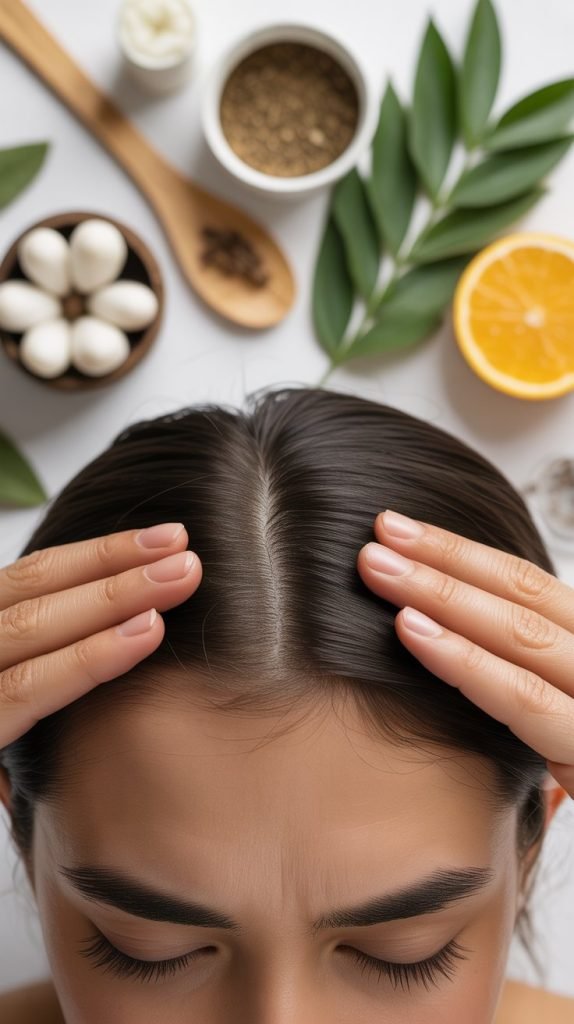
Scalp health forms the foundation of healthy hair, and winter conditions can disrupt the delicate balance of oil production, moisture levels, and cellular turnover.
Proper scalp care prevents dandruff, itching, and reduced hair growth.
- Massage scalp daily with fingertips to stimulate blood circulation and oil production
- Use gentle exfoliating scrubs weekly to remove dead skin cells and product buildup
- Apply lightweight oils like jojoba directly to scalp to combat dryness without clogging pores
- Avoid scratching irritated scalp areas which can lead to inflammation and damage
- Choose anti-dandruff shampoos with zinc pyrithione or ketoconazole for persistent flaking
- Limit the use of styling products directly on the scalp to prevent irritation
- Seek professional treatment for persistent scalp issues that don’t respond to home care
8. Proper Hair Accessories and Protection
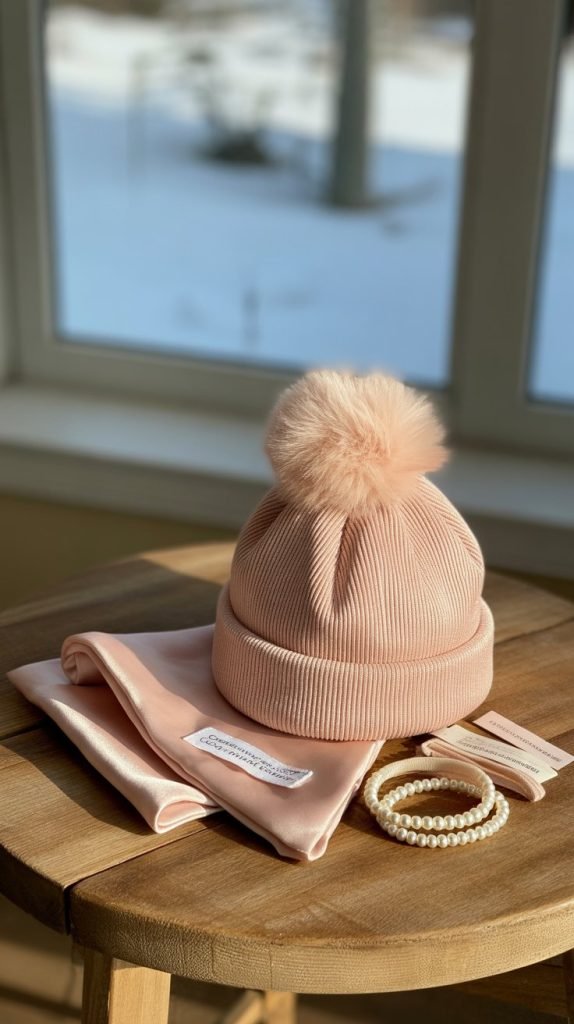
The right accessories provide essential protection against winter elements while preventing additional damage from friction and static electricity.
Quality protective gear makes a significant difference in maintaining hair health.
- Choose hats with silk or satin linings to prevent friction and static buildup
- Use snag-free hair ties made from silk or seamless materials
- Wrap hair in silk scarves before putting on wool hats or high-collared coats
- Avoid metal hair accessories that can conduct cold and damage hair shafts
- Select wide-tooth combs and natural bristle brushes to minimize breakage when detangling
- Carry travel-sized anti-static sprays for quick touch-ups throughout the day
- Invest in quality umbrella protection to shield hair from snow and freezing rain
9. Professional Winter Hair Treatments
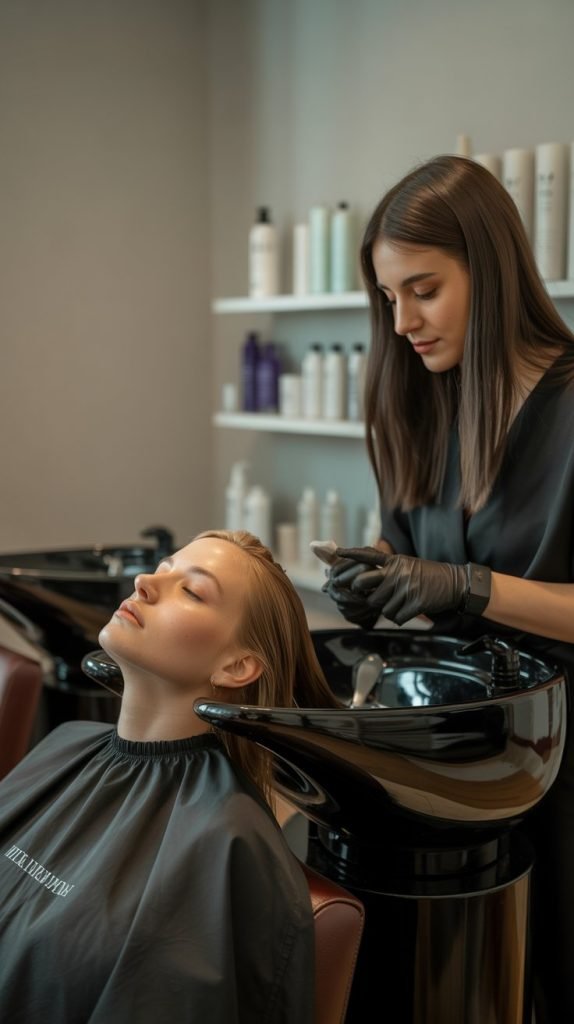
Professional treatments provide intensive care that surpasses at-home options, offering deep repair and protection that can last throughout the winter season.
These treatments address specific winter hair concerns with professional-grade products and techniques.
- Schedule monthly deep conditioning treatments with professional-grade products
- Consider keratin treatments to smooth cuticles and reduce frizz in dry winter air
- Get regular trims every 6-8 weeks to prevent split ends from traveling up hair shafts
- Professional scalp treatments address dandruff and dryness more effectively than home remedies
- Glossing treatments add protective coating and enhance shine diminished by winter conditions
- Consult with stylists about protective chemical processes that strengthen hair structure
- Professional blow-drying techniques minimize heat damage while maximizing protection
10. Daily Winter Hair Care Routine
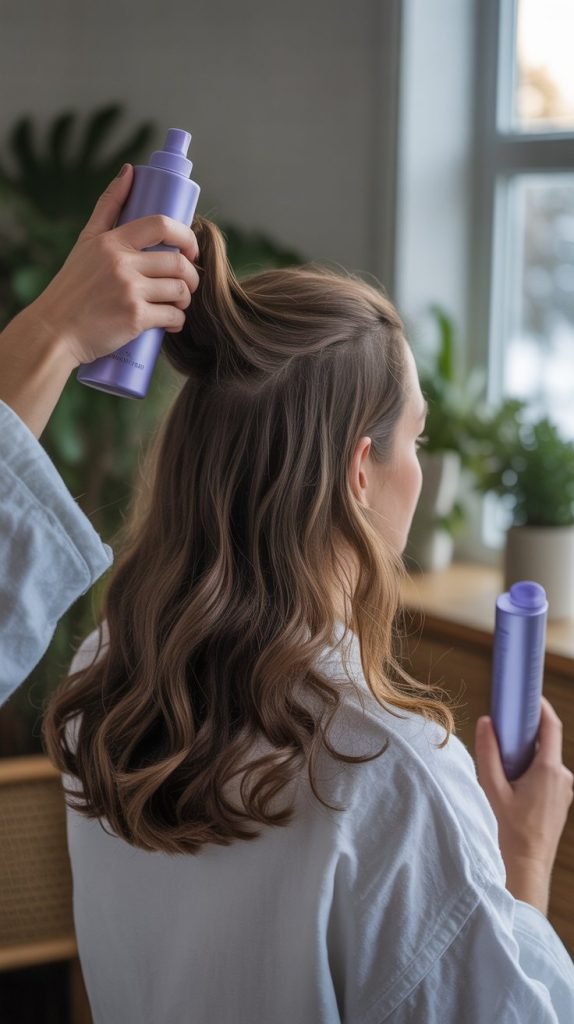
Establishing a consistent daily routine ensures continuous protection against winter’s damaging effects.
Small daily actions compound to create significant improvements in hair health and appearance throughout the season.
- Apply leave-in conditioner to damp hair every morning to create a protective barrier
- Use wide-tooth combs on wet hair and natural bristle brushes on dry hair to minimize breakage
- Limit heat styling to 2-3 times per week and always use thermal protection products
- Sleep on silk or satin pillowcases to reduce friction and moisture loss overnight
- Tie long hair loosely at night using silk scrunchies to prevent tangling
- Check and adjust indoor humidity levels daily using a hygrometer for optimal conditions
- Consume adequate water and nutrients to support healthy hair growth from within
Protecting your hair during winter doesn’t require expensive treatments or complicated routines – it demands consistency, the right products, and understanding your hair’s unique needs during harsh weather conditions.
By implementing these comprehensive strategies from “How to Protect Your Hair During Winter: A Complete Guide,” you can maintain healthy, beautiful hair throughout the coldest months.
Remember that prevention is always more effective than repair, so start these protective measures before winter damage occurs.
With proper care, your hair can emerge from winter stronger, shinier, and more resilient than when the season began, ready to flourish as warmer weather returns.
