

Managing low-porosity natural hair can feel like solving a complex puzzle, but understanding your hair’s unique characteristics is the key to unlocking its full potential.
This comprehensive guide to 25 Best Low-Porosity Natural Hair Care Tips and Styles will transform your hair care routine from frustrating to fulfilling by providing targeted solutions specifically designed for tightly sealed hair cuticles.
Low-porosity hair requires specialized techniques because its resistant cuticle layer makes it challenging for moisture to penetrate while simultaneously making it difficult for moisture to escape once inside.
This article covers everything from proper cleansing techniques and heat application methods to protein sensitivity management and styling approaches that work harmoniously with your hair’s natural resistance to moisture absorption.
You’ll discover how to identify your hair’s porosity level, master the art of moisture penetration, choose the right products, and create stunning styles that celebrate your hair’s unique characteristics while promoting optimal health and growth.
In This Post......
- 1. Understanding Your Hair’s Porosity Level
- 2. The Greenhouse Effect Technique
- 3. Clarifying Wash Routine
- 4. Heat-Activated Deep Conditioning
- 5. Lightweight Oil Selection
- 6. Protein-Conscious Product Selection
- 7. Steam Treatment Benefits
- 8. Cool Water Rinsing Technique
- 9. Humectant-Rich Product Application
- 10. Sectioning for Even Product Distribution
- 11. Low-Manipulation Styling Approaches
- 12. Proper Drying Techniques
- 13. pH-Balanced Product Selection
- 14. Strategic Heat Application
- 15. Overnight Treatment Methods
- 16. Moisture-Protein Balance Management
- 17. Seasonal Adjustment Strategies
- 18. Gentle Detangling Methods
- 19. Product Layering Techniques
- 20. Weekly Deep Treatment Routine
- 21. Edge Care Specifically for Low-Porosity Hair
- 22. Pre-Shampoo Treatment Benefits
- 23. Styling Product Adaptation
- 24. Environmental Protection Strategies
- 25. Long-Term Hair Health Monitoring
1. Understanding Your Hair’s Porosity Level
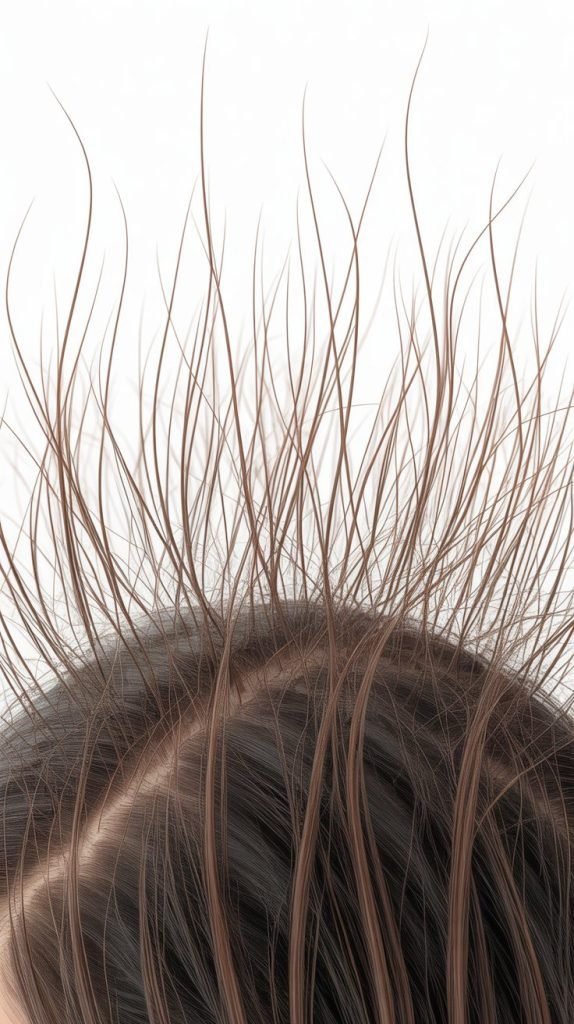
Understanding your hair’s porosity level forms the foundation of effective low-porosity hair care, as this characteristic determines how your hair absorbs and retains moisture.
Low-porosity hair features tightly closed cuticles that resist moisture penetration, making traditional hair care approaches less effective.
- Perform the float test by placing clean hair strands in a glass of water
- Low-porosity hair will float on the surface for extended periods
- Hair feels smooth when you run fingers from tip to root
- Products tend to sit on top of hair rather than absorbing quickly
- Hair takes longer to get wet during washing but also takes longer to dry
- Cuticles lie flat against the hair shaft, creating a smooth appearance
- Heat and steam help open cuticles temporarily for better product absorption
2. The Greenhouse Effect Technique
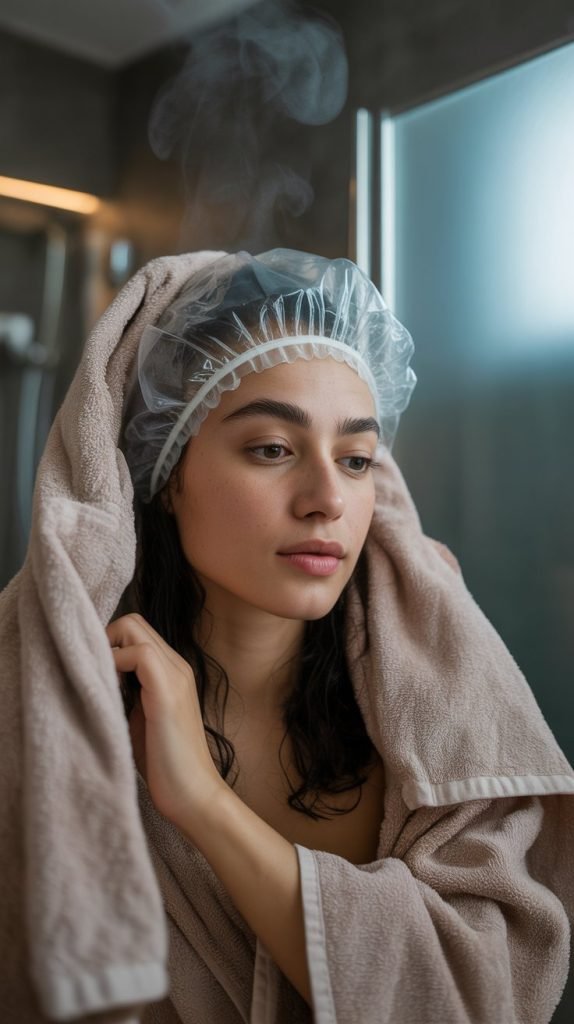
The greenhouse effect technique uses heat and humidity to temporarily lift low-porosity hair cuticles, allowing moisture and treatments to penetrate more effectively.
This method maximizes product absorption by creating optimal conditions for cuticle opening.
- Apply deep conditioning treatment to clean, damp hair
- Cover hair completely with plastic cap or shower cap
- Wrap warm, damp towel around the plastic cap
- Sit under hooded dryer or use blow dryer intermittently for heat
- Maintain warm temperature for 20-30 minutes for optimal penetration
- Steam from warm towel creates humidity that helps lift cuticles
- Remove cap and rinse thoroughly with cool water to seal cuticles
3. Clarifying Wash Routine

A proper clarifying wash routine removes product buildup that commonly affects low-porosity hair, ensuring that subsequent treatments can penetrate effectively.
This essential step prevents the accumulation of products that sit on tightly closed cuticles.
- Use clarifying shampoo once every 2-3 weeks to remove buildup
- Focus massage on scalp rather than hair length to avoid stripping
- Choose sulfate-based clarifiers for thorough cleansing when needed
- Follow immediately with deep conditioning treatment
- Pay attention to areas where products typically accumulate most
- Rinse with cool water to help seal cuticles after cleansing
- Monitor hair’s response to determine optimal clarifying frequency
4. Heat-Activated Deep Conditioning

Heat-activated deep conditioning utilizes controlled heat application to enhance moisture penetration in low-porosity hair, making this treatment significantly more effective than room-temperature applications.
- Choose protein-free deep conditioners to avoid overloading hair
- Apply generously to clean, damp hair from mid-length to ends
- Use hooded dryer on low heat for 15-20 minutes
- Alternatively, use blow dryer with diffuser attachment intermittently
- Steam treatments provide excellent results for stubborn cuticles
- Allow hair to cool completely before rinsing with lukewarm water
- Follow with cool water rinse to seal cuticles and lock in moisture
5. Lightweight Oil Selection

Selecting lightweight oils ensures that low-porosity hair receives moisture benefits without overwhelming the hair shaft with heavy products that cannot penetrate closed cuticles effectively.
- Choose oils with smaller molecular structure like jojoba and argan oil
- Avoid heavy oils like castor oil and shea butter in large quantities
- Apply oils to damp hair for better distribution and penetration
- Use oil treatments with heat for enhanced absorption
- Grapeseed oil works excellently for low-porosity hair types
- Sweet almond oil provides moisture without excessive weight
- Monitor hair response to determine optimal oil quantities
6. Protein-Conscious Product Selection

Protein-conscious product selection prevents protein overload in low-porosity hair, which is particularly susceptible to protein sensitivity due to its intact cuticle structure that doesn’t require excessive protein reinforcement.
- Read ingredient lists carefully to identify protein content
- Avoid products with hydrolyzed proteins, amino acids, and keratin
- Choose moisture-focused products over strengthening formulas
- Monitor hair texture changes that indicate protein overload
- Select products specifically formulated for low-porosity hair
- Opt for humectant-rich formulas that attract moisture
- Test new products on small sections before full application
7. Steam Treatment Benefits

Steam treatments provide exceptional benefits for low-porosity hair by using moist heat to gently lift cuticles, allowing for superior moisture and treatment penetration without harsh manipulation.
- Invest in handheld steamer for at-home treatments
- Section hair for even steam distribution throughout
- Apply leave-in conditioner before steaming for enhanced results
- Steam each section for 30-60 seconds depending on hair thickness
- Use steam treatments weekly for optimal moisture maintenance
- Combine steaming with deep conditioning for maximum benefits
- Allow hair to cool naturally after steaming before further styling
8. Cool Water Rinsing Technique

Cool water rinsing technique helps seal low-porosity hair cuticles after treatments, locking in moisture and creating smooth, shiny results while preventing moisture loss.
- Rinse conditioning treatments with lukewarm water first
- Follow with cool water rinse to seal cuticles completely
- Cold water helps flatten cuticles for increased shine
- Avoid hot water which can cause moisture loss in sealed hair
- Use cool water as final rinse in every wash routine
- Temperature contrast helps lock in treatment benefits
- Cool rinsing reduces frizz and increases manageability
9. Humectant-Rich Product Application

Humectant-rich product application utilizes ingredients that attract moisture from the environment, helping low-porosity hair maintain hydration levels despite its resistance to moisture absorption.
- Choose products containing glycerin, honey, and aloe vera
- Apply humectant products to damp hair for best results
- Layer lightweight humectants under heavier sealants
- Avoid humectants in extremely dry climates to prevent moisture loss
- Use humectant treatments during humid weather for enhanced benefits
- Monitor environmental humidity levels when using these products
- Combine humectants with gentle heat for improved absorption
10. Sectioning for Even Product Distribution

Sectioning for even product distribution ensures that all areas of low-porosity hair receive adequate treatment, preventing some sections from remaining untreated while others become oversaturated.
- Divide hair into 4-8 sections depending on density and length
- Use clips to keep sections separated during product application
- Apply products systematically to each section individually
- Ensure even distribution from roots to ends in each section
- Work products through sections with fingers or wide-tooth comb
- Smaller sections allow for more thorough product penetration
- Maintain organization throughout entire treatment process
11. Low-Manipulation Styling Approaches

Low-manipulation styling approaches minimize handling of low-porosity hair while creating beautiful styles, reducing the risk of disturbing sealed cuticles and maintaining moisture levels.
- Choose styles that can last multiple days without restyling
- Avoid excessive brushing, combing, and handling of hair
- Use fingers instead of tools when possible for styling
- Select protective styles that don’t require daily manipulation
- Focus on styles that work with natural hair texture
- Plan wash-and-go styles that minimize ongoing manipulation
- Protect styles during sleep with silk or satin coverings
12. Proper Drying Techniques

Proper drying techniques for low-porosity hair balance the need for moisture retention with the hair’s naturally slow drying process, preventing damage while achieving optimal results.
- Use microfiber towels or cotton t-shirts instead of regular towels
- Pat hair gently rather than rubbing to prevent frizz
- Allow hair to air dry when possible to prevent heat damage
- Use diffuser on low heat and speed when blow-drying is necessary
- Apply heat protectant products before any heat styling
- Avoid over-manipulation during the drying process
- Be patient with naturally slow drying time of low-porosity hair
13. pH-Balanced Product Selection

pH-balanced product selection maintains the optimal acidic environment that keeps low-porosity hair cuticles properly sealed while ensuring effective cleansing and conditioning.
- Choose products with pH levels between 4.5-5.5 for optimal results
- Avoid highly alkaline products that force cuticles open unnecessarily
- Use pH strips to test products if pH isn’t listed on packaging
- Apple cider vinegar rinses help restore proper pH balance
- Acidic products help maintain cuticle integrity in low-porosity hair
- Monitor hair response to different pH levels in products
- Research product pH levels before purchasing when possible
14. Strategic Heat Application
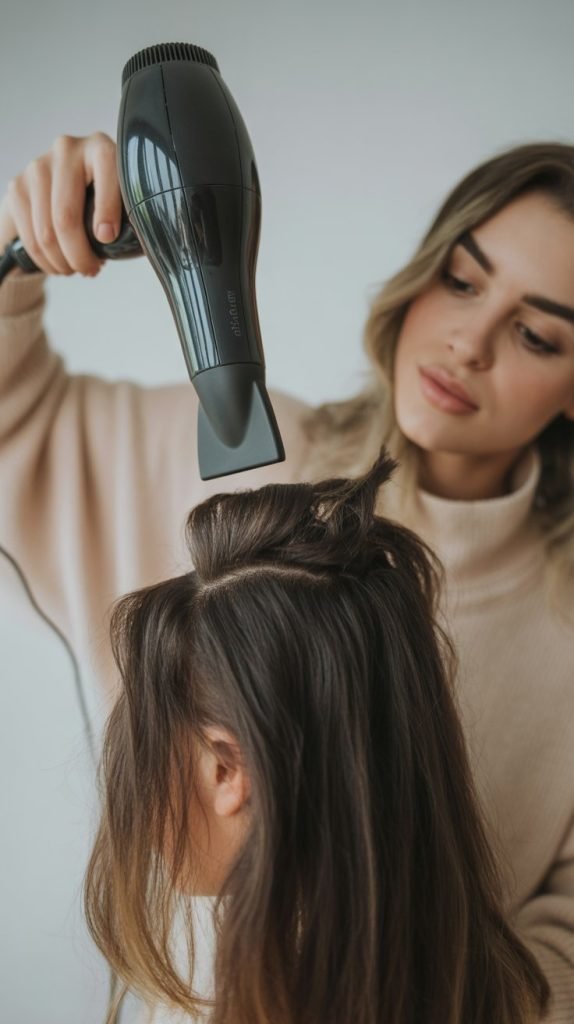
Strategic heat application uses controlled temperature to temporarily open low-porosity cuticles for treatment absorption while avoiding heat damage through careful timing and temperature control.
- Use low to medium heat settings to avoid cuticle damage
- Apply heat protectant products before any thermal styling
- Limit heat exposure time to prevent overdrying
- Use ceramic or ionic tools that distribute heat more evenly
- Combine heat with moisture for steam effect when possible
- Allow hair to cool completely before further manipulation
- Monitor hair condition closely when incorporating heat treatments
15. Overnight Treatment Methods
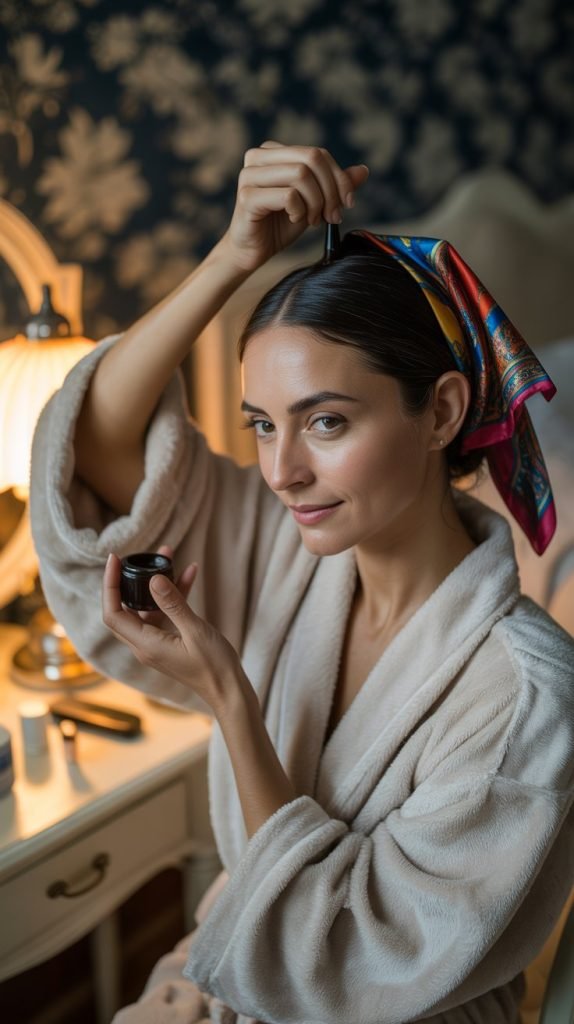
Overnight treatment methods maximize the time available for product penetration in low-porosity hair, allowing for deep conditioning and moisture absorption during sleep hours.
- Apply leave-in treatments to damp hair before bedtime
- Use silk or satin pillowcases to reduce friction during sleep
- Cover hair with silk scarf or bonnet to protect treatments
- Choose lightweight treatments that won’t cause buildup overnight
- Focus treatments on mid-lengths and ends rather than scalp
- Rinse hair in morning if treatment feels too heavy
- Establish consistent overnight treatment routine for best results
16. Moisture-Protein Balance Management
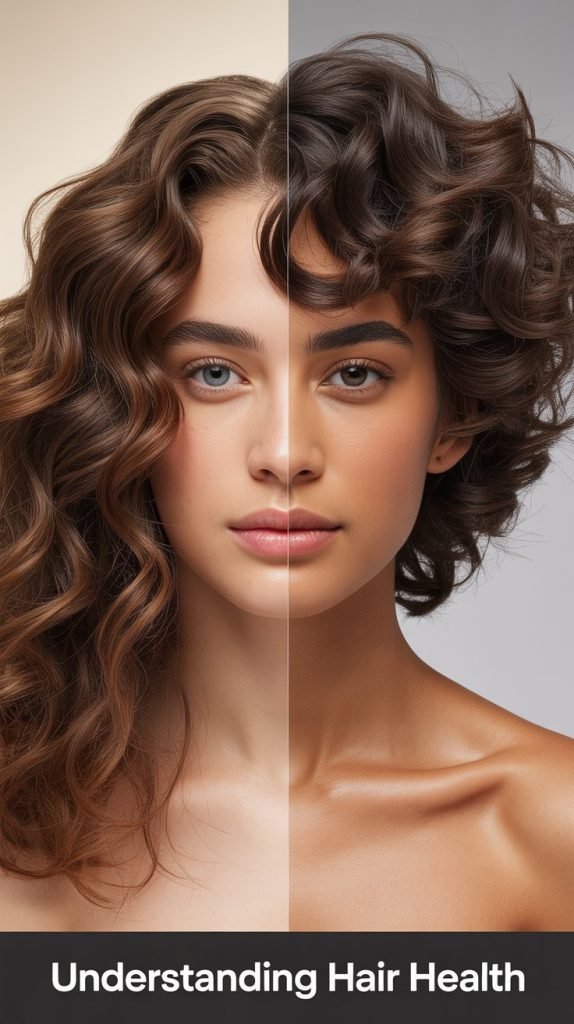
Moisture-protein balance management in low-porosity hair requires careful attention to signs of protein overload while ensuring adequate moisture levels for healthy hair maintenance.
- Monitor hair elasticity by gently stretching wet strands
- Healthy hair should stretch slightly then return to original length
- Protein overload causes hair to feel hard, brittle, and break easily
- Increase moisture treatments if hair feels stiff or crunchy
- Reduce protein products if hair shows signs of overload
- Perform strand tests regularly to assess balance
- Adjust routine based on seasonal changes and hair needs
17. Seasonal Adjustment Strategies

Seasonal adjustment strategies account for environmental changes that affect low-porosity hair differently throughout the year, requiring routine modifications for optimal hair health.
- Increase humectant use during humid summer months
- Reduce humectants during dry winter conditions
- Add heavier sealants during cold weather months
- Use lighter products during hot, humid conditions
- Adjust washing frequency based on seasonal needs
- Monitor hair response to environmental changes
- Prepare seasonal product rotations in advance
18. Gentle Detangling Methods

Gentle detangling methods preserve low-porosity hair’s sealed cuticle structure while removing knots and tangles without causing mechanical damage or disrupting moisture levels.
- Always detangle hair when wet and conditioned
- Start detangling from ends and work upward toward roots
- Use fingers or wide-tooth combs for initial detangling
- Apply generous amounts of conditioner or detangling product
- Work in small sections to prevent overwhelming tangles
- Take time and be patient with the detangling process
- Never force through tight tangles that could cause breakage
19. Product Layering Techniques

Product layering techniques for low-porosity hair involve strategic application of multiple products in specific order to maximize absorption while preventing buildup and weighing down the hair.
- Apply water-based products first to clean, damp hair
- Follow with cream-based products for moisture sealing
- Use oils sparingly as final layer to lock in moisture
- Allow each layer to absorb partially before adding next product
- Use smaller amounts of each product to prevent overloading
- Focus heavier products on mid-lengths and ends
- Monitor hair response to different layering combinations
20. Weekly Deep Treatment Routine

A weekly deep treatment routine provides consistent moisture and nourishment for low-porosity hair, establishing regular care patterns that support long-term hair health and manageability.
- Schedule same day each week for consistency
- Prepare hair with gentle clarifying if needed
- Apply protein-free deep conditioner with heat
- Use steam or hooded dryer for enhanced penetration
- Leave treatment on for 20-30 minutes minimum
- Rinse thoroughly and follow with cool water seal
- Document hair response to track improvement over time
21. Edge Care Specifically for Low-Porosity Hair

Edge care specifically for low-porosity hair addresses the unique needs of hairline areas that may be even more resistant to moisture and prone to product buildup.
- Use extra-light products on edges to prevent buildup
- Apply treatments with soft brush or fingertips gently
- Avoid heavy gels and pomades that can cause flaking
- Steam edges separately for better product absorption
- Massage scalp gently to stimulate circulation
- Choose water-based edge control products when possible
- Monitor edges closely for signs of thinning or damage
22. Pre-Shampoo Treatment Benefits

Pre-shampoo treatments protect low-porosity hair from the cleansing process while providing additional moisture and nourishment before the potentially drying effects of shampooing.
- Apply lightweight oils to hair 30 minutes before washing
- Focus application on mid-lengths and ends rather than scalp
- Use treatments that won’t interfere with cleansing effectiveness
- Choose oils that rinse clean without leaving residue
- Combine pre-shampoo treatments with gentle heat when possible
- Allow treatment time for absorption before shampooing
- Select treatments based on current hair condition and needs
23. Styling Product Adaptation

Styling product adaptation involves modifying application techniques and product choices to work effectively with low-porosity hair’s unique absorption characteristics and styling needs.
- Choose water-based styling products over heavy creams
- Apply styling products to very damp hair for better distribution
- Use smaller amounts of product than typically recommended
- Layer lightweight products instead of using heavy single products
- Warm products between palms before application
- Focus styling products on areas that need most definition
- Adjust product amounts based on hair length and density
24. Environmental Protection Strategies
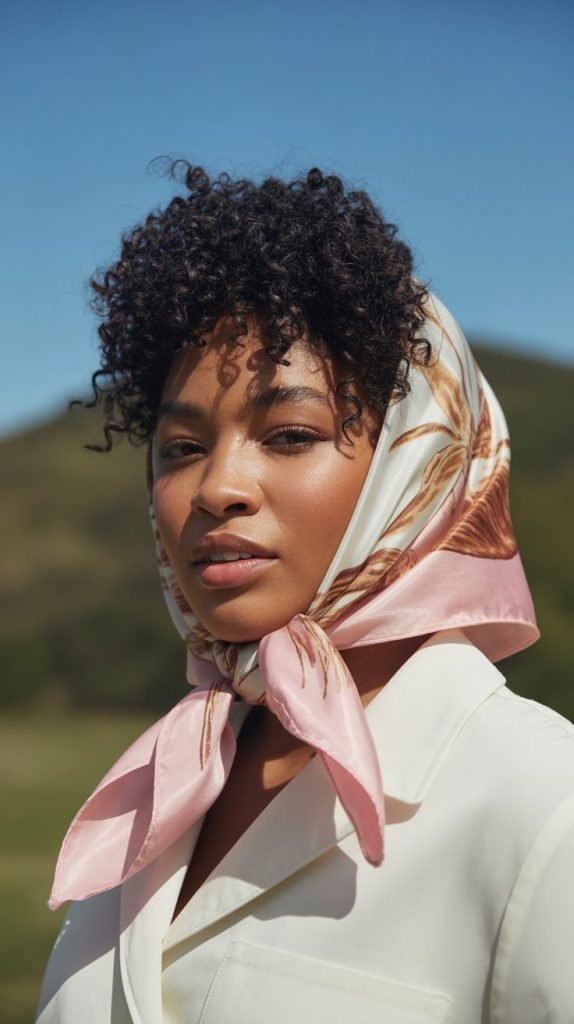
Environmental protection strategies shield low-porosity hair from harsh weather conditions, pollution, and other environmental factors that can affect hair health and moisture levels.
- Use UV protection products when spending time outdoors
- Cover hair during windy conditions to prevent tangles
- Protect hair from chlorine and salt water with pre-swimming treatments
- Use humidity-appropriate products based on weather conditions
- Shield hair from extreme temperatures with protective coverings
- Rinse hair after exposure to harsh environmental conditions
- Adjust routine based on climate and seasonal environmental factors
25. Long-Term Hair Health Monitoring
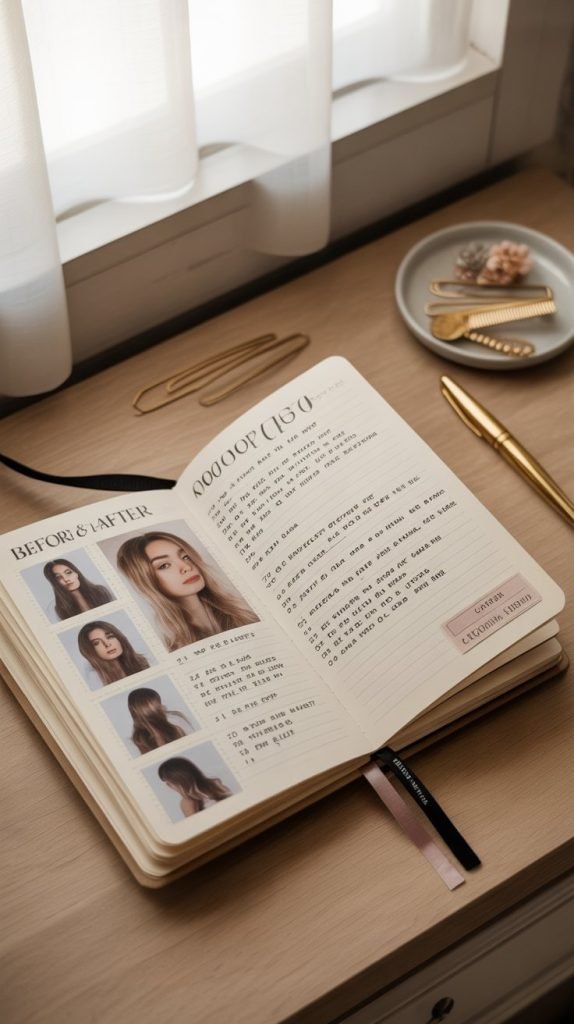
Long-term hair health monitoring involves tracking changes in low-porosity hair condition over time, adjusting routines based on hair response, and maintaining optimal health through consistent observation.
- Take regular photos to document hair length and condition changes
- Keep detailed notes about product responses and routine effectiveness
- Monitor hair elasticity, shine, and manageability over time
- Track seasonal changes and adjust routines accordingly
- Note which treatments provide best results for future reference
- Document any negative reactions to avoid problematic products
- Celebrate progress and adjust goals based on hair improvement
This comprehensive exploration of 25 Best Low-Porosity Natural Hair Care Tips and Styles demonstrates that understanding your hair’s unique characteristics is the foundation of successful hair care.
Low-porosity hair may present initial challenges, but with proper techniques and consistent care, it can become incredibly healthy, strong, and beautiful.
The key lies in working with your hair’s natural resistance rather than fighting against it, using gentle heat application, strategic product selection, and patience in your care routine.
Remember that low-porosity hair often requires less frequent washing, benefits greatly from steam treatments, and thrives with consistent moisture-focused care rather than protein-heavy treatments.
These techniques provide a roadmap for transforming your relationship with your hair from frustration to celebration, proving that every hair type has its own path to optimal health and beauty when given the right care and attention.

