
37+ Choppy Bob Haircuts for Women in 2026
The choppy bob has emerged as one of the most versatile and transformative hairstyles for modern women, combining edgy texture with timeless sophistication.
If you’re searching for a fresh look that flatters multiple face shapes, enhances hair volume, and requires minimal styling effort, the 37+ Choppy Bob Haircuts for Women in 2025 showcased in this article will inspire your next salon visit.
This comprehensive guide explores various choppy bob variations—from short and sassy to shoulder-length and layered—each designed to complement different hair textures, personal styles, and lifestyle needs.
You’ll discover styling techniques, maintenance tips, and expert insights that will help you choose the perfect choppy bob variation for your unique features.
Whether you have fine hair needing volume, thick hair requiring texture, or you simply want a low-maintenance yet stylish cut, this article delivers detailed information on every popular choppy bob style trending in 2025.
1. Classic Choppy Bob with Blunt Ends
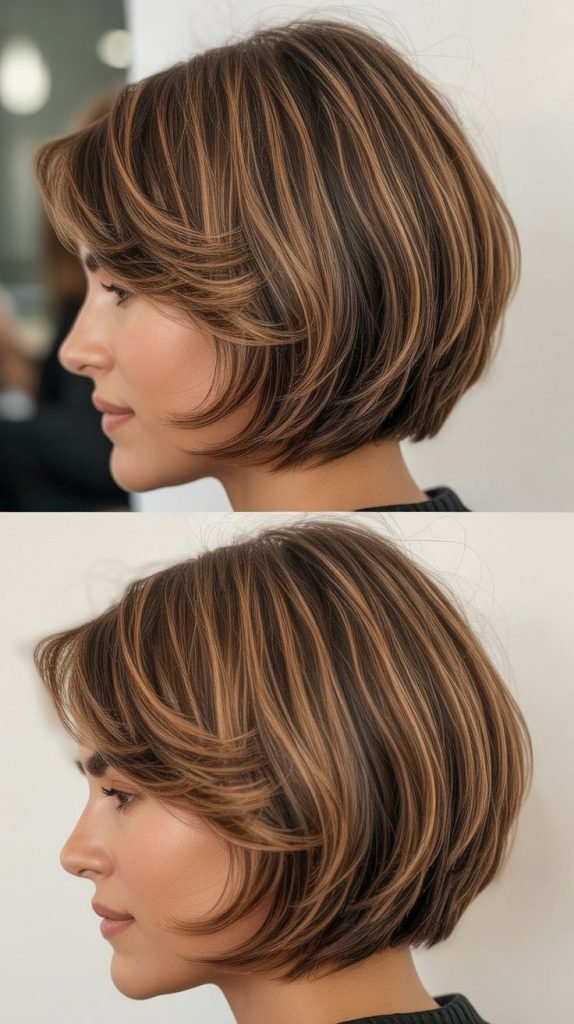
The classic choppy bob with blunt ends creates a striking balance between structured lines and textured layers that work beautifully for women seeking a polished yet edgy appearance.
- This timeless style features hair cut to chin or jaw length with strategically placed choppy layers throughout the interior while maintaining blunt, solid ends at the perimeter.
- The blunt ends create weight and density at the bottom, which prevents the style from appearing too thin or wispy, making it ideal for women with fine to medium hair texture.
- Choppy layers throughout the crown and mid-lengths add movement and dimension without sacrificing the structured silhouette that defines this classic cut.
- This style works exceptionally well for oval, heart-shaped, and square face shapes as the blunt line creates a horizontal emphasis that softens angular features.
- Styling requires minimal effort—simply blow-dry with a round brush for smoothness or apply texturizing spray for a more casual, lived-in appearance.
- The classic choppy bob with blunt ends typically requires maintenance every 6-8 weeks to preserve the sharp line and prevent the layers from growing out unevenly.
2. Short Choppy Bob for Fine Hair
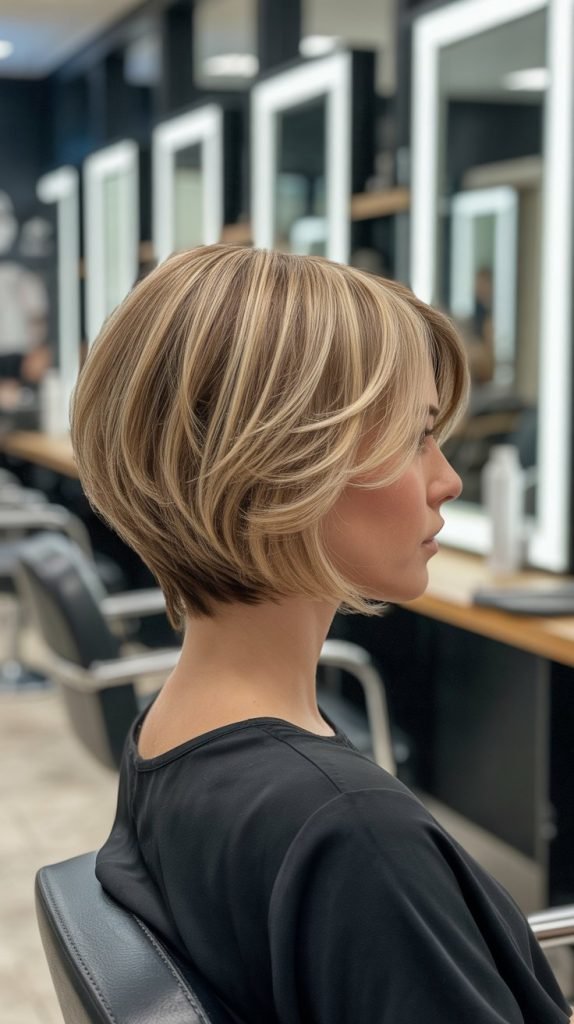
The short choppy bob specifically designed for fine hair incorporates strategic layering techniques that create the illusion of fuller, thicker hair while maintaining a chic, contemporary silhouette.
- This variation typically falls between ear and chin length, utilizing shorter choppy layers that add lift at the roots and create visual density throughout.
- The key to this style’s success lies in razor-cutting or point-cutting techniques that create irregular, feathered ends rather than blunt lines, which can make fine hair appear limp.
- Layering focuses on removing weight from the interior while maintaining some density at the perimeter to prevent the hair from looking stringy or sparse.
- Women with fine hair benefit from this cut because the choppy texture disguises the lack of natural volume and creates separation between strands for a fuller appearance.
- Styling products like volumizing mousse, root-lifting spray, and dry texturizing sprays work best with this cut to enhance the natural texture and maintain lift throughout the day.
- Color techniques such as babylights or subtle dimensional highlights further enhance the illusion of thickness by creating depth and visual interest.
- This cut requires regular trims every 5-7 weeks to maintain the choppy texture and prevent the style from appearing grown-out or losing its volume-boosting properties.
3. Medium-Length Choppy Bob with Layers
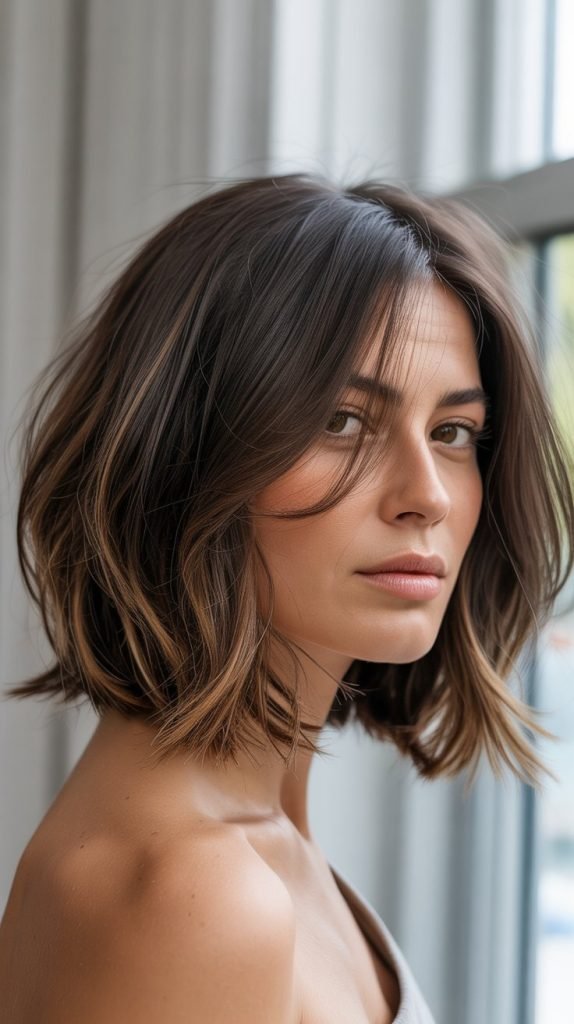
The medium-length choppy bob with layers offers versatility and movement, falling between chin and shoulder length with multiple layer variations that suit diverse styling preferences.
- This style extends to approximately shoulder length, incorporating choppy layers that begin at various points from the crown downward to create graduated texture and dimension.
- The longer length provides more styling versatility, allowing women to wear it straight, wavy, or curled while still maintaining the signature choppy texture.
- Face-framing layers are essential to this cut, starting around the cheekbone or jawline and blending seamlessly into the longer lengths at the back.
- The medium length works particularly well for women transitioning from longer hair who aren’t ready for a dramatic short cut but want to embrace the choppy bob trend.
- This variation flatters most face shapes, with adjustments to layer placement customizing the style—higher layers add volume for round faces, while longer layers elongate square faces.
- Styling options include sleek and straight for professional settings, tousled waves for casual occasions, or defined curls for special events, all while maintaining the choppy aesthetic.
- The medium-length choppy bob requires less frequent maintenance than shorter versions, typically needing trims every 8-10 weeks to refresh the layers and remove split ends.
4. Asymmetrical Choppy Bob
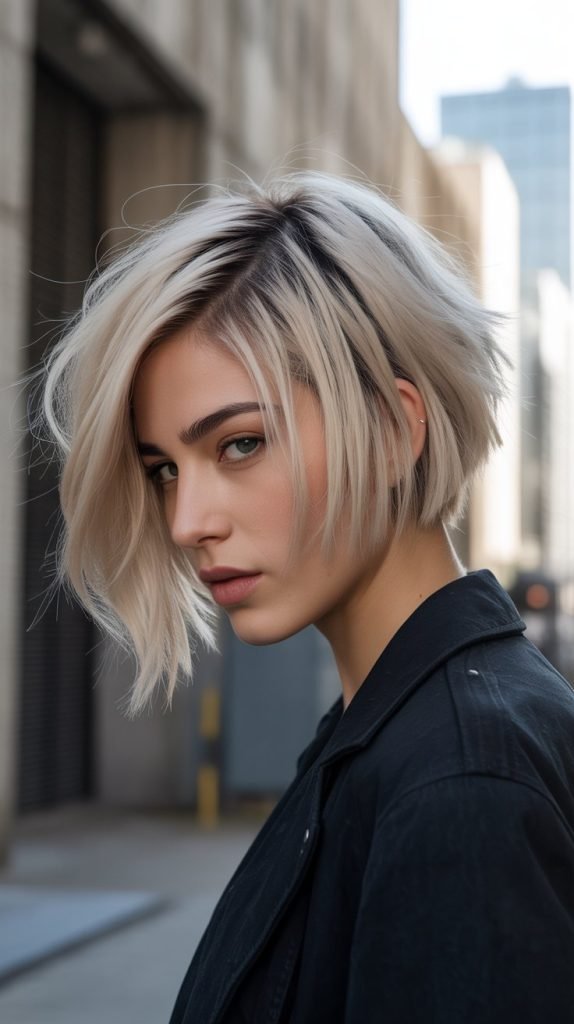
The asymmetrical choppy bob combines dramatic length differences with textured layers, creating a bold, fashion-forward statement that showcases individuality and confidence.
- This avant-garde variation features one side cut significantly shorter than the other, typically with a difference of 2-4 inches, while choppy layers throughout add texture and movement.
- The longer side often falls to chin or shoulder length, while the shorter side ranges from above the ear to just below, creating a striking diagonal line when viewed from the front.
- Choppy layers prevent the asymmetry from appearing too severe or costume-like, softening the dramatic length difference with natural-looking texture.
- This style works exceptionally well for women with strong, confident personal styles who want a haircut that reflects their bold personality and fashion-forward sensibilities.
- The asymmetrical choppy bob particularly flatters heart-shaped and oval faces, as the length variation creates visual interest and draws attention to the eyes and cheekbones.
- Styling can emphasize or minimize the asymmetry depending on preference—slicking the shorter side back creates maximum drama, while adding waves throughout softens the look.
- Maintenance requires precision cuts every 6-8 weeks to preserve the specific length ratio and prevent the asymmetry from growing out into an unintentional, unbalanced shape.
5. Textured Choppy Bob for Thick Hair
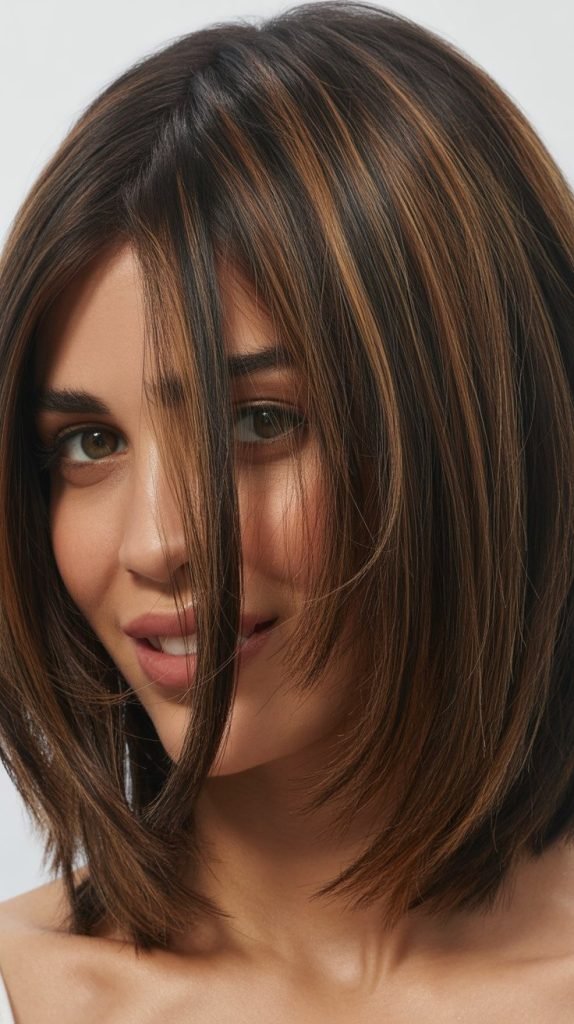
The textured choppy bob for thick hair utilizes aggressive layering and thinning techniques to remove bulk while creating manageable, stylish movement throughout dense hair.
- Women with thick hair benefit tremendously from this variation as it removes excess weight that can make traditional bobs appear heavy, triangular, or difficult to style.
- Deep, choppy layers are cut throughout all sections of the hair, with particular attention to the interior layers where the most bulk typically accumulates.
- Razor cutting or slide cutting techniques create soft, feathered ends that reduce the appearance of density while maintaining healthy-looking hair without visible thinning.
- The choppy texture prevents thick hair from falling into a solid, heavy shape, instead allowing it to move naturally with body and bounce.
- This cut significantly reduces styling time for women with thick hair, as the removed bulk allows hair to dry faster and requires less product to achieve desired styles.
- Strategic layering focuses on creating lift at the crown while removing weight from the sides and back, preventing the mushroom shape that often plagues thick-haired bobs.
- Regular maintenance every 6-7 weeks is essential to prevent thick hair from regaining bulk and losing the intentional choppy texture that makes this cut functional.
6. Choppy Bob with Bangs
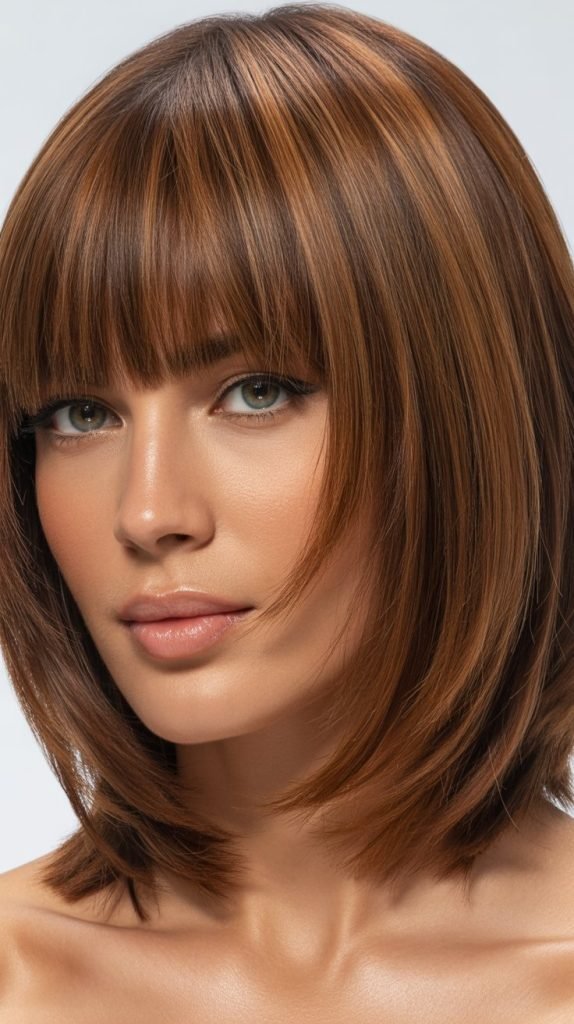
The choppy bob with bangs combines textured layers throughout the cut with various bang styles—from blunt to curtain to wispy—creating a complete, face-framing style.
- Adding bangs to a choppy bob creates additional styling dimension and provides options for customizing the look to better suit individual face shapes and features.
- Blunt bangs paired with a choppy bob create an edgy, fashion-forward aesthetic with strong horizontal lines that work well for longer face shapes.
- Curtain bangs offer a softer, more romantic alternative that parts in the center and sweeps to the sides, perfectly complementing the choppy texture throughout.
- Wispy, textured bangs maintain consistency with the choppy layers in the rest of the cut, creating a cohesive, intentionally undone appearance.
- The combination of bangs and choppy layers draws attention to the eyes while the textured ends create movement and dimension around the face.
- Women considering this style should consult with their stylist about bang length and density based on their face shape—heavier bangs suit longer faces, while lighter bangs flatter rounder faces.
- Maintaining bangs requires more frequent trims, typically every 3-4 weeks, while the choppy bob itself needs refreshing every 6-8 weeks for optimal appearance.
7. Wavy Choppy Bob
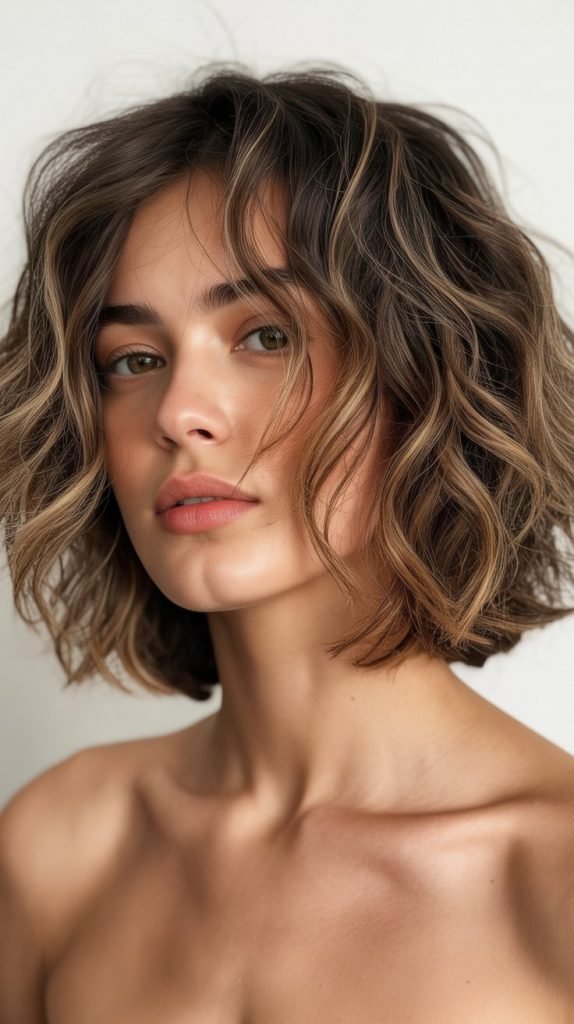
The wavy choppy bob embraces natural or styled waves enhanced by choppy layers that create effortless, beachy texture with romantic appeal and easy maintenance.
- This style works beautifully for women with natural wave patterns, as the choppy layers enhance the existing texture rather than fighting against it for a low-maintenance result.
- The choppy cutting technique removes weight that can drag waves down, allowing the natural curl pattern to spring up and create more defined, voluminous waves.
- For women with straight hair, the choppy layers make it easier to create and maintain waves using curling tools, as the varied lengths naturally fall into dimensional, textured waves.
- The wavy choppy bob typically falls between chin and shoulder length to allow sufficient length for waves to form properly without appearing too short or curly.
- Styling products like sea salt spray, wave-enhancing cream, or curl-defining mousse work exceptionally well with this cut to enhance and hold the wavy texture.
- This variation particularly flatters oval, heart-shaped, and diamond face shapes as the soft waves and choppy texture create width and balance angular features.
- Maintenance involves regular trims every 8-10 weeks to prevent the choppy layers from becoming too disconnected, which can disrupt the wave pattern and create frizz.
8. Choppy Bob with Undercut
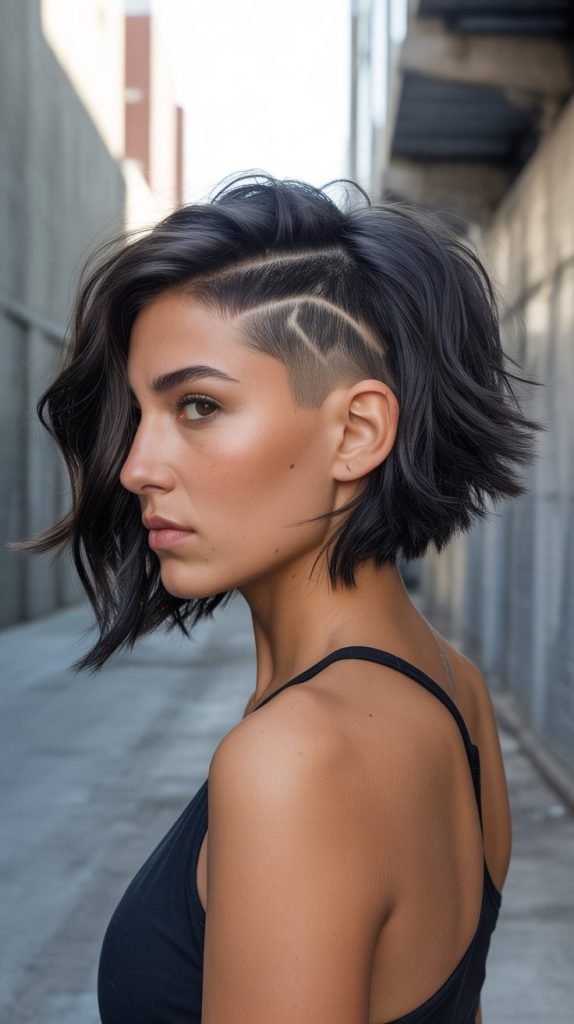
The choppy bob with undercut combines visible or hidden shaved sections at the nape or sides with textured choppy layers on top for an edgy, modern aesthetic.
- The undercut typically involves shaving or closely clipering hair at the nape of the neck, behind the ears, or along the sides, which remains hidden by the longer choppy layers when hair is worn down.
- This combination dramatically reduces hair volume and density, making it ideal for women with extremely thick hair who struggle with heat and styling difficulties.
- The choppy layers on top contrast beautifully with the clean, precise lines of the undercut, creating visual interest and textural dimension.
- Women can choose to reveal the undercut by styling hair up or to the side, or keep it completely hidden for professional environments, offering versatile styling options.
- The undercut section provides opportunities for creative expression through designs, patterns, or even temporary color that won’t affect the visible portions of the haircut.
- This style works particularly well in warm climates or for active women as the reduced hair volume around the neck provides cooling comfort during exercise or hot weather.
- Maintenance requires more frequent visits than traditional choppy bobs—undercuts need refreshing every 3-4 weeks, while the choppy layers need trimming every 6-8 weeks.
9. Inverted Choppy Bob
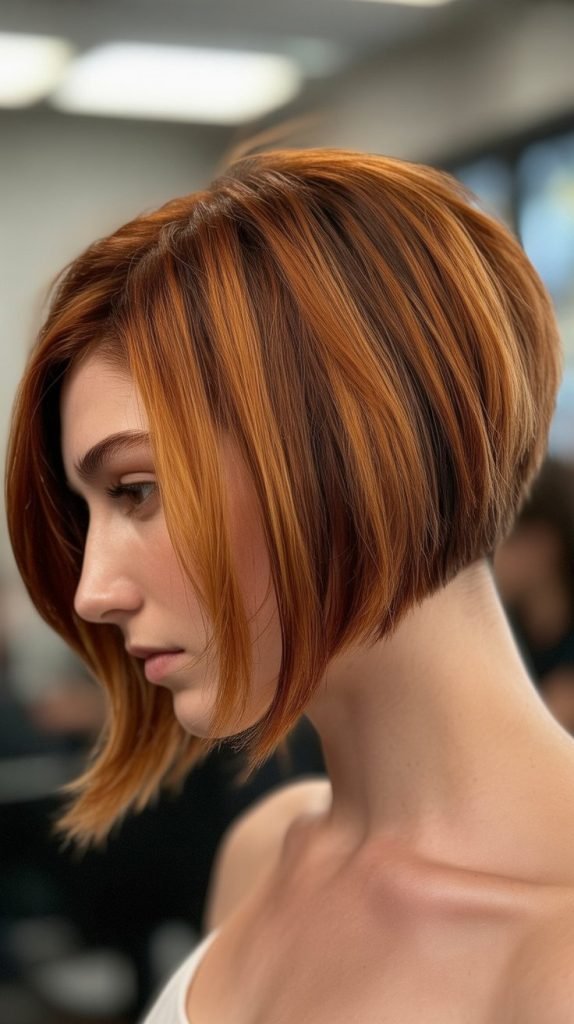
The inverted choppy bob features shorter hair at the back that gradually lengthens toward the front, enhanced with choppy layers that add texture and modern edge to this classic graduated shape.
- This style creates a distinctive stacked shape at the back with hair cut very short at the nape and gradually increasing in length as it moves toward the face.
- The front pieces typically fall between chin and collarbone length, creating an elongating diagonal line that flatters most face shapes, particularly round and square faces.
- Choppy layers throughout prevent the inverted bob from appearing too severe or geometric, adding soft texture that modernizes the traditional graduated cut.
- The shorter back section often features stacked layers that create volume and lift at the crown, eliminating the flat appearance that can occur with one-length cuts.
- Styling the inverted choppy bob is straightforward—the graduated shape naturally falls into place with minimal effort, requiring only blow-drying with a round brush or flat iron for smoothness.
- This cut works exceptionally well for women with slender necks as the short, stacked back showcases this feature, while the longer front frames and softens the face.
- Regular maintenance every 5-7 weeks is crucial for inverted choppy bobs, as even slight growth can disrupt the precise graduation and cause the stacked back to lose its shape.
10. Shaggy Choppy Bob
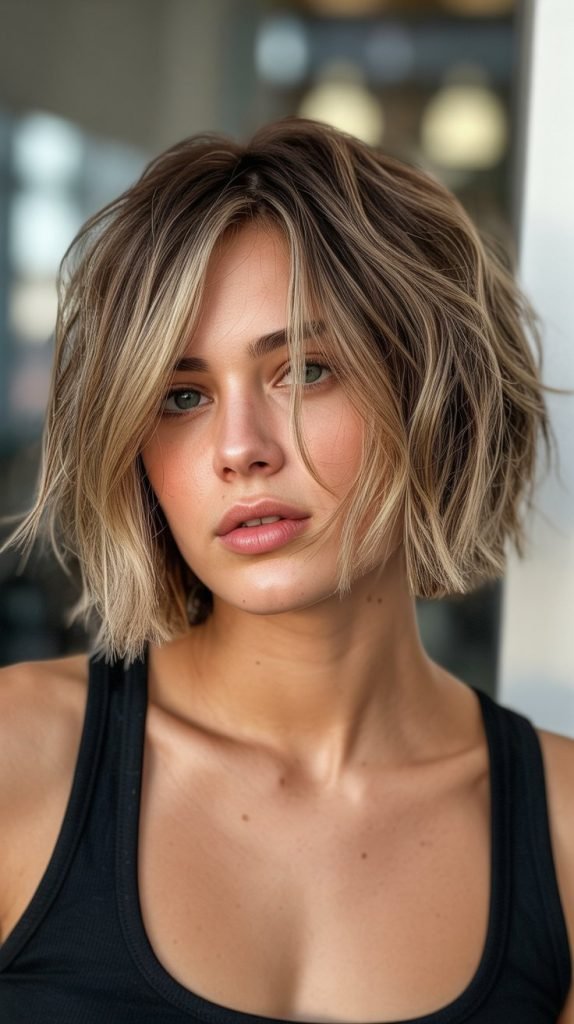
The shaggy choppy bob maximizes texture with heavily layered, piece-y ends that create an intentionally undone, rock-and-roll inspired aesthetic with effortless cool-girl appeal.
- This variation takes the choppy concept to its maximum expression, incorporating numerous layers throughout that create significant texture and movement with a deliberately messy appearance.
- The shaggy choppy bob typically features razor-cut or point-cut layers that create soft, feathered ends with varying lengths for an organic, undone texture.
- This style works particularly well for women with naturally wavy or slightly curly hair, as the heavy layering enhances the existing texture for an amplified, voluminous result.
- The shaggy quality makes this cut extremely forgiving and low-maintenance, as the intentionally messy aesthetic means hair always looks styled even when air-dried with minimal product.
- Face-framing layers are essential to the shaggy choppy bob, starting high around the cheekbones and creating soft, wispy pieces that draw attention to the eyes and cheekbones.
- This cut suits various face shapes with adjustments to layer placement—more layers at the crown add height for round faces, while longer face-framing pieces balance longer face shapes.
- Maintenance is relatively minimal compared to more structured choppy bobs, requiring trims every 8-10 weeks, as the intentionally imperfect nature means slight growth doesn’t dramatically affect the style.
11. Choppy Bob with Highlights
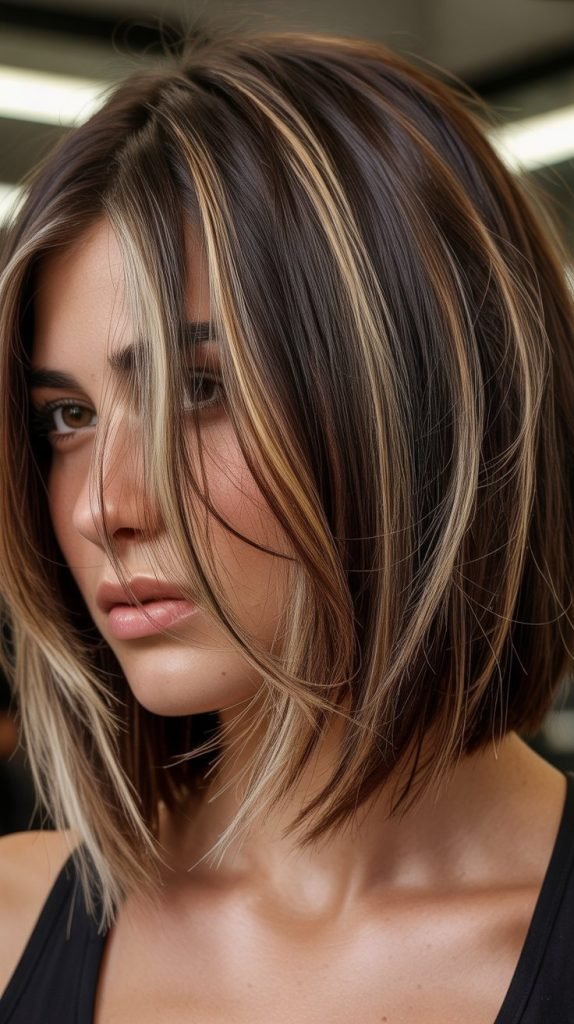
The choppy bob with highlights combines strategic color placement with textured layers to create dimensional, eye-catching style that enhances the movement and separation of the cut.
- Highlights work synergistically with choppy layers by emphasizing the textured ends and creating visual separation between individual pieces for enhanced movement.
- Lighter pieces strategically placed throughout the choppy bob catch light differently than the base color, creating depth and dimension that makes the cut appear more voluminous and dynamic.
- Face-framing highlights placed around the perimeter of the choppy bob brighten the complexion and draw attention to facial features while complementing the layered structure.
- The choppy texture actually makes highlights appear more natural and blended, as the varying lengths and piece-y ends prevent stark lines of demarcation between colors.
- Popular color combinations for 2025 include honey blonde on brunette bases, caramel on dark brown, platinum pieces on ash blonde, and warm copper tones on auburn bases.
- Women with choppy bobs should consult with colorists about placing highlights to enhance the cut’s movement—lighter pieces at the ends emphasize texture, while highlights at the roots add lift.
- Maintaining highlighted choppy bobs requires color refresh appointments separate from haircuts, typically every 8-16 weeks depending on technique, plus color-safe products to preserve vibrancy.
12. Choppy Bob for Round Faces
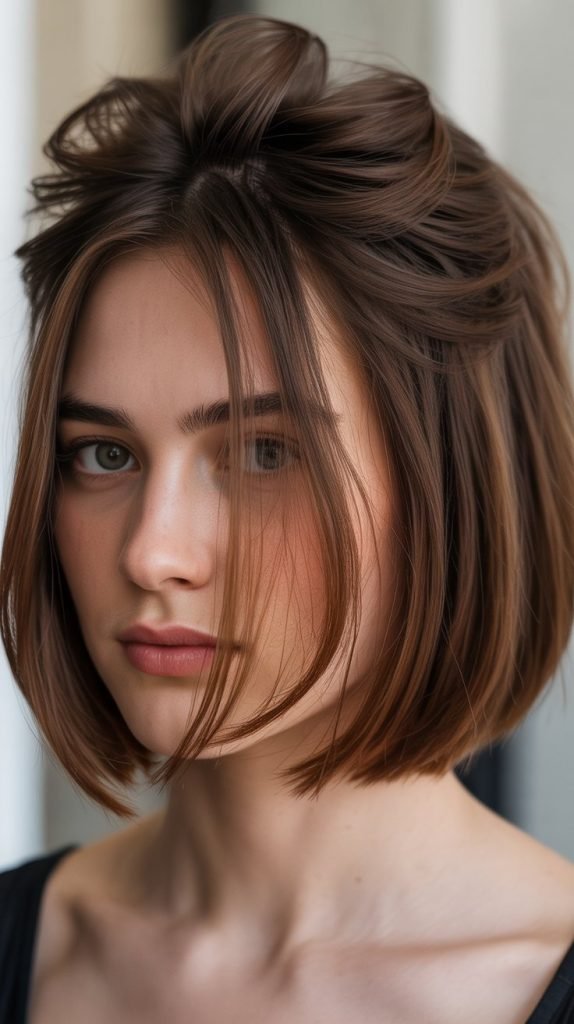
The choppy bob for round faces incorporates specific cutting techniques—longer front pieces, height at the crown, and asymmetrical elements—designed to create the illusion of length and angles.
- Women with round faces benefit from choppy bobs that fall below the chin, as this length creates vertical lines that visually elongate the face and counterbalance its circular width.
- Height and volume at the crown are essential, achieved through choppy layers that lift away from the scalp rather than lying flat, which would emphasize the face’s roundness.
- Longer, angled front pieces that frame the face create the illusion of length while shorter layers in the back prevent bulk that can make round faces appear wider.
- Asymmetrical or side-parted styling works better for round faces than center parts, which can emphasize facial width rather than creating slimming vertical lines.
- Avoid choppy bobs that end right at the widest part of the face (typically mid-cheek level), as this horizontal line accentuates roundness rather than counteracting it.
- The choppy texture itself benefits round faces by creating angles and dimension through the piece-y, separated ends rather than a solid, blunt line that emphasizes curves.
- Face-framing layers should start no higher than the cheekbone and angle downward to create diagonal lines that slim and elongate rather than widen the face.
13. Choppy Bob for Oval Faces
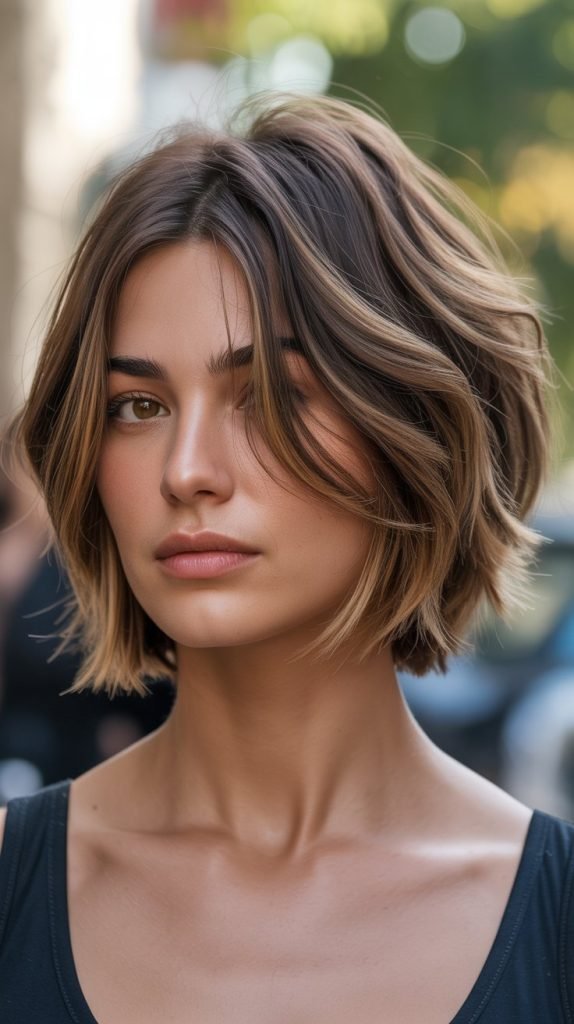
The choppy bob for oval faces offers maximum versatility since this balanced face shape suits virtually any variation, allowing for personal style preferences to guide cut selection.
- Oval faces are considered the ideal face shape for hairstyling purposes, as their balanced proportions work harmoniously with any choppy bob length, from short ear-length cuts to longer shoulder-grazing styles.
- Women with oval faces can experiment with various bang options—blunt, curtain, side-swept, or no bangs—all of which complement the balanced facial structure without disrupting proportions.
- The choppy bob’s textured layers create movement and interest without overwhelming the naturally harmonious proportions of oval faces, enhancing rather than competing with facial features.
- Both symmetrical and asymmetrical choppy bobs work equally well for oval faces, providing freedom to choose based on personal style rather than face-shape requirements.
- Oval-faced women can wear their choppy bobs with center or side parts, straight or wavy styling, and with varying layer depths, as the balanced face shape accommodates all variations.
- The versatility of oval faces with choppy bobs means women can focus on selecting cuts that complement their hair texture and lifestyle needs rather than face-shape correction.
- Any maintenance schedule works for oval-faced women with choppy bobs—cut selection should be based on desired style precision rather than face-shape maintenance concerns.
14. Choppy Bob for Square Faces
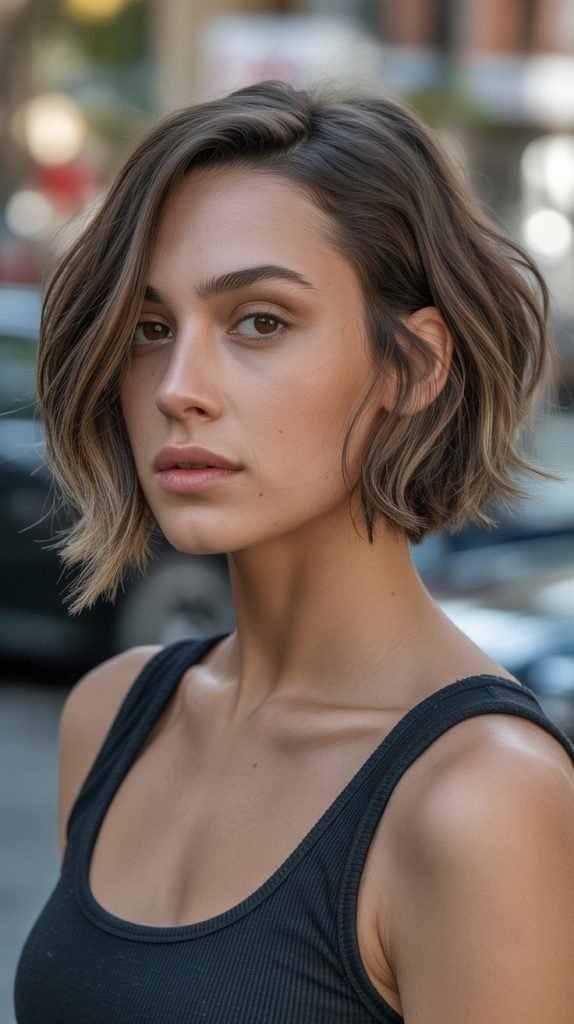
The choppy bob for square faces utilizes soft, textured layers and curved lines to soften angular jawlines and create balance with the face’s strong, geometric structure.
- Square faces feature strong, angular jawlines and similar width measurements at the forehead and jaw, requiring choppy bobs with softening elements to balance these bold features.
- Longer choppy bobs that extend past the jawline work best, as ending the cut right at the jaw emphasizes its width and angularity rather than creating counterbalancing softness.
- Soft, feathered face-framing layers starting at cheekbone level and curving toward the jaw create gentle lines that contrast with and soften the face’s natural angles.
- The choppy texture itself benefits square faces by creating irregular, soft ends rather than blunt, straight lines that echo and emphasize the face’s geometric structure.
- Side-swept or deep side parts work better than center parts for square faces, as asymmetry softens the face’s symmetrical, angular appearance.
- Wavy or curled styling adds curved lines that contrast beautifully with square faces’ straight angles, creating visual balance between hair texture and facial structure.
- Avoid very short, blunt choppy bobs that end at jawline level, as these create horizontal lines at the face’s widest point, emphasizing rather than minimizing angularity.
15. Choppy Bob with Curtain Bangs
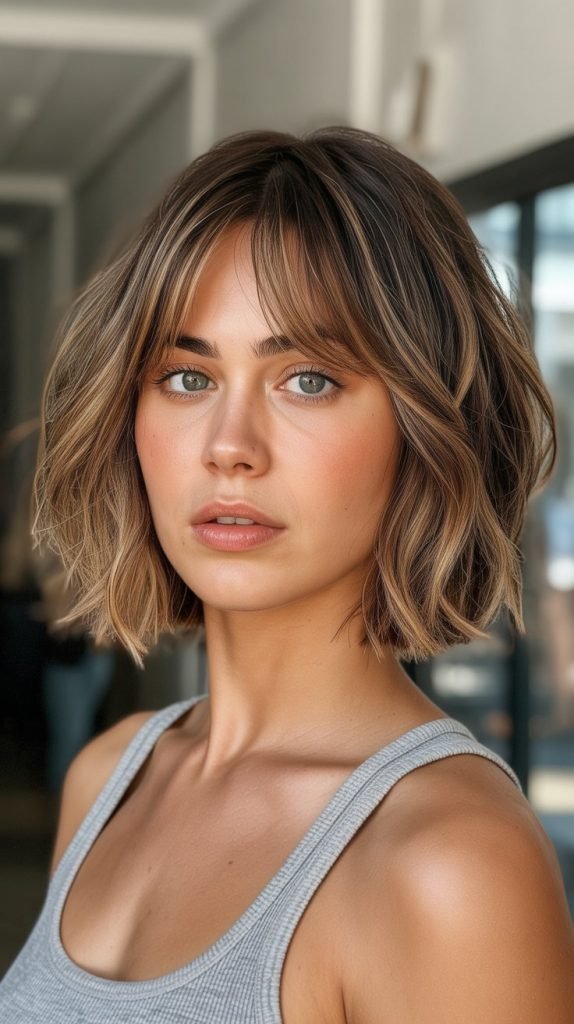
The choppy bob with curtain bangs combines face-framing, center-parted fringe with textured choppy layers for a romantic, effortlessly chic style that’s dominated 2025 trends.
- Curtain bangs part naturally in the center and sweep to each side of the face, creating an arch shape that frames the eyes and cheekbones while blending seamlessly into the choppy bob’s layers.
- This combination works exceptionally well because both elements share an effortless, undone quality—the curtain bangs’ soft, wispy texture complements the choppy layers’ piece-y appearance.
- The length of curtain bangs typically ranges from eyebrow to cheekbone level, with the shortest point at the center part gradually lengthening toward the temples where they connect with face-framing layers.
- This style flatters most face shapes: the center-opening curtain bangs narrow wide foreheads, the swooping sides soften angular jaws, and the overall frame draws attention to the eyes.
- Styling curtain bangs with a choppy bob requires minimal effort—blow-dry bangs away from the face using a round brush while the choppy layers can be air-dried or lightly styled with texturizing products.
- The combination of curtain bangs and choppy bob creates versatility in styling—bangs can be worn swept back for a different look, or emphasized forward for more dramatic framing.
- Maintenance requires bang trims every 3-4 weeks to prevent them from growing past the desired length, while the choppy bob itself needs refreshing every 6-8 weeks.
16. Stacked Choppy Bob
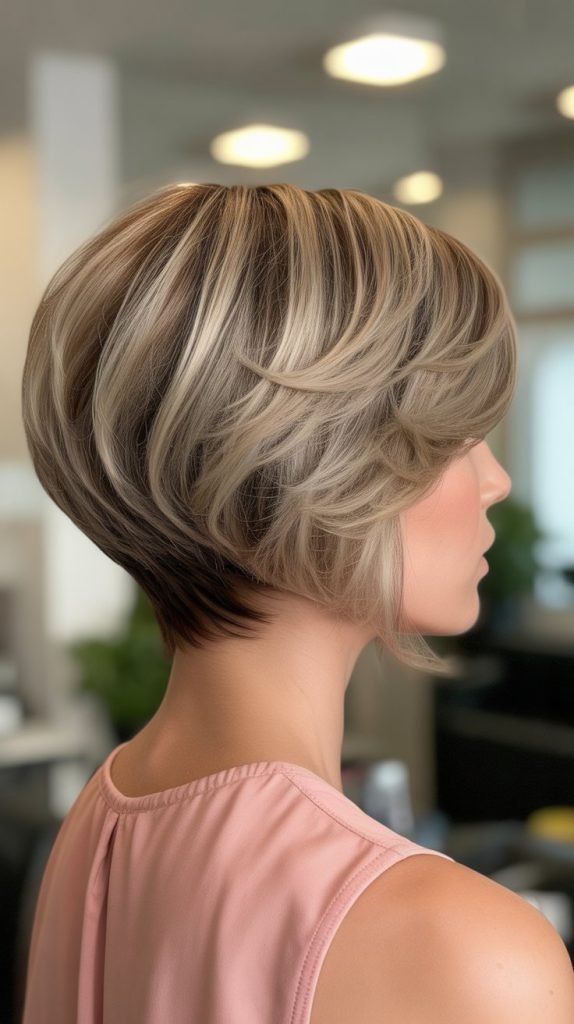
The stacked choppy bob features graduated layers that create volume and lift at the back while maintaining choppy texture throughout for a dimensional, modern take on the classic stacked cut.
- The stacked element involves cutting the back section shorter with graduated layers that stack upon each other, creating significant volume and lift at the crown and nape area.
- Front pieces are left longer, typically reaching chin to shoulder length, while the back is cut much shorter, sometimes as high as the nape or even mid-neck level.
- Choppy texture throughout the stacked sections prevents the cut from appearing too severe or geometric, adding modern edge to the traditionally polished stacked bob shape.
- This variation works exceptionally well for women with fine or flat hair, as the stacked back creates instant volume and lift that would otherwise require extensive styling to achieve.
- The stacked choppy bob particularly flatters women with slender necks and good posture, as the exposed nape area draws attention to these features.
- Styling involves blow-drying the stacked back section with a round brush to enhance the lift and volume, while the front can be worn sleek, wavy, or with added texture.
- Precise maintenance every 5-6 weeks is essential for stacked choppy bobs, as the graduated back loses its distinct shape quickly as hair grows, causing the stack to collapse and lose volume.
17. Choppy Bob with Balayage
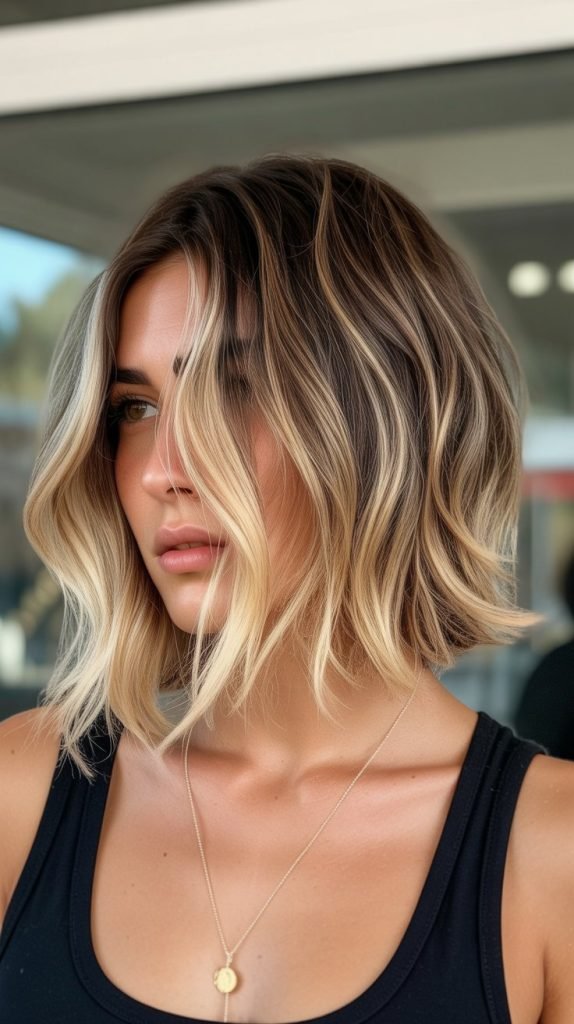
The choppy bob with balayage combines the cut’s textured layers with hand-painted color that creates natural-looking dimension and movement enhanced by the piece-y ends.
- Balayage, meaning “to sweep” in French, involves hand-painting color onto the hair in sweeping motions that create soft, graduated color transitions from dark to light.
- The technique pairs perfectly with choppy bobs because the varied layer lengths showcase the color gradient beautifully—darker roots transition through mid-tones to lighter ends.
- Balayage on choppy bobs creates dimension by emphasizing the textured, piece-y ends with lighter color that catches light and makes the cut appear more voluminous and dynamic.
- This color technique requires less maintenance than traditional highlights, as the soft, graduated transition means regrowth blends naturally without harsh lines of demarcation.
- Popular balayage color combinations for choppy bobs in 2025 include brunette to caramel, dark brown to honey blonde, black to ash brown, and auburn to copper.
- The choppy bob’s movement and texture actually enhance balayage’s natural effect, as the separated, piece-y ends display the color variation more visibly than blunt cuts would.
- Maintenance involves color refresh appointments every 12-16 weeks depending on desired lightness and contrast, plus regular use of color-safe, sulfate-free products to preserve the balayage’s vibrancy.
18. Choppy Pixie Bob
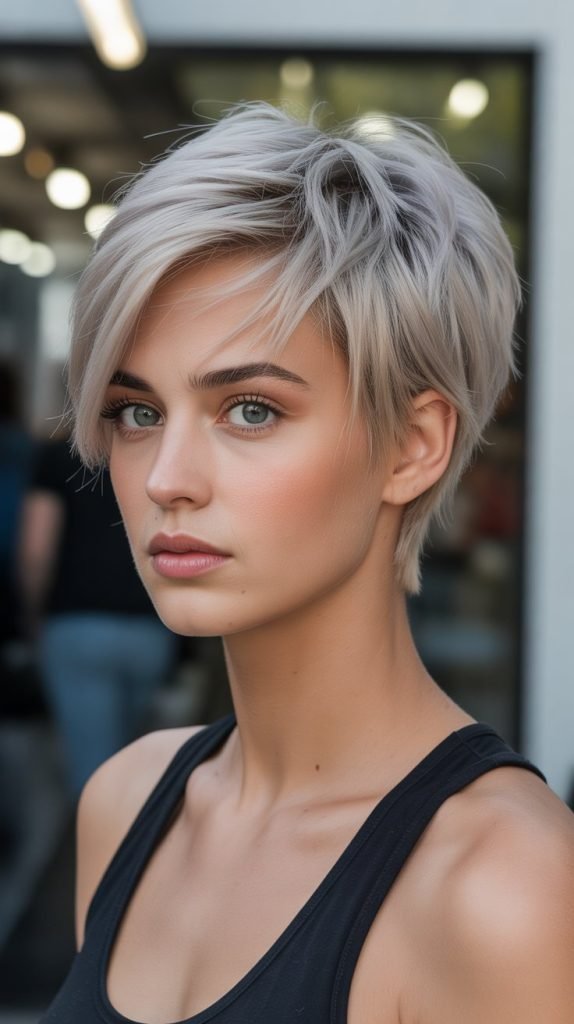
The choppy pixie bob bridges the gap between ultra-short pixie cuts and traditional bobs, creating a hybrid style that offers pixie’s edginess with bob’s versatility.
- This ultra-short variation features pixie-short hair at the nape and sides (often 1-2 inches) with longer sections on top and at the front that reach 3-5 inches, creating a bob-like silhouette.
- The choppy texture throughout prevents the cut from appearing too structured or masculine, adding feminine softness through piece-y, textured ends and varied lengths.
- The choppy pixie bob works beautifully for women with strong facial features, as the short length draws attention to the eyes, cheekbones, and bone structure.
- This cut offers significant versatility despite its short length—the longer top can be styled forward, swept back, or pushed to the side for different looks.
- Women with thick, coarse hair particularly benefit from the choppy pixie bob, as the short length reduces styling time while the choppy texture manages bulk effectively.
- The dramatic nature of this cut makes it ideal for confident women ready for a bold change who enjoy making strong style statements through their hair.
- Maintenance requires frequent trims every 4-5 weeks to preserve the precise shape, as even minor growth can quickly disrupt the careful balance between the short sides and longer top.
19. Choppy Bob for Thin Hair
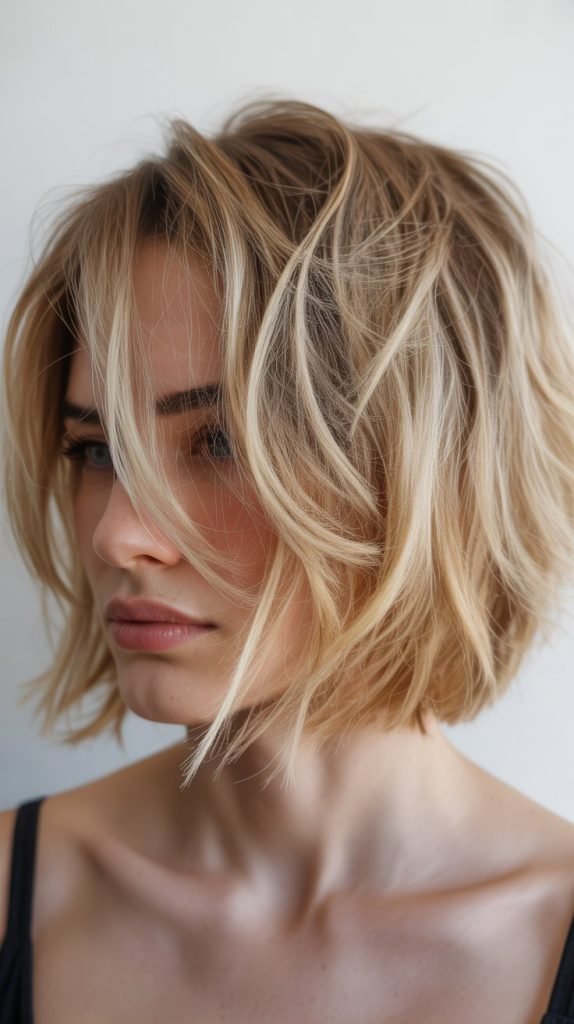
The choppy bob for thin hair utilizes specific cutting techniques that maximize the appearance of fullness and volume, transforming sparse hair into a dimensional, textured style.
- Thin hair benefits tremendously from choppy bobs as the textured, piece-y ends separate and create the illusion of more individual strands and greater overall density.
- The key cutting technique involves point-cutting or razor-cutting to create soft, irregular ends rather than blunt lines that make thin hair appear stringy or sparse.
- Layers should be strategically placed to remove just enough weight to create movement without eliminating density—too many layers can make thin hair look wispy and insubstantial.
- Shorter choppy bob lengths (chin-length or above) work best for thin hair, as longer lengths can be weighed down by the hair’s own minimal weight, appearing limp and lifeless.
- Color techniques like babylights, highlights, or dimensional color dramatically enhance thin hair’s appearance by creating depth that makes the hair look thicker and fuller.
- Styling products specifically formulated for fine/thin hair—volumizing mousses, root-lifting sprays, and light texturizing sprays—work synergistically with the choppy cut to maximize fullness.
- Maintenance every 6-7 weeks keeps the choppy texture fresh and prevents ends from appearing too thin or wispy as they naturally taper with growth and wear.
20. Choppy Bob with Side Part
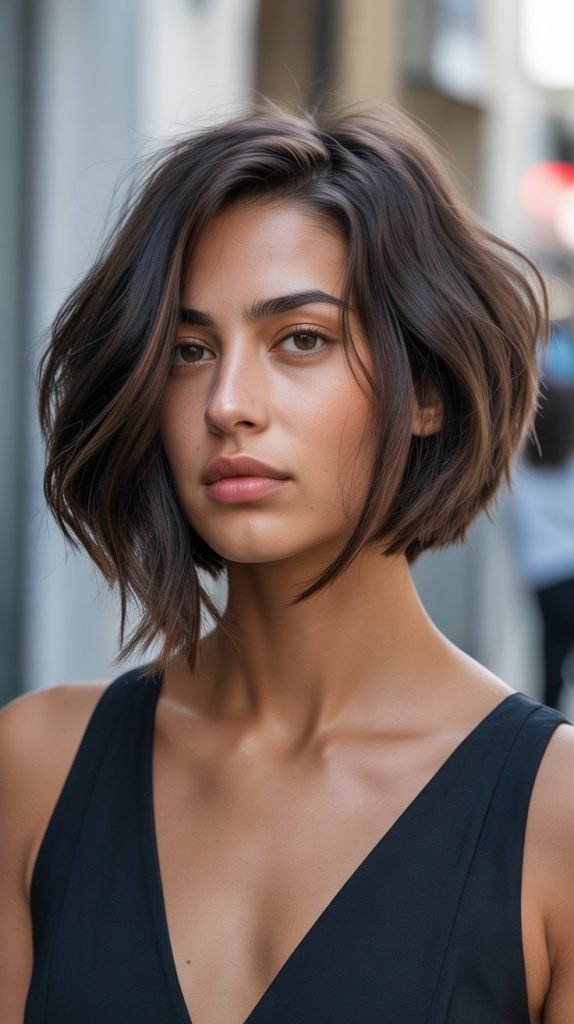
The choppy bob with side part creates asymmetry and volume through strategic part placement that complements the textured layers for an elegant, face-flattering style.
- A deep side part positions the hair division far from center, typically 2-3 inches from the face’s center line, creating dramatic asymmetry that adds visual interest to the choppy bob.
- The side part creates natural volume on the heavier side where more hair falls, while the lighter side lies flatter against the head, creating appealing contrast and dimension.
- This styling choice particularly flatters round and square faces by breaking up the face’s symmetry and creating diagonal, slimming lines rather than horizontal ones.
- The choppy layers work harmoniously with side parts, as the textured ends on the heavier side create cascading movement and the lighter side showcases facial features.
- Side-parted choppy bobs can be styled sleek and polished for professional environments or tousled and textured for casual settings, offering versatile styling options.
- Women who’ve always worn center parts will find that switching to a side part with a choppy bob can dramatically change their appearance and reveal previously hidden facial features.
- The part position can be adjusted slightly forward or back to customize face-framing effects—parts positioned further back create more dramatic swoops and volume.
21. Tousled Choppy Bob
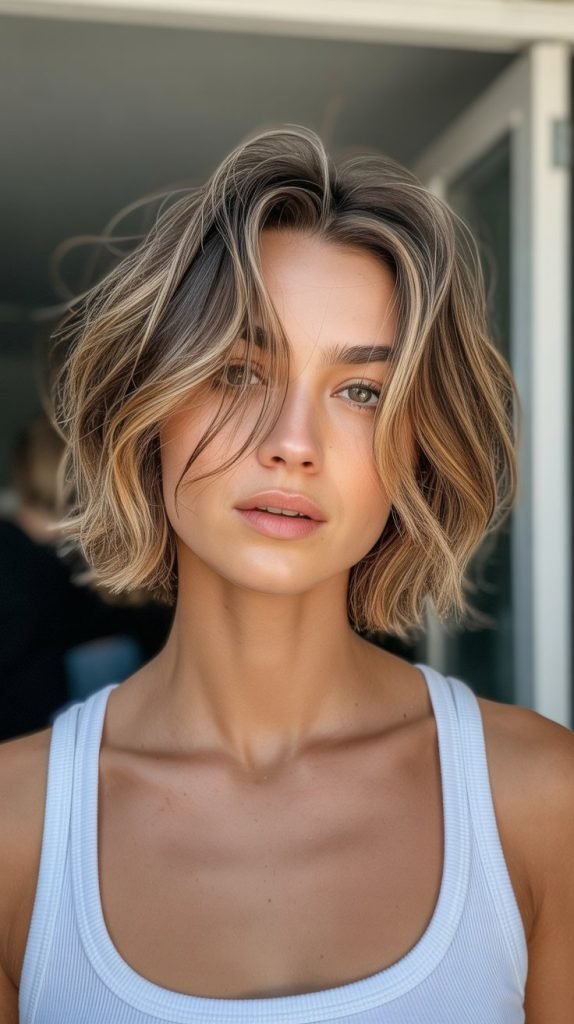
The tousled choppy bob embraces deliberately messy, lived-in texture that combines the cut’s inherent choppiness with relaxed, undone styling for effortless, cool-girl appeal.
- This style maximizes the choppy bob’s inherently textured nature by adding deliberately imperfect, tousled styling that creates an “I woke up like this” aesthetic.
- The tousled effect is achieved through specific styling techniques—scrunching with texturizing products, diffusing wavy hair, or using salt spray to enhance natural texture and separation.
- This variation works exceptionally well for women with naturally wavy or slightly curly hair, as their texture provides the perfect foundation for amplified tousled styling.
- The beauty of the tousled choppy bob lies in its forgiveness—the intentionally imperfect nature means hair always looks styled even when minimal effort is applied.
- Styling products essential for this look include sea salt spray for beachy texture, texturizing spray for separation and definition, and light-hold styling cream to define piece-y ends without stiffness.
- The tousled choppy bob suits casual lifestyles and creative professional environments where polished perfection isn’t required, making it ideal for artists, creatives, and relaxed workplace settings.
- Maintenance is minimal due to the intentionally undone aesthetic—the tousled nature means even grown-out cuts maintain their appeal, requiring trims only every 8-10 weeks.
22. Choppy Bob with Nape Undercut
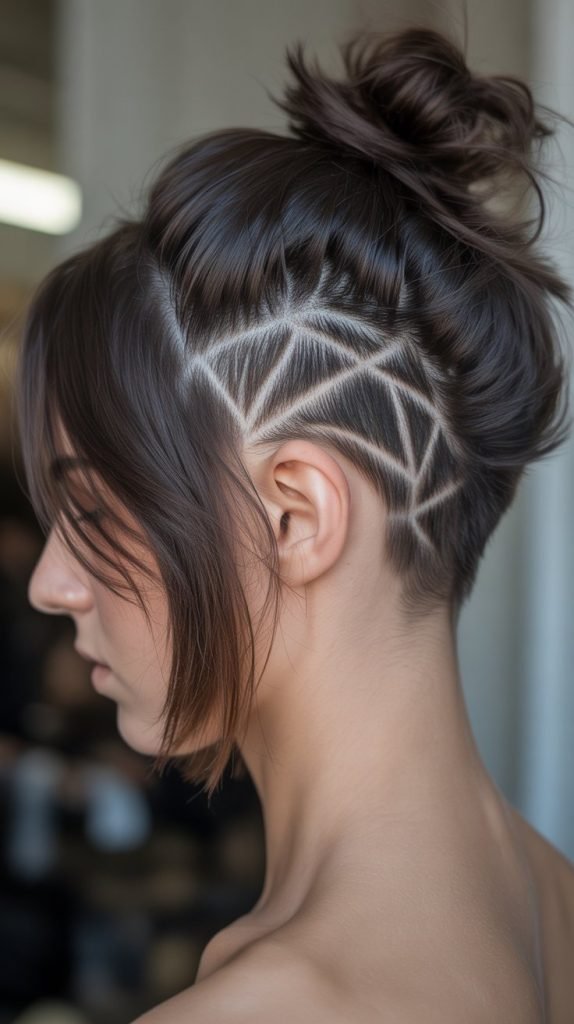
The choppy bob with nape undercut features shaved or closely clippered hair at the back of the neck hidden beneath longer choppy layers, combining edgy coolness with practical heat reduction.
- The nape undercut involves shaving or using clippers on hair at the very bottom of the nape, typically starting at the hairline and extending upward 2-4 inches.
- This hidden undercut remains completely concealed when hair is worn down, making it perfect for women who want edgy style elements they can hide in professional settings.
- The undercut dramatically reduces hair volume and density at the nape, providing cooling relief for women with thick hair who struggle with heat and discomfort in warm weather.
- Women can reveal the nape undercut by pulling hair into ponytails, buns, or half-up styles, creating versatile looks that range from conservative to edgy.
- Creative designs, patterns, or even temporary color can be added to the undercut section for artistic expression that doesn’t affect the visible portions of the haircut.
- The nape undercut works synergistically with choppy bobs by reducing bulk that can make the back section appear heavy, allowing the choppy layers to move more
- Maintenance requires visits every 3-4 weeks specifically for the undercut to prevent it from growing out and becoming visible beneath the choppy layers, while the bob itself needs trimming every 6-8 weeks.
23. Choppy Bob for Curly Hair
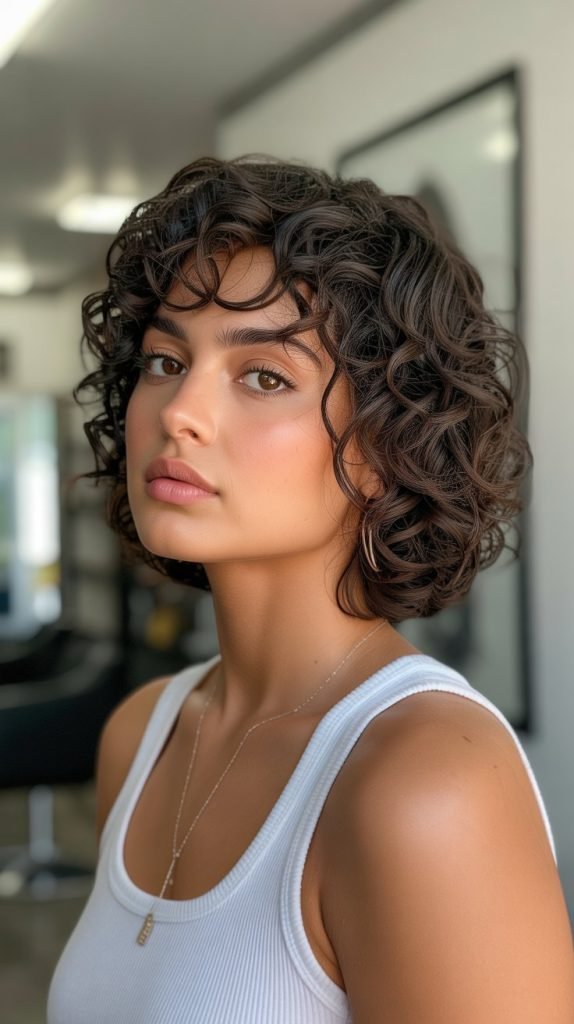
The choppy bob for curly hair embraces natural curl patterns with strategic layering that removes bulk, defines spirals, and creates a balanced, dimensional silhouette that celebrates texture.
- Curly-haired women benefit from choppy bobs cut specifically for their curl pattern, with layers that work with rather than against the natural spiral formation and shrinkage.
- The choppy cutting technique removes internal bulk that causes curly hair to form pyramid or triangle shapes, instead creating rounded, balanced silhouettes that showcase curls beautifully.
- Dry-cutting is essential for curly choppy bobs, as cutting curls wet doesn’t account for shrinkage and can result in unexpected shortness once hair dries and curls spring up.
- Layers should be cut following the curl pattern, removing weight from the interior while maintaining length on the exterior to prevent the frizzy, disconnected appearance that can occur with improper layering.
- The choppy bob length for curly hair typically falls longer when wet (chin to shoulder) and springs up to shorter lengths when dry (above chin to chin-length) due to natural curl shrinkage.
- Styling curly choppy bobs involves minimal manipulation—applying curl-defining products to wet hair and air-drying or diffusing on low heat produces the best results while maintaining curl integrity.
- Maintenance every 8-10 weeks keeps the shape balanced and prevents curly hair from growing into unmanageable shapes, with trims focusing on removing bulk rather than significant length reduction.
24. Choppy Bob with Face-Framing Layers
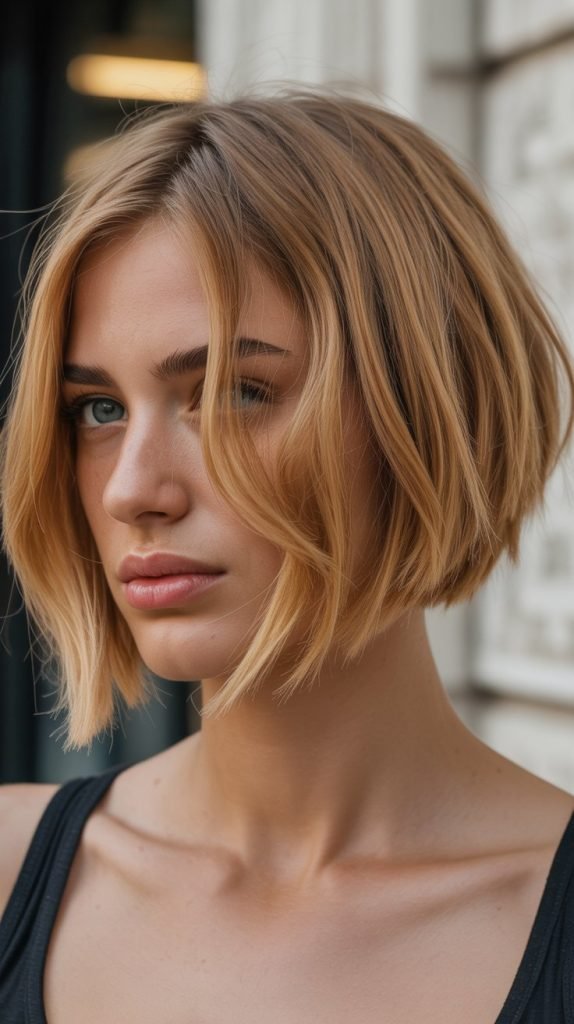
The choppy bob with face-framing layers features strategically placed shorter pieces around the face that draw attention to features while the choppy texture throughout creates movement and dimension.
- Face-framing layers begin at various points depending on desired effect—cheekbone level for dramatic framing, jawline for subtle contouring, or eye level for maximum face emphasis.
- These shorter front pieces gradually blend into the longer lengths of the choppy bob, creating seamless transitions that avoid the disconnected “stair-step” appearance of poorly executed layers.
- The face-framing element draws the eye inward toward facial features, making this variation particularly flattering for showcasing beautiful eyes, high cheekbones, or defined bone structure.
- Choppy texture on the face-framing pieces prevents them from appearing too structured or severe, instead creating soft, piece-y wisps that gently frame rather than rigidly outline the face.
- This layering technique works for all face shapes with adjustments—longer face-framing pieces for round faces create elongation, while shorter pieces for long faces add width and balance.
- Styling face-framing layers involves blow-drying them away from or toward the face depending on preference, or adding slight bends with a flat iron for enhanced movement and definition.
- The face-framing layers require more frequent maintenance than the rest of the cut, needing trims every 5-6 weeks to prevent them from growing too long and losing their framing effect.
25. Choppy Bob with Blunt Bangs
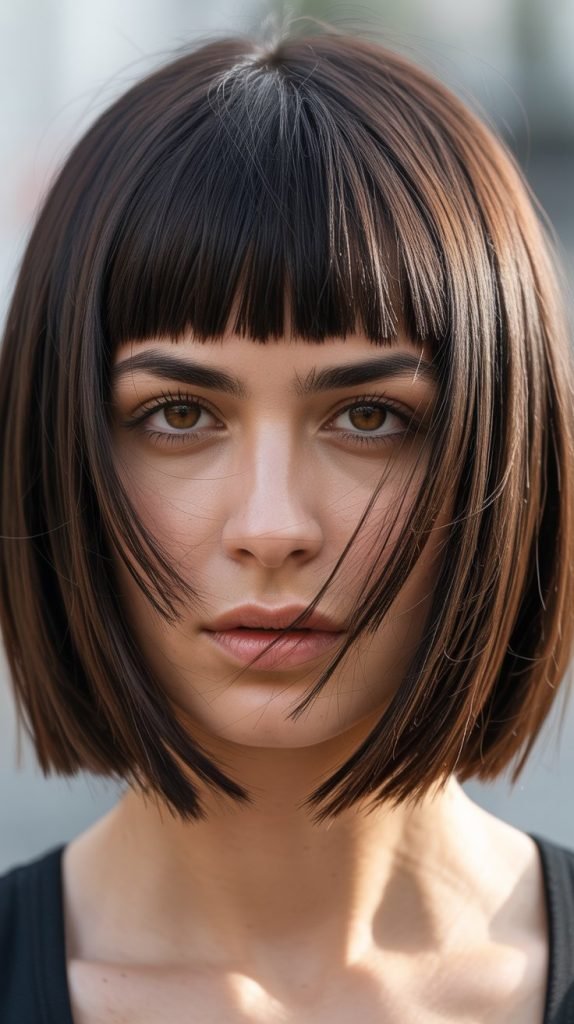
The choppy bob with blunt bangs creates striking contrast between the textured, piece-y layers throughout the cut and the solid, straight-across fringe for an edgy, fashion-forward aesthetic.
- Blunt bangs cut in a straight, solid line across the forehead create strong horizontal emphasis that contrasts beautifully with the choppy bob’s intentionally imperfect texture.
- The combination works particularly well for elongated or heart-shaped faces, as the horizontal bang line shortens the face’s appearance while the choppy layers add width and balance.
- Bang length typically falls at eyebrow level or slightly below, though variations include micro bangs (above eyebrows) for dramatic effect or longer grazing bangs for versatility.
- The solid weight line of blunt bangs makes them work best for women with straight to slightly wavy hair, as very curly or wavy bangs resist the sleek, straight appearance that defines this style.
- Styling requires blow-drying blunt bangs straight with a round brush or flat iron to maintain their crisp line, while the choppy bob can be styled with texture and movement.
- The juxtaposition of polished, precise bangs against deliberately messy choppy layers creates visual interest and demonstrates intentional styling rather than accidental unkemptness.
- Maintenance demands are higher with blunt bangs, requiring trims every 2-3 weeks to maintain their precise length and prevent them from growing into the eyes.
26. Choppy Bob with Razored Ends
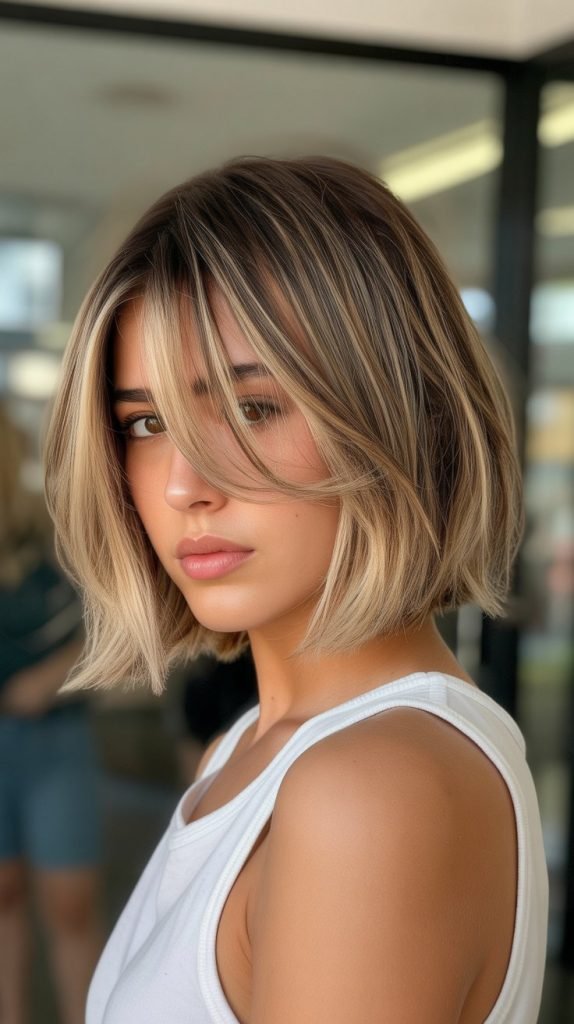
The choppy bob with razored ends utilizes razor-cutting techniques throughout the cut to create ultra-soft, feathered texture with wispy, lightweight ends that maximize movement and fluidity.
- Razor-cutting involves using a straight razor instead of scissors to cut hair, creating softer, more graduated ends that taper naturally rather than ending in blunt lines.
- The razored technique produces the most extreme choppy effect, with ends that separate easily into individual piece-y sections that move independently for maximum fluidity and dimension.
- This cutting method works exceptionally well for thick, coarse hair that can appear heavy or bulky with traditional cutting, as the razor removes significant weight while creating soft texture.
- Women with fine hair should approach razored choppy bobs cautiously, as excessive razor-cutting can make thin hair appear too wispy or insubstantial without proper density maintenance.
- The razored ends create hair that naturally falls into textured, separated pieces with minimal styling effort, making this cut ideal for low-maintenance styling routines.
- Styling products should focus on enhancing separation and definition—texturizing sprays, light serums, and piece-defining creams work best to showcase the razored texture without weighing it down.
- Maintenance every 6-8 weeks prevents razored ends from becoming too feathered or thin-looking, with regular trims maintaining the proper balance between texture and substance.
27. Choppy Bob for Straight Hair
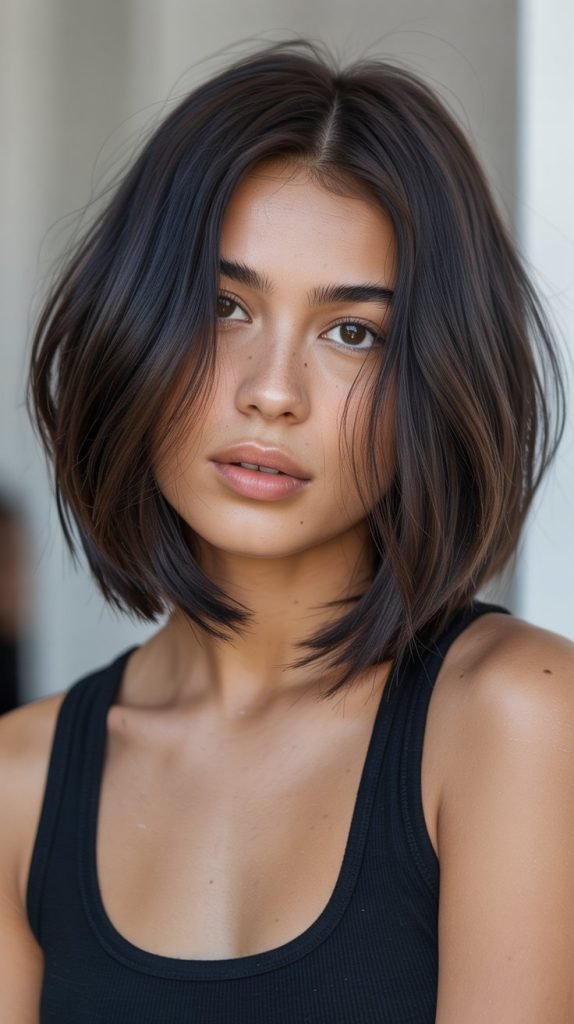
The choppy bob for straight hair transforms naturally sleek, smooth texture into a dimensional, textured style through strategic layering that adds movement to hair that typically lies flat.
- Straight hair benefits from choppy bobs as the textured layers break up the hair’s tendency to fall in a solid, heavy sheet, creating separation and dimension that straight hair naturally lacks.
- The choppy cutting technique on straight hair creates visible texture even when air-dried, as the varied lengths and angles prevent all strands from lying perfectly parallel.
- Point-cutting and slide-cutting techniques work best for straight hair, creating soft, irregular ends that separate naturally rather than forming the solid lines that straight hair naturally creates.
- Straight-haired choppy bobs showcase the precision of the cut more than wavy or curly versions, as the smooth texture reveals every layer and angle clearly without curl interference.
- Styling options include wearing it sleek and smooth to showcase the cut’s architecture, or adding waves or bends with heat tools for additional texture and volume.
- Color techniques like babylights or subtle balayage dramatically enhance straight choppy bobs by creating dimension that prevents the hair from appearing one-dimensional or flat.
- Maintenance every 6-8 weeks is essential for straight hair choppy bobs, as the smooth texture shows every millimeter of growth and can quickly appear grown-out or unkempt without regular trims.
28. Choppy A-Line Bob
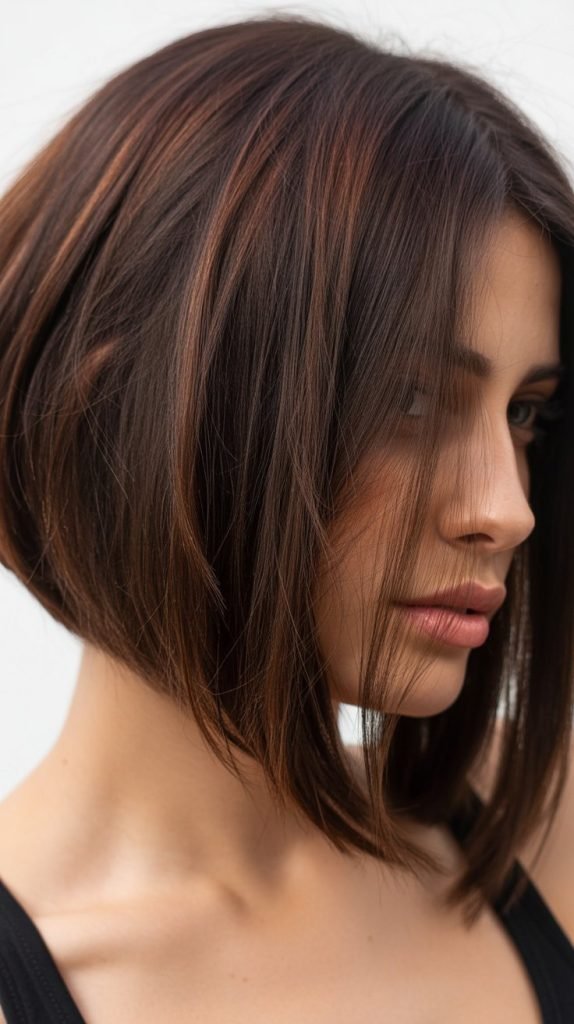
The choppy A-line bob combines the classic graduated A-line shape—shorter in back, longer in front—with choppy texture throughout for a modern update on this timeless silhouette.
- The A-line shape creates a diagonal line when viewed from the side, with the back cut short (typically nape to ear length) and front pieces extending longer (chin to collarbone length).
- Choppy texture throughout the graduated lengths softens the traditional A-line’s severe geometric shape, adding contemporary edge and wearable texture to the classic cut.
- This combination works beautifully for all face shapes, as the forward-angling diagonal line creates elongation and draws the eye forward toward facial features rather than outward.
- The shorter back prevents the cut from appearing heavy or triangular, while the longer front provides versatility for styling—tucked behind ears, worn forward, or styled with waves.
- The choppy A-line bob particularly flatters women with beautiful necks and jawlines, as the short back showcases these features while the textured front softens and frames the face.
- Styling involves blow-drying the back sections smooth or with slight lift at the roots, while the longer front can be left straight, waved, or curled depending on desired formality.
- Maintenance requires precision cuts every 6-7 weeks to preserve the exact diagonal line, as uneven growth can disrupt the careful graduation and cause the A-line shape to lose definition.
29. Choppy Bob with Lowlights
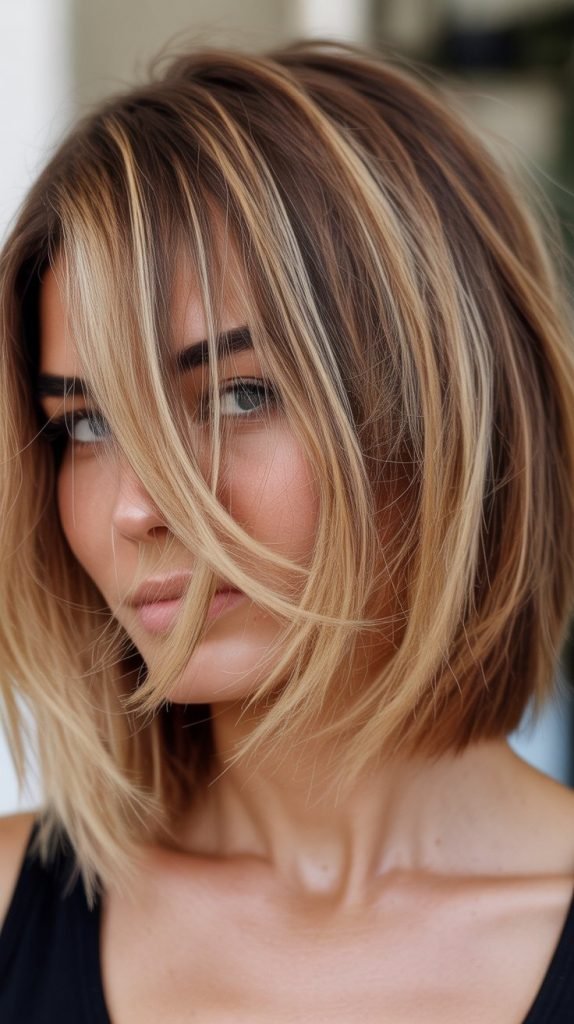
The choppy bob with lowlights incorporates darker color strands throughout lighter base color, creating depth and dimension that enhances the cut’s textured layers and adds visual richness.
- Lowlights involve adding darker color than the base shade, creating depth and dimension that prevents hair from appearing flat or one-dimensional, particularly beneficial for blonde or light-colored hair.
- The darker strands strategically placed throughout the choppy bob enhance the textured layers by creating shadows and depth that make the cut appear more voluminous and dimensional.
- This technique works particularly well for women transitioning from lighter to darker hair, as lowlights create gradual color change without the harsh grow-out line of all-over color.
- The choppy texture showcases lowlights beautifully, as the piece-y, separated ends display the color variation more visibly than blunt cuts where colors can blend together visually.
- Popular lowlight combinations for 2025 include caramel lowlights in blonde hair, chocolate brown in light brown hair, and auburn tones in red or copper-colored hair.
- Lowlights require less maintenance than highlights, as the darker color growing out blends naturally with roots, typically requiring refresh appointments only every 12-16 weeks.
- Styling products should be color-safe and sulfate-free to prevent premature fading of lowlights, with color-depositing treatments occasionally used to maintain richness and depth.
30. Choppy Bob with Side-Swept Bangs
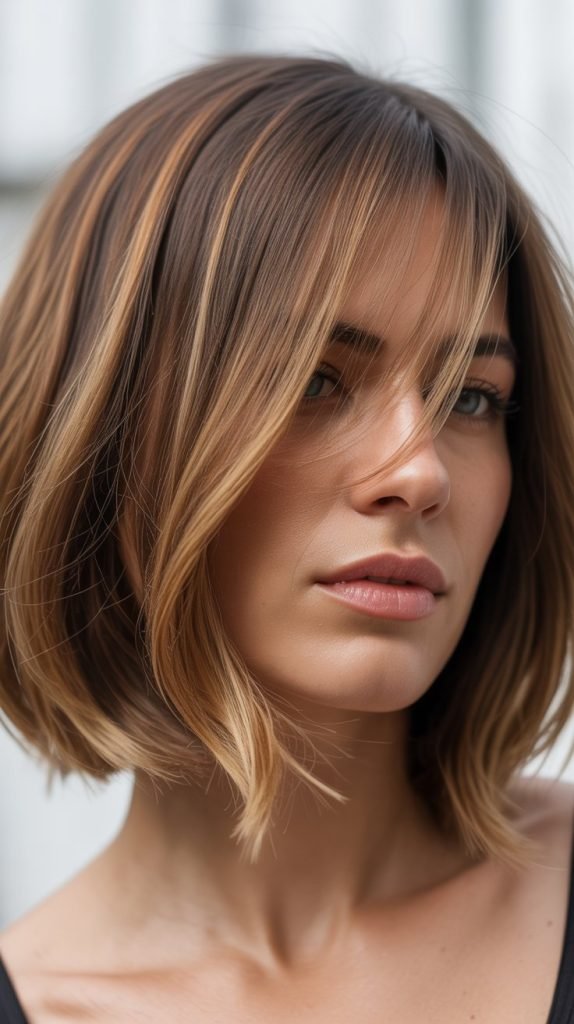
The choppy bob with side-swept bangs features longer fringe pieces that sweep dramatically to one side, creating asymmetry and elegance that complements the textured choppy layers throughout.
- Side-swept bangs typically begin at the part line on one side and sweep across the forehead to the opposite side, creating a diagonal line that elongates and slims the face.
- The length of side-swept bangs ranges from eye-grazing to cheekbone-length, with longer versions offering more versatility for styling swept back or tucked behind ears.
- This bang style flatters virtually all face shapes—the diagonal sweep narrows wide foreheads, softens angular jaws, and creates movement that breaks up symmetrical features.
- The choppy texture throughout the bob extends into the side-swept bangs, preventing them from appearing too solid or heavy and maintaining consistency with the overall cut’s aesthetic.
- Styling side-swept bangs involves blow-drying them in the desired direction using a round brush, or flat-ironing with a slight bend to create smooth, elegant sweeping motion.
- The versatility of side-swept bangs allows women to change their look easily—swept forward for face-framing drama, brushed back for forehead exposure, or pinned for formal updos.
- Maintenance requires bang trims every 4-5 weeks to prevent excessive length that loses the sweeping motion, while the choppy bob itself needs refreshing every 6-8 weeks.
31. Choppy Bob with Ombre
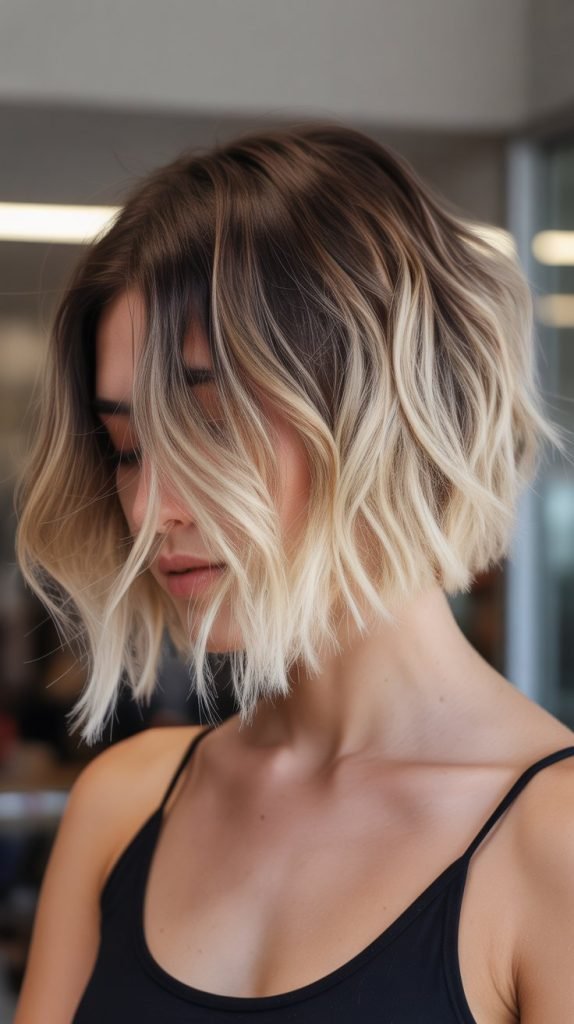
The choppy bob with ombre features gradual color transition from darker roots to lighter ends, creating dramatic dimension that’s beautifully showcased by the cut’s textured, piece-y layers.
- Ombre creates more dramatic color transition than balayage, with distinct color shift typically occurring at mid-length and lighter color concentrated heavily at the ends.
- The choppy bob’s textured ends perfectly showcase the lighter ombre color, as the piece-y, separated layers display the color concentration more visibly than blunt cuts would.
- This color technique works particularly well with medium to long choppy bobs that provide sufficient length for the color gradient to develop and transition naturally from dark to light.
- Popular ombre combinations for choppy bobs in 2025 include dark brown to caramel blonde, black to ash brown, auburn to copper blonde, and dark blonde to platinum.
- The dramatic nature of ombre pairs beautifully with the choppy bob’s edgy aesthetic, creating a cohesive, fashion-forward look that makes strong style statements.
- Maintenance involves less frequent color appointments than traditional highlights—every 12-16 weeks—as the darker roots are intentional and don’t require constant touch-ups as they grow.
- The ombre on choppy bobs requires proper color-care products to maintain the light ends’ vibrancy, including purple shampoo for blonde ombres and color-depositing treatments for richness.
32. Choppy Bob for Heart-Shaped Faces
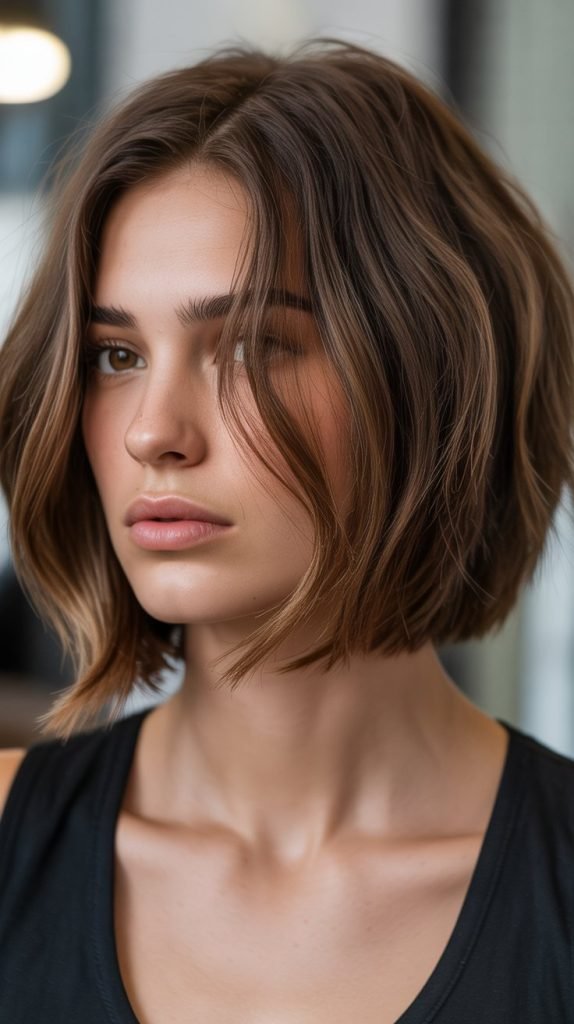
The choppy bob for heart-shaped faces utilizes specific design elements—chin-length cuts, textured ends at the jawline, and volume at the bottom—to balance wider foreheads with narrower chins.
- Heart-shaped faces feature wider foreheads and cheekbones with narrower, pointed chins, requiring choppy bobs that add width and substance at the lower face for proportion balance.
- Chin to jaw-length choppy bobs work ideally, as this length creates width exactly where heart-shaped faces need it most—at the narrower lower portion of the face.
- The choppy, textured ends at jaw level add visual volume and width that balances the face’s naturally wider upper portions, creating the illusion of more oval-like proportions.
- Side-swept or long bangs work beautifully for heart-shaped faces, as they minimize the forehead’s width while the choppy bob’s body balances the narrow chin.
- Avoid very short choppy bobs that expose the full forehead and create emphasis on the face’s upper width, or very long versions that draw focus downward to the pointed chin.
- Styling should focus on creating volume and texture at jaw level—flipping ends outward slightly or adding waves at the bottom creates the width heart-shaped faces need.
- Face-framing layers should start at cheekbone level or below rather than higher up, preventing additional emphasis on the already-wide upper face and instead framing the narrower lower face.
33. Choppy Bob with Deep Side Part
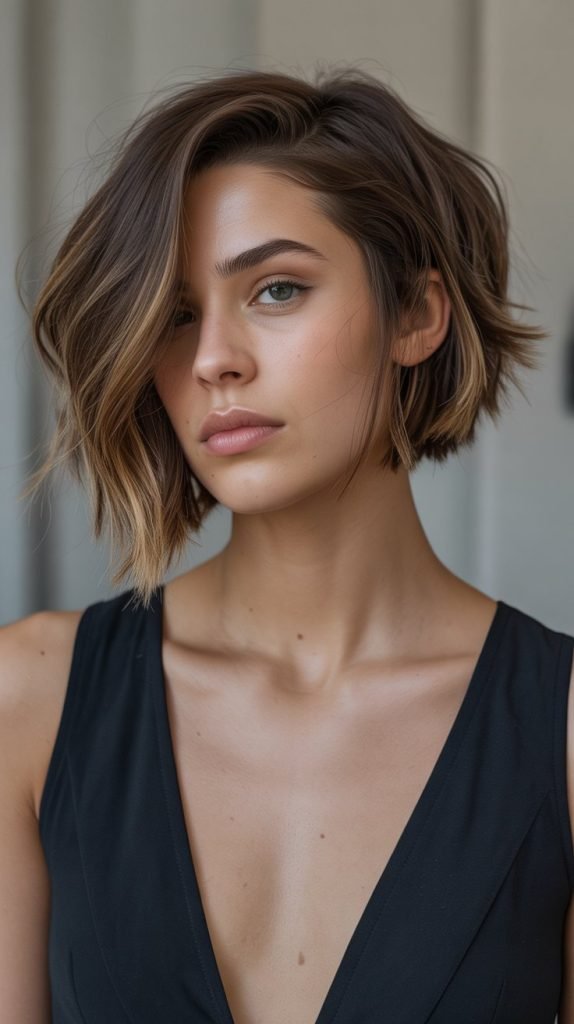
The choppy bob with deep side part creates dramatic asymmetry through extreme part placement that positions the hair division far to one side for bold, eye-catching volume and style.
- The deep side part positions the hair division 3-4 inches from the face’s center, creating significant volume on the heavier side and exposing more scalp on the lighter side for dramatic effect.
- This extreme asymmetry adds instant glamour and sophistication to the choppy bob, transforming what could be a casual cut into a red-carpet-worthy style with simple part repositioning.
- The heavy side’s volume naturally increases due to the quantity of hair falling in one direction, while the choppy layers on this side create cascading, dimensional texture.
- The lighter side can be tucked behind the ear to maximize asymmetry and showcase facial features, or left forward for a softer, more mysterious sweeping effect across the face.
- Deep side parts particularly flatter round and square faces by breaking symmetry and creating diagonal lines that slim and elongate rather than emphasizing width.
- The choppy texture works synergistically with the deep part, as the textured ends on the heavy side create movement and prevent the volume from appearing too solid or heavy.
- While the part position itself requires no maintenance, training hair to naturally fall in a deep side part takes 2-3 weeks of consistent styling in the desired direction.
34. Choppy Bob with Micro Bangs
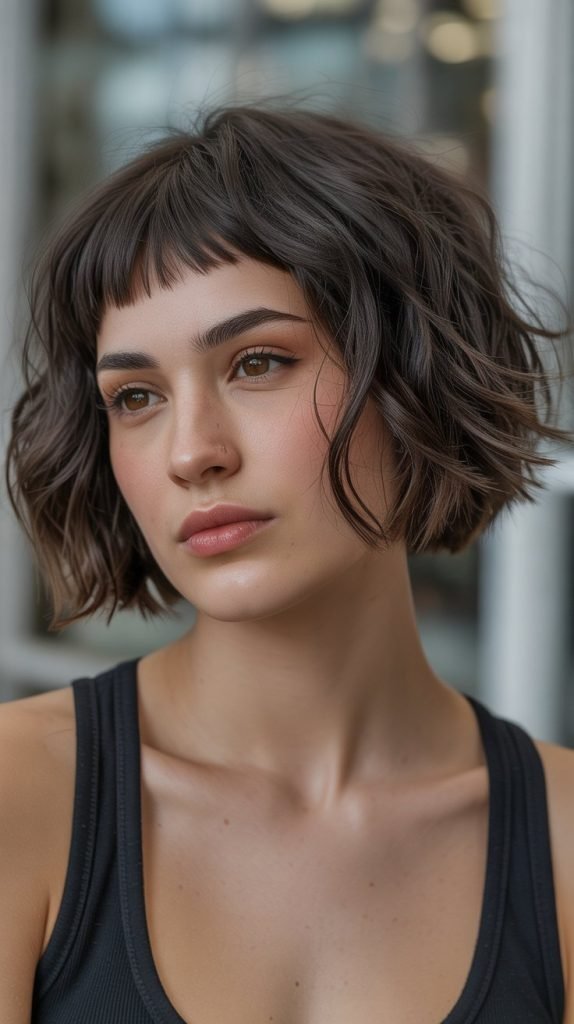
The choppy bob with micro bangs creates ultra-edgy, avant-garde style by pairing the textured choppy layers with dramatically short bangs that end well above the eyebrows for bold fashion statements.
- Micro bangs, also called baby bangs, are cut extremely short, typically ending 1-2 inches above the eyebrows, creating dramatic, attention-grabbing contrast with traditional bang lengths.
- This bold bang style paired with the choppy bob’s edgy texture creates a cohesive, fashion-forward aesthetic perfect for trendsetters and women with strong personal style.
- Micro bangs work best for women with smaller foreheads and delicate facial features, as the short length exposes significant forehead space and draws maximum attention to the eyes and eyebrows.
- The choppy bob’s textured layers soften the severity of micro bangs, preventing the overall look from appearing too harsh or costume-like through the added movement and dimension.
- Styling micro bangs requires blow-drying them straight down or slightly forward with a small round brush, as their short length limits styling versatility compared to longer bang options.
- This combination demands confidence and commitment, as micro bangs make strong statements that attract attention and require several months to grow out if desired.
- Maintenance is intensive—micro bangs need trimming every 2-3 weeks to maintain their dramatically short length and prevent them from growing into traditional bang territory.
35. Choppy Bob with Textured Waves
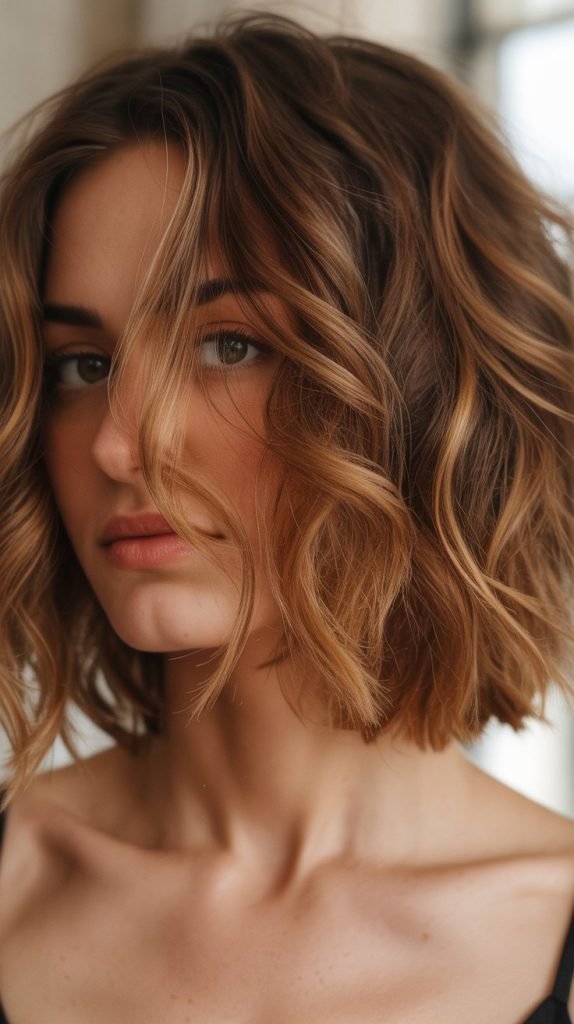
The choppy bob with textured waves combines the cut’s inherent piece-y layers with styled or natural waves that create romantic, dimensional movement throughout for effortlessly beautiful results.
- Textured waves differ from tight curls or perfectly uniform waves, featuring irregular, organic wave patterns with varying depths and directions that create natural-looking movement.
- The choppy layers enhance wave formation by removing weight that can pull waves down, allowing the natural or styled wave pattern to spring up and create maximum volume and bounce.
- This styling works beautifully for women with naturally wavy hair, as the choppy cut amplifies their existing texture, or for straight-haired women who enjoy heat-styling waves into their cuts.
- Creating textured waves involves using curling wands or flat irons to add bends at various angles throughout the choppy bob, then separating and tousling for imperfect, organic texture.
- The wave pattern interacts beautifully with the choppy layers, as each textured section moves independently, creating dimensional, multifaceted movement rather than uniform wave sheets.
- Styling products like wave-enhancing sprays, sea salt sprays, or light-hold mousses help define and maintain the textured waves without creating stiffness or crunchiness.
- The beauty of textured waves in choppy bobs lies in their forgiveness—as waves fall and lose definition throughout the day, the result remains attractive and intentional rather than messy.
36. Choppy Bob with Peek-a-Boo Highlights
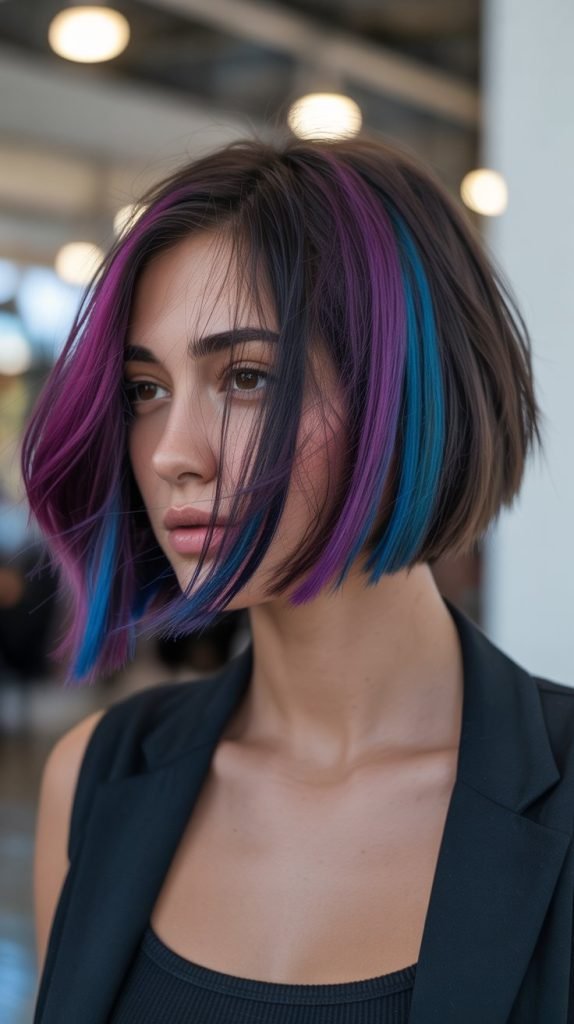
The choppy bob with peek-a-boo highlights features hidden bright or contrasting color underneath the top layers that reveals itself with movement, creating playful surprise color elements.
- Peek-a-boo highlights are placed on the underneath sections of hair, hidden beneath the top layers when hair lies flat but revealed when hair moves, is styled, or is tucked behind ears.
- This technique allows conservative professional environments to coexist with creative self-expression, as the bright colors remain hidden during formal situations and revealed during casual time.
- Popular peek-a-boo color choices for 2025 include vibrant fashion colors like purple, blue, pink, or teal on dark bases, or bold blonde on brunette for more subtle contrast.
- The choppy bob’s textured, piece-y nature works perfectly with peek-a-boo highlights, as the separated layers naturally shift and move to reveal glimpses of the hidden color underneath.
- This color placement works best with medium to longer choppy bobs that provide sufficient hair length to completely conceal the underneath colors when desired for professional appearances.
- Styling variations include tucking one side behind the ear to reveal more peek-a-boo color, creating half-up styles that expose the colored sections, or wearing it fully down to hide them.
- Maintenance depends on color choice—fashion colors require refresh appointments every 6-8 weeks and special color-safe care, while traditional peek-a-boo highlights follow standard timing of 8-12 weeks.
37. Choppy Bob with Volume at Crown
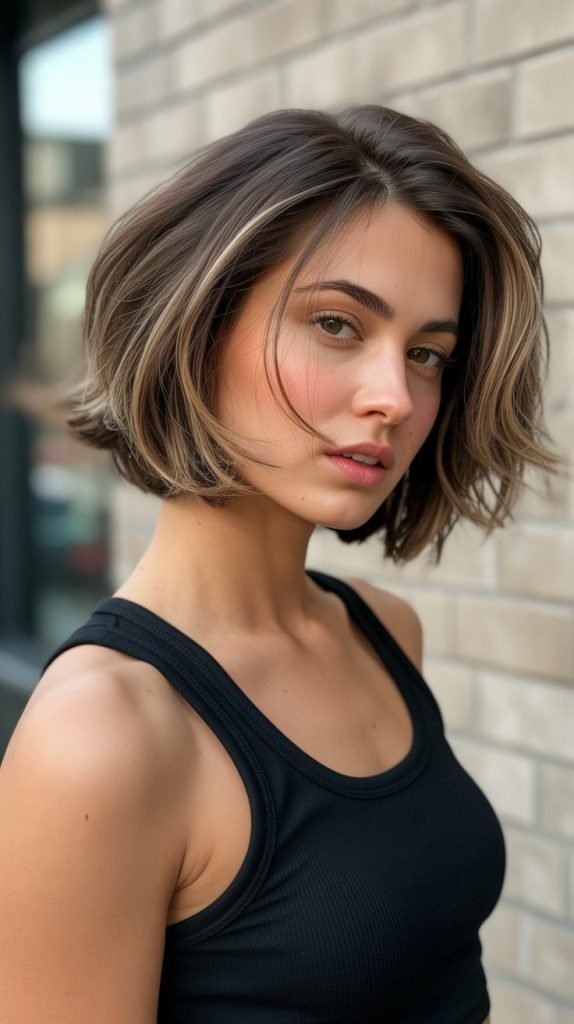
The choppy bob with volume at crown focuses layering and styling techniques on creating significant lift and height at the top of the head for dramatic dimension and flattering face-elongation.
- Crown volume is achieved through strategic short layers at the very top of the head that lift away from the scalp rather than lying flat, creating natural height and dimension.
- This technique particularly benefits women with flat hair or round faces, as the added height creates vertical lines that elongate the face and counterbalance horizontal width.
- The choppy texture throughout works synergistically with crown volume, as the textured layers move freely and maintain lift rather than falling flat under their own weight.
- Styling crown volume involves blow-drying the top section upward and backward using a round brush, or using volumizing products at the roots followed by gentle backcombing for lasting lift.
- The volume at the crown creates a balanced silhouette when paired with the choppy bob’s textured ends, preventing the cut from appearing bottom-heavy or triangular.
- This styling works for various choppy bob lengths, from short to medium, as the crown volume adds dimension regardless of overall hair length at the perimeter.
- Maintaining crown volume throughout the day requires lightweight volumizing products that provide hold without weight, and occasional refreshing with dry texturizing spray at the roots.
38. Choppy Lob (Long Bob)
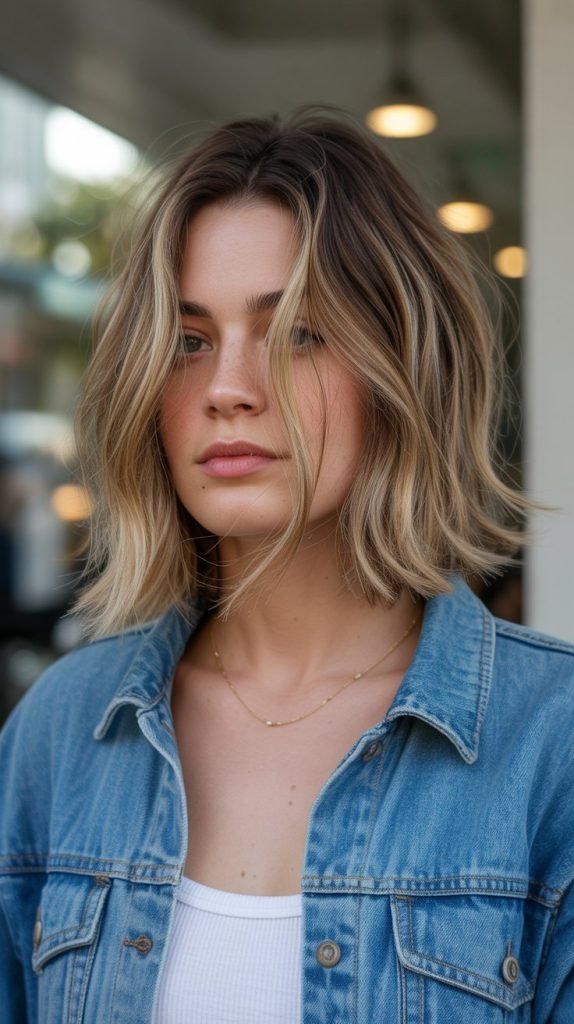
The choppy lob extends the bob concept to longer lengths between chin and shoulder, incorporating choppy layers throughout for a versatile, low-maintenance style that bridges short and long hair.
- The lob length typically falls between collarbone and shoulder, providing more length than traditional bobs while maintaining the style’s essential character and easy maintenance.
- Choppy layers throughout the lob prevent the longer length from appearing heavy or one-dimensional, adding movement and texture that keeps the style dynamic and interesting.
- This length offers maximum versatility—long enough for ponytails and updos when needed, short enough to maintain the bob’s characteristic easy styling and modern appeal.
- The choppy lob works for all hair types, with adjustments to layer depth accommodating fine hair (fewer, strategic layers), thick hair (more aggressive layering), and everything in between.
- Women transitioning from long to short hair often choose the choppy lob as a intermediate step that provides significant length reduction without the commitment of chin-length bobs.
- Styling options include wearing it straight and sleek, adding waves or curls for texture, or styling it in casual updos and ponytails that shorter bobs cannot achieve.
- Maintenance is less frequent than shorter bobs, requiring trims every 8-10 weeks to refresh the choppy layers and remove split ends while maintaining the longer length.
Conclusion
The diverse range of 37+ Choppy Bob Haircuts for Women in 2025 proves that this versatile style offers endless possibilities for personalization, face-shape flattery, and lifestyle compatibility.
From ultra-short pixie bobs to longer shoulder-grazing lobs, from subtle choppy texture to dramatically razored ends, there’s a choppy bob variation perfectly suited to your unique hair type,
facial features, and personal aesthetic. The key to finding your ideal choppy bob lies in understanding how different elements—length, layer placement, texture intensity, and styling techniques—work together to create flattering, manageable results.
Whether you’re drawn to the edgy asymmetry of undercut variations, the romantic softness of wavy textures, or the bold statements of micro bangs and peek-a-boo colors, the choppy bob family offers transformative options that combine low maintenance with high style impact.
Consult with an experienced stylist who understands choppy cutting techniques, bring reference photos that inspire you, and embrace the textured, dimensional beauty that makes the choppy bob one of 2025’s most enduring and beloved haircut trends.
