

The transition to gray hair doesn’t have to mean sacrificing style or sophistication.
Whether you’re embracing your natural silver strands or looking to create a seamless blend with your existing light brown hair, there are countless elegant approaches to achieve a stunning, multi-dimensional look
This comprehensive guide explores 27 Chic Ways to Blend Gray Hair with Light Brown, offering you professional techniques, styling tips, and maintenance strategies that will transform your hair into a masterpiece of natural beauty.
This article provides an in-depth overview of blending techniques ranging from subtle highlights and lowlights to bold color placement strategies.
You’ll discover professional coloring methods, at-home solutions, styling techniques that enhance the blend, and maintenance routines that keep your color looking fresh.
Each method is designed to help you create a harmonious balance between gray and light brown tones while maintaining the health and integrity of your hair.
1. Balayage Blending Technique
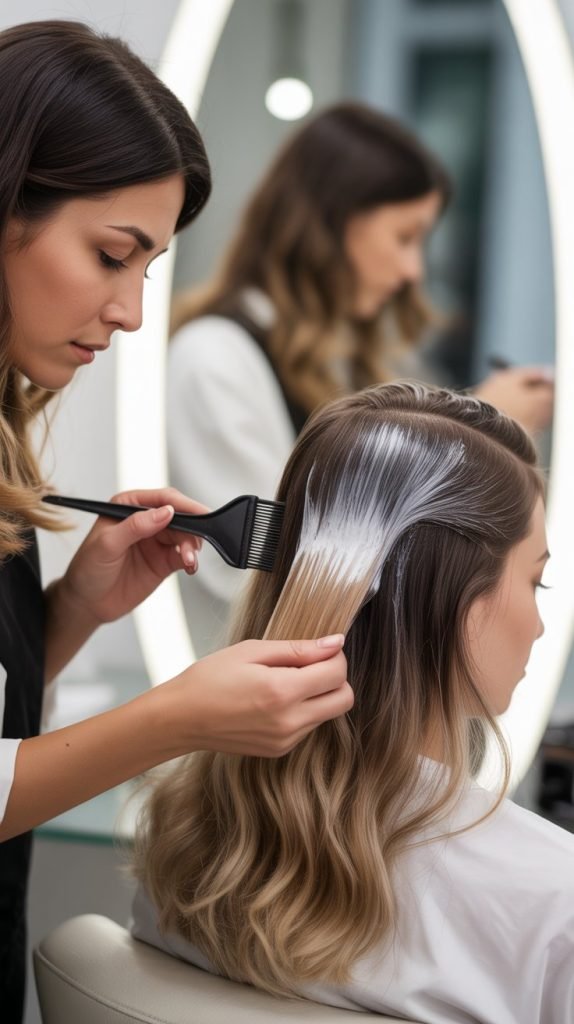
Balayage offers one of the most natural-looking approaches to blending gray hair with light brown. This French highlighting technique creates soft, hand-painted strokes that mimic how hair naturally lightens in the sun.
- The balayage technique involves painting color directly onto sections of hair using a brush
- Colorists focus on creating seamless transitions between gray roots and light brown lengths
- The placement of highlights varies throughout the hair to create dimension and movement
- This method works exceptionally well for those with 30-50% gray coverage
- The grow-out process is more forgiving compared to traditional foil highlights
- Maintenance appointments are typically needed every 12-16 weeks
2. Foil Highlighting Method
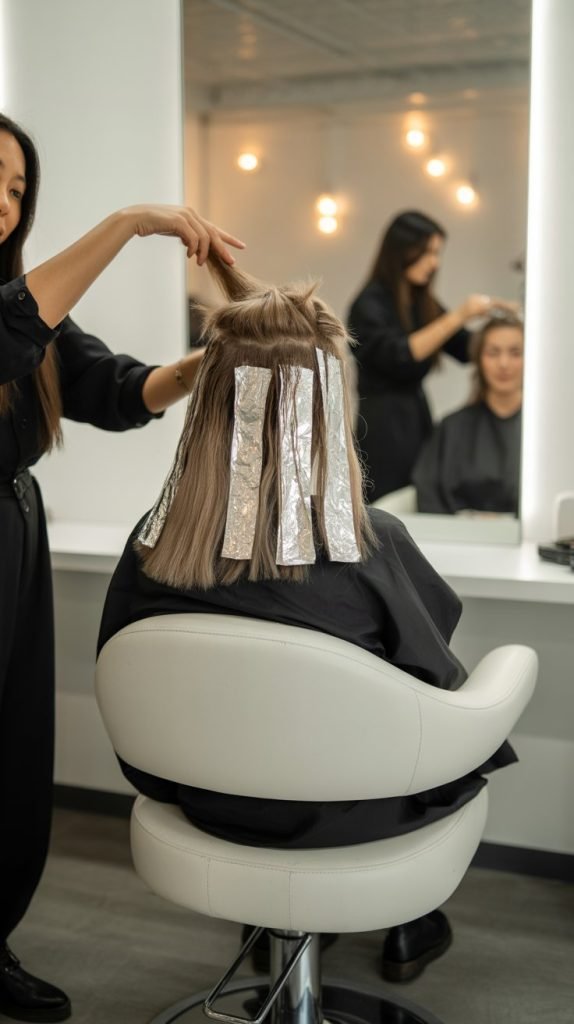
Traditional foil highlights remain a classic choice for blending gray hair with light brown base colors. This precise technique allows for controlled color placement and predictable results.
- Foils create controlled heat that processes color more evenly and predictably
- Colorists can target specific gray sections while preserving existing light brown tones
- The technique allows for multiple tones to be applied simultaneously
- Foil highlights typically require touch-ups every 8-12 weeks
- This method provides more dramatic results compared to balayage
- The precision makes it ideal for covering stubborn gray areas
3. Root Shadowing Integration
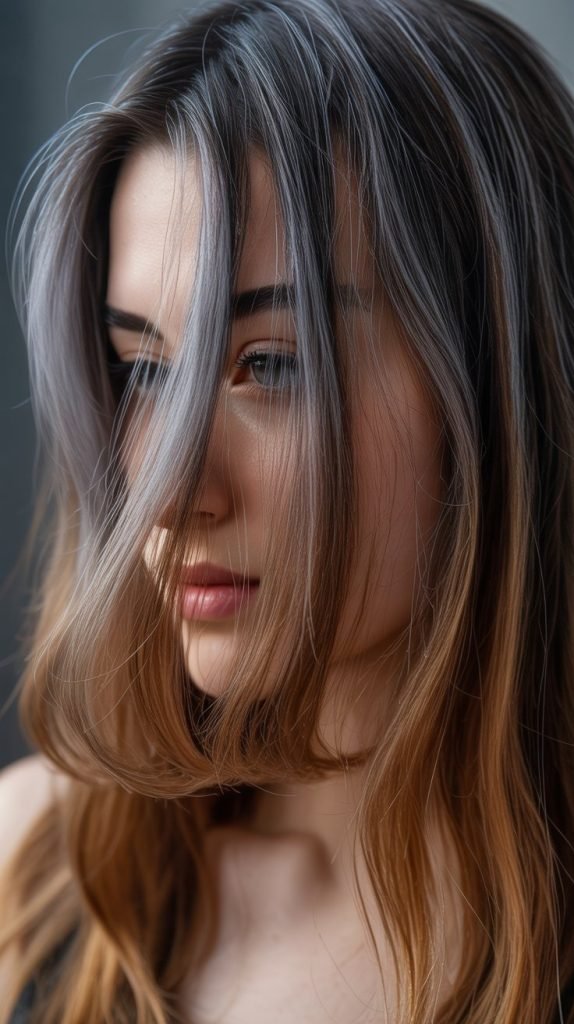
Root shadowing creates a soft gradient from darker roots to lighter ends, making gray regrowth less noticeable while maintaining dimension.
- This technique involves applying a slightly darker shade at the roots that gradually blends outward
- Root shadows help extend the time between color appointments
- The darker base makes gray regrowth appear intentional rather than grown-out
- Colorists typically use a shade 1-2 levels darker than the mid-length hair
- The technique works particularly well with wavy or curly hair textures
- Maintenance can be extended to 10-14 weeks with proper root shadowing
4. Color Melting Approach
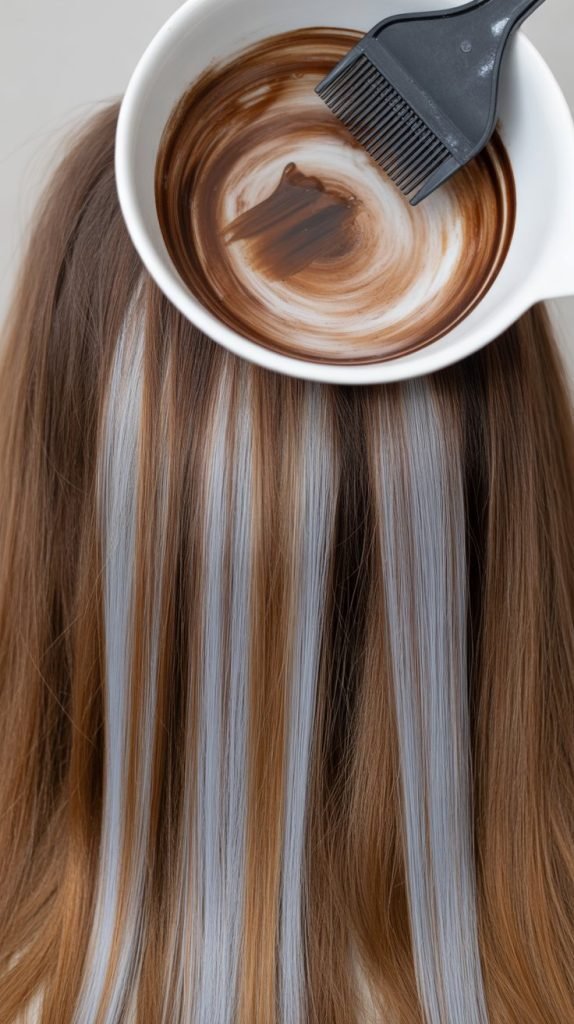
Color melting creates an ultra-smooth transition between different hair colors, eliminating any harsh lines between gray and light brown sections.
- The technique involves overlapping different tones to create seamless blends
- Multiple shades are applied and blended while wet for smooth transitions
- Color melting works exceptionally well for correcting previous color mistakes
- The process typically takes 3-4 hours in a professional salon setting
- Results last 8-12 weeks depending on hair growth and washing frequency
- This method provides the most natural-looking blend between gray and brown tones
5. Babylights Technique
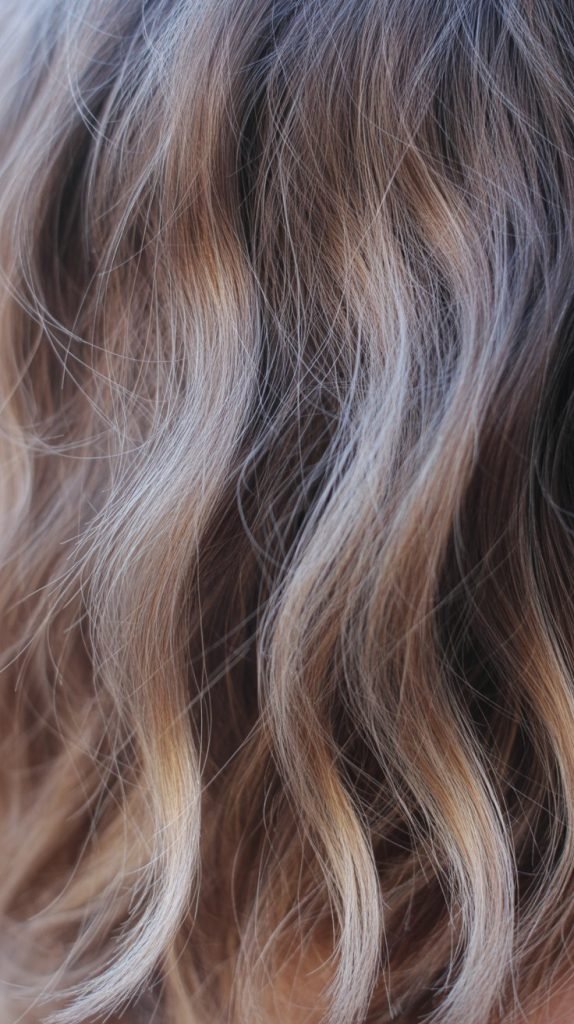
Babylights create very fine, delicate highlights that mimic the subtle color variations found in children’s hair, perfect for a natural gray-brown blend.
- These ultra-fine highlights are much smaller than traditional highlighting techniques
- The technique creates subtle dimension without obvious color placement
- Babylights work particularly well for those with fine or thin hair
- The delicate nature makes gray blending appear completely natural
- Processing time is typically 2-3 hours due to the precision required
- Touch-ups are needed every 10-12 weeks to maintain the subtle effect
6. Ombre Styling Strategy
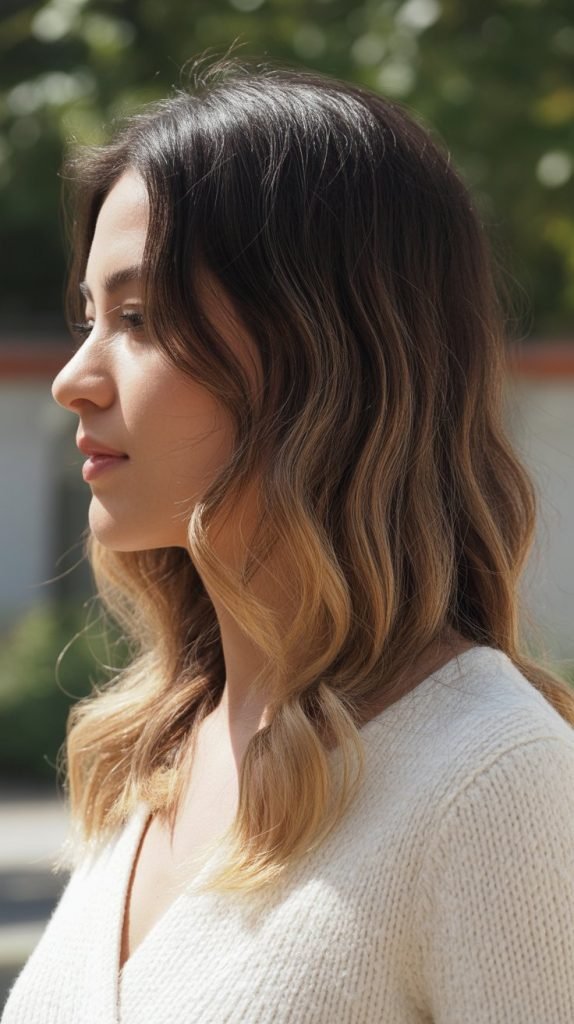
Ombre creates a gradual transition from darker roots to lighter ends, allowing gray roots to blend naturally with progressively lighter brown tones.
- The technique starts with darker tones at the roots and gradually lightens toward the ends
- Gray roots appear intentional as part of the overall color design
- Ombre works well with various hair lengths from bob to long styles
- The grow-out process is virtually maintenance-free for the first 12-16 weeks
- Different brown tones can be incorporated throughout the length for added dimension
- This style works particularly well for those wanting a low-maintenance color solution
7. Lowlight Integration Method
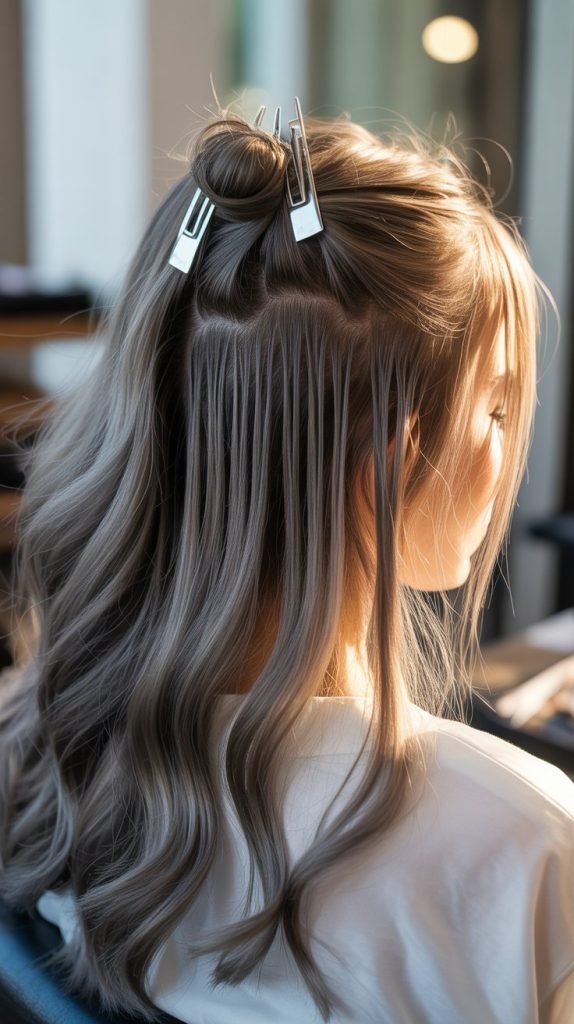
Lowlights involve adding darker tones to create depth and help gray hair blend more naturally with existing light brown color.
- Darker tones are woven throughout the hair to create natural-looking depth
- Lowlights help break up solid color and add multidimensional interest
- The technique is particularly effective for those with more than 50% gray coverage
- Ash and cool brown tones work best for blending with gray undertones
- Lowlights require less frequent touch-ups compared to highlights
- The process typically takes 2-3 hours depending on the amount of coverage needed
8. Gloss Treatment Enhancement
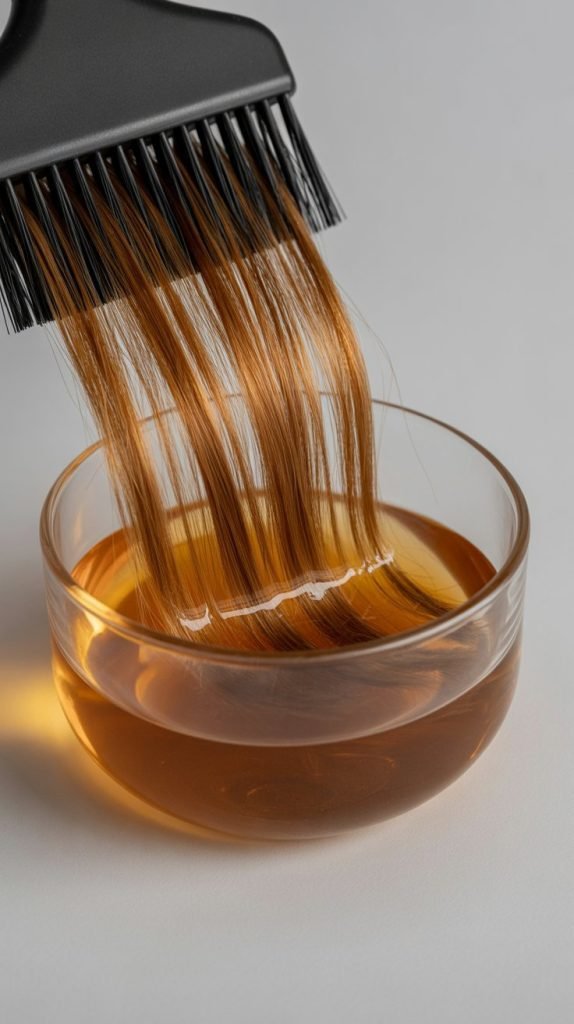
Hair glosses add shine and can subtly adjust tone while helping to blend gray and light brown hair colors seamlessly.
- Semi-permanent glosses enhance natural tones without permanent color commitment
- The treatment adds incredible shine and smooths the hair cuticle
- Glosses can neutralize unwanted yellow or brassy tones in both gray and brown hair
- The process is gentler on hair compared to permanent color treatments
- Results typically last 4-6 weeks depending on washing frequency
- Multiple gloss treatments can be layered for more significant color adjustments
9. Chunky Highlight Placement
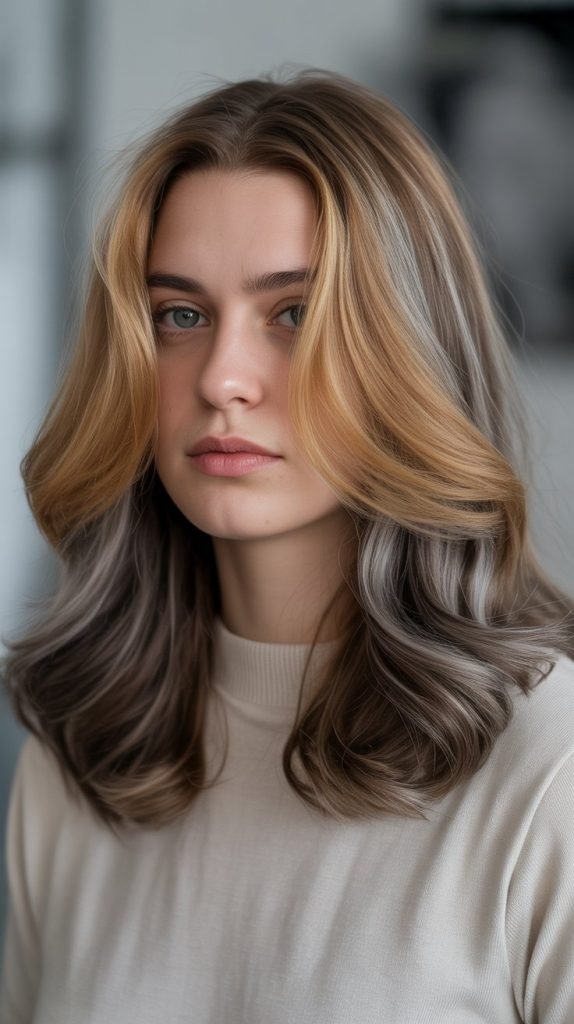
Strategic chunky highlights create bold contrast while effectively camouflaging gray sections throughout light brown hair.
- Wider highlight sections create more dramatic results compared to fine highlights
- The bold placement draws attention away from random gray growth patterns
- Chunky highlights work well with layered cuts that showcase the color placement
- This technique is ideal for those who want noticeable color changes
- Maintenance appointments are typically needed every 8-10 weeks
- The bold contrast creates a youthful and modern appearance
10. Reverse Highlighting Technique
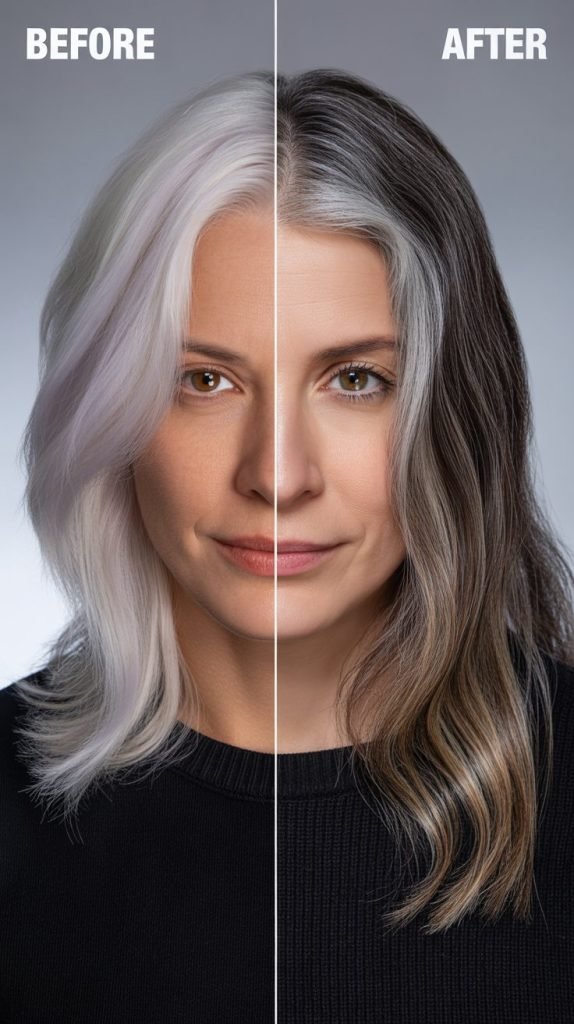
Reverse highlights involve adding darker colors to previously highlighted hair, creating better integration between gray roots and existing color.
- This corrective technique helps when previous highlights have grown out unevenly
- Darker tones are added to create better balance and natural color flow
- The method helps extend the life of existing color while accommodating gray growth
- Reverse highlighting typically uses ash or neutral brown tones
- The technique can be combined with traditional highlights for optimal results
- Processing time varies depending on the amount of correction needed
11. Color Blocking Method
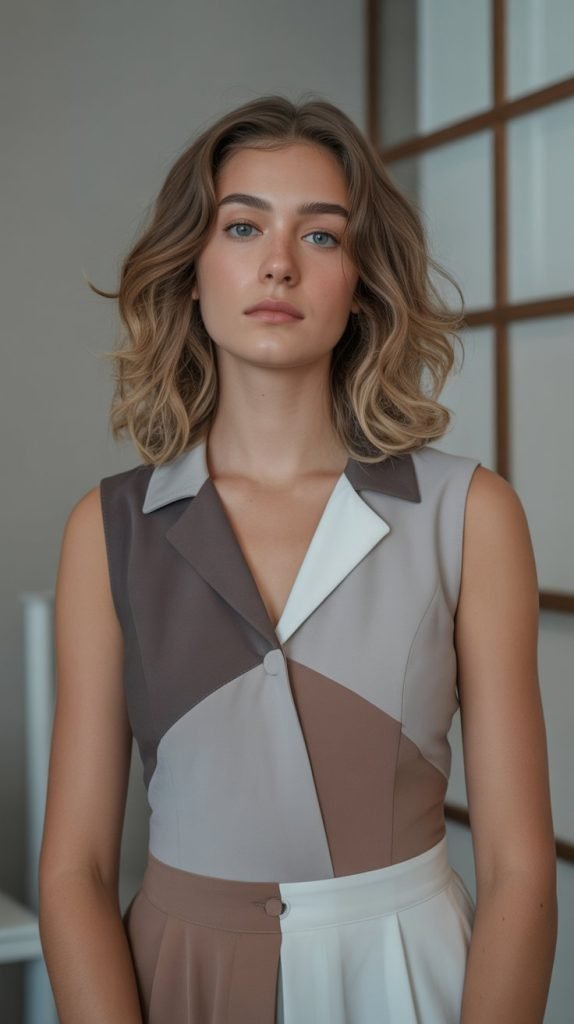
Color blocking creates distinct sections of different shades, allowing for creative placement of gray and light brown tones throughout the hair.
- This modern technique embraces contrast rather than trying to hide color differences
- Sections can be strategically placed to complement face shape and features
- Color blocking works particularly well with geometric or asymmetrical cuts
- The technique allows for creative expression while managing gray growth
- Maintenance involves touching up specific sections rather than overall color
- Bold placement makes intentional color choices appear fashion-forward
12. Pintura Highlighting for Curly Hair
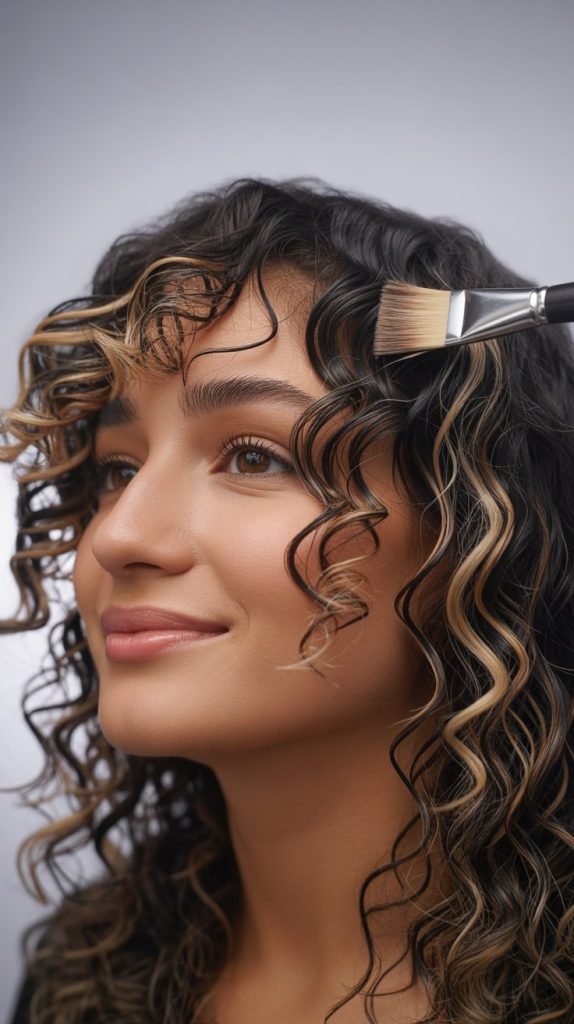
Pintura is a specialized highlighting technique designed specifically for curly and wavy hair textures, perfect for blending gray with light brown.
- The technique involves painting color onto each curl individually for natural placement
- Pintura respects the natural curl pattern and enhances texture rather than fighting it
- Color is applied to the parts of curls that would naturally catch light
- This method prevents the broken or uneven color that traditional techniques can create on curly hair
- The results enhance natural curl definition while managing gray growth
- Touch-ups focus on new growth and can often be done in sections
13. All-Over Toning Approach
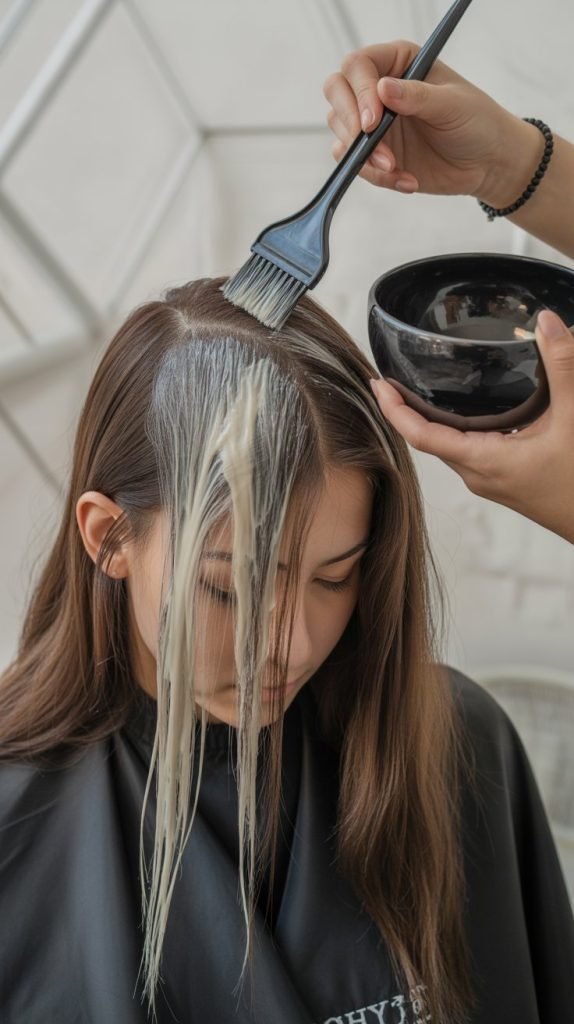
Toning involves applying semi-permanent color to adjust the overall tone of both gray and light brown hair for better harmony.
- Toners can neutralize unwanted undertones in both gray and brown sections
- The process creates uniformity without drastically changing the base color
- Ash toners help cool down warm brown tones to better match gray undertones
- Toning can be done at home with professional-quality products
- The treatment typically lasts 4-8 weeks depending on hair porosity
- Multiple toning sessions may be needed to achieve the desired result
14. Feathering Technique
Feathering creates soft, wispy highlights that blend seamlessly with natural gray growth patterns and existing light brown color.
- Fine sections are pulled through a highlighting cap or using foils for delicate placement
- The technique creates subtle dimension without obvious color lines
- Feathering works well for adding lightness around the face
- The soft placement makes gray regrowth less noticeable
- This method is ideal for those wanting subtle enhancement rather than dramatic change
- Maintenance can be extended due to the subtle nature of the color placement
15. Dimensional Color Weaving
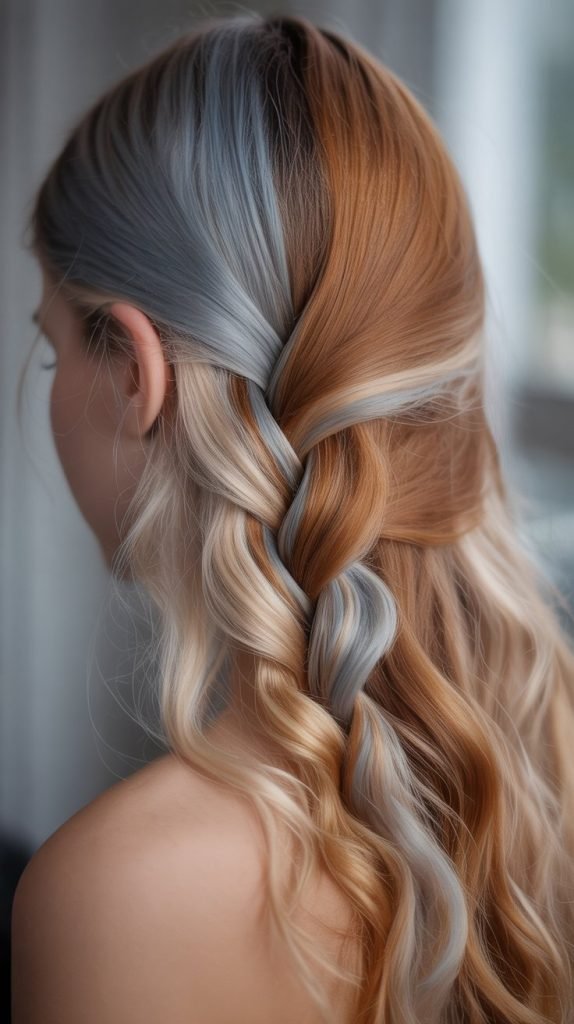
Color weaving involves alternating different shades throughout the hair to create natural-looking dimension and blend gray seamlessly.
- Multiple tones are woven through sections to mimic natural color variation
- The technique uses both highlights and lowlights for maximum dimension
- Color placement follows natural hair growth patterns for realistic results
- Weaving helps break up solid colors and creates movement
- The process typically takes 3-4 hours for full head coverage
- Results can last 10-14 weeks with proper maintenance
16. Face-Framing Highlights
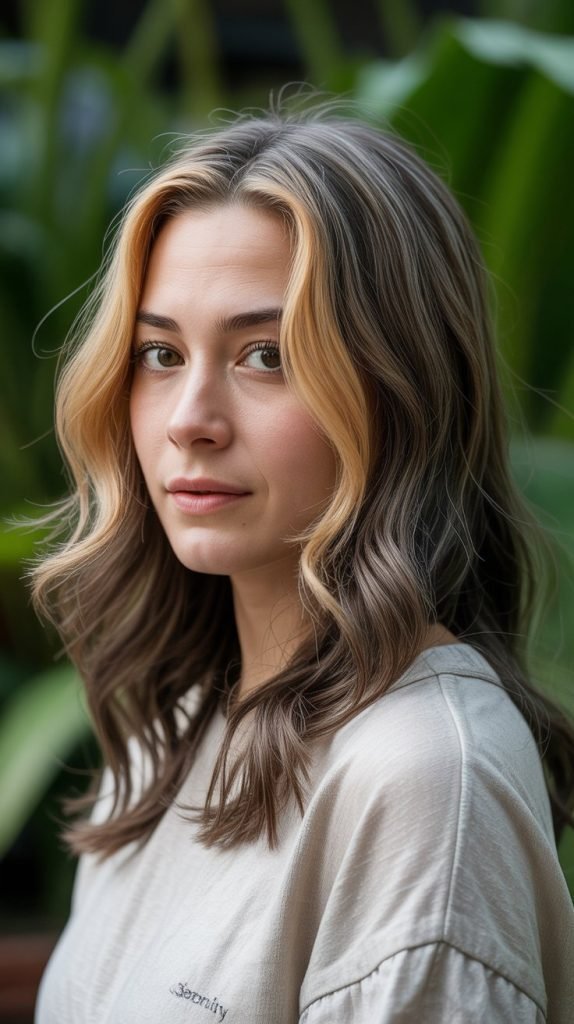
Strategic highlights around the face create brightness and draw attention away from gray roots while complementing existing light brown color.
- Lighter pieces around the face create a flattering and youthful appearance
- The technique helps soften harsh lines and complement skin tone
- Face-framing highlights can be maintained more frequently than full-head color
- The placement strategy works with various hair lengths and styles
- Partial highlighting is more budget-friendly than full-head treatments
- The bright face-framing creates a lifting effect that appears rejuvenating
17. Gradient Blending System
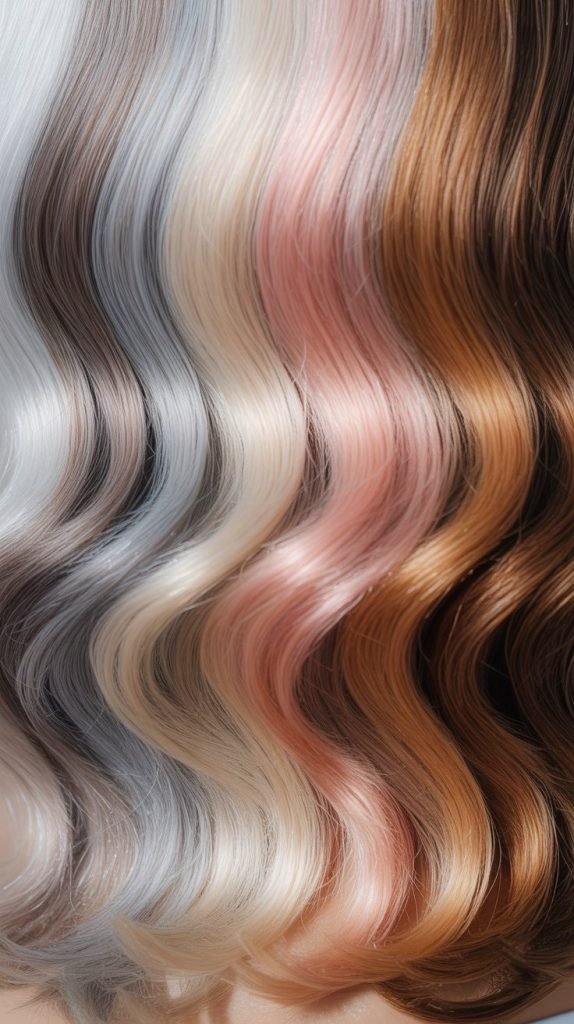
Gradient blending creates smooth transitions between multiple tones, allowing gray and light brown to flow naturally throughout the hair.
- The system uses multiple shades that gradually transition from one to another
- Each section blends into the next for seamless color flow
- Gradient blending eliminates harsh demarcation lines between colors
- The technique works well with various hair textures and lengths
- Professional colorists use specialized application techniques for smooth results
- Maintenance focuses on root touch-ups while preserving the gradient effect
18. Zonal Color Application
Zonal application involves treating different areas of the head with specific color techniques based on gray distribution patterns.
- The crown area often receives different treatment than the sides or back
- Each zone is analyzed for gray percentage and existing color condition
- Customized formulas are created for each area’s specific needs
- The technique ensures even coverage and natural-looking results
- Processing times may vary between zones for optimal color development
- Zonal application prevents over-processing in areas that need less coverage
19. Lived-In Color Technique
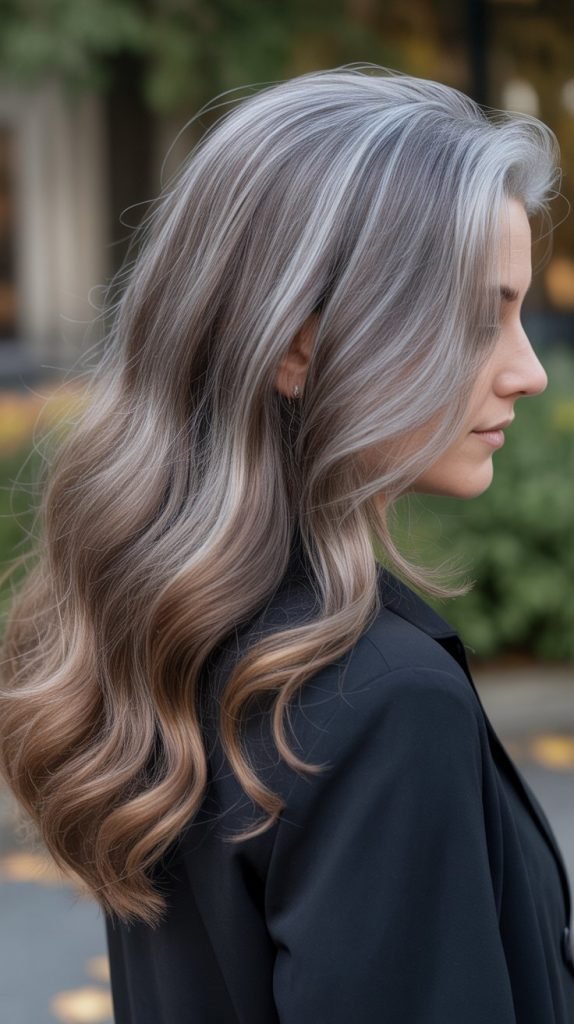
Lived-in color creates an effortless, natural appearance that grows out gracefully while blending gray with light brown tones.
- The technique focuses on creating color that looks natural even as it grows
- Soft transitions and varied placement prevent obvious regrowth lines
- Lived-in color extends time between salon visits significantly
- The approach embraces natural hair movement and texture
- Color placement follows natural hair patterns for realistic results
- Maintenance focuses on refreshing tone rather than complete recoloring
20. Strand-by-Strand Highlighting
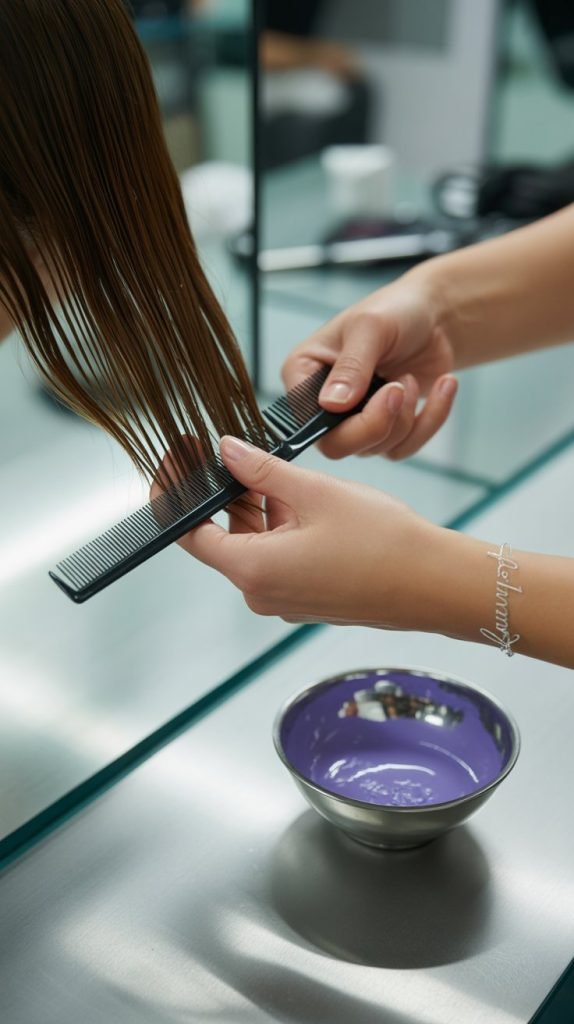
This meticulous technique involves selecting individual strands for color treatment, creating the most natural-looking blend possible.
- Individual hairs are chosen based on their position and natural color
- The technique allows for precise gray coverage while preserving natural variation
- Strand-by-strand work takes considerably longer than traditional methods
- Results appear completely natural with no obvious color patterns
- The precision allows for customized color placement based on individual needs
- Touch-ups can focus on specific areas rather than overall processing
21. Color Refresh Strategy
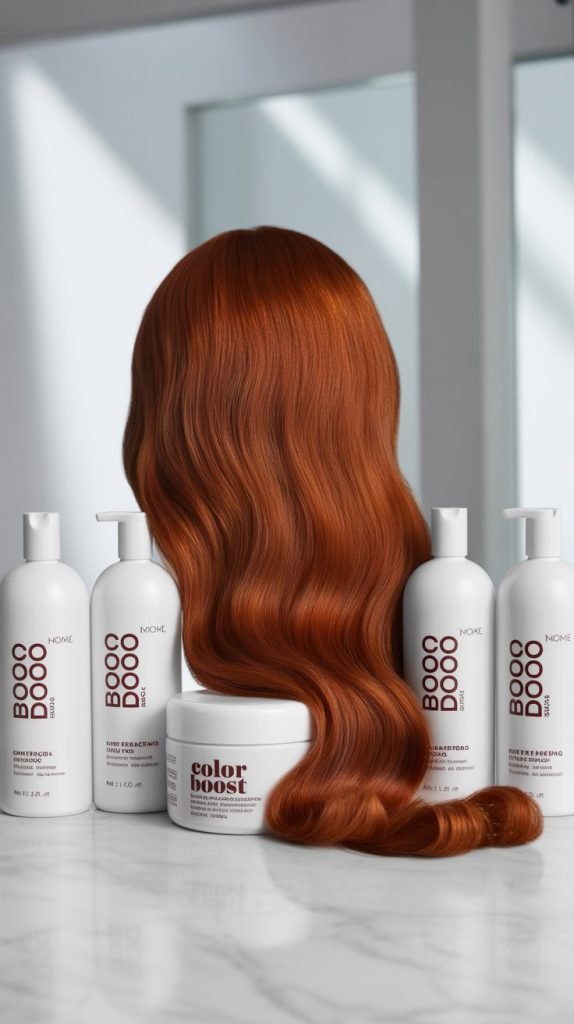
Regular color refreshing maintains the blend between gray and light brown hair without complete recoloring processes.
- Refresh treatments focus on enhancing existing color rather than changing it
- The strategy helps maintain vibrancy and tone consistency
- Semi-permanent products are often used for gentler maintenance
- Color refreshing can be done more frequently than permanent color treatments
- The approach extends the life of salon color services
- Home maintenance products can support professional refresh treatments
22. Subtle Contrast Enhancement
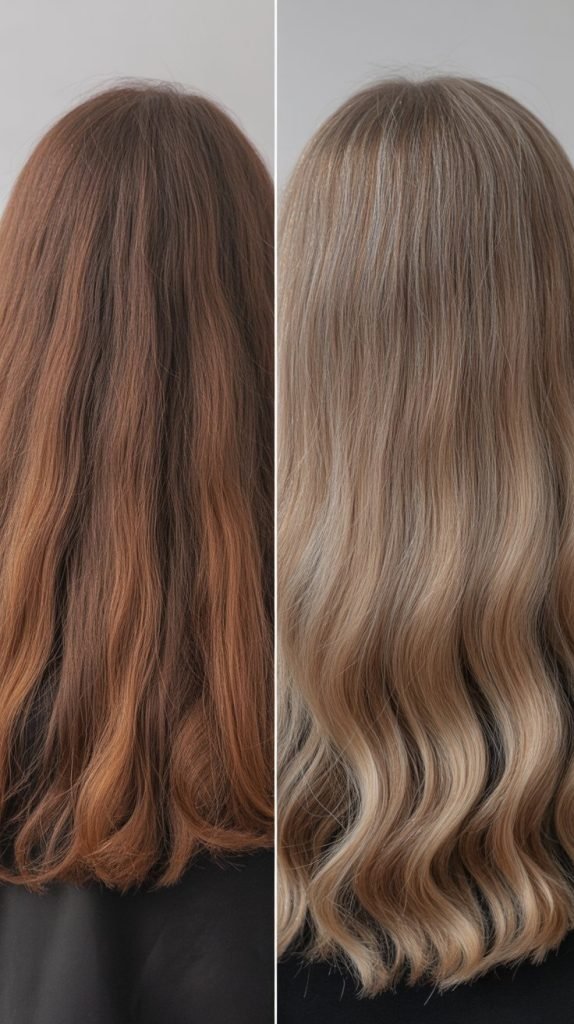
Creating subtle contrast helps define the difference between gray and light brown sections while maintaining natural harmony.
- Slight tonal adjustments enhance natural color variation
- The technique avoids dramatic changes while improving overall appearance
- Contrast enhancement can be achieved through glossing or toning
- Subtle changes often have more impact than dramatic color shifts
- The approach works well for those hesitant about major color changes
- Results appear naturally enhanced rather than obviously colored
23. Seasonal Color Adaptation
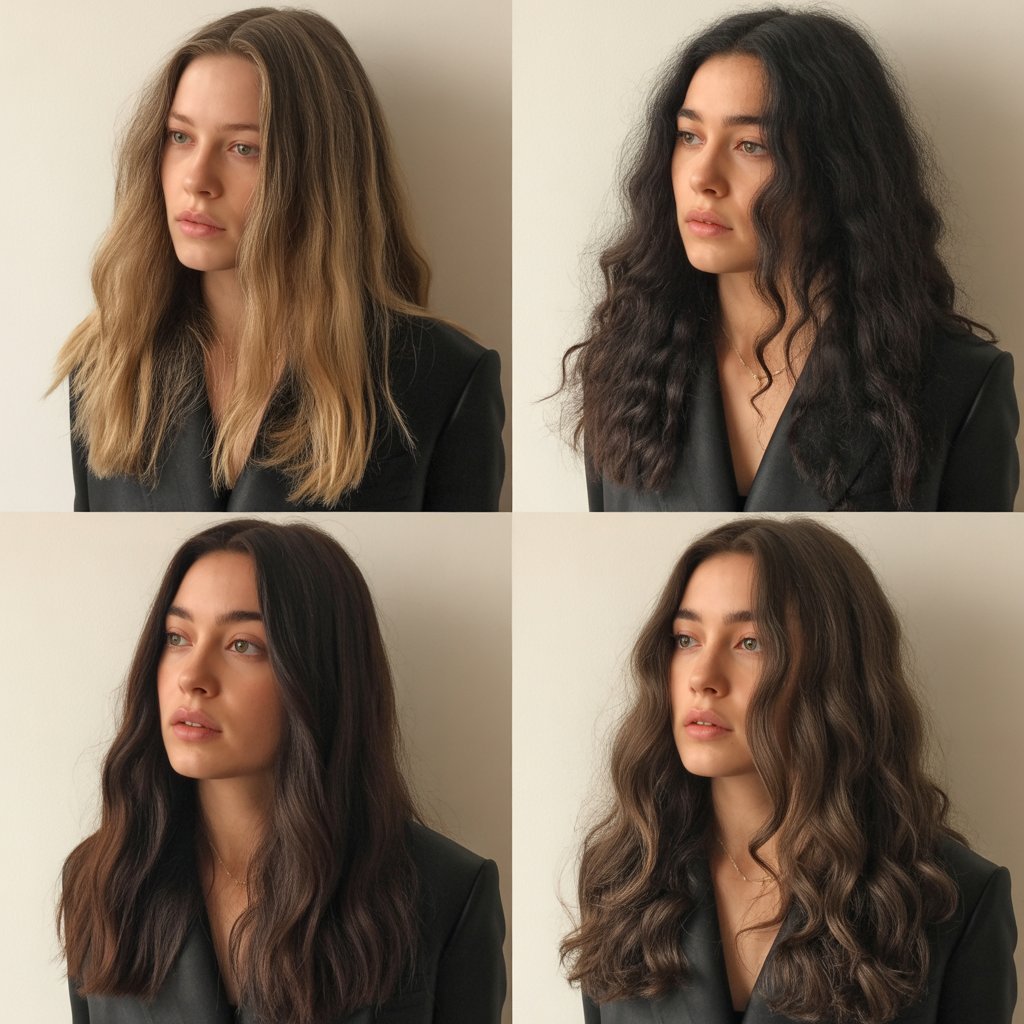
Adapting color approach based on seasonal changes helps maintain optimal gray and light brown hair blends throughout the year.
- Warmer tones may be emphasized in fall and winter months
- Cooler, lighter tones often work better in spring and summer
- Seasonal adaptation keeps color looking fresh and current
- Different lighting conditions throughout the year affect color appearance
- The strategy allows for variety while maintaining overall color harmony
- Seasonal changes can be subtle adjustments rather than complete overhauls
24. Professional Correction Methods
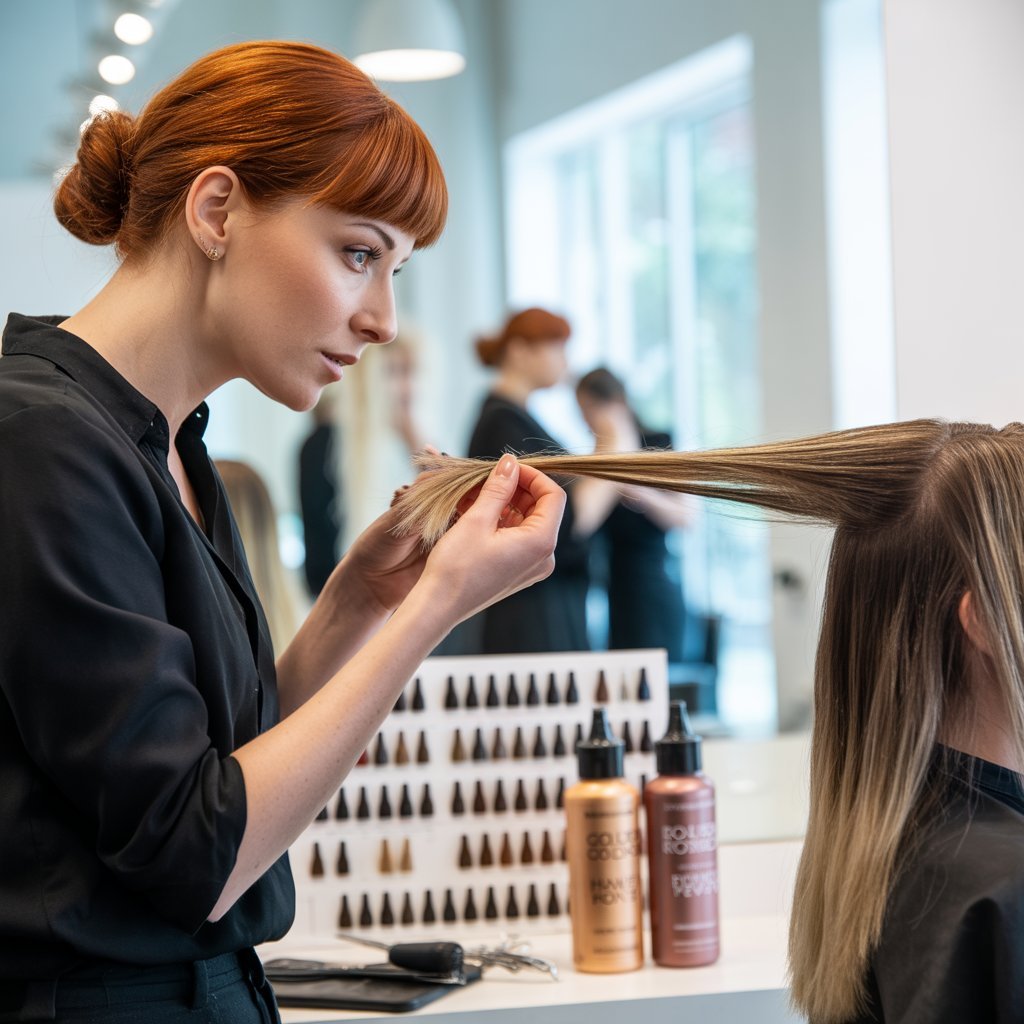
When previous color attempts haven’t achieved desired results, professional correction techniques can restore proper gray and light brown balance.
- Color correction addresses uneven color distribution or unwanted tones
- Multiple appointments may be needed for complex correction work
- Professional assessment determines the best approach for each situation
- Correction work often requires specialized products and techniques
- Hair health is prioritized during the correction process
- The goal is achieving natural-looking results while maintaining hair integrity
25. Texture-Based Blending
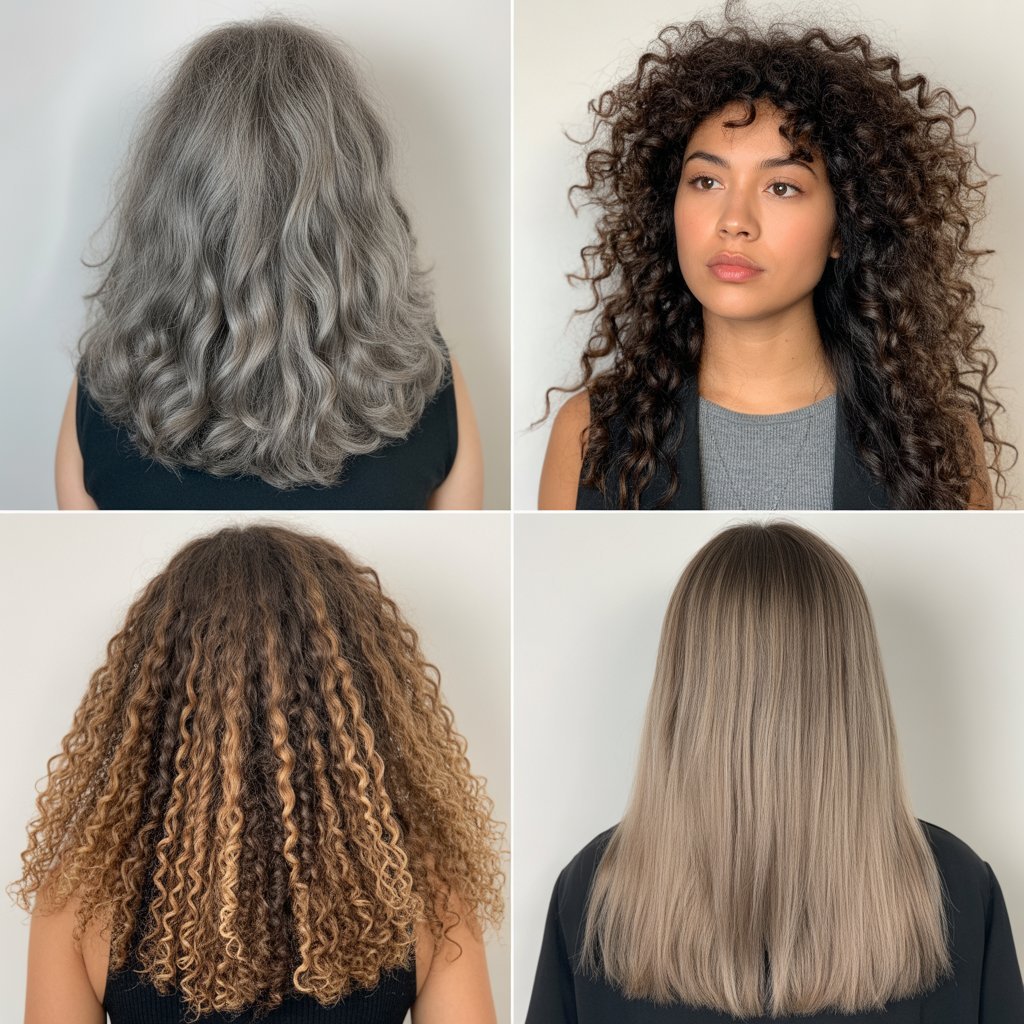
Different hair textures require specialized approaches to successfully blend gray with light brown hair colors.
- Fine hair may need subtle techniques to avoid overwhelming the texture
- Thick, coarse hair can handle more dramatic color placement
- Curly hair benefits from techniques that work with natural curl patterns
- Straight hair shows color placement more obviously, requiring precise application
- Texture considerations affect both color choice and application method
- Professional colorists adjust techniques based on individual hair characteristics
26. Maintenance Schedule Optimization
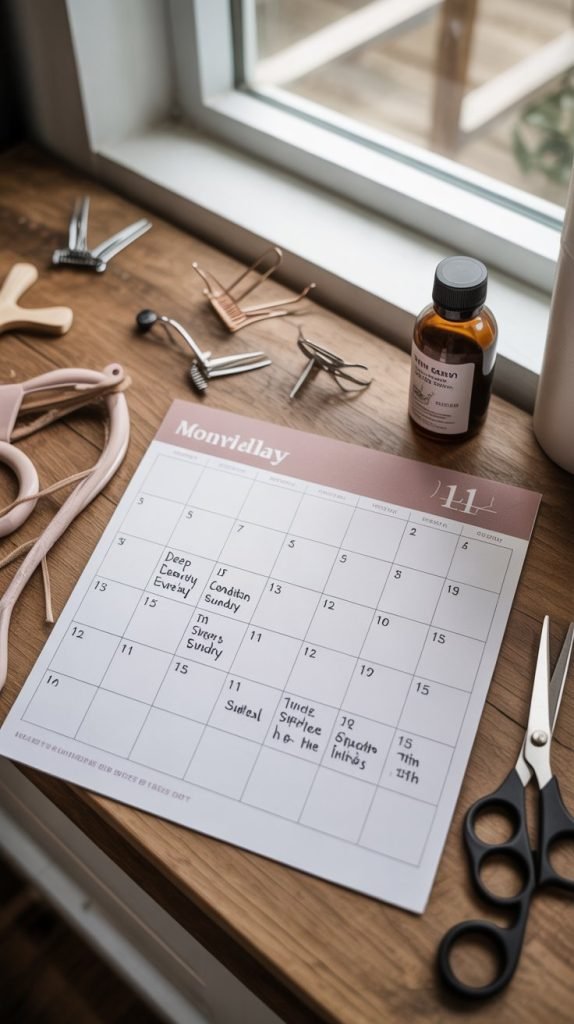
Establishing an optimal maintenance schedule ensures gray and light brown hair blends remain attractive between salon visits.
- Root touch-ups may be needed every 4-6 weeks for complete gray coverage
- Toning appointments can extend color life between major services
- At-home maintenance products support professional treatments
- Individual hair growth rates affect optimal scheduling
- Lifestyle factors influence how frequently maintenance is needed
- Proper scheduling prevents color from becoming too grown-out between appointments
27. At-Home Touch-Up Solutions
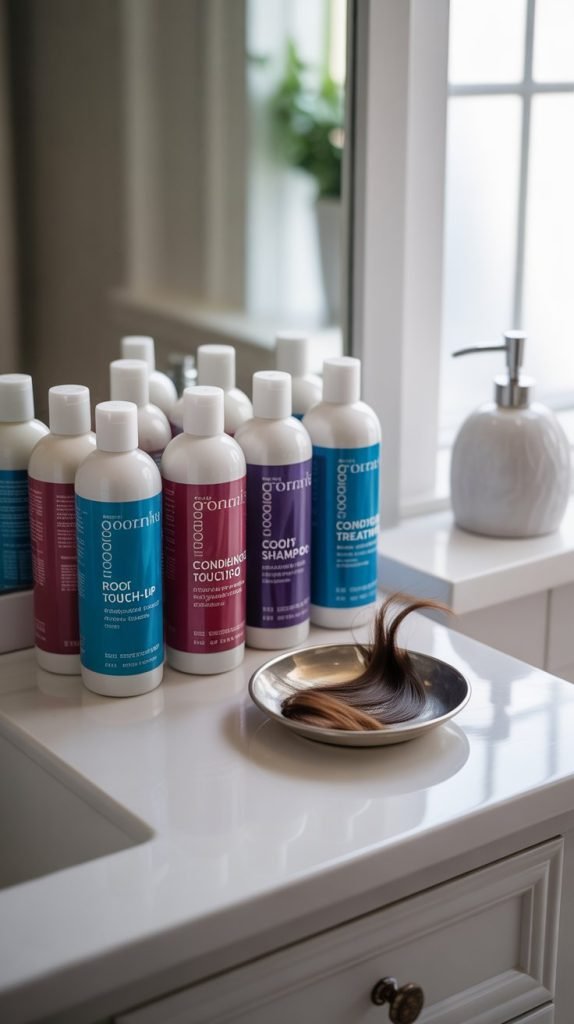
Strategic at-home touch-up methods can extend professional color services while maintaining the gray and light brown hair blend.
- Root touch-up products can address new gray growth between appointments
- Color-depositing shampoos and conditioners maintain tone and vibrancy
- Temporary color solutions provide quick fixes for special events
- At-home products should complement, not replace, professional services
- Proper application techniques prevent uneven results or damage
- Quality products designed for gray coverage provide the best at-home results
Conclusion
Mastering the art of blending gray hair with light brown opens up a world of sophisticated styling possibilities that celebrate natural beauty while maintaining a polished, intentional appearance.
Through these 27 Chic Ways to Blend Gray Hair with Light Brown, you now have access to professional techniques ranging from subtle enhancement methods to dramatic transformation strategies.
Each approach offers unique benefits, whether you prefer the natural sun-kissed look of balayage, the precision of foil highlights, or the modern appeal of color blocking.
The key to successful gray and light brown hair blending lies in understanding your individual hair characteristics, lifestyle needs, and personal style preferences.
Working with a professional colorist ensures optimal results while maintaining hair health throughout the process.
Remember that achieving the perfect blend often requires patience and may involve multiple appointments to reach your desired outcome.
With proper maintenance, quality products, and the right techniques, your gray and light brown hair combination will become a stunning signature look that enhances your natural beauty and reflects your personal style.
