

Natural hair is a beautiful crown that deserves to be celebrated, especially when it comes to our little ones. When you’re searching for protective styles that combine beauty, practicality, and hair health, braided hairstyles offer the perfect solution for children with natural hair textures.
This comprehensive guide to 27 Adorable Braided Hairstyles for Kids with Natural Hair will walk you through an array of stunning options that keep hair protected while allowing kids to express their unique personalities.
From classic cornrows to trendy box braids, each style has been carefully selected to suit different hair lengths, textures, and occasions.
Whether you’re preparing for school days, special events, or simply want a low-maintenance style that lasts, you’ll discover age-appropriate braiding techniques that prioritize scalp health and hair growth.
These styles range from simple designs perfect for beginners to more intricate patterns that make a bold statement, ensuring every parent and caregiver finds the ideal look for their child.
1. Classic Cornrows

Cornrows remain one of the most timeless and versatile braided styles for children with natural hair. This technique involves braiding hair close to the scalp in straight lines or creative patterns, offering excellent protection while maintaining a neat appearance for weeks.
- Cornrows can last between 2-4 weeks with proper maintenance, making them ideal for busy families who need long-lasting styles.
- This style works exceptionally well for active children since the hair stays completely secure during sports, swimming, and play activities.
- You can customize cornrow patterns with straight-back designs, zigzag patterns, or curved lines to create unique looks.
- Regular moisturizing of the scalp with lightweight oils helps prevent dryness and itching while the braids are installed.
- Cornrows serve as an excellent protective style that minimizes hair manipulation and reduces breakage.
- The tension during installation should always be moderate to avoid traction alopecia, especially around the hairline and edges.
2. Box Braids with Beads

Box braids adorned with colorful beads bring a playful element to protective styling while celebrating cultural heritage. These individual braids are sectioned into small squares across the scalp, creating a versatile foundation for creative accessorizing.
- Box braids can be installed in various thicknesses, from thin micro braids to chunky jumbo braids, depending on hair density and desired look.
- Adding beads provides weight at the ends which can help the braids hang nicely while adding a fun, personalized touch.
- This style typically lasts 4-6 weeks and allows for multiple styling options including ponytails, buns, and half-up styles.
- Wooden or plastic beads work best for children as they’re lightweight and come in endless color combinations.
- Night-time protection with a satin bonnet or pillowcase helps preserve the style and prevents frizzing.
- The square parting pattern creates a clean, organized look that’s easy to maintain throughout the wear period.
3. Feed-In Braids

Feed-in braids, also known as knotless braids, start small at the root and gradually increase in thickness, creating a more natural appearance with less tension. This technique is gentler on young scalps and hairlines compared to traditional braiding methods.
- The feed-in technique involves gradually adding extension hair as you braid, rather than starting with a large knot at the base.
- This method significantly reduces tension on the scalp, making it more comfortable for children and safer for delicate hairlines.
- Feed-in braids create a flatter, more natural-looking result that mimics the appearance of natural hair growth.
- These braids are versatile enough to be styled into various updos without showing obvious extensions at the roots.
- The installation process takes longer than traditional braids but offers superior comfort and a more polished finish.
- Regular edge control application can help smooth baby hairs without causing damage or excessive pulling.
4. Fulani Braids

Fulani braids feature distinctive cornrows braided toward the center or back with accent braids that often include beads, cowrie shells, or hair cuffs. This West African-inspired style combines cultural significance with stunning visual appeal.
- Traditional Fulani braiding includes a central cornrow or set of cornrows running from front to back down the middle of the head.
- Side cornrows typically frame the face, with one or more loose braids hanging at the temples adorned with decorative elements.
- This style beautifully showcases cultural heritage while providing excellent protection for natural hair textures.
- The symmetrical pattern works well for various face shapes and can be customized with different braid thicknesses.
- Accessories like cowrie shells, gold cuffs, and colored beads add authentic cultural touches and personal flair.
- Maintenance involves keeping the scalp moisturized and sleeping with a satin scarf to preserve the style’s integrity.
5. Halo Braid

The halo braid creates a crown-like effect by braiding hair around the circumference of the head. This elegant style works beautifully for special occasions while keeping hair completely protected and off the face.
- The halo braid can be created using a single large Dutch braid or French braid that wraps around the head.
- This style works particularly well for medium to long natural hair lengths and can incorporate extensions for added fullness.
- Flowers, ribbons, or small hair accessories can be woven into the braid for special events like weddings or portraits.
- The halo braid keeps hair completely away from the face, making it practical for sports, dance recitals, or hot weather.
- Creating this style requires patience but the result lasts several days with proper nighttime care.
- Loose hairs can be tucked in with bobby pins and smoothed with a light styling gel for a polished appearance.
6. Triangle Box Braids

Triangle box braids use triangular parting sections instead of traditional squares, creating a unique geometric pattern across the scalp. This variation adds visual interest while maintaining all the protective benefits of standard box braids.
- The triangular parting pattern creates a distinctive look that stands out from traditional square or rectangular sections.
- This parting method can make the braids lay more naturally in certain directions, offering versatile styling options.
- Triangle braids work well with various braid sizes, from small to jumbo, depending on personal preference and hair density.
- The geometric pattern becomes a design element itself, especially when styled in updos or ponytails where the scalp is visible.
- Installation time is similar to regular box braids but requires more precision in creating uniform triangular sections.
- The unique parting style offers a fresh take on a classic protective style that children often find exciting.
7. Goddess Braids

Goddess braids are larger, thicker cornrows that make a bold statement while being quicker to install than smaller braids. These substantial braids work beautifully on their own or can be combined with other styling techniques.
- Goddess braids typically range from 4-8 large braids depending on head size and desired look.
- The installation process is significantly faster than smaller braids, usually taking 2-3 hours rather than a full day.
- These thick braids can be styled into various updos including buns, ponytails, and creative wrapped styles.
- The larger size makes them more comfortable for younger children who may struggle sitting for extended braiding sessions.
- Despite their size, goddess braids still provide excellent hair protection and can last 2-3 weeks with proper care.
- Extensions can be added for extra length and volume, creating dramatic styles for special occasions.
8. Side-Swept Cornrows

Side-swept cornrows feature braids that angle diagonally across the head, creating an asymmetrical and stylish look. This design adds movement and visual interest while keeping hair securely braided.
- The diagonal pattern creates a flattering frame around the face while showcasing the braiding pattern beautifully.
- This style can be customized with varying numbers of cornrows from a few large braids to many smaller ones.
- Side-swept designs work exceptionally well for children with asymmetrical face shapes or those who prefer hair off one side.
- The angle of the braids allows for creative styling where the ends can be left loose, tucked, or gathered into a side ponytail.
- Installation typically takes 2-4 hours depending on the number and thickness of cornrows desired.
- Adding small hair accessories along the parts or at the ends enhances the overall look without overwhelming the style.
9. Twisted Braids

Twisted braids combine the rope-twist technique with traditional braiding for a textured, dimensional appearance. This hybrid style offers visual interest and can be less time-consuming than some intricate braiding patterns.
- Two-strand twists can be incorporated throughout box braid sections to create unique texture variation.
- Twisted braids often have more volume and body compared to standard flat braids, creating fuller-looking styles.
- This technique works particularly well with natural hair texture, requiring less extension hair for a complete look.
- The twisted texture catches light differently than smooth braids, adding dimensional visual appeal.
- Maintenance is similar to traditional braids but the twisted sections may require occasional re-twisting at the roots as hair grows.
- These braids can be styled into ponytails, buns, or left hanging loose for a carefree, textured appearance.
10. Braided Ponytail Styles

A braided ponytail combines the security of cornrows with the versatility of a gathered style. Cornrows are braided toward a central point where the remaining hair is collected into a ponytail that can be styled in numerous ways.
- Cornrows converge at the crown, sides, or back of the head where hair is gathered with a secure elastic band.
- The ponytail section can feature loose natural hair, additional braids, twists, or curly extension hair for different textures.
- This style offers the best of both worlds: protective braiding on the scalp with styling flexibility in the ponytail.
- High ponytails work wonderfully for athletic activities, keeping hair completely secured during intense movement.
- The gathered section can be wrapped with extension hair or decorated with colorful hair ties for added flair.
- Different cornrow patterns leading to the ponytail create unique looks from simple straight-back designs to intricate curved patterns.
11. Stitch Braids

Stitch braids feature a distinctive raised pattern that resembles stitching, created by using a precise horizontal feeding technique. This trending style has gained popularity for its clean, artistic appearance and cultural significance.
- The stitching effect is achieved by feeding small amounts of hair horizontally as you braid, creating deliberate raised sections.
- This technique requires advanced braiding skills and precision but results in a uniquely textured, eye-catching appearance.
- Stitch braids work best with extension hair that contrasts with natural hair color to make the stitching pattern more visible.
- The style typically lasts 3-4 weeks and maintains its distinctive pattern throughout the wear period.
- Different stitch sizes from fine to chunky create varying visual effects and texture densities.
- This modern braiding technique has roots in traditional African hair braiding practices while offering a contemporary aesthetic.
12. Mohawk Braids

Mohawk braids feature cornrows on the sides of the head with a dramatic raised center section. This bold style allows children to express their personality while keeping hair protected and manageable.
- Side cornrows are braided flat and close to the scalp while the center section features raised braids or twisted styles.
- The height of the mohawk can be adjusted from subtle to dramatic depending on comfort level and personal style.
- This edgy look works for various occasions from casual to special events when styled appropriately.
- Extensions can add significant height and volume to the center section for a more pronounced mohawk effect.
- The style combines protective benefits for the entire head while creating a statement look that children often love.
- Maintenance involves keeping side braids neat and refreshing the center section styling as needed between washes.
13. Criss-Cross Braids

Criss-cross braids create geometric patterns by crossing cornrows over each other in deliberate intersecting designs. This artistic approach transforms basic cornrows into wearable art on the scalp.
- The intersecting pattern requires careful planning and skilled execution to create clean, symmetrical designs.
- Criss-cross patterns can range from simple X designs to complex geometric artwork across the entire scalp.
- This style showcases the braider’s artistry while providing excellent hair protection and longevity.
- The visual impact is strongest when the scalp is visible, making this ideal for shorter braid lengths or styles that expose the parting.
- Installation time is longer than standard straight-back cornrows due to the complexity of creating intersecting paths.
- Creative use of colored extensions at intersection points can enhance the geometric design even further.
14. Jumbo Braids

Jumbo braids are oversized box braids that make a bold statement while significantly reducing installation time. These thick braids offer a dramatic look that’s become increasingly popular among children and teens.
- Each jumbo braid is substantially thicker than standard box braids, typically resulting in 30-50 total braids rather than hundreds.
- Installation time can be as short as 2-4 hours, making this style ideal for children who struggle sitting for long periods.
- The dramatic thickness creates volume and presence without requiring excessive extension hair.
- Jumbo braids work best for wear periods of 2-3 weeks as the larger size can become heavy over extended time.
- Styling options include high buns, ponytails, and half-up styles that showcase the braid thickness.
- The bold look pairs well with colorful extension hair for children who want to experiment with vibrant colors.
15. Lemonade Braids

Lemonade braids, popularized by Beyoncé’s visual album, feature side-swept cornrows that cascade to one side. This elegant style combines sophistication with protective hair care benefits.
- The signature side-swept pattern creates a graceful, flowing appearance that works beautifully for formal occasions.
- Cornrows typically start on one side and angle diagonally across the head, ending on the opposite side.
- This style flatters most face shapes while keeping hair completely protected and off the face.
- The length can be customized with extensions, ranging from shoulder-length to waist-length depending on preference.
- Lemonade braids typically last 3-4 weeks and can be styled in various updos throughout the wear period.
- The asymmetrical design adds visual interest and movement, making photographs particularly striking.
16. Bubble Braids

Bubble braids create a playful, segmented appearance by using multiple hair ties to section a ponytail or braid into rounded “bubbles.” This trendy style requires minimal braiding skill while delivering maximum visual impact.
- Clear or colorful elastic bands are placed at regular intervals down a ponytail, with hair gently pulled between bands to create bubble shapes.
- This style works on natural hair without extensions and can be created on various hair lengths from medium to long.
- Bubble braids are quick to install, often taking less than 30 minutes, making them perfect for busy mornings.
- The style can feature a single bubble ponytail or multiple braided sections with bubble effects throughout.
- While not a long-term protective style, bubble braids last several days and can be refreshed by tightening elastics.
- Different colored bands create fun patterns and allow children to coordinate with outfits or express personal style.
17. Heart-Shaped Braids

Heart-shaped braids use creative parting and braiding techniques to form heart designs across the scalp. This sweet, romantic style is perfect for special occasions or children who love unique, personalized looks.
- The heart outline is created through strategic parting before braiding cornrows along the heart’s shape.
- Multiple small hearts or one large statement heart can be incorporated depending on head size and hair density.
- This style works best on dark hair where the scalp creates strong contrast, making the heart design clearly visible.
- Heart designs can be positioned anywhere on the head from the crown to the side sections.
- The remaining hair is typically braided in complementary patterns that don’t distract from the heart focal point.
- Special occasions like Valentine’s Day, birthdays, or photo sessions are perfect opportunities for this adorable style.
18. Zigzag Cornrows

Zigzag cornrows replace straight lines with sharp angular patterns that create dynamic visual movement. This geometric approach transforms traditional cornrows into an eye-catching design statement.
- The parting creates distinct zigzag lines before braiding begins, establishing the pattern that cornrows will follow.
- Sharp angles versus gentle curves create different aesthetic effects, from dramatic to subtle.
- This style requires skilled parting and consistent braid tension to maintain clean lines throughout the zigzag pattern.
- Zigzag patterns can be combined with straight sections for contrast or used exclusively across the entire head.
- The dynamic pattern adds interest to what might otherwise be simple straight-back cornrows.
- Installation time is slightly longer than standard cornrows due to the precision required for clean angular lines.
19. Tribal Braids

Tribal braids incorporate cultural patterns and techniques from various African traditions, often featuring intricate designs, beads, and symbolic elements. These styles celebrate heritage while providing excellent hair protection.
- Various African cultures have distinct braiding traditions that can be incorporated into modern protective styles.
- Traditional elements like cowrie shells, wooden beads, and specific braiding patterns carry cultural significance and history.
- Tribal braids often combine multiple techniques including cornrows, individual braids, and decorative wrapping.
- These styles provide an excellent opportunity to teach children about their cultural heritage and history.
- The intricate nature of tribal braids typically requires experienced braiders familiar with traditional techniques.
- Modern interpretations can blend traditional elements with contemporary styling for updated cultural expressions.
20. Micro Braids
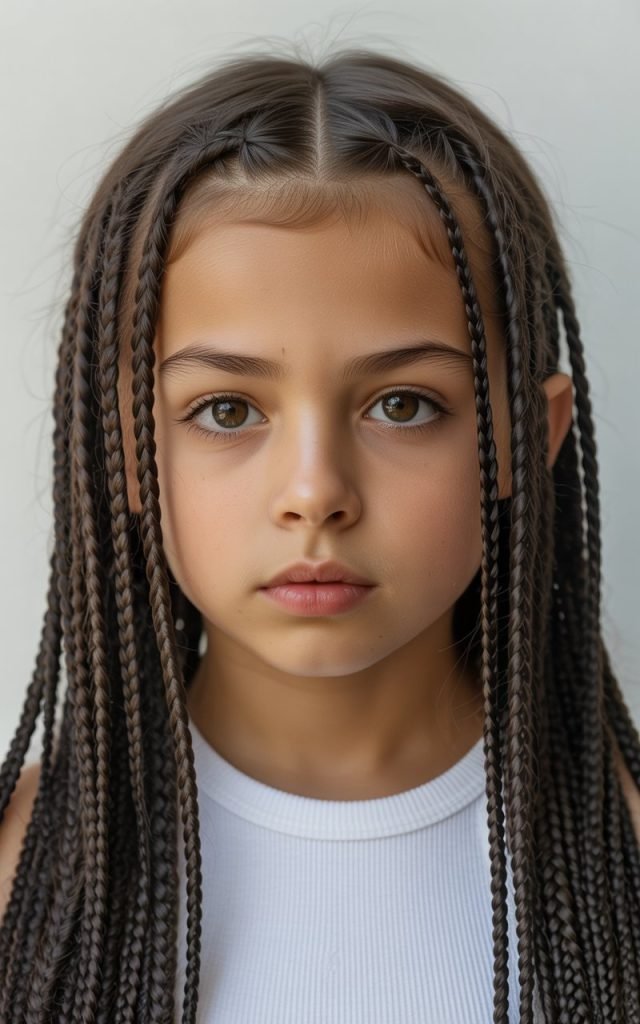
Micro braids are extremely thin braids that create a voluminous, flowing effect. While installation is time-intensive, the result is a versatile style that can last up to two months with proper maintenance.
- Individual micro braids are typically pencil-width or smaller, resulting in hundreds of delicate braids across the head.
- Installation can take 6-12 hours depending on hair length and desired braid size, often requiring multiple sessions.
- The resulting style offers incredible versatility with countless styling options from updos to free-flowing looks.
- Micro braids distribute weight evenly across the scalp, potentially causing less tension than larger braids in some cases.
- Maintenance requires diligent scalp care to prevent buildup between the numerous small braids.
- The extended wear period makes the lengthy installation worthwhile for those seeking long-term protective styling.
21. Braided Bun Styles

Braided buns combine cornrows or individual braids that converge into an elegant bun formation. This sophisticated style keeps hair completely secured while offering polished elegance for any occasion.
- Cornrows are braided toward a central point where remaining hair is twisted or wrapped into a bun shape.
- The bun can be positioned high on the crown, low at the nape, or to the side for different aesthetic effects.
- This style works beautifully for formal events including recitals, ceremonies, and family portraits.
- Decorative elements like flowers, ribbons, or hair jewelry can be incorporated into the bun for special occasions.
- The completely secured nature makes braided buns ideal for active children who need hair to stay put.
- Different braiding patterns leading to the bun create unique looks from simple to highly elaborate designs.
22. Ghana Braids

Ghana braids, also called banana braids or Cherokee braids, are thick cornrows that start thin at the hairline and gradually increase in size. This traditional West African style has gained worldwide popularity for its distinctive appearance.
- The graduated sizing technique creates a natural-looking flow that’s both aesthetically pleasing and comfortable.
- Extension hair is gradually added as braiding progresses, creating the characteristic thickness increase.
- Ghana braids typically result in fewer total braids compared to standard cornrows due to their eventual thickness.
- This style sits flatter against the scalp at the roots, reducing tension on the hairline and edges.
- The distinctive look has deep cultural roots in Ghanaian and broader West African hair traditions.
- Installation requires skilled technique to achieve consistent sizing gradation and uniform appearance.
23. Braided Crown with Free Hair

This hybrid style features cornrows braided around the perimeter of the head creating a crown effect, while leaving the center hair free. The combination offers protection for edges while allowing natural hair to breathe.
- Perimeter braids protect the most fragile hair areas including edges and nape while showcasing natural texture.
- The free center hair can be styled in various ways including twist-outs, braid-outs, or left in its natural state.
- This style offers a balanced approach for those transitioning between fully protective and free natural styling.
- The crown section typically lasts 2-3 weeks while center hair can be restyled as needed.
- This combination works particularly well for children with sensitive scalps who can’t tolerate all-over braiding.
- Regular moisturizing of both braided and free sections ensures healthy hair maintenance throughout wear.
24. Rope Twist Braids

Rope twist braids use a two-strand twisting technique rather than traditional three-strand braiding. This creates a distinctive spiral texture that’s often faster to install than standard braids.
- The two-strand technique involves twisting two sections of hair around each other in a rope-like pattern.
- Installation is typically faster than three-strand braiding since there are fewer strands to manipulate.
- Rope twists create significant volume and texture without requiring tight tension on the scalp.
- This style works excellently with natural hair texture and requires less extension hair for a full look.
- The twists can unravel more easily than traditional braids, making take-down significantly faster and gentler.
- Various thickness options from thin to chunky allow for different aesthetic effects and installation times.
25. Colored Extension Braids

Incorporating colorful synthetic hair extensions allows children to experiment with vibrant hues without chemical treatments. This playful approach to braiding lets kids express creativity through temporary color choices.
- Synthetic braiding hair comes in endless color options from natural tones to neon brights and everything between.
- Multiple colors can be blended within single braids or used in sections for ombre, highlight, or rainbow effects.
- Colored extensions provide a safe way for children to explore different looks without permanent hair alterations.
- The vibrant colors often fade over the wear period, especially with sun exposure and washing.
- School policies should be considered when choosing colors to ensure the style meets institutional guidelines.
- Popular color combinations include pastels for soft looks or bold primaries for maximum visual impact.
26. Accessories-Enhanced Braids

Adding accessories transforms basic braids into personalized statements. Beads, cuffs, ribbons, and wraps allow endless customization while celebrating individual style preferences.
- Metal cuffs in gold, silver, or colored finishes add sophistication and shine to braid styles.
- Beads can be threaded onto individual braids or clustered at ends for playful movement and sound.
- Colorful yarn or ribbon can be wrapped around braids from root to tip for complete color transformation.
- Hair rings and coils spiral around braids creating three-dimensional texture and visual interest.
- Accessories can be changed throughout the wear period, allowing frequent style updates without reinstalling braids.
- Weight distribution should be considered when adding multiple heavy accessories to avoid strain on the scalp.
27. Protective Style Maintenance Guide

Proper maintenance ensures braided styles remain beautiful and healthy throughout their wear period. Understanding care routines protects both the style and the natural hair underneath.
Essential Maintenance Practices
- Nighttime protection with satin or silk materials prevents friction that causes frizzing and loosening.
- A spray bottle mixture of water, leave-in conditioner, and light oil keeps braids moisturized between washes.
- Focus scalp care on the exposed areas between braids using applicator bottles for precise delivery.
- Gentle cleansing with diluted shampoo or cleansing foams removes buildup without requiring full takedown.
- Pay special attention to edges and nape areas which are most vulnerable to tension damage.
- Monitor for signs of excessive tightness including pain, bumps, or hair loss and remove braids immediately if issues arise.
- Limit wear time to manufacturer recommendations, typically 4-8 weeks maximum depending on style.
- Schedule professional maintenance appointments if braids begin looking untidy or edges need attention.
- After removal, give hair a break with deep conditioning treatments before installing new protective styles.
Conclusion
Navigating the world of braided hairstyles opens up endless possibilities for protecting and beautifying children’s natural hair.
The 27 Adorable Braided Hairstyles for Kids with Natural Hair presented in this guide offer something for every child, regardless of their hair texture, length, or personal style preferences.
From traditional cornrows that honor cultural heritage to modern twisted styles that embrace contemporary trends, each option provides the dual benefits of hair protection and stunning aesthetics.
Remember that the health of your child’s hair should always take priority over style complexity—proper tension, regular maintenance, and appropriate wear periods ensure that braids enhance rather than damage natural hair.
Whether you’re a parent learning to braid for the first time or seeking inspiration for your next salon visit, these versatile styles prove that protective hairstyling can be both practical and beautiful.
By choosing age-appropriate designs, maintaining proper hair care routines, and celebrating your child’s unique beauty, you’re not just creating hairstyles—you’re building confidence and teaching valuable lessons about self-care and cultural appreciation.
The journey through 27 Adorable Braided Hairstyles for Kids with Natural Hair equips you with knowledge to make informed styling choices that keep your child’s hair healthy, protected, and absolutely gorgeous.
