

The French bob has emerged as one of the most coveted hairstyles in modern fashion, combining timeless elegance with contemporary sophistication.
This chic cut, characterized by its clean lines, subtle layers, and effortlessly tousled finish, offers versatility that suits various face shapes and hair textures.
Whether you’re a professional stylist looking to expand your repertoire or someone seeking to master this iconic look at home, our comprehensive guide will walk you through every technique you need.
From classic interpretations to modern variations, 25 Step-by-Step French Bob Cut Tutorials to Master the Look provides detailed instructions, expert tips, and styling secrets that will help you achieve salon-quality results.
This article covers everything from basic cutting techniques to advanced layering methods, ensuring you’ll have the confidence and knowledge to create stunning French bob variations for any occasion.
1. Classic French Bob Foundation Cut
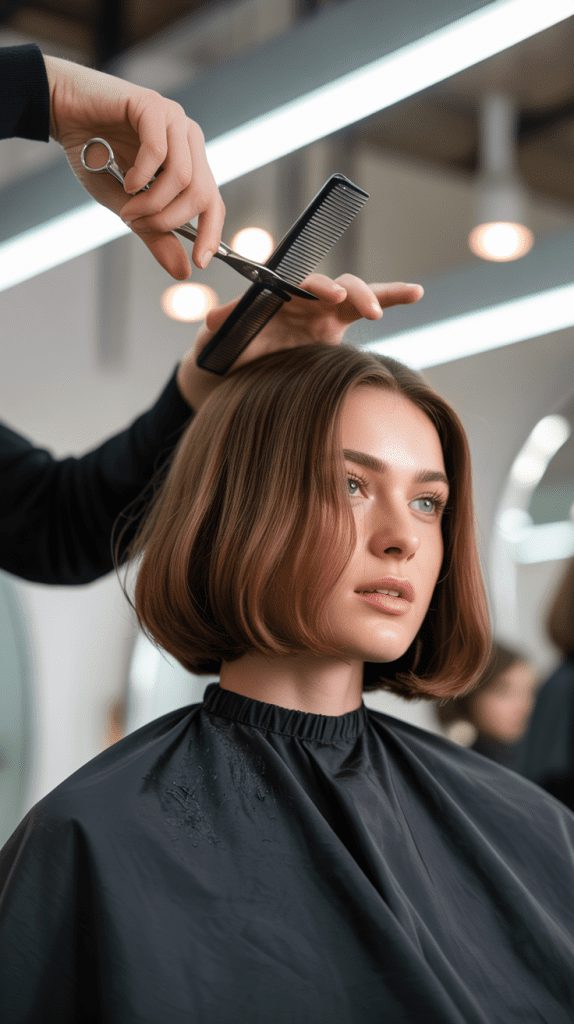
The classic French bob serves as the cornerstone for all variations of this timeless style.
This foundational technique establishes the basic shape and structure that defines the authentic French bob aesthetic.
- Start with freshly washed and towel-dried hair to ensure accurate cutting length
- Section the hair horizontally from ear to ear, creating a clear division between upper and lower portions
- Establish the baseline by cutting straight across at chin level, maintaining consistent tension
- Use point cutting technique along the baseline to create subtle texture and movement
- Check symmetry by bringing sections forward and comparing lengths on both sides
- Refine the perimeter by removing any uneven areas with precise snip cuts
- Create slight graduation in the back section to prevent the cut from appearing too blunt
- Finish with minimal thinning to maintain the bob’s characteristic fullness and weight
2. Textured French Bob with Choppy Layers
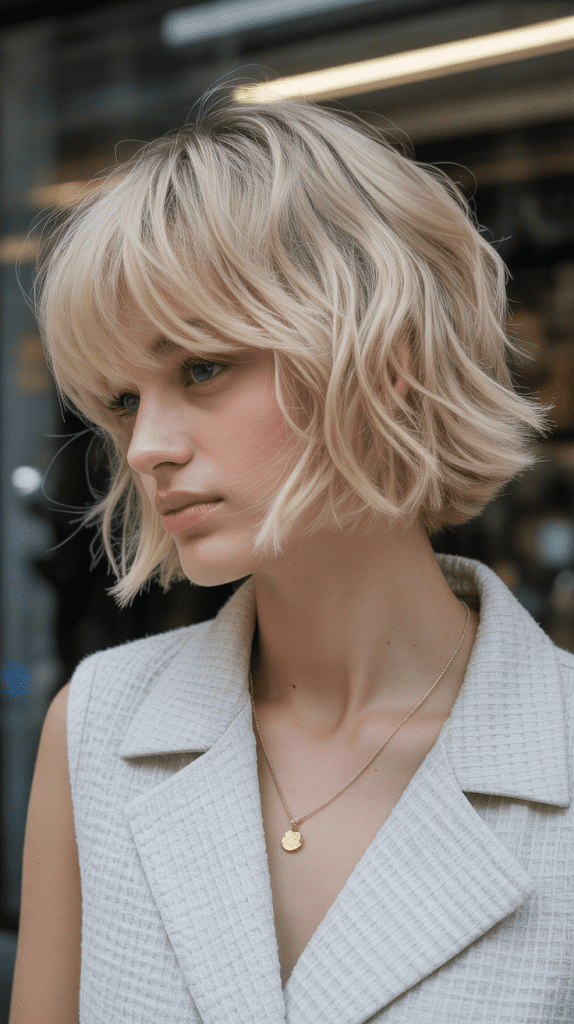
This modern interpretation adds dimension and movement through strategic layering techniques.
The choppy layers create a more relaxed, effortless appearance while maintaining the bob’s sophisticated structure.
- Begin with the classic foundation cut as your base structure
- Create horizontal sections approximately 1 inch apart throughout the hair
- Use a razor cutting technique to add texture and eliminate harsh lines
- Focus on the mid-lengths and ends rather than cutting too close to the roots
- Vary the cutting angle slightly to create natural-looking irregularities in the layers
- Pay special attention to the hair around the face for enhanced framing effect
- Use thinning shears sparingly to maintain volume while reducing bulk
- Blend all layers seamlessly to avoid obvious demarcation lines
3. Asymmetrical French Bob Design
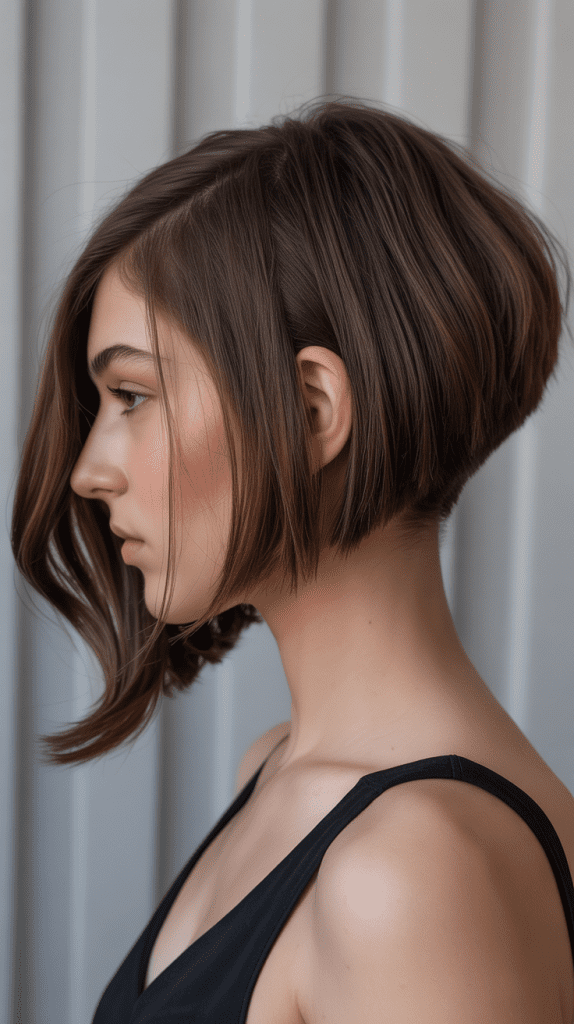
The asymmetrical variation introduces contemporary edge while preserving the bob’s elegant foundation.
This technique creates visual interest through intentional length differences.
- Determine the degree of asymmetry desired before beginning the cutting process
- Establish the shorter side first, typically 1-2 inches above chin length
- Create the longer side with a gradual angle that extends 2-4 inches below the shorter section
- Use the shorter side as a guide for maintaining consistent cutting tension
- Ensure the transition between lengths appears natural and intentional rather than accidental
- Check the asymmetry from multiple angles to confirm the desired effect
- Refine the edges with point cutting to soften any harsh lines
- Balance the overall shape by adjusting the back section to complement the asymmetrical front
4. French Bob with Face-Framing Layers
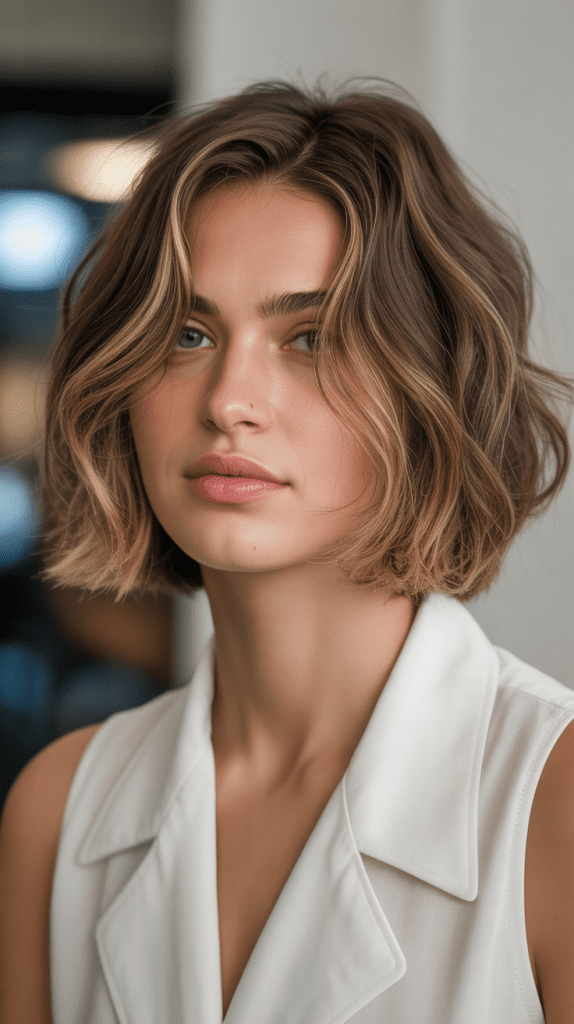
Face-framing layers enhance the bob’s flattering qualities by creating customized shaping around facial features.
This technique adapts the cut to complement individual face shapes and bone structure.
- Analyze the client’s face shape to determine optimal layer placement
- Create a triangular section from the temples to the center back of the head
- Establish the first face-framing layer at cheekbone level for most face shapes
- Use a combination of slide cutting and point cutting for natural-looking layers
- Vary layer lengths to create movement without compromising the bob’s structure
- Pay attention to the hair’s natural growth patterns around the hairline
- Ensure layers blend seamlessly with the overall bob shape
- Test the layers by styling to confirm they fall naturally and enhance facial features
5. Blunt French Bob Technique
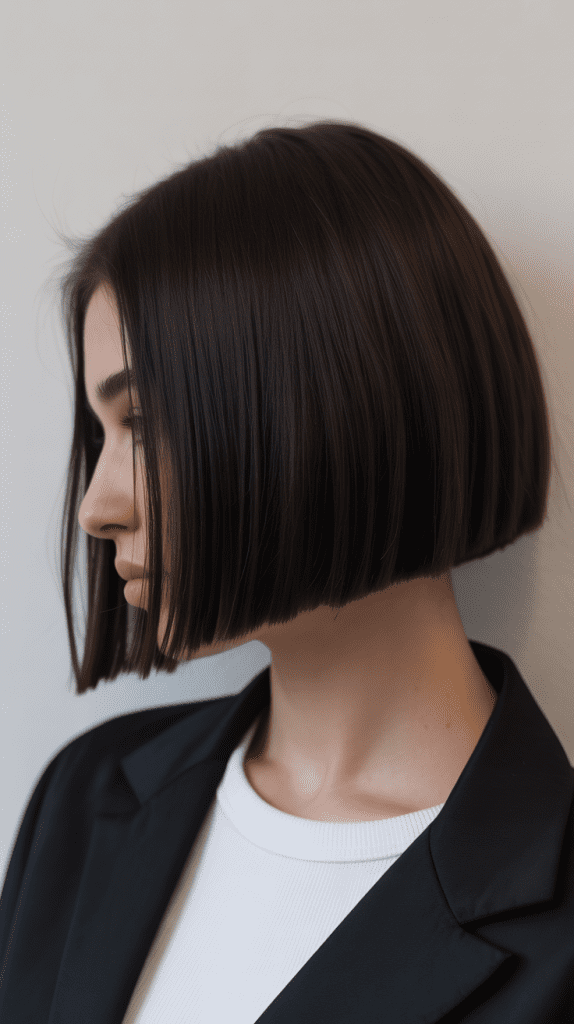
The blunt French bob maximizes impact through precise, clean lines and uniform length.
This technique requires exceptional accuracy and attention to detail for professional results.
- Use extremely sharp professional shears for the cleanest possible cut
- Maintain consistent tension throughout the cutting process to ensure evenness
- Cut on damp hair for maximum precision and control
- Work in small sections to maintain accuracy across the entire perimeter
- Use a fine-tooth comb to ensure each section is perfectly smooth before cutting
- Avoid any texturizing techniques that might compromise the blunt edge
- Check the cut when hair is both wet and dry to ensure optimal results
- Make minimal adjustments to preserve the intentionally stark, geometric appearance
6. Layered French Bob with Movement
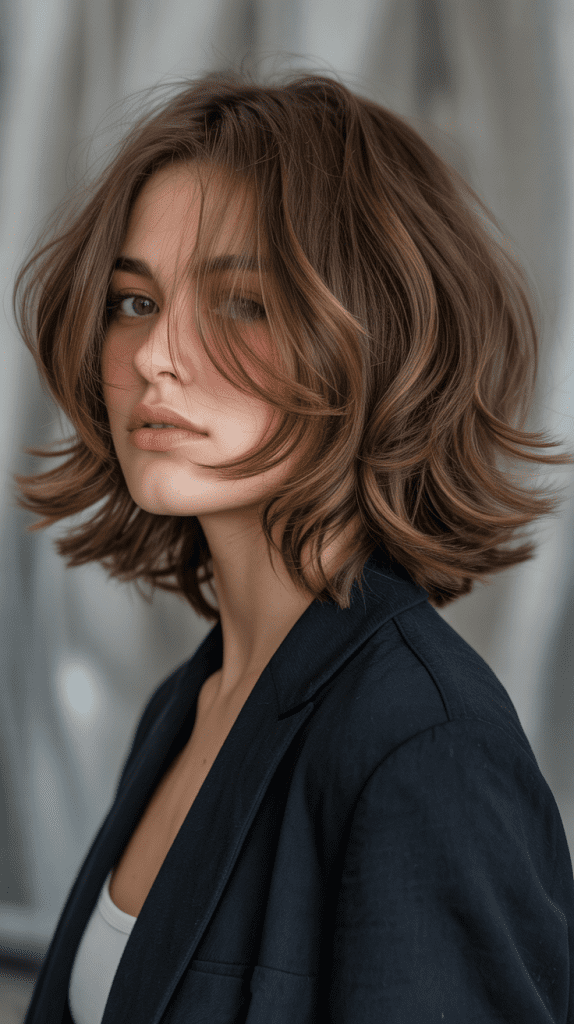
Strategic layering techniques create dynamic movement while preserving the bob’s classic proportions.
This approach adds life and bounce to the hairstyle without sacrificing its sophisticated appeal.
- Create a foundation cut slightly longer than the desired finished length
- Establish internal layers using horizontal sectioning patterns
- Vary cutting angles to create different degrees of layering throughout
- Focus on creating movement in the crown area for added volume
- Use both scissor-over-comb and point cutting techniques for texture variation
- Ensure layers don’t create steps or obvious demarcation lines
- Test the movement by gently tousling the hair during the cutting process
- Refine layer placement based on the hair’s natural fall and movement patterns
7. Curly Hair French Bob Adaptation
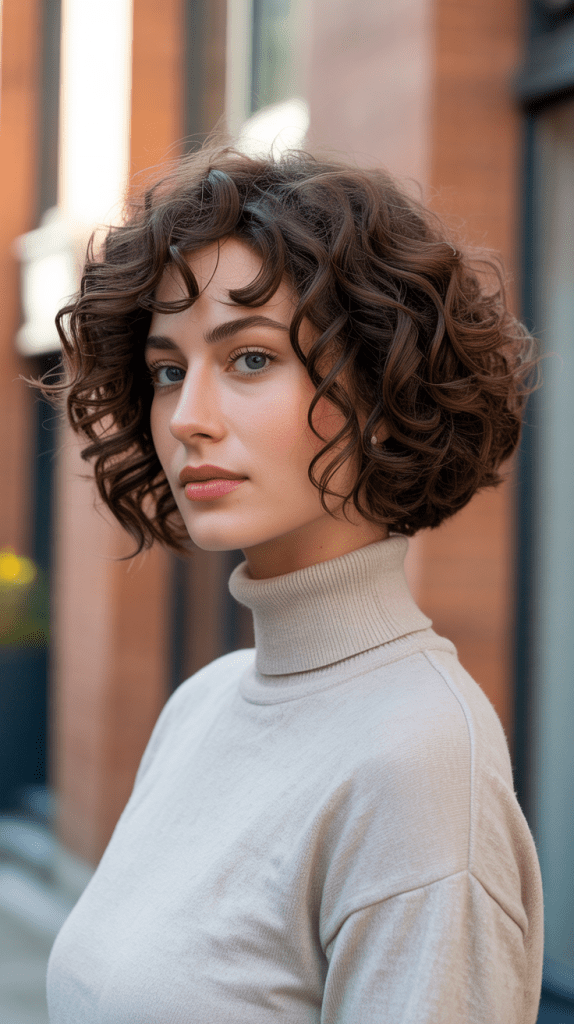
Adapting the French bob for curly hair requires understanding curl patterns and shrinkage factors.
This specialized technique ensures the classic proportions translate beautifully to textured hair.
- Cut curly hair when completely dry to accurately assess length and shape
- Account for curl shrinkage by cutting 1-2 inches longer than straight hair equivalent
- Work with the hair’s natural curl pattern rather than fighting against it
- Use specialized cutting techniques like twist cutting for defined curl separation
- Create internal layering that enhances curl formation and reduces bulk
- Avoid thinning shears which can create frizz and disrupt curl patterns
- Consider the hair’s spring factor when establishing the baseline length
- Test sections by allowing them to air dry before making final adjustments
8. Fine Hair French Bob Optimization
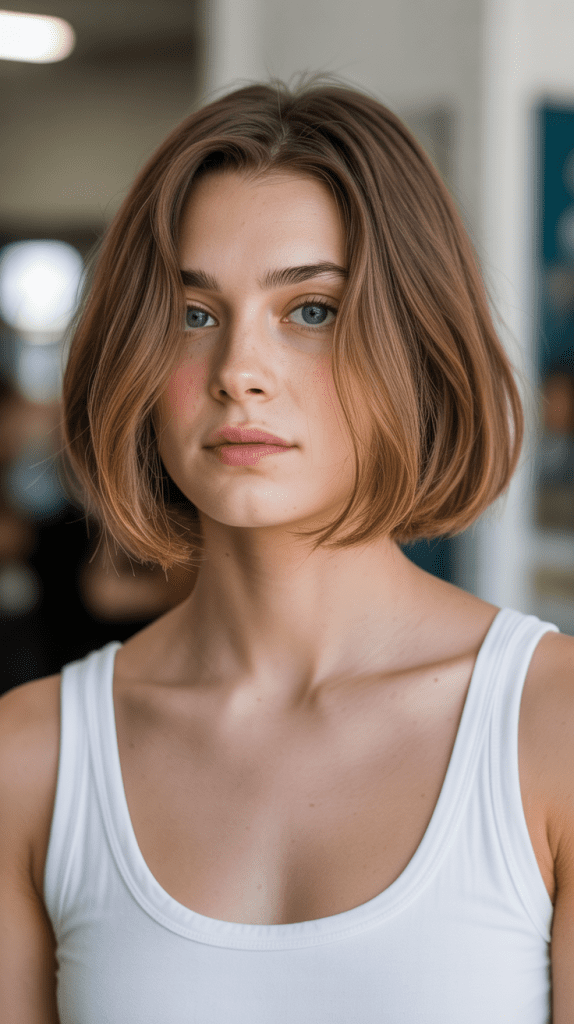
Fine hair requires specific techniques to maximize volume and create the illusion of thickness.
This approach adapts the French bob to work beautifully with delicate hair textures.
- Maintain maximum weight by avoiding excessive layering or thinning
- Create subtle internal layers only where necessary for movement
- Use blunt cutting techniques to preserve hair density at the perimeter
- Consider a slightly shorter length to increase the appearance of fullness
- Employ minimal point cutting to soften edges without reducing volume
- Focus on creating lift at the roots through strategic cutting angles
- Avoid razor cutting which can make fine hair appear thinner
- Design the cut to work with volumizing styling products for maximum impact
9. Thick Hair French Bob Management
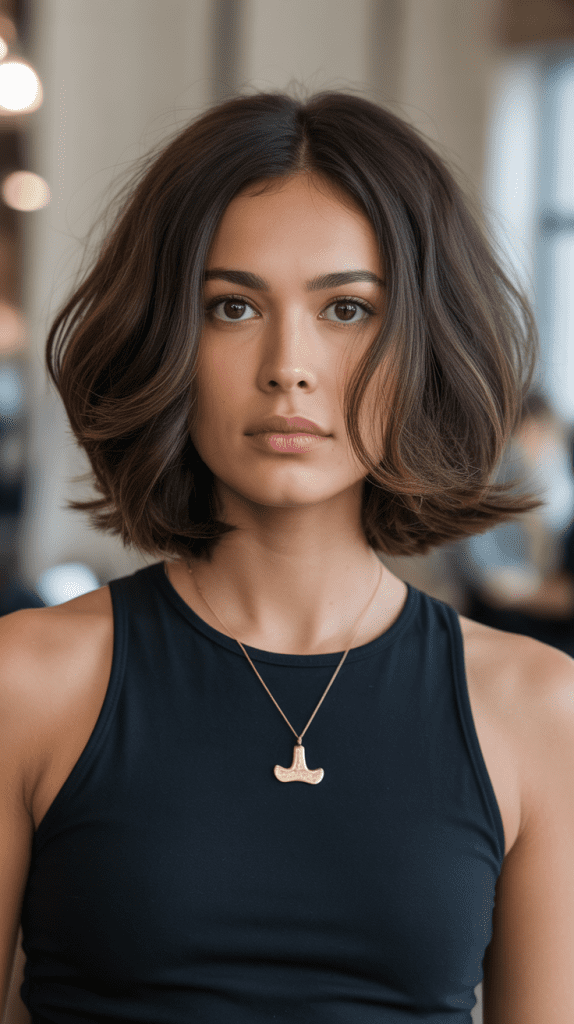
Managing thick hair requires strategic techniques to reduce bulk while maintaining the bob’s elegant silhouette.
This approach prevents the cut from appearing too heavy or overwhelming.
- Begin with longer initial length to accommodate bulk removal process
- Use systematic thinning techniques to reduce internal weight
- Create deeper internal layers to eliminate excess bulk without sacrificing shape
- Employ razor cutting selectively to soften harsh lines created by thick hair
- Focus on removing weight from internal sections rather than the perimeter
- Use thinning shears strategically to blend layers and reduce heaviness
- Ensure the final shape maintains proper proportions despite hair density
- Consider the client’s styling routine when determining final thickness levels
10. French Bob with Bangs Integration
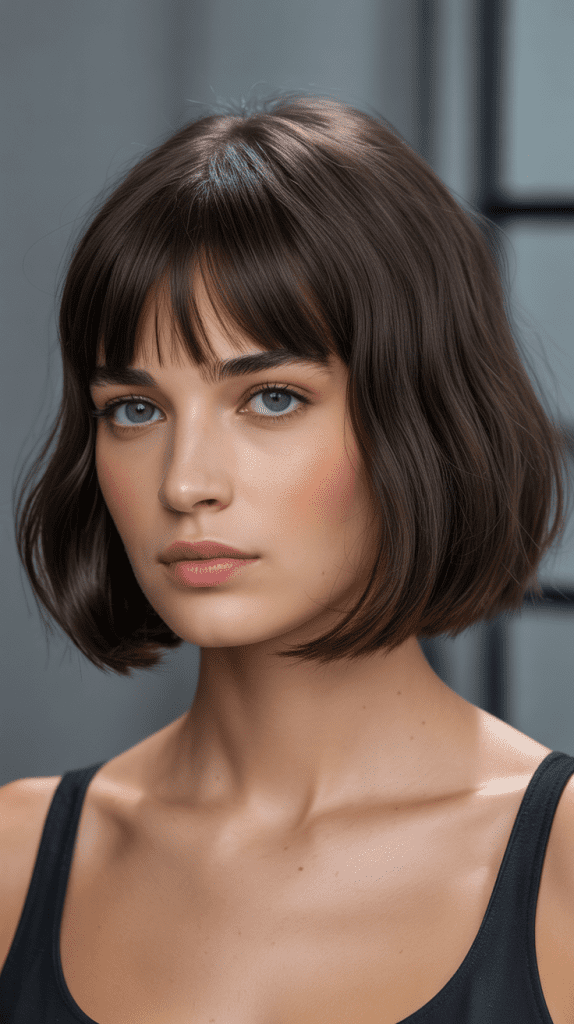
Integrating bangs with the French bob creates a cohesive, polished look that enhances the style’s vintage charm.
This technique requires careful consideration of face shape and proportional balance.
- Determine bang style based on face shape and personal preference
- Create the bang section using triangular parting for natural integration
- Establish bang length before proceeding with the bob cut for proper proportioning
- Ensure seamless blending between bangs and the side sections of the bob
- Consider the hair’s natural growth patterns when designing bang placement
- Use different cutting techniques for bangs versus bob sections as appropriate
- Test styling compatibility between bangs and bob before finalizing
- Make final adjustments to ensure both elements complement each other perfectly
11. Graduated French Bob Technique
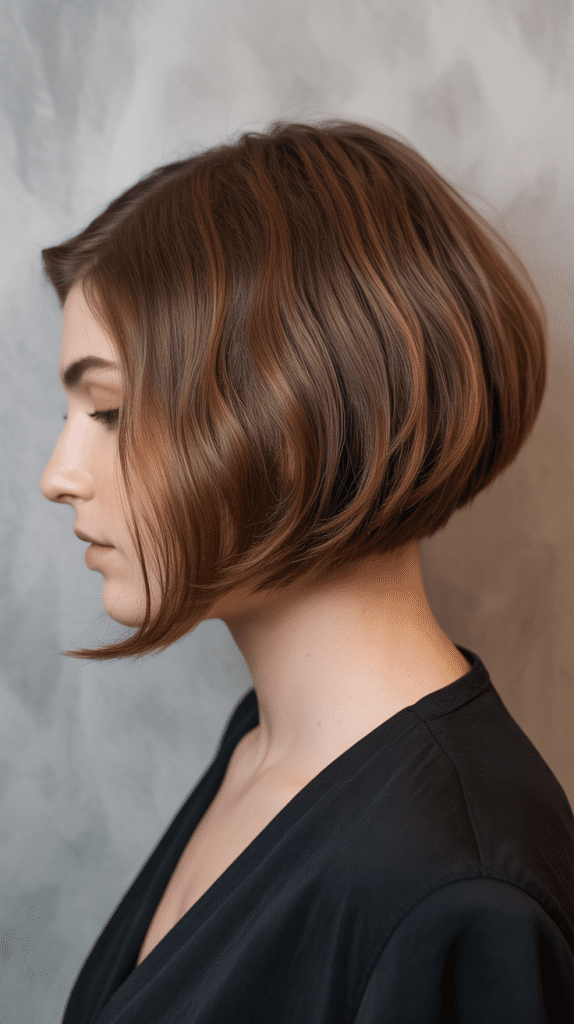
The graduated French bob adds sophistication through subtle length variation from back to front.
This technique creates dimension while maintaining the style’s classic elegance.
- Establish the shortest point at the back center of the nape
- Create gradual length increase moving toward the face
- Use consistent cutting angles to maintain smooth graduation
- Ensure the graduation appears intentional rather than accidental
- Balance the graduation to complement the client’s neck length and face shape
- Refine the transition points to eliminate any obvious steps or breaks
- Consider how the graduation will affect styling and daily maintenance
- Test the graduation by viewing from multiple angles during cutting
12. Razor-Cut French Bob Method
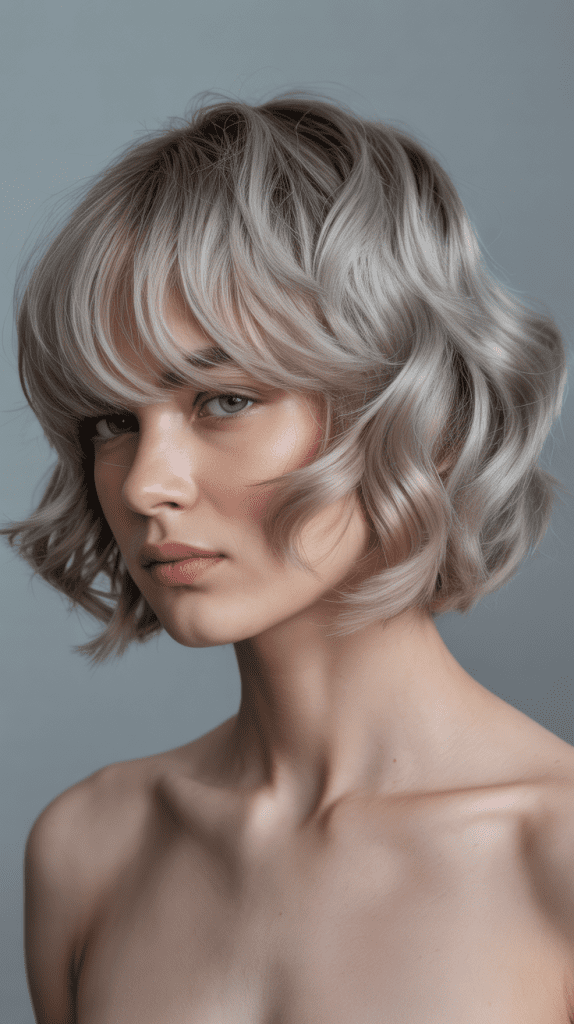
Razor cutting creates unique texture and movement while maintaining the French bob’s sophisticated structure.
This advanced technique requires skill and precision for optimal results.
- Use only sharp, professional razor tools for clean cutting action
- Work on slightly damp hair for optimal razor cutting conditions
- Maintain consistent cutting angles throughout the razor cutting process
- Focus on creating soft, feathered edges rather than blunt lines
- Use controlled, smooth strokes to avoid creating unwanted texture
- Combine razor cutting with scissor work for comprehensive shaping
- Pay attention to hair direction and growth patterns during cutting
- Finish with minimal additional texturizing to preserve the razor’s natural effect
13. French Bob Color Integration Cutting
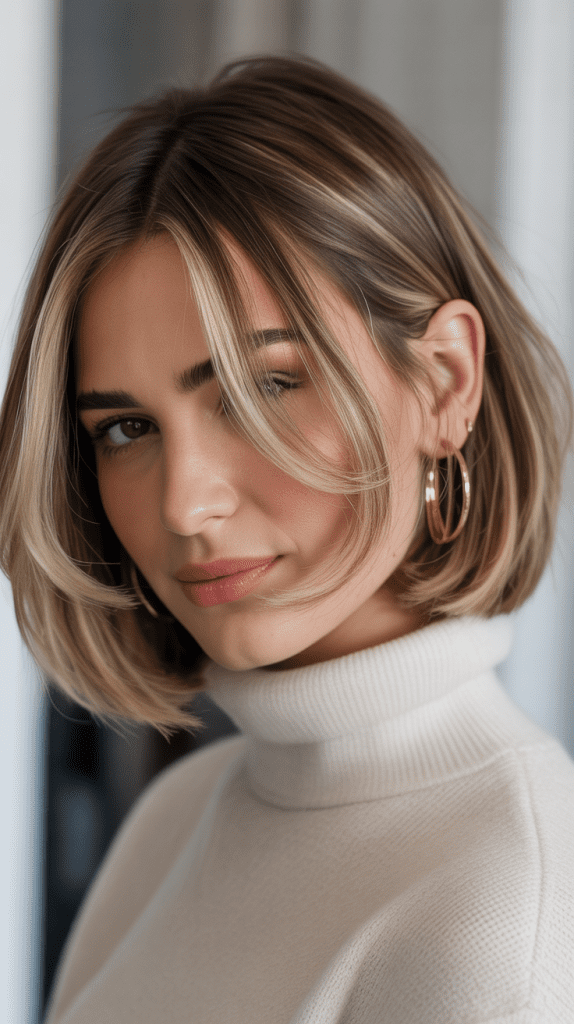
Cutting techniques that enhance color placement create dynamic visual interest.
This approach considers how the cut will showcase highlights, lowlights, and color transitions.
- Analyze existing color placement before beginning the cutting process
- Design layers that will enhance dimensional color effects
- Consider how different cutting techniques affect color visibility
- Create internal layers that allow lighter colors to show through
- Use varying cutting angles to maximize color movement and flow
- Ensure the cut doesn’t hide expensive color work through poor planning
- Discuss color goals with the client to align cutting and coloring objectives
- Plan future color maintenance needs when designing the cut structure
14. Maintenance-Friendly French Bob Design
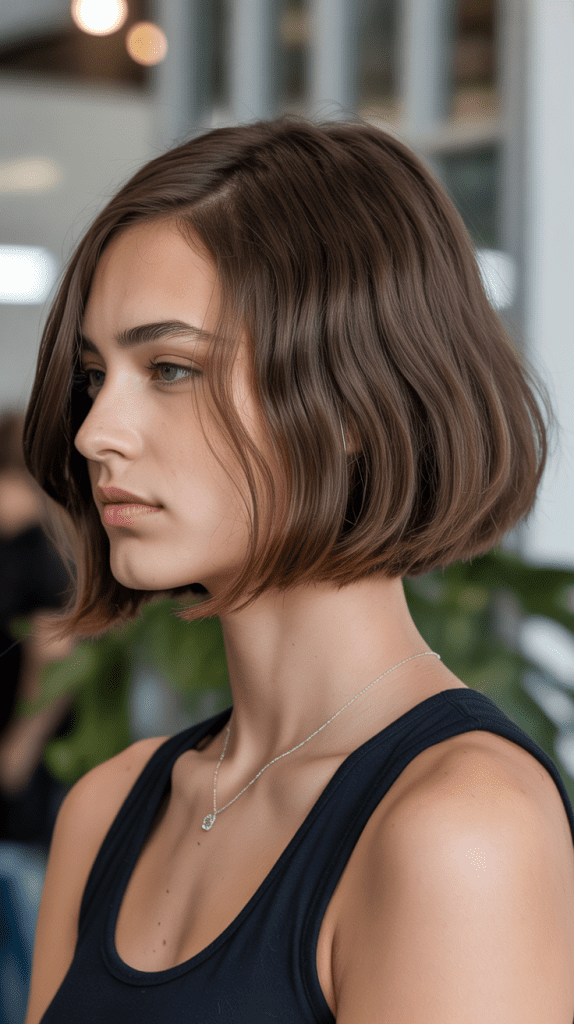
Designing for easy maintenance ensures the French bob looks polished between salon visits.
This practical approach considers growth patterns and styling requirements.
- Consider natural hair growth patterns when establishing the cut foundation
- Design the shape to grow out gradually rather than losing form quickly
- Create internal structure that maintains volume as the hair grows
- Establish cutting lines that can be easily maintained with minor trims
- Consider the client’s styling skills and time constraints
- Design lengths that work with various styling tools and techniques
- Plan strategic cutting points for future maintenance appointments
- Ensure the cut looks polished even when air-dried without extensive styling
15. Professional French Bob Finishing Techniques
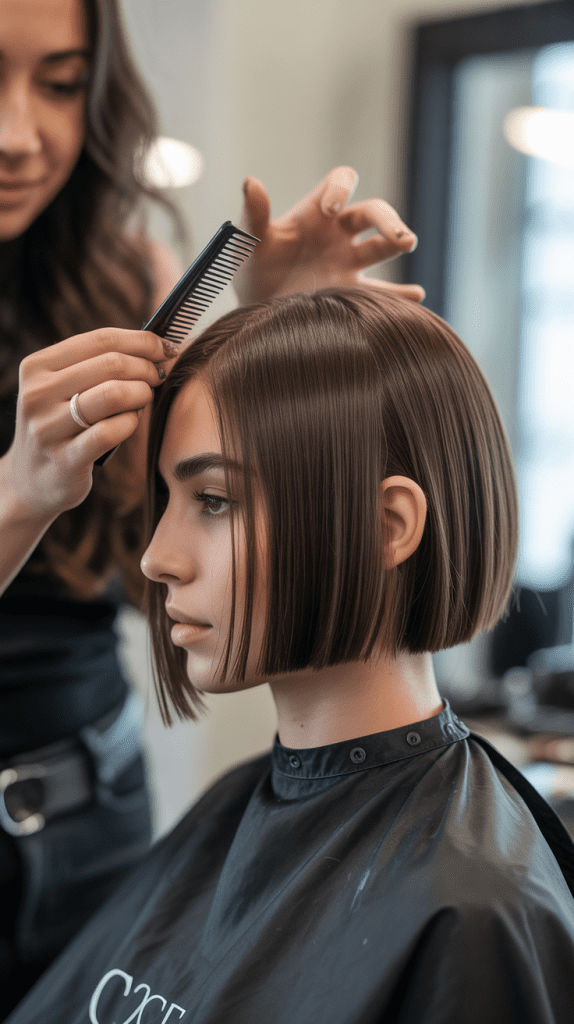
Professional finishing elevates the French bob from good to exceptional.
These advanced techniques create polish and sophistication in the final result.
- Use professional-grade tools for superior cutting precision
- Apply systematic quality control checks throughout the cutting process
- Employ advanced texturizing techniques for natural movement
- Create seamless blending between all cut sections
- Use specialized cutting techniques for problem areas or growth patterns
- Apply finishing products strategically to enhance the cut’s natural qualities
- Style the completed cut to showcase its best features
- Educate the client on optimal styling techniques for home maintenance
16. French Bob Styling Foundation
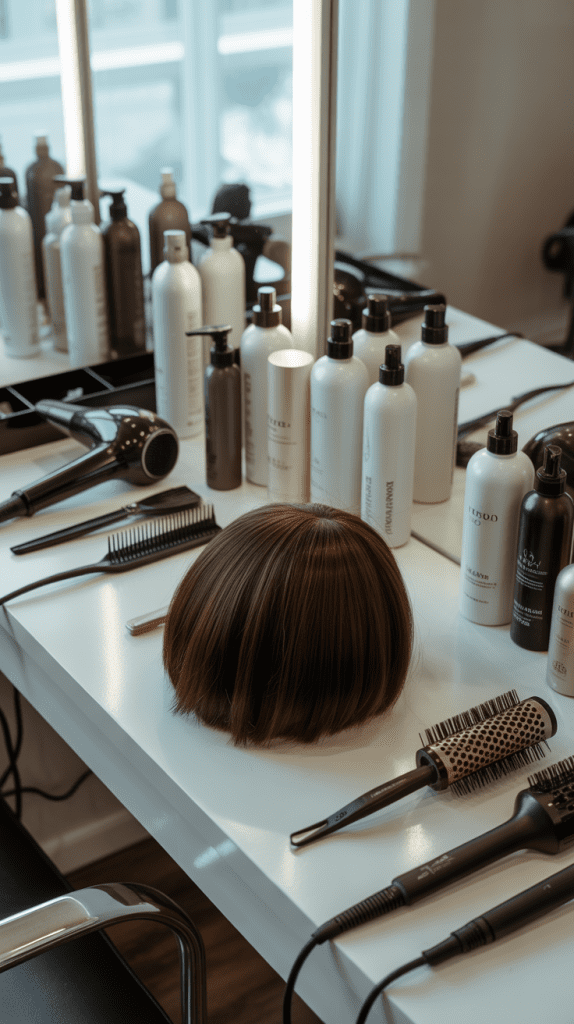
Proper styling foundation ensures the French bob looks its best every day.
This comprehensive approach covers preparation, products, and techniques for optimal results.
- Begin with properly cleansed and conditioned hair using appropriate products
- Apply heat protectant products before using any thermal styling tools
- Use volumizing products strategically to enhance the cut’s natural fullness
- Choose styling tools appropriate for the hair’s length and texture
- Consider the day’s activities and desired longevity when selecting styling approach
- Layer products appropriately to avoid weighing down the hair
- Allow sufficient time for proper styling technique execution
- Finish with appropriate holding products for lasting results
17. Heat Styling French Bob Methods
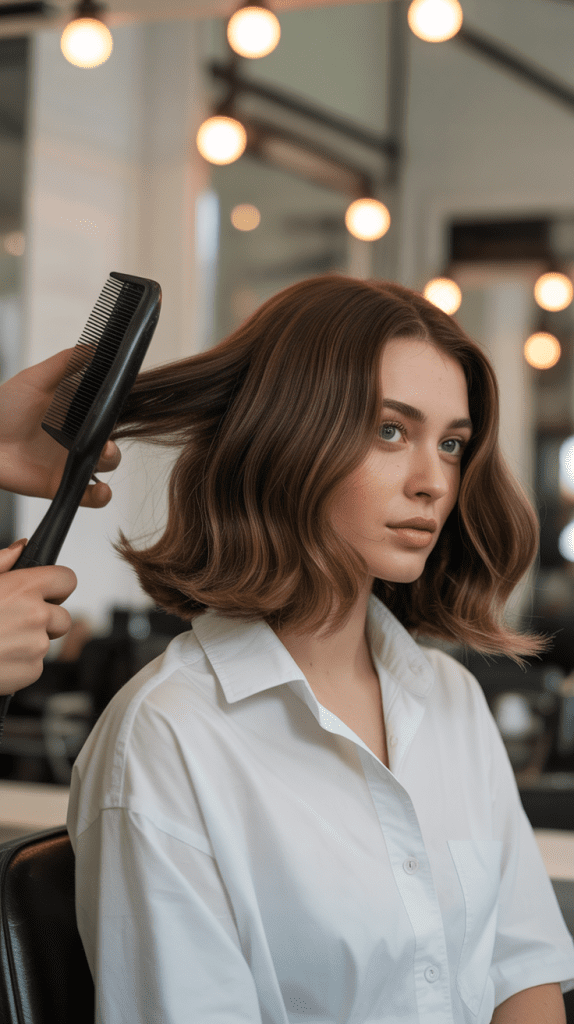
Heat styling techniques bring out the French bob’s sophisticated polish and movement.
Mastering these methods ensures consistently beautiful results.
- Select appropriate heat settings based on hair condition and texture
- Use high-quality tools with even heat distribution for best results
- Apply styling products while hair is damp for maximum effectiveness
- Use proper brush techniques to create desired volume and shape
- Work in systematic sections for thorough and even styling
- Direct airflow and brush movement to enhance the cut’s natural lines
- Finish with cool air to set the style and add shine
- Use heat styling sparingly to maintain hair health over time
18. Air-Dry French Bob Techniques
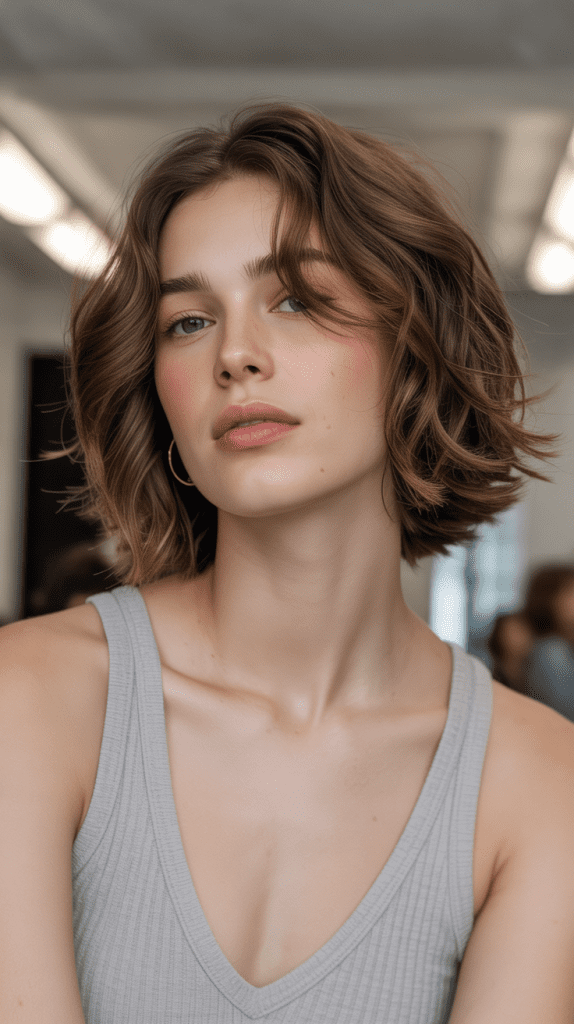
Air-drying methods showcase the French bob’s natural texture and effortless appeal.
These techniques work with the hair’s natural characteristics for beautiful, low-maintenance results.
- Apply appropriate products to damp hair for enhanced air-dry results
- Use scrunching techniques to encourage natural texture development
- Consider plopping methods for enhanced curl and wave definition
- Avoid touching or manipulating hair excessively during the drying process
- Use diffusing attachments if some heat assistance is needed
- Work with natural growth patterns rather than fighting against them
- Finish with minimal product application to maintain natural movement
- Embrace the slightly imperfect, effortless aesthetic that defines French style
19. French Bob Texture Enhancement
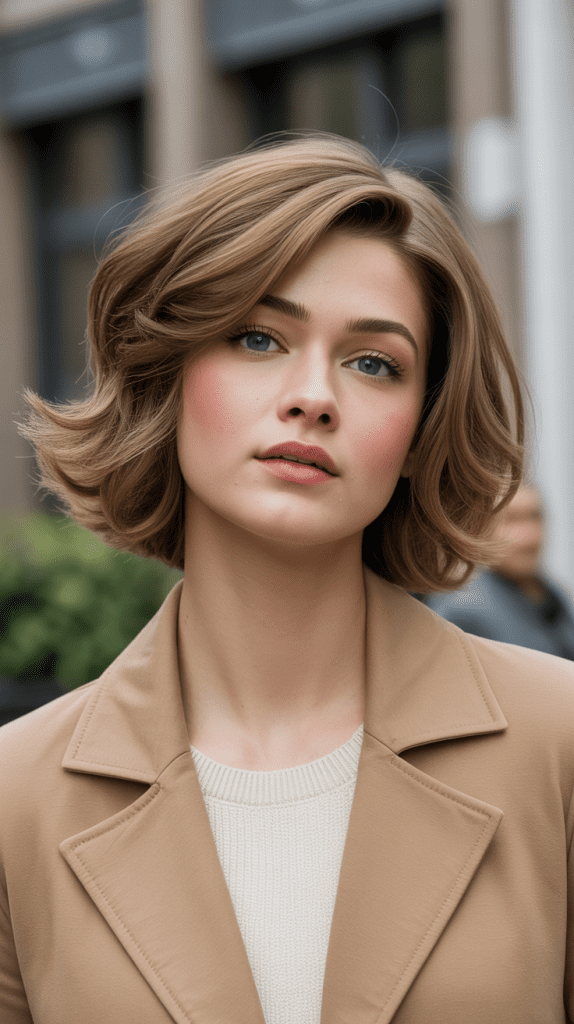
Texture enhancement techniques add dimension and interest to the French bob while maintaining its sophisticated appeal.
These methods work with various hair types and styling preferences.
- Use texturizing sprays to add grip and definition to fine hair
- Apply sea salt sprays for natural, beachy texture enhancement
- Use specialized texturing techniques during the styling process
- Consider temporary texture methods like braiding or twisting damp hair
- Employ scrunching techniques to enhance natural wave patterns
- Use diffusing methods to maintain volume while adding texture
- Apply texture-enhancing products strategically rather than all over
- Balance texture enhancement with the cut’s inherent sophistication
20. French Bob Volume Creation
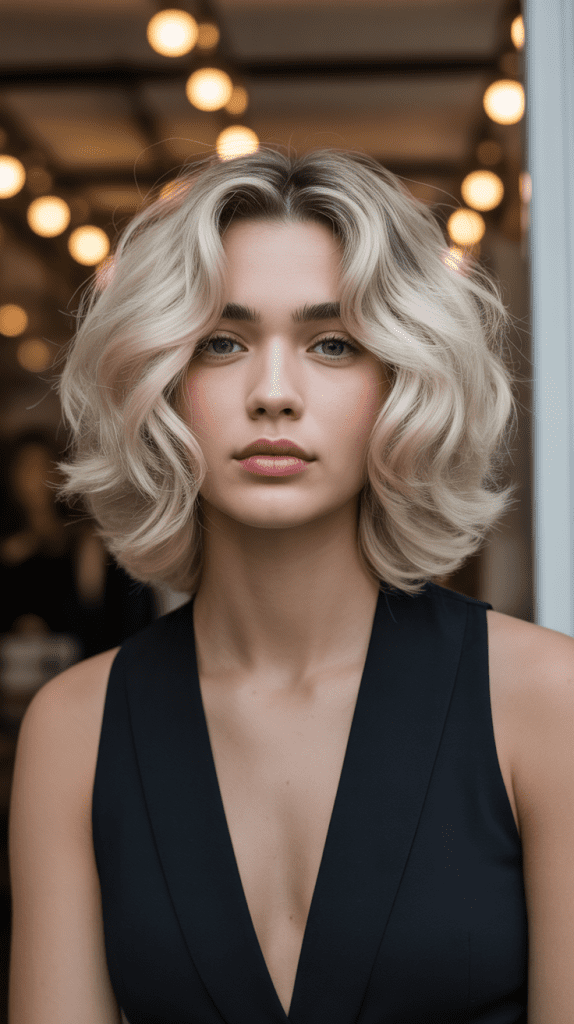
Volume creation techniques ensure the French bob maintains its characteristic fullness and body.
These methods work with various hair types to achieve optimal volume.
- Use appropriate volumizing products applied to damp hair at the roots
- Employ root-lifting techniques during the blow-drying process
- Consider backcombing methods for dramatic volume when appropriate
- Use velcro rollers or similar tools for lasting volume creation
- Apply dry shampoo strategically to add texture and lift
- Use proper sectioning techniques to ensure even volume distribution
- Avoid over-applying products that can weigh hair down
- Finish with techniques that lock in volume for lasting results
21. French Bob Problem-Solving Guide
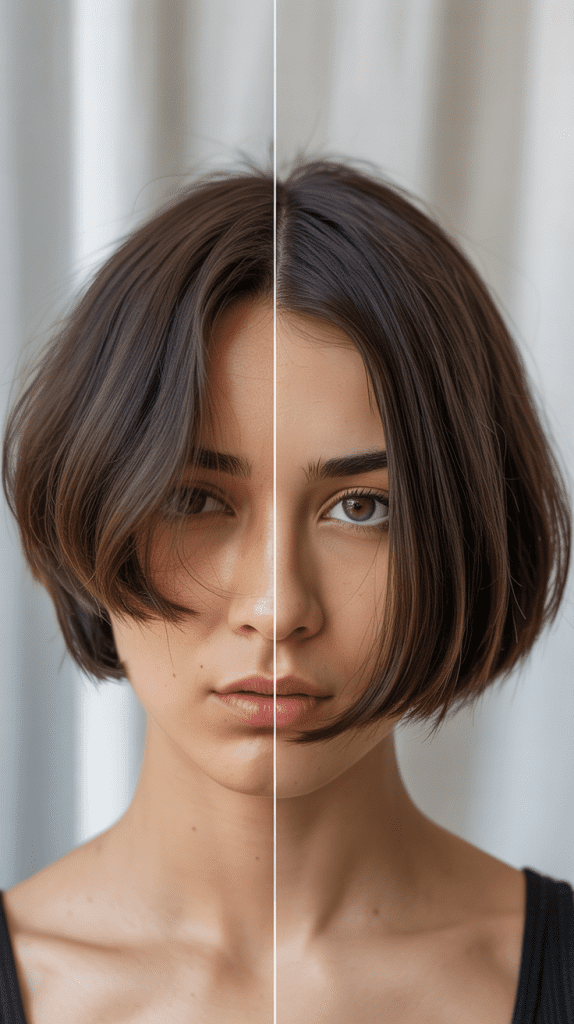
Common challenges with French bob styling can be addressed through specific techniques and adjustments.
This troubleshooting guide covers frequent issues and their solutions.
- Address cowlicks and growth patterns through strategic styling adjustments
- Manage different textures within the same head of hair effectively
- Correct uneven drying or styling results through targeted techniques
- Handle humidity and weather-related styling challenges
- Adjust styling approaches for different seasons and climate conditions
- Troubleshoot product buildup and over-styling issues
- Address length and shape maintenance between salon appointments
- Solve common styling frustrations through technique modifications
22. French Bob Accessory Integration
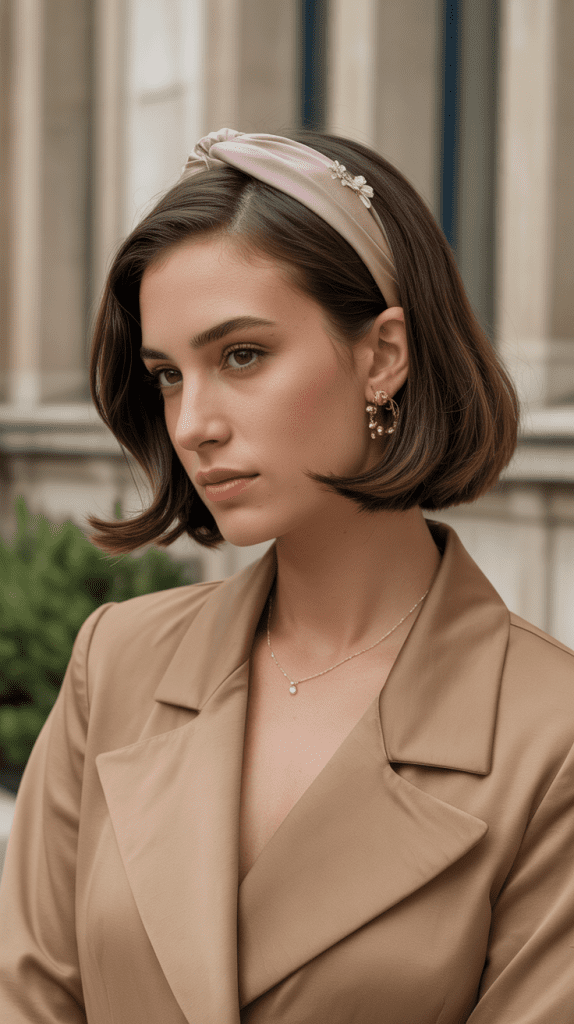
Hair accessories can enhance the French bob’s versatility and style options.
This guide covers how to incorporate accessories while maintaining the cut’s sophisticated appeal.
- Choose accessories that complement rather than compete with the bob’s clean lines
- Use headbands and scarves to add French-inspired flair
- Incorporate clips and pins strategically for both function and style
- Consider seasonal accessories that enhance the bob’s versatility
- Balance accessory size and style with the haircut’s proportions
- Use accessories to address specific styling challenges or preferences
- Maintain the sophisticated aesthetic while adding personal touches
- Layer accessories thoughtfully to avoid overwhelming the hairstyle
23. French Bob Maintenance Schedule

Regular maintenance ensures the French bob always looks fresh and polished.
This scheduling guide helps maintain optimal shape and condition between major appointments.
- Schedule regular trims every 4-6 weeks for optimal shape maintenance
- Plan color appointments to coordinate with cut maintenance
- Establish home care routines to extend salon results
- Monitor hair condition and adjust maintenance frequency as needed
- Consider seasonal factors that may affect maintenance needs
- Plan ahead for special events requiring professional styling
- Maintain consistent relationships with skilled professionals
- Budget appropriately for regular maintenance requirements
24. French Bob Seasonal Adaptations
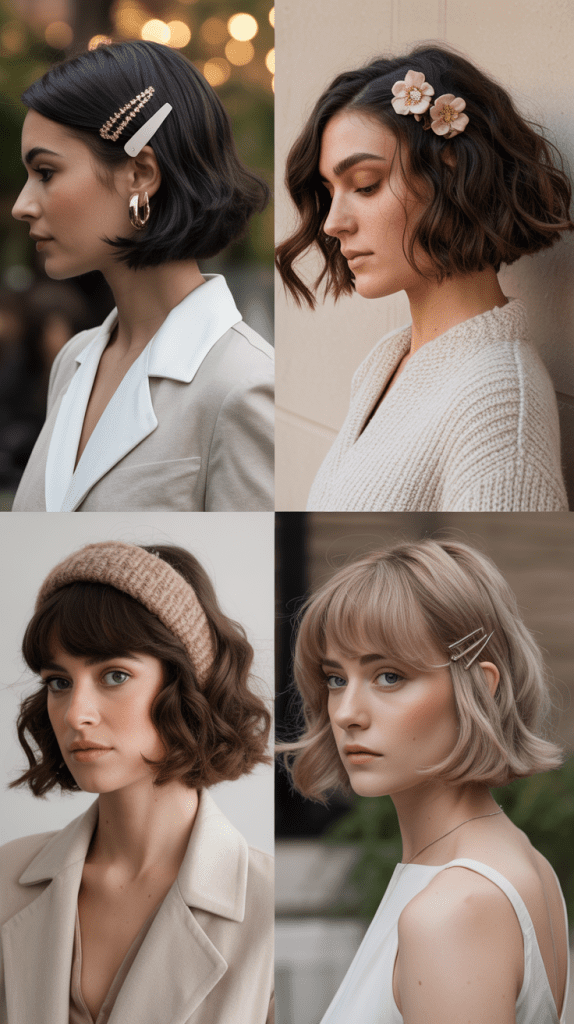
Adapting the French bob for different seasons ensures year-round style success.
These modifications address seasonal styling challenges and opportunities.
- Adjust styling techniques for humidity and weather changes
- Modify product selection based on seasonal environmental factors
- Consider length adjustments for comfort in different climates
- Adapt styling routines for seasonal lifestyle changes
- Use seasonal colors and accessories to refresh the look
- Address static and dryness issues common in winter months
- Manage frizz and humidity effects during summer months
- Plan color changes to complement seasonal fashion choices
25. Advanced French Bob Variations
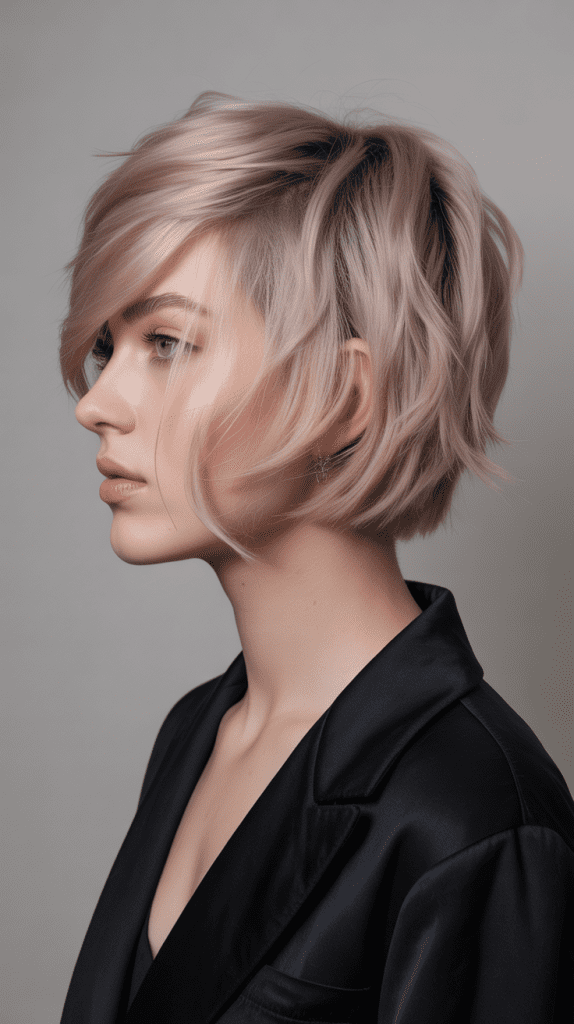
Advanced variations push the French bob’s creative boundaries while maintaining its sophisticated foundation.
These cutting-edge techniques offer unique interpretations of the classic style.
- Experiment with geometric elements within the classic structure
- Incorporate modern cutting techniques like disconnection and undercutting
- Create dramatic contrasts through strategic length variations
- Use advanced color placement to enhance cutting techniques
- Combine multiple texturing methods for complex results
- Push traditional boundaries while respecting the style’s core elements
- Consider avant-garde styling approaches for editorial or artistic purposes
- Balance creativity with wearability for practical daily styling
The French bob continues to captivate with its timeless elegance and modern versatility, making it a favorite among style-conscious individuals worldwide.
Through these comprehensive techniques and detailed tutorials, you now possess the knowledge and skills necessary to master every aspect of this iconic hairstyle.
From fundamental cutting methods to advanced styling techniques, 25 Step-by-Step French Bob Cut Tutorials to Master the Look provides the complete roadmap for achieving professional-quality results.
Whether you’re creating classic interpretations or exploring contemporary variations, these proven methods ensure your French bob will always embody the sophisticated charm and effortless elegance that defines this enduring style.
Remember that mastery comes through practice, patience, and attention to detail, so embrace the learning process as you develop your skills with this remarkable hairstyle that continues to inspire and delight across generations.
