

Starting locs can be a life-changing decision, blending personal identity, cultural pride, and low-maintenance grooming.
Among the most popular and effective methods for beginning the loc journey is the two-strand twist.
Ideal for short hair and natural textures, this technique lays a solid foundation for mature, well-formed locs.
In this complete and practical guide titled 21 Starter Two-Strand Twist Locs for Men Guide, you’ll find beginner-friendly advice, style inspiration, and long-term maintenance strategies to confidently start and grow your locs.
Whether you’re new to natural hair or transitioning from another style, this guide is your step-by-step blueprint to begin the loc journey with confidence and ease.
1. Understanding Two-Strand Twist Locs

Before diving in, let’s clarify what they are and how they work.
- Two-strand twists are made by dividing hair into two parts and twisting them together tightly.
- Over time, with minimal disturbance, the hair naturally locks.
- Great for textured hair types, especially 4A to 4C.
2. Ideal Hair Length to Start

Knowing when to begin is key.
- Hair should be at least 2–3 inches long.
- Shorter hair can work with the rubber band or crochet method.
- The longer your hair, the more secure the twist will hold.
3. Best Hair Types for Twist Locs
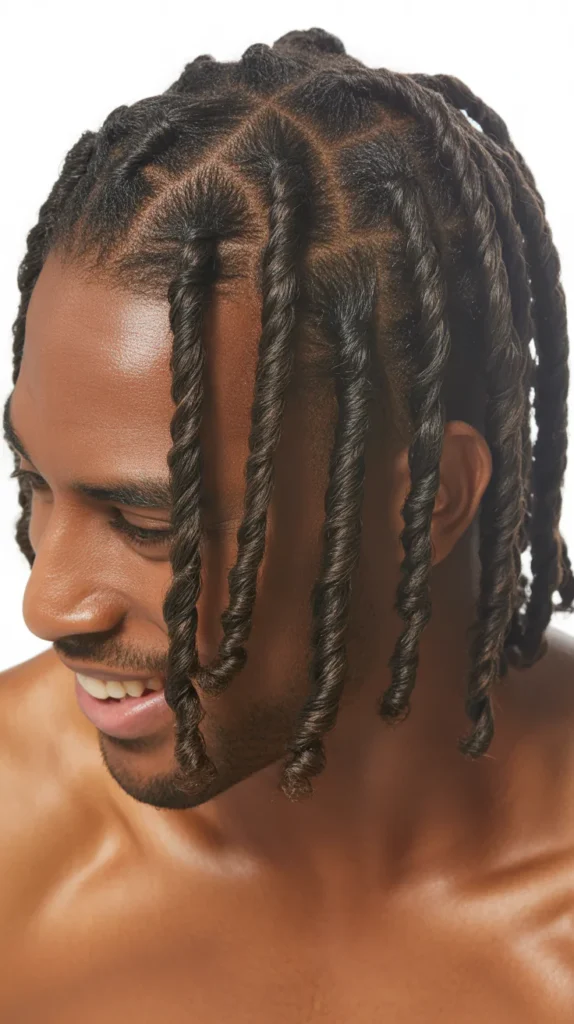
Two-strand twists are especially compatible with coily and kinky textures.
- 4B–4C hair locks quicker due to its density and coil pattern.
- Looser curls can still lock but may take longer.
- Consistent upkeep matters more than hair type.
4. Starter Kit: What You Need
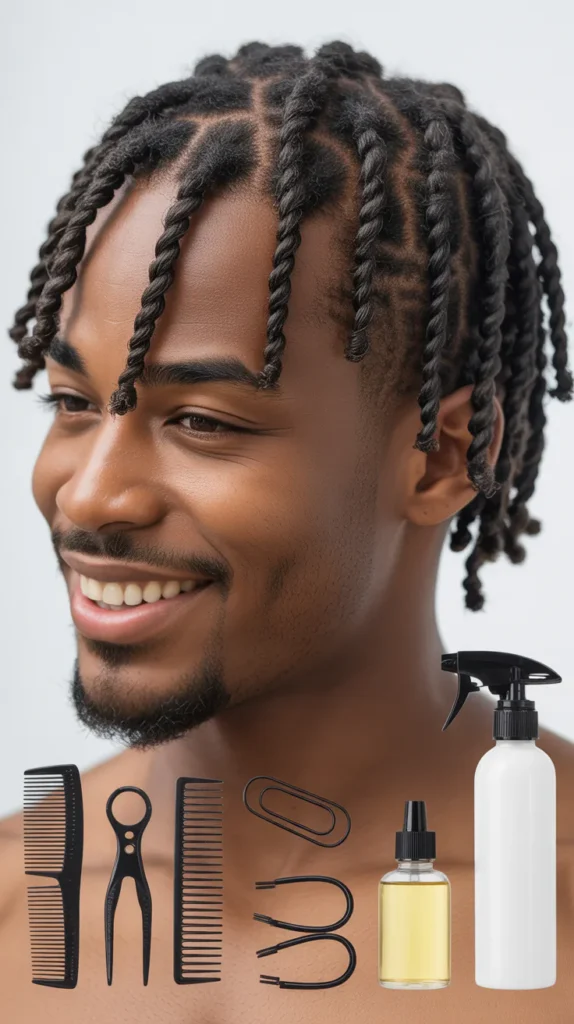
Gather these essentials before starting.
| Product/Tool | Purpose |
|---|---|
| Rat-tail comb | For parting hair evenly |
| Loc gel/locking cream | To hold twists in place |
| Spray bottle (water + oil) | To rehydrate hair while styling |
| Satin durag/bonnet | To protect twists during sleep |
5. How to Install Starter Two-Strand Twists


Follow these clear steps to install your starter locs.
- Step 1: Wash and dry your hair thoroughly.
- Step 2: Part hair into small or medium sections.
- Step 3: Apply locking cream to each section.
- Step 4: Twist two strands tightly down to the ends.
- Step 5: Let them air dry or sit under a hooded dryer.
6. Starter Twist Loc Size Options
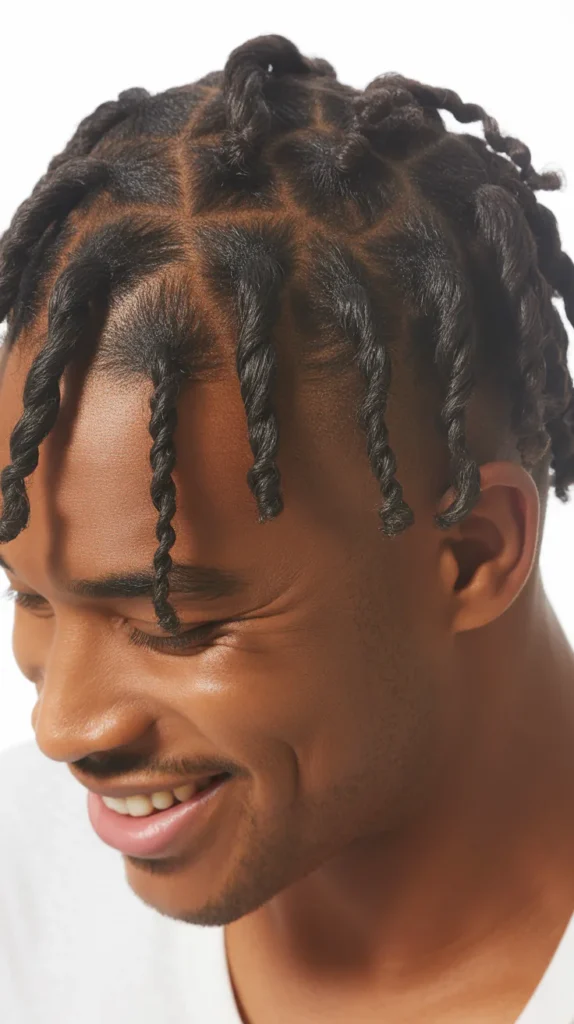
Size affects the look and maintenance.
- Small: Takes longer to install but easier to shape into styles.
- Medium: Easier to manage and a common starter size.
- Large: Bolder look, fewer locs overall, easier upkeep.
7. Two-Strand Twists vs. Other Starter Loc Methods
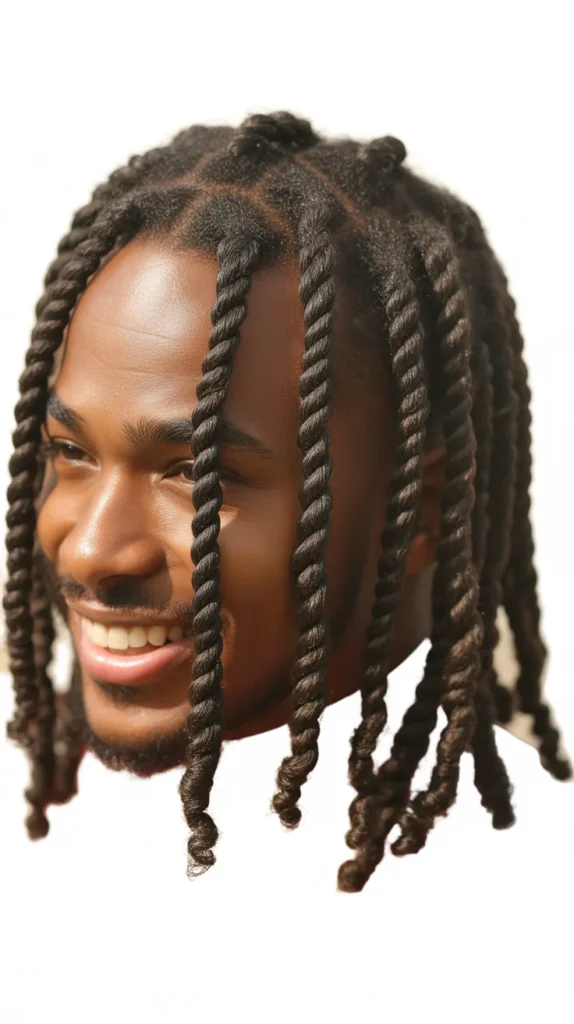
Know your options and why two-strand twists work well.
- Two-strand twists: Less tension, low manipulation.
- Comb coils: Neat but may unravel early.
- Interlocking: Instant locs but tight on the scalp.
8. The First Month: Expectations

The starter phase may surprise you.
- Frizz is normal—don’t panic.
- Avoid washing for the first 3–4 weeks.
- Maintain moisture without over-manipulating.
9. How to Maintain Fresh-Looking Twists

Here’s how to extend the life of your starter twists.
- Sleep with a satin bonnet or durag.
- Mist hair with water and oil daily.
- Avoid tight hats or friction on the scalp.
10. When to Wash Your Starter Locs
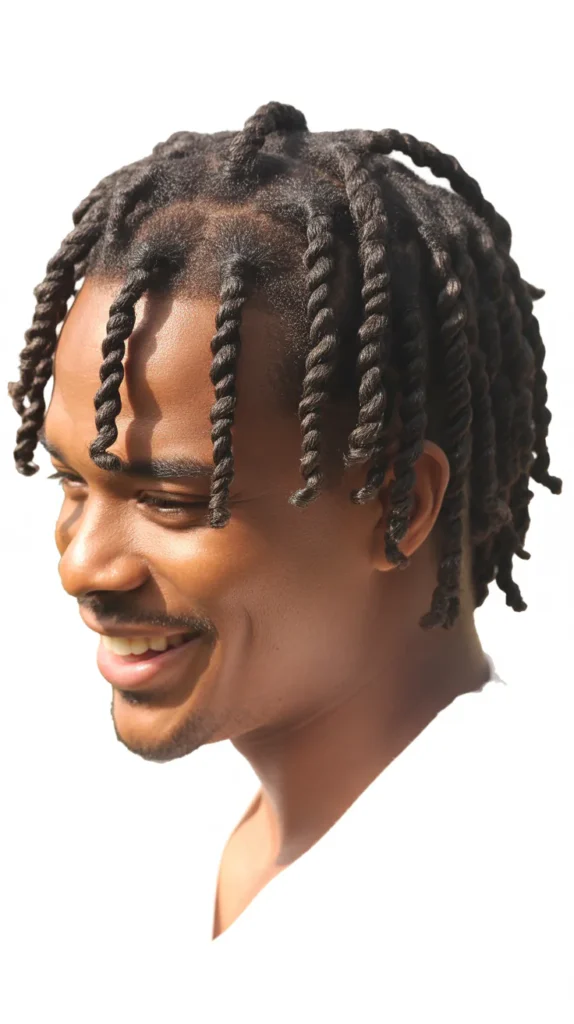
Clean hair equals healthy locs—timing is key.
- Wait 3–4 weeks after installation.
- Use a gentle, residue-free shampoo.
- Use a hairnet to hold twists during washes.
11. How Often to Retwist

Find the right rhythm for your scalp and lifestyle.
- Every 4–6 weeks is ideal.
- Over-twisting can cause thinning.
- Use aloe vera or natural locking gels.
12. How Often to Retwist
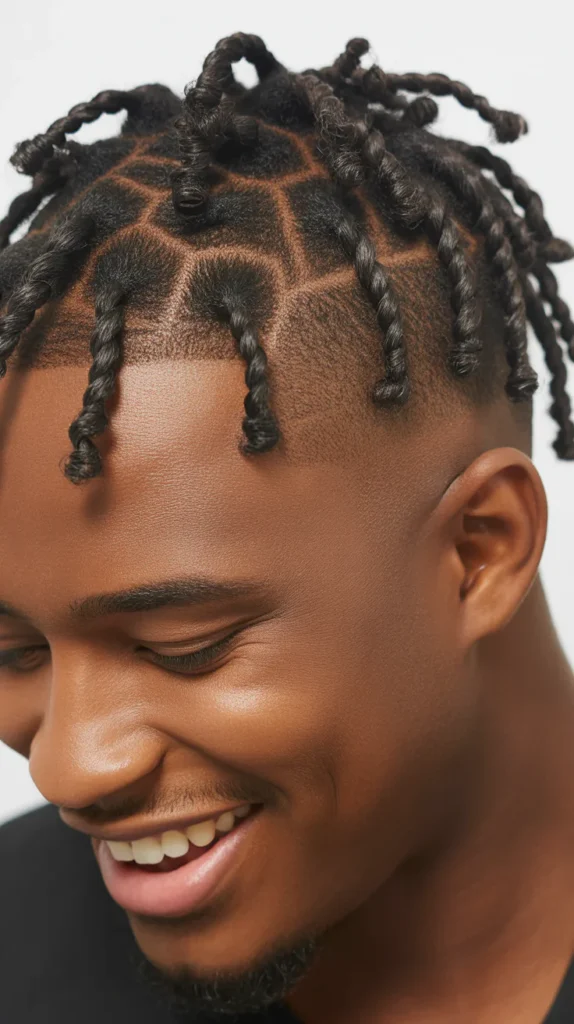
Pairing with a fade gives a clean, modern look.
- Adds sharpness and definition.
- Fade should be maintained every 2–3 weeks.
- Popular among younger men and professionals.
13. Short Twists with Beard Combo
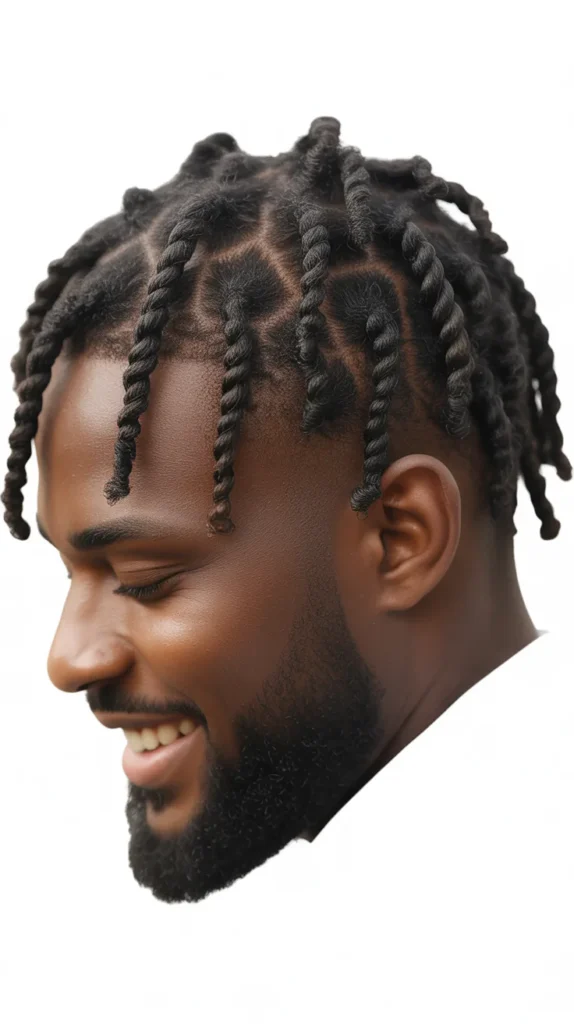
Add contrast with a well-groomed beard.
- Sharp beard lines accentuate the locs.
- Beard oil and brushes keep it tidy.
- Complements oval and square face shapes.
14. Colored Starter Twist Locs

Add vibrancy and individuality with color.
- Use semi-permanent or temporary waxes.
- Avoid bleaching in the early stages.
- Moisturize regularly to protect colored hair.
15. Rubber Band Starter Method
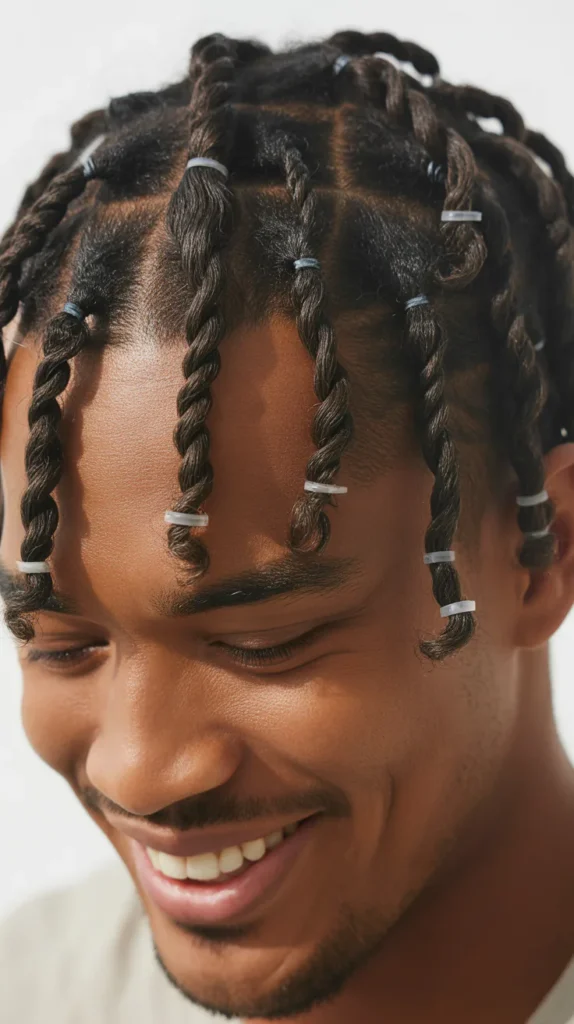
Ideal for short hair and maintaining parting.
- Secure the base of each section with a rubber band.
- Remove after 2–3 weeks once locs start forming.
- Prevents unraveling in soft-textured hair.
16. Moisturizing Routine for Starter Locs
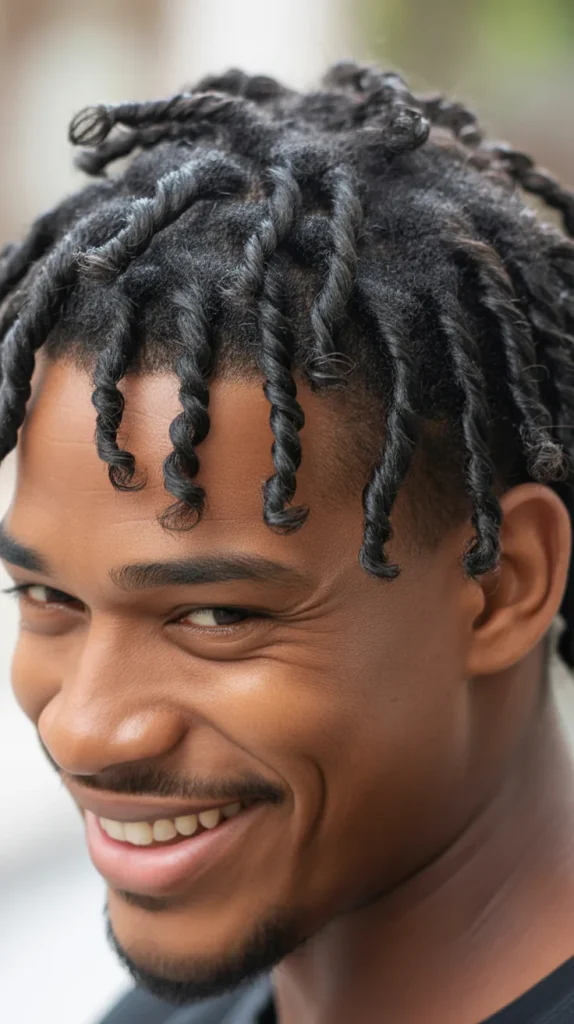
Dry locs lead to breakage—stay hydrated.
- Mist with water and aloe mix daily.
- Use light oils like jojoba, argan, or tea tree.
- Avoid heavy creams and butters.
17. Sleeping Tips for New Twists
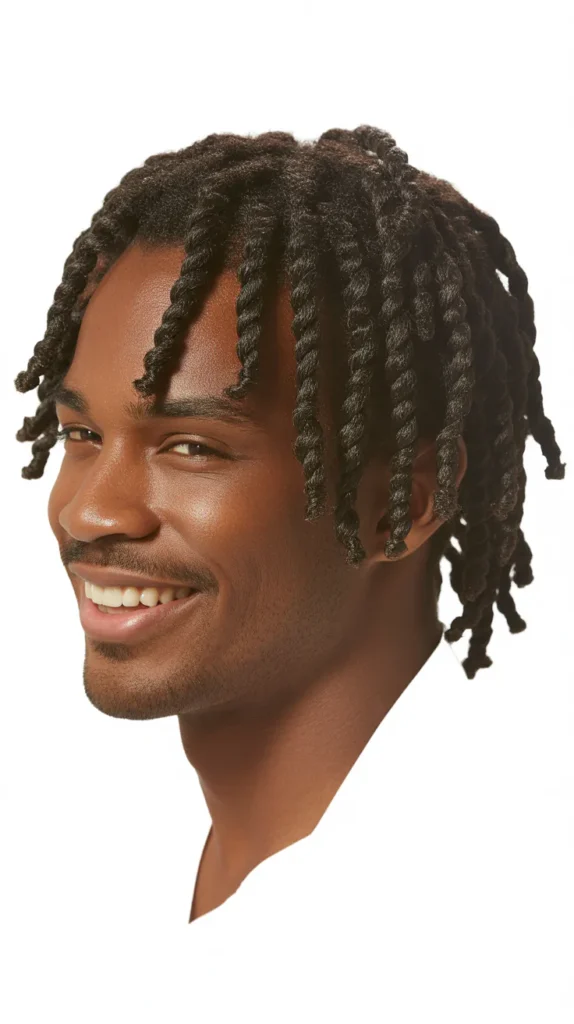
Protect your investment during rest.
- Use satin or silk head coverings.
- Avoid cotton pillowcases.
- Tie down hair loosely to avoid flattening.
18. Twists with Tapered Neckline

Enhances professionalism and ease of styling.
- Keep neckline trimmed every few weeks.
- Clean-cut appearance for business and casual life.
- Works with small to medium twists.
19. Twists with Accessories

Yes, even starter locs can wear accessories (with care).
- Use lightweight, non-damaging beads or cuffs.
- Avoid heavy or tight items.
- Great for events or personal expression.
20. Signs Your Twists Are Locking
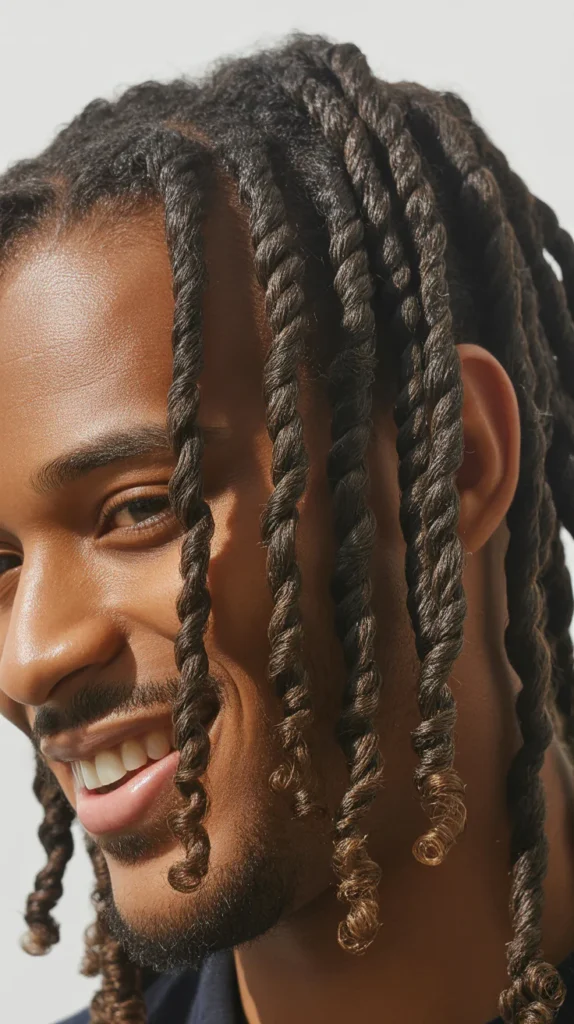
Track your journey with these signs:
- Budding: Small knots forming in the twists.
- Less unraveling after washes.
- Increased frizz and fullness.
21. Transitioning from Twists to Mature Locs

Over time, your starter twists will become permanent locs.
- This process takes 6–18 months.
- Patience and consistent care are key.
- Celebrate the journey—every phase has its beauty.
Conclusion
With this 21 Starter Two-Strand Twist Locs for Men Guide, you now have all the essential tools, techniques, and tips to begin your loc journey with confidence.
From understanding the basics to preparing your hair, installing twists, and maintaining them properly, each step brings you closer to achieving strong, healthy, and mature locs.
Remember, locs aren’t just a hairstyle—they’re a commitment, a lifestyle, and a personal expression.
Stay patient, care for your hair regularly, and embrace each phase of the journey as a reflection of your growth and individuality.
